A Christmas market does not have to be the biggest, brightest or most famous to stay with you. Sometimes it is a walk through a half-timbered town after dark, the scent of something baking in a quiet square, or the pleasure of discovering a city that feels festive without feeling like a familiar postcard.
This year, we are looking beyond the usual Christmas-market circuit. From Croatia’s lively capital and the baroque streets of Varaždin to the hidden courtyards of Quedlinburg, the winter gardens of Copenhagen and the sunlit squares of Seville, these are places to experience the season at a gentler pace — with time to wander, eat well and make the city your own.
1. Zagreb, Croatia
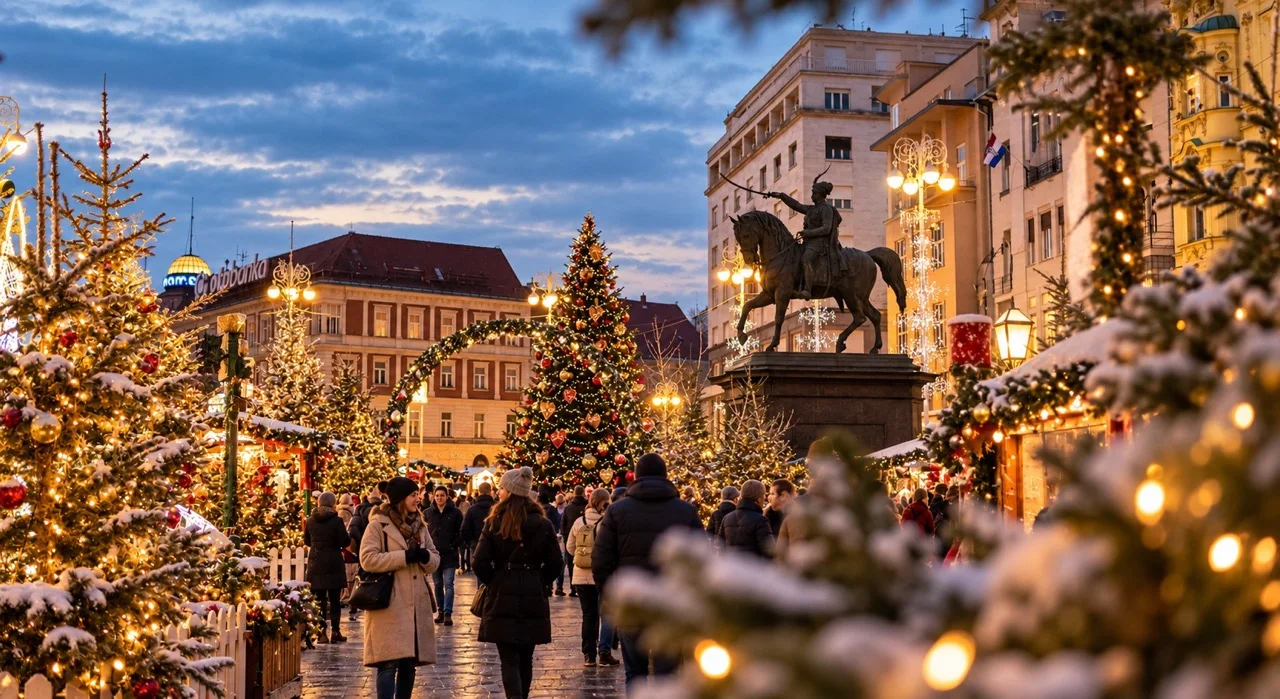
Zagreb’s Advent is a city-wide invitation to follow the lights. Wander between Zrinjevac, the Upper Town and the food-focused pop-ups, leaving room for the quieter pleasure of a tram ride or a late dinner after the crowds have thinned.
Date: 28 November 2026–7 January 2027.
What makes it special: Festivities spread across parks, squares and neighbourhoods, so the city offers a different mood each evening.
Where to stay: Esplanade Zagreb Hotel — a landmark hotel dating back to the Orient Express era, with enduring Art Deco character.
What to see: Zrinjevac, the Upper Town, St Mark’s Church, the funicular and the decorated city parks.
What to eat: Štrukli, fritule, roasted chestnuts and seasonal dishes at one of the Advent food pop-ups.
More information: Advent Zagreb
2. Varaždin, Croatia
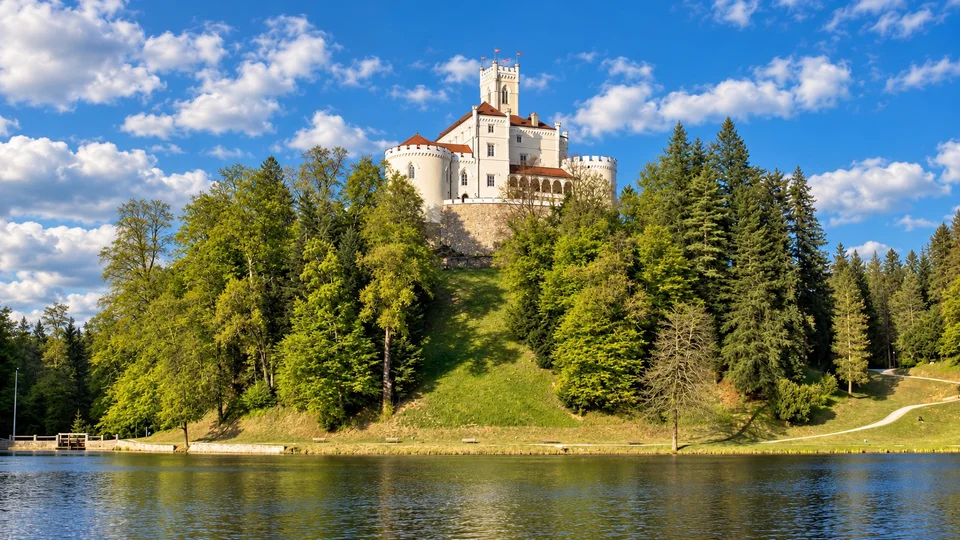
Varaždin’s baroque centre gives the season a more intimate scale. Come for the lights, then linger over a museum visit, a long coffee and an evening walk past the Old Town.
Date: 27 November 2026–6 January 2027.
What makes it special: A compact historic centre where festive events sit naturally among pastel façades and elegant squares.
Where to stay: Hotel Turist — a four-star city landmark, redesigned in recent years while retaining its long connection to local life.
What to see: Varaždin Old Town, the Cathedral, the historic centre and the city’s museums.
What to eat: Varaždinski klipič, local pastries and comforting regional winter dishes.
More information: Advent u Varaždinu
3. Quedlinburg, Germany
In Quedlinburg, some of the best Advent moments happen behind closed doors. On selected weekends, historic courtyards that are usually private open to visitors, each with its own small world of crafts, food and candlelight.
Date: The Christmas market runs from 25 November–22 December; Advent in the Courtyards takes place on the first three Advent weekends.
What makes it special: Visitors can step into historic courtyards that are normally closed to the public.
Where to stay: Hotel Theophano — a four-star hotel on the market square, in the heart of the historic town.
What to see: The market square, castle hill, St Servatius Church and the timber-framed old town.
What to eat: Harz cheeses and sausages, gingerbread, roasted almonds and Glühwein.
More information: Advent in Quedlinburg
4. Lübeck, Germany
Lübeck’s winter story is shaped by its Hanseatic past: brick Gothic churches, narrow lanes and marzipan shops tucked into the old town. Choose a few markets that catch your eye, then follow the Trave as the city lights come on.
Date: The main Christmas markets run from 23 November–30 December 2026; individual craft markets have their own dates.
What makes it special: A collection of distinct markets set among the historic buildings of the old town.
Where to stay: Radisson Blu Senator Hotel Lübeck — a polished riverside stay beside the Trave and within walking distance of the old town.
What to see: The Holsten Gate, St Mary’s Church, the old town lanes and the riverside.
What to eat: Lübeck marzipan, marzipan cappuccino and northern German fish dishes.
More information: Lübeck’s Christmas markets
5. Bath, England
Bath feels made for a December walk: honey-coloured Georgian buildings, glowing shop windows and streets that soften in the early evening. The market sits within the historic centre, but the city offers plenty of reasons to linger after the stalls.
Date: 26 November–13 December 2026.
What makes it special: A festive market set among the city’s UNESCO-listed Georgian architecture.
Where to stay: The Royal Crescent Hotel & Spa — a five-star hotel in Bath’s iconic crescent, with a spa and a quietly residential feel.
What to see: The Royal Crescent, the Roman Baths, Bath Abbey and the old town’s covered passages.
What to eat: A Sally Lunn bun, Bath cheeses and a traditional afternoon tea.
More information: Bath Christmas Market
6. Winchester, England
Winchester’s Christmas market is set within the cathedral’s historic close. It suits travellers who want a traditional market in a smaller city, with time for the cathedral, independent shops and a walk beside the River Itchen.
Date: 20 November–22 December 2026.
What makes it special: A cathedral setting and a market known for independent traders.
Where to stay: Hotel du Vin Winchester — a four-star townhouse hotel in a Georgian building dating to 1715, and the first hotel in the Hotel du Vin collection.
What to see: Winchester Cathedral, the Great Hall, the water meadows and the High Street.
What to eat: Mince pies, roast chestnuts, local cheeses and afternoon tea.
More information: Winchester Cathedral Christmas Market
7. Ghent, Belgium
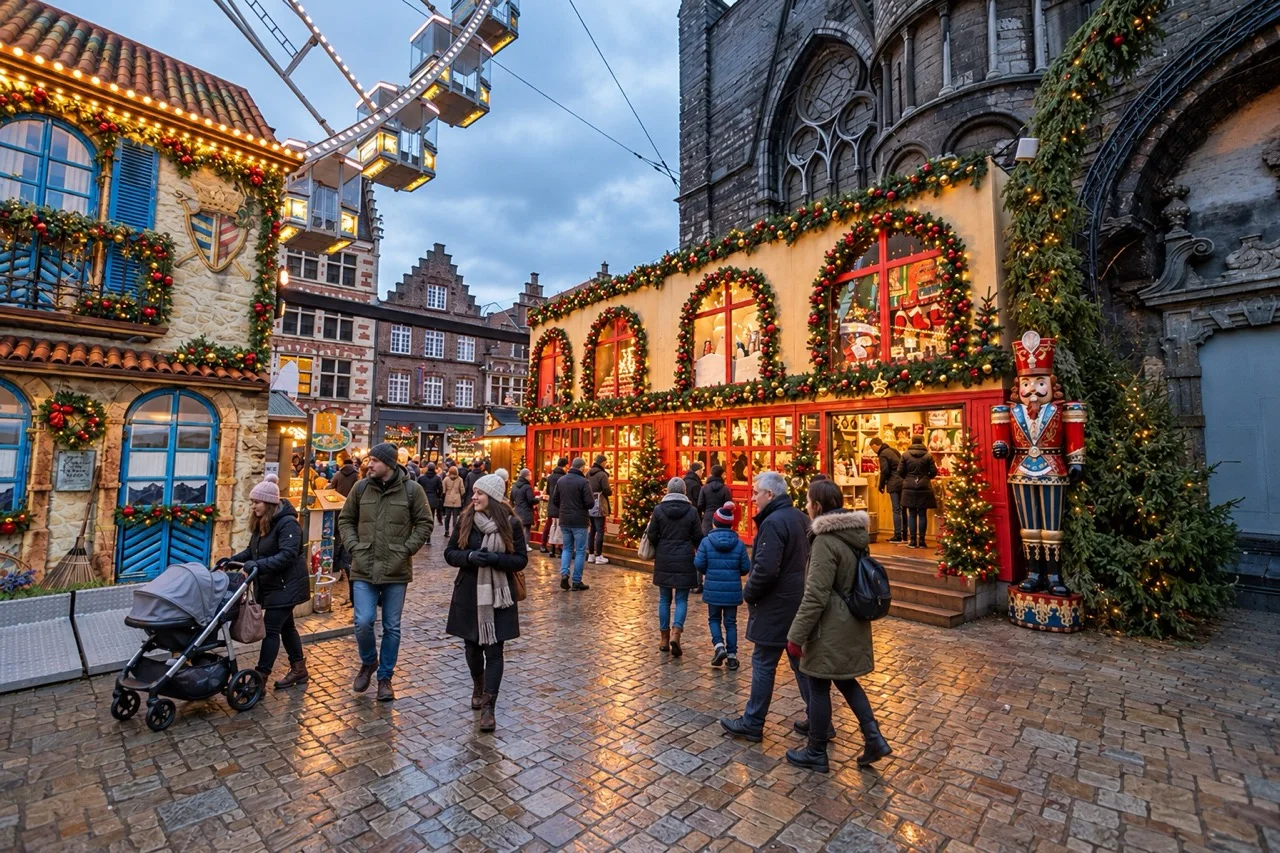
Ghent can feel grand and intimate at the same time. Medieval towers and canals set the scene, while the winter programme spreads across the old centre. Visit the castle, find a warm café and let the evening lights do their work.
Date: 3 December 2026–3 January 2027.
What makes it special: The winter programme combines the market with a castle experience, ice rink and seasonal events.
Where to stay: Pillows Grand Boutique Hotel Reylof — a four-star hotel in a monumental mansion, blending modern design with Louis XIV details.
What to see: Gravensteen Castle, St Bavo’s Cathedral, the Graslei and Korenlei quays, and the old town at dusk.
What to eat: Waterzooi, Belgian waffles, cuberdons and a local beer by the canal.
More information: Winter in Ghent
8. Ljubljana, Slovenia
Ljubljana is easy to explore without a plan. Follow the river beneath the lights, cross the bridges and look back towards the castle above the rooftops. The festive season is less about one market than the atmosphere that settles across the centre.
Date: November 2026–15 January 2027; check the official programme for the exact opening schedule.
What makes it special: Light installations, riverside stalls and a compact centre made for wandering.
Where to stay: Hotel Heritage — a four-star boutique hotel in a protected Renaissance-era building in the old town.
What to see: Prešeren Square, the Triple Bridge, the Central Market, Ljubljana Castle and the river embankments.
What to eat: Potica, štruklji, local sausages and seasonal dishes in traditional inns.
More information: Festive December in Ljubljana
9. Merano, Italy
Merano’s market follows the river, with the Alps rising beyond the rooftops. Mountain air, Italian ease and South Tyrolean traditions give the town a particular kind of winter calm.
Date: 26 November 2026–6 January 2027.
What makes it special: A riverside setting beneath the mountains, with thermal baths and cafés close by.
Where to stay: Hotel Therme Meran — a four-star superior hotel connected to the thermal baths, with contemporary architecture in the old centre.
What to see: The Passer promenade, the arcades, Trauttmansdorff Castle gardens and the thermal baths.
What to eat: Speck, canederli, apple strudel and South Tyrolean Christmas bread.
More information: Merano Christmas Market
10. Brixen, Italy
Brixen — or Bressanone — is a smaller South Tyrolean alternative to the region’s better-known markets. Stalls gather around Cathedral Square, while the nearby Hofburg adds a light-and-music show to the visit.
Date: 27 November 2026–6 January 2027.
What makes it special: A Christmas market paired with a light-and-music show in the historic Hofburg.
Where to stay: Arthotel Lasserhaus — a four-star superior art hotel in a historic 15th-century building, with ten rooms and suites.
What to see: Cathedral Square, Brixen Cathedral, the Hofburg and the old town’s arcades.
What to eat: Speck, dumplings, apple strudel and local South Tyrolean wines.
More information: Brixen Christmas Market
11. Dresden, Germany
Dresden’s Christmas season is rooted in Saxon craft and baking traditions. The Striezelmarkt is the best-known gathering, but smaller markets around the old town offer a more unhurried way to explore the city.
Date: Late November–24 December 2026; check the official programme for the precise opening schedule.
What makes it special: Regional woodcrafts, the towering Christmas pyramid and the city’s celebrated Stollen tradition.
Where to stay: Relais & Châteaux Bülow Palais — a five-star boutique hotel in Dresden’s Neustadt, with an intimate feel and a festive season of its own.
What to see: The Frauenkirche, Zwinger, Semperoper and the riverside at dusk.
What to eat: Dresdner Christstollen, bratwurst, Quarkbällchen and mulled wine.
More information: Dresden Striezelmarkt
12. Aachen, Germany
Aachen’s market fills the streets between the cathedral and the town hall. The setting is compact and atmospheric, and the city’s famous Printen — a spiced gingerbread — gives the visit a distinctly local flavour.
Date: 22 November–23 December 2026.
What makes it special: The market sits in the historic heart of the former imperial city, beside its cathedral and town hall.
Where to stay: Parkhotel Quellenhof Aachen — a grand hotel with a spa, set beside the city park.
What to see: Aachen Cathedral, the town hall, the old town and the Carolus Thermen baths.
What to eat: Aachener Printen, potato pancakes, bratwurst and hot chocolate.
More information: Aachen Christmas Market
13. Vienna, Austria
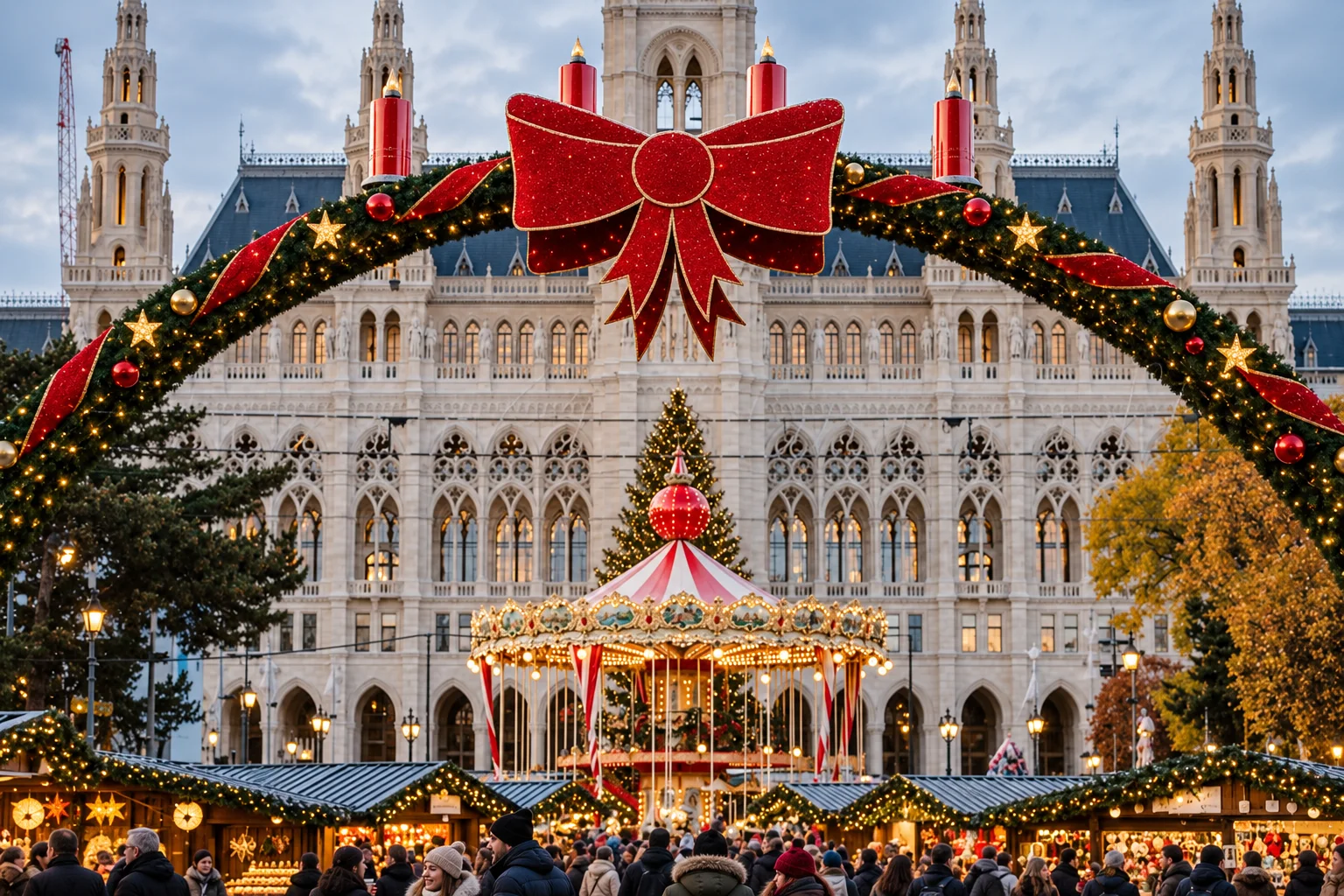
Vienna offers more than one version of Christmas: grand squares, palace gardens and smaller neighbourhood markets. Visit one or two, then trade the stalls for a coffee house, a museum or an evening concert.
Date: The Rathausplatz market runs from 13 November–26 December 2026; dates vary by market.
What makes it special: A choice of markets in settings ranging from imperial palaces to intimate city squares.
Where to stay: Hotel Sacher Wien — a five-star Viennese institution facing the State Opera, known for its history and its original Sachertorte.
What to see: Schönbrunn Palace, the Hofburg, the Belvedere and the city’s grand coffee houses.
What to eat: Kaiserschmarrn, roasted chestnuts, sausages, Vanillekipferl and Sachertorte.
More information: Vienna’s Christmas markets
14. Prague, Czechia
Prague’s historic centre can feel cinematic in December, especially early in the morning or after dark. See the main squares, then step away from the busiest routes to find quieter lanes, neighbourhood cafés and views of the river.
Date: 28 November 2026–6 January 2027.
What makes it special: The Old Town Square market unfolds beneath the city’s historic towers and façades.
Where to stay: Augustine, a Luxury Collection Hotel, Prague — a five-star hotel in a former monastery complex in Malá Strana.
What to see: Charles Bridge, Malá Strana, Prague Castle and the Old Town Square.
What to eat: Vánočka, roasted ham, potato pancakes and medovina, a honey-based drink.
More information: Prague City Tourism
15. Strasbourg, France
Strasbourg’s Christmas season belongs to the whole historic centre, from the cathedral to Petite France. It is a familiar name, but a weekday visit and a little time beyond the busiest streets can make it feel more personal.
Date: Late November–24 December; the final 2026 programme should be checked with the organiser.
What makes it special: Alsatian traditions, half-timbered streets and several market areas woven through the old town.
Where to stay: Maison Rouge Strasbourg Hotel & Spa — a five-star hotel in the city centre with a long history in Strasbourg’s cultural life.
What to see: Strasbourg Cathedral, Petite France, Place Kléber and the canals.
What to eat: Bredele biscuits, kougelhopf, flammekueche, choucroute and bretzels.
More information: Strasbourg Christmas Market
16. Tallinn, Estonia
Tallinn’s market takes over Town Hall Square in the medieval old town. It is compact enough to explore slowly, with cafés and museums nearby when the winter air calls for a pause.
Date: 20 November 2026–6 January 2027.
What makes it special: A small market framed by medieval architecture, with a strong sense of place.
Where to stay: Schlössle Hotel — a five-star boutique hotel in the old town, housed in a historic building.
What to see: Toompea Hill, the old town walls, St Olaf’s Church and the city’s atmospheric lanes.
What to eat: Black bread, gingerbread, sauerkraut, blood sausage and hot wine.
More information: Tallinn Christmas Market
17. Riga, Latvia
Riga’s old town is especially lovely in winter, when the market at Dome Square brings together local crafts, seasonal food and the city’s distinctive architecture. It is a good choice for travellers looking for a Baltic city break with a strong local character.
Date: 27 November 2026–3 January 2027.
What makes it special: A historic market square, Latvian makers and a festive atmosphere that remains rooted in local traditions.
Where to stay: Grand Hotel Kempinski Riga — a five-star address beside the opera and within the old town.
What to see: Dome Square, the Art Nouveau district, the House of the Black Heads and the view from St Peter’s Church.
What to eat: Grey peas with bacon, rye bread, smoked fish and gingerbread.
More information: Riga Christmas Market
18. Gdańsk, Poland
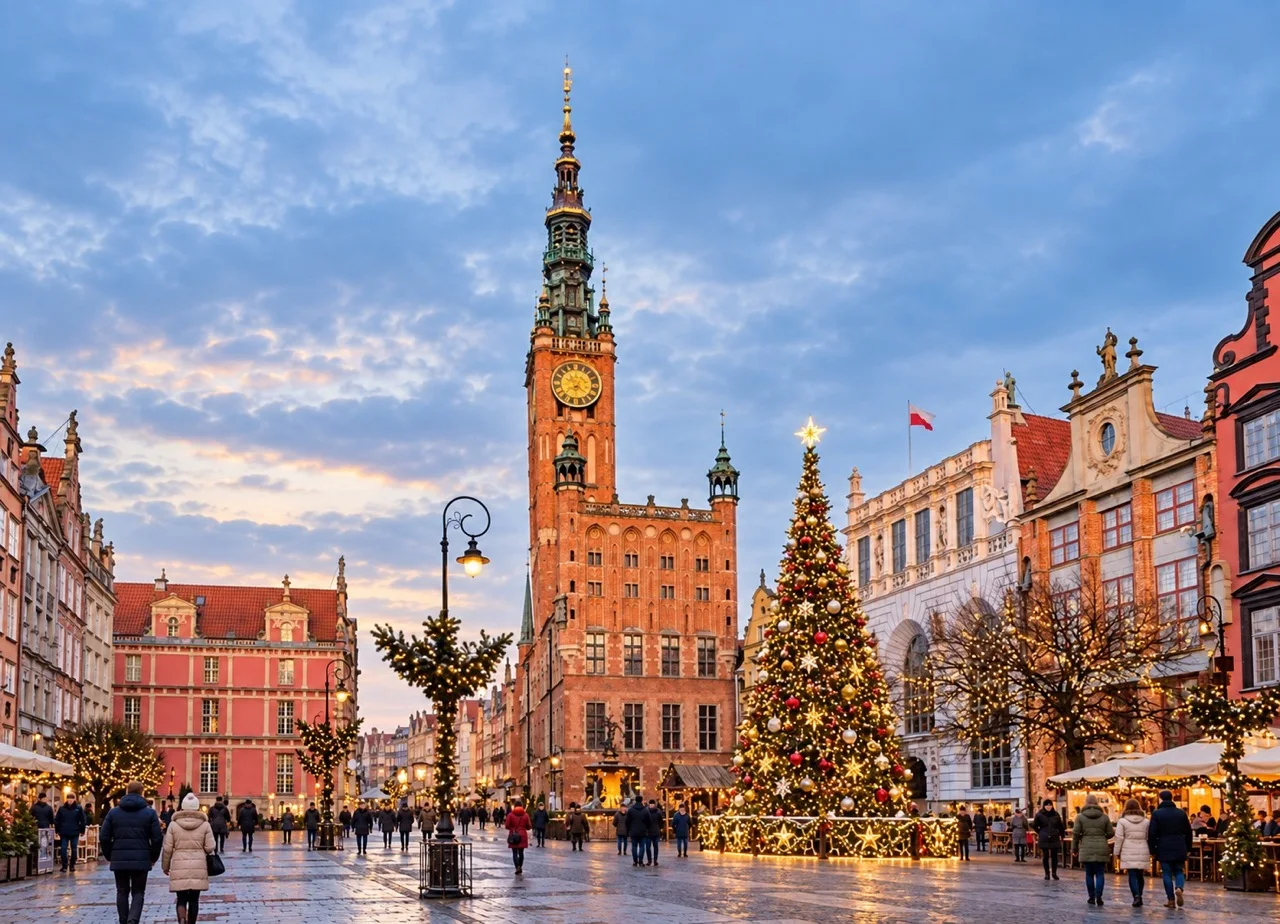
Gdańsk brings a maritime backdrop to its festive season. The market’s wooden stalls and lights sit among the colourful streets of the old town, while the Baltic air gives the whole visit a crisp, bracing feel.
Date: 20 November–23 December 2026.
What makes it special: A festive market with a strong local feel in a historic port city.
Where to stay: Hotel Podewils Gdańsk — a five-star Baroque mansion overlooking the Motława River.
What to see: The Long Market, St Mary’s Church, the Motława waterfront and the old port crane.
What to eat: Pierogi, bigos, smoked cheese, gingerbread and hot spiced beer.
More information: Gdańsk Christmas Market
19. York, England
York’s medieval lanes and city walls create a natural setting for a winter weekend. The market is a good place to find regional makers, but the city rewards visitors who keep exploring after they have left the stalls.
Date: 12 November–21 December 2026; the market is closed on Tuesdays.
What makes it special: More than 80% of the market’s traders are from Yorkshire, giving it a strong regional identity.
Where to stay: The Grand, York — a five-star hotel in the former headquarters of the North Eastern Railway.
What to see: York Minster, the Shambles, the city walls and the National Railway Museum.
What to eat: Yorkshire pudding, local cheeses, mince pies and a warming Sunday roast.
More information: York Christmas Market
20. Edinburgh, Scotland
Edinburgh’s winter season stretches beyond the market, with the castle, Old Town and Georgian New Town all taking on a different character after dark. Stay for Hogmanay if you want the city to carry the celebrations into the new year.
Date: The Christmas programme is expected to run from 20 November–23 December 2026; check the official programme for updates.
What makes it special: A dramatic cityscape, festive events and the possibility of pairing the market with Edinburgh’s famous New Year celebrations.
Where to stay: InterContinental Edinburgh The George — a five-star hotel set among Georgian townhouses on George Street.
What to see: Edinburgh Castle, the Royal Mile, the National Museum of Scotland and the New Town.
What to eat: Shortbread, mince pies, haggis and a dram of Scotch whisky.
More information: Edinburgh’s Christmas
21. Copenhagen, Denmark
Copenhagen’s Christmas mood is all about warm light, good design and the pleasure of being outdoors in the city. Tivoli Gardens is the centrepiece, but the city’s cafés, waterfront and independent neighbourhoods make it worth staying a few nights.
Date: Christmas in Tivoli runs from 13 November 2026–3 January 2027.
What makes it special: Tivoli’s illuminated gardens combine market stalls, rides and seasonal dining in one atmospheric setting.
Where to stay: Hotel d’Angleterre — a five-star superior hotel on Kongens Nytorv, with more than 270 years of history.
What to see: Tivoli Gardens after dark, Nyhavn, the canals and the neighbourhoods of Nørrebro and Vesterbro.
What to eat: Æbleskiver, risalamande, Danish Christmas sausages and gløgg.
More information: Christmas in Tivoli
22. Seville, Spain
Seville offers a different kind of winter escape: mild evenings, illuminated streets and the city’s elaborate nativity-scene traditions. Rather than expecting a Central European-style market, come for the festive atmosphere, the artisan stalls and the pleasure of walking through the old town in December.
Date: The full 2026 market programme is still to be confirmed.
What makes it special: The season centres on artisan markets, nativity scenes, neighbourhood celebrations and the Three Kings tradition.
Where to stay: Hotel Alfonso XIII — a five-star landmark commissioned for the 1929 Ibero-American Exhibition, with distinctive regional architecture.
What to see: The Real Alcázar, Seville Cathedral, Plaza de España and the streets of Santa Cruz.
What to eat: Churros with chocolate, turrón, mantecados and tapas in the old town.
More information: Christmas in Seville