
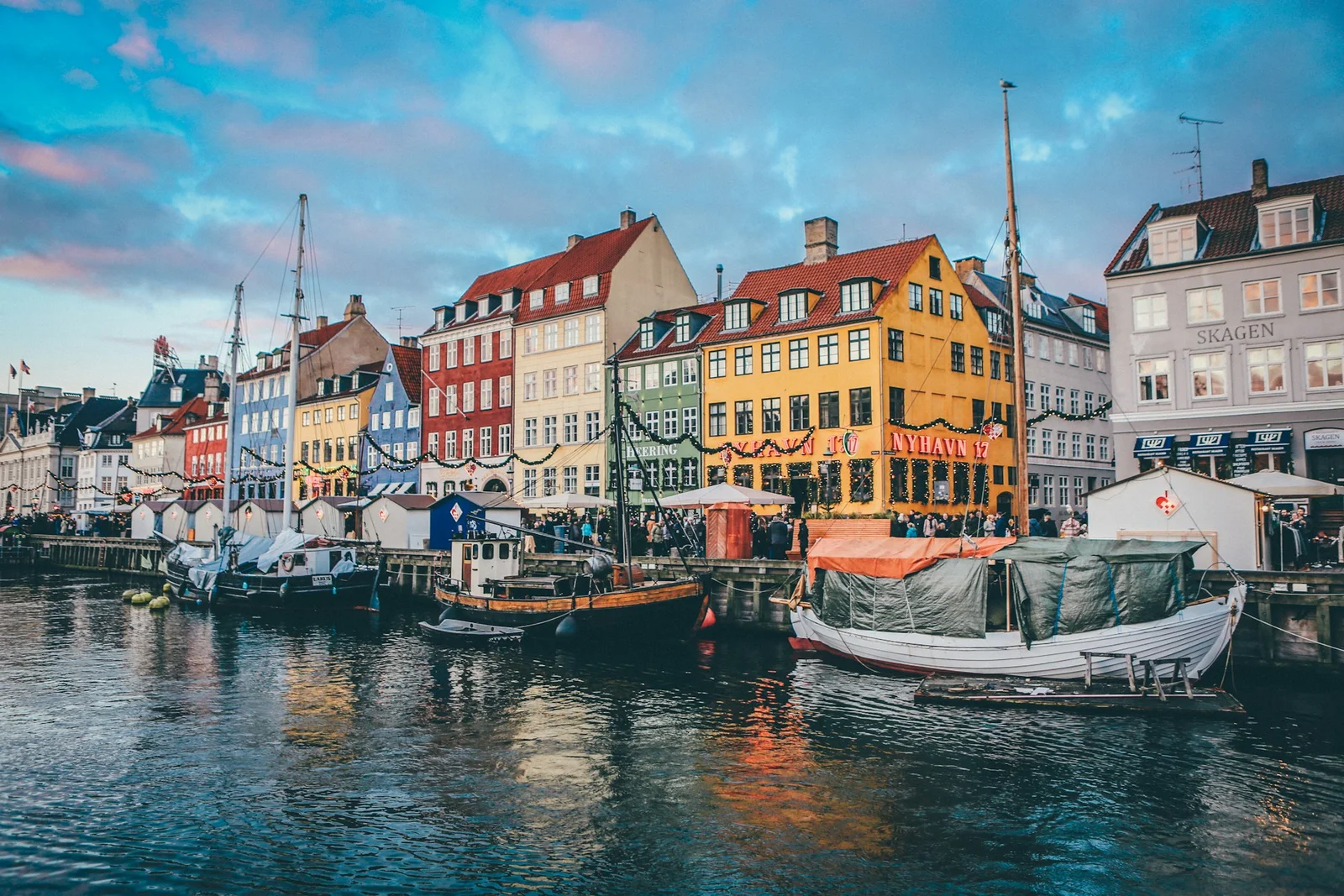
Denmark
Denmark is a compact Nordic country of islands, open coast, old market towns and carefully designed cities. Copenhagen brings museums, food halls and an excellent cycling culture, while Aarhus, Odense, Jutland’s beaches and the smaller islands offer a slower rhythm. It suits travelers who value good public transport, everyday walkability and thoughtful time outdoors.

5 LGBTQ+ destinations in Europe worth your time
Five European destinations with established LGBTQ+ communities, distinctive neighbourhoods and inclusive nightlife — from Madrid’s Chueca to Copenhagen’s Vesterbro.
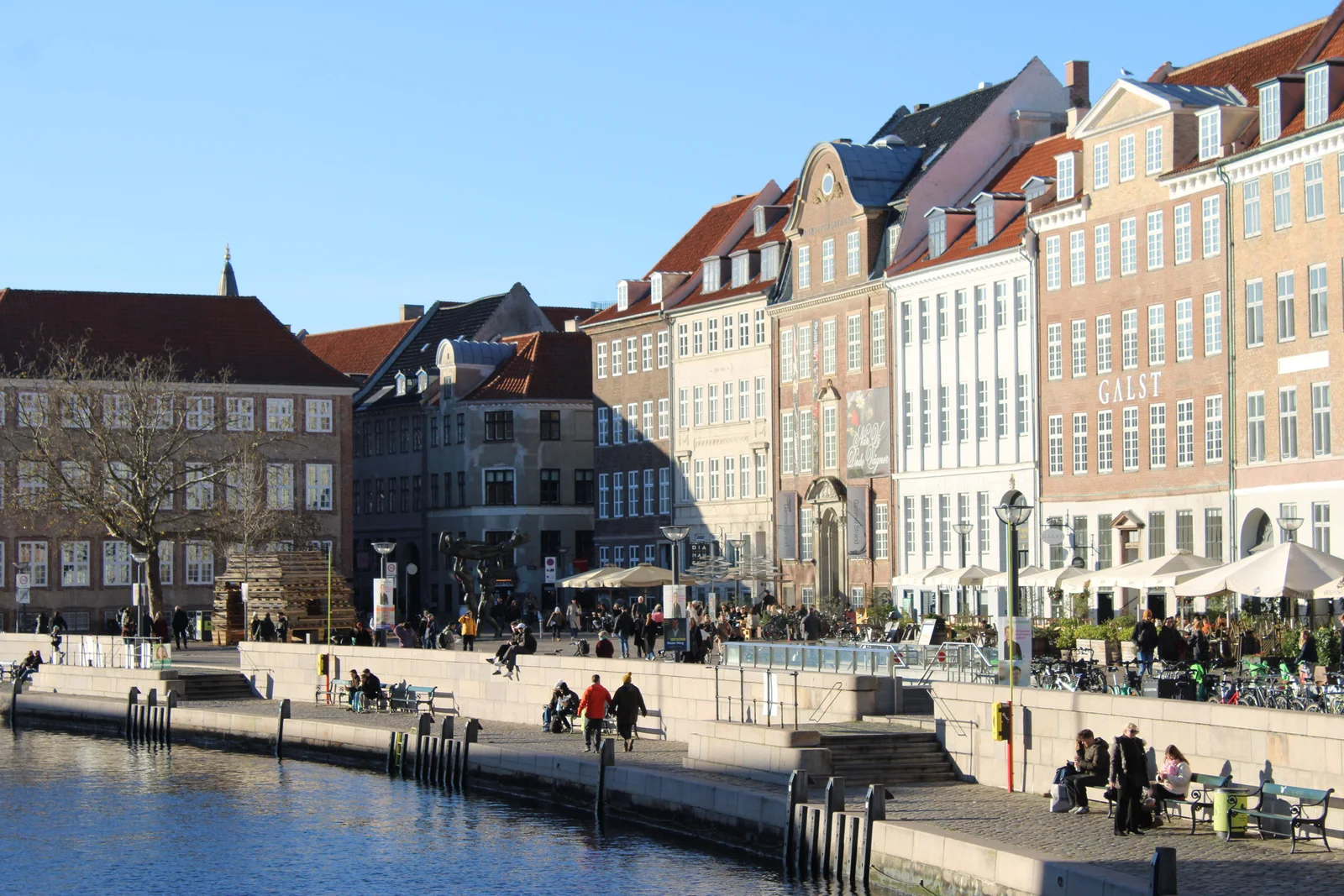
Read the story →Denmark rewards a slower, observant style of travel. Copenhagen is compact enough to explore on foot or by bicycle, with museums, design shops, public spaces and food markets often close together. Beyond the capital, Aarhus offers a strong cultural scene, Odense connects literary history with a walkable center, and Jutland opens into beaches, dunes and wide agricultural landscapes.
The country is easy to navigate without a car. Trains link the main cities, ferries connect islands and bicycles fill the gaps, although wind, rain and limited late-night services can shape rural plans. Reserve more time than a quick capital break if you want to reach places such as Skagen, the Wadden Sea or the southern islands.
Mindful travel here means noticing ordinary details: harbor swims, quiet cemeteries, communal bakeries and the changing light along the coast. Denmark is not uniformly cheap, and summer accommodation can fill quickly, but simple pleasures—walking, cycling, picnics and public transport—make it possible to experience the country without constantly chasing headline attractions.
One thoughtful way to experience Denmark.
Useful context, without the checklist overload.
Trains, buses, ferries, bicycles
Schengen rules apply
Optional; service included
Safe to drink
230V, 50Hz; Type K plugs
Useful phrases
Frequently asked questions.
Yes, especially accommodation, restaurant meals and alcohol. Public transport, supermarkets and self-catering can help keep the budget under control.