
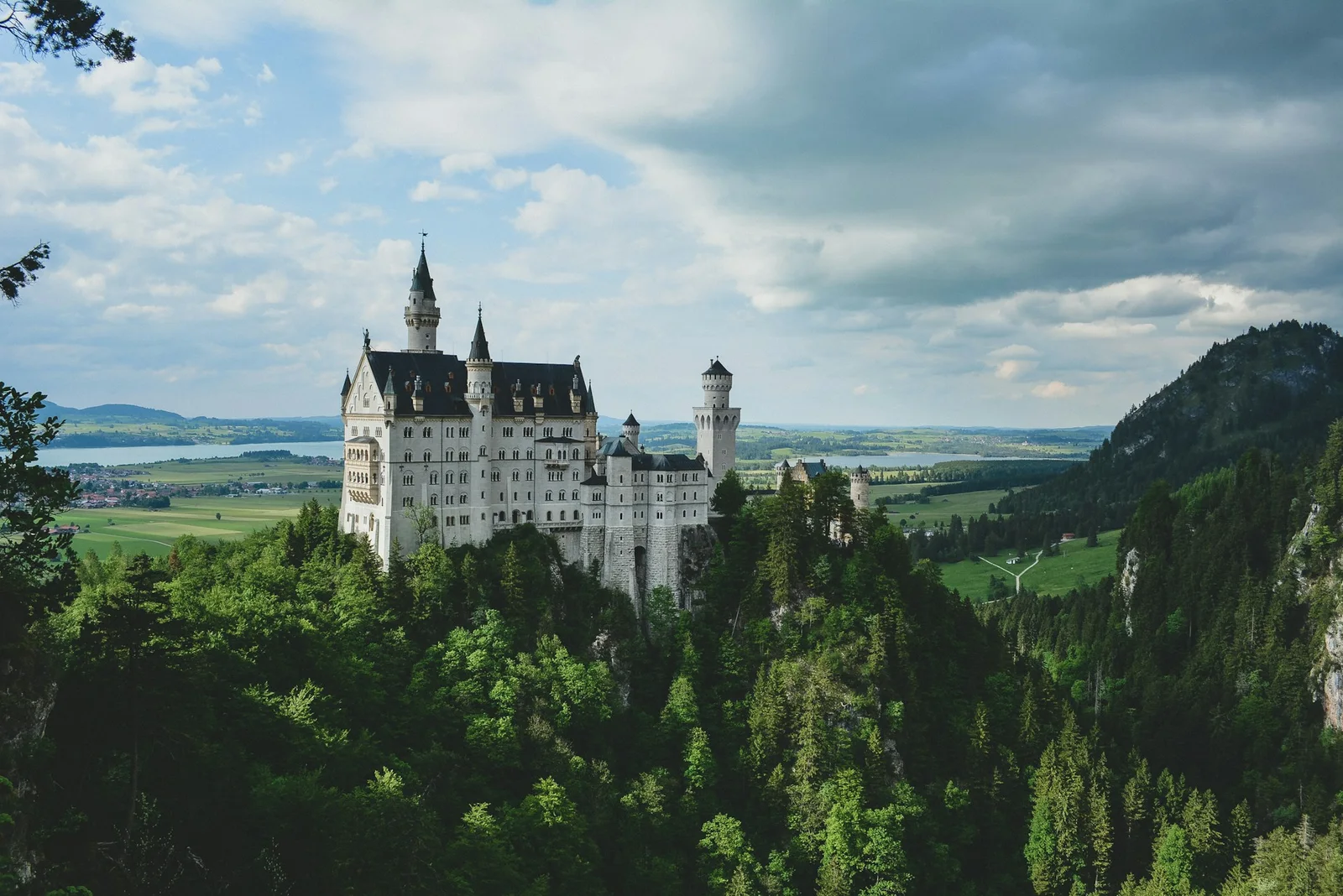
Germany
Germany rewards travelers who enjoy variety without rushing: major museums and music scenes, medieval towns, river valleys, North Sea coastlines, and long-distance trails all fit within one country. Its cities feel distinct, while an extensive rail network makes it practical to combine urban stays with forests, lakes, vineyards, or mountain landscapes.
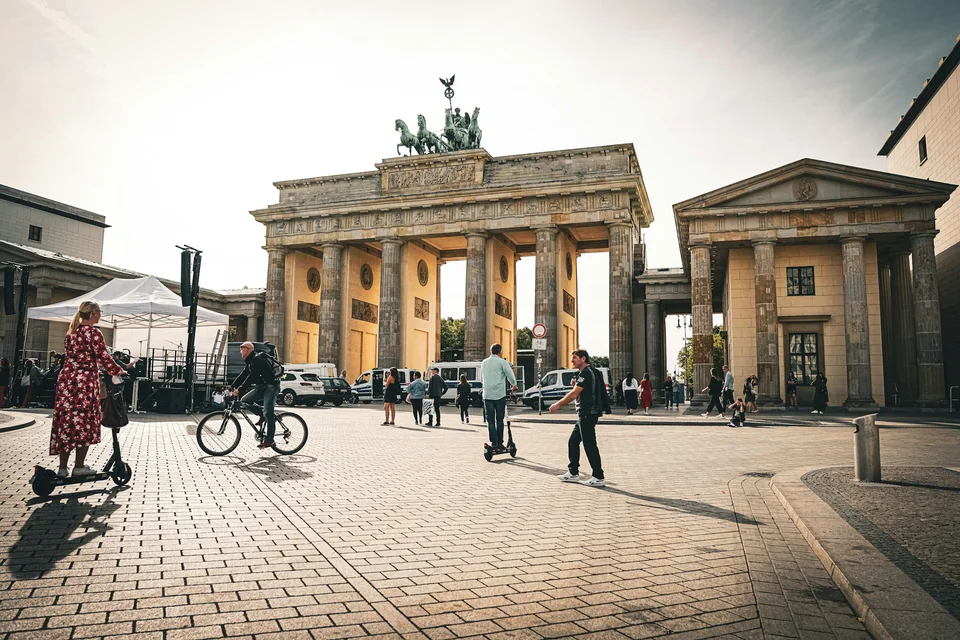
The best things to do in Berlin: 22 worthwhile experiences
Berlin is a city for choosing well: spend time with its history, museums, neighbourhoods, food markets, parks and uncompromising nightlife rather than trying to see everything.
Read the story →Germany is less a single travel mood than a collection of regions with clear personalities. Berlin is direct, experimental, and historically layered; Munich feels polished and prosperous; Hamburg is maritime and outward-looking. Smaller cities such as Leipzig, Freiburg, Heidelberg, and Lübeck offer concentrated culture without the scale of the largest urban centers.
The landscape changes steadily as you travel: Baltic and North Sea shores give way to lake districts, agricultural plains, wooded central uplands, and the Alps in the south. River routes along the Rhine and Moselle combine scenery with villages, vineyards, and castles, while national parks and long-distance trails make slower travel easy to build into an itinerary.
Food is regional rather than uniform, from northern fish and rye bread to Swabian noodles, Bavarian dumplings, Rhineland specialties, and a serious coffee-and-cake tradition. Plan around shorter Sunday opening hours, allow buffer time for train delays, and book popular museums, concerts, and alpine accommodation ahead.
Useful context, without the checklist overload.
Use rail between cities and local transit within them. ICE trains are fastest; regional trains reach smaller towns and nature areas.
Visa rules depend on nationality. U.
Round up or leave 5–10% for good service; tipping is customary, not mandatory.
Safe to drink nationwide. Let stagnant water run briefly in older buildings.
Type F, 230V, 50Hz. Standard European round-pin plugs are used.
Useful phrases
More stories from Germany.
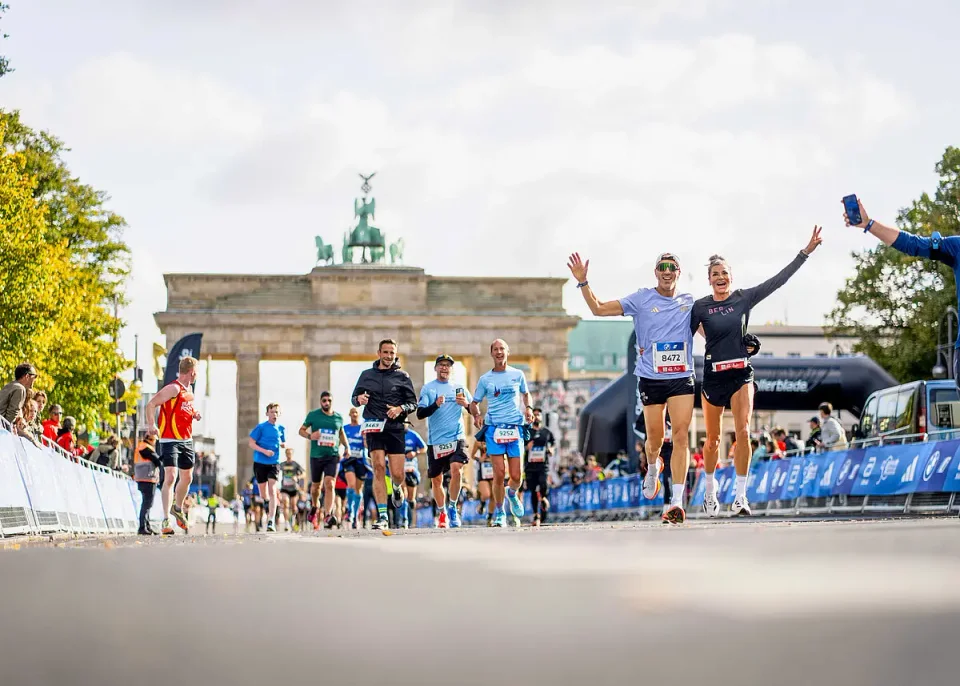
Berlin Marathon weekend: a city guide beyond the race route
9 min read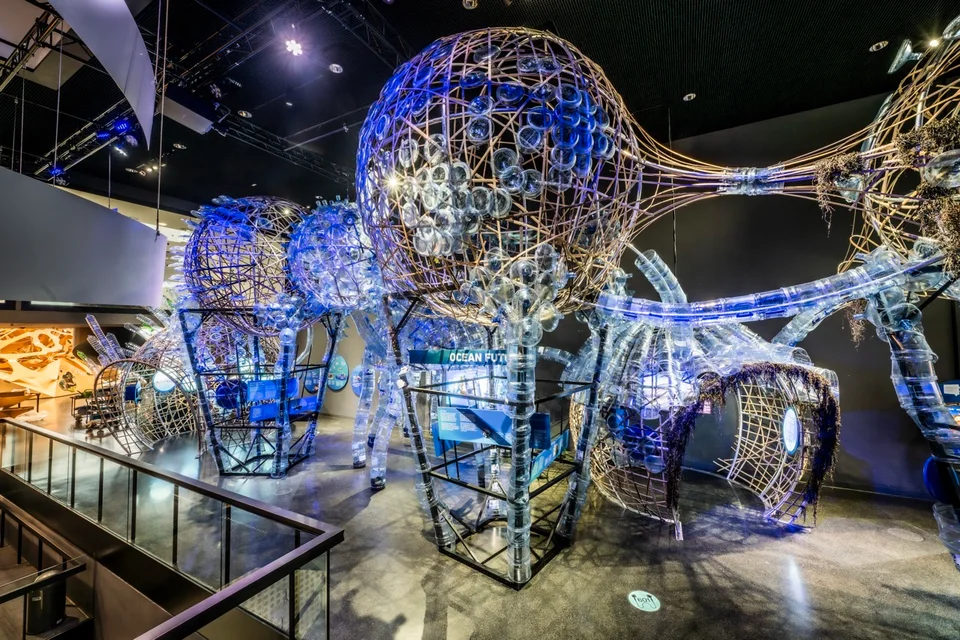
Berlin’s Futurium: A Hands-On Museum for Rethinking the Future
10 min read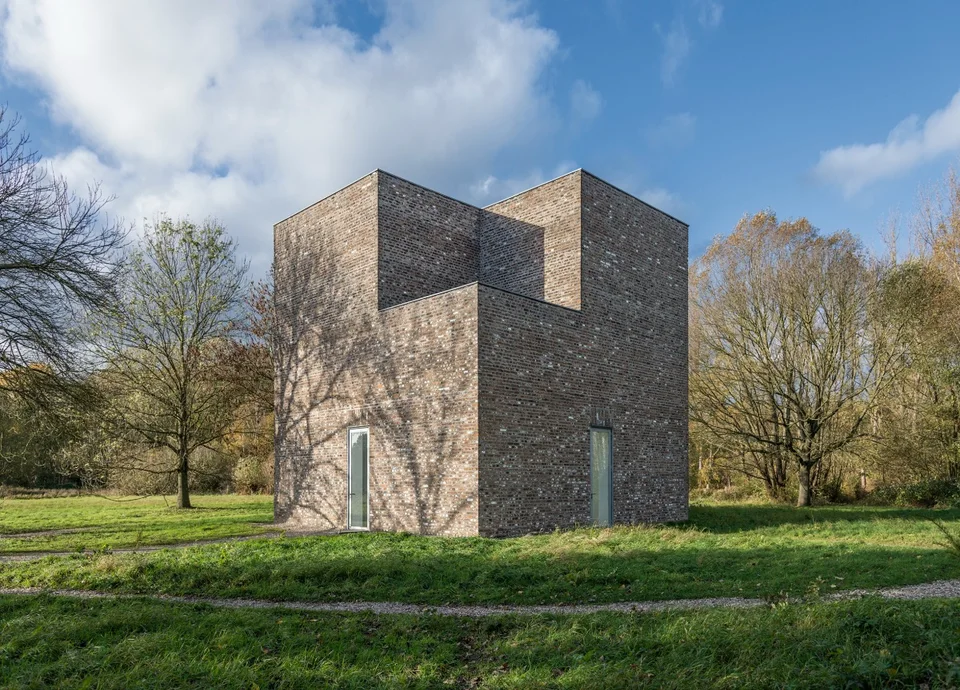
Museum Insel Hombroich Near Düsseldorf: Art, Landscape and Slow Wandering
11 min read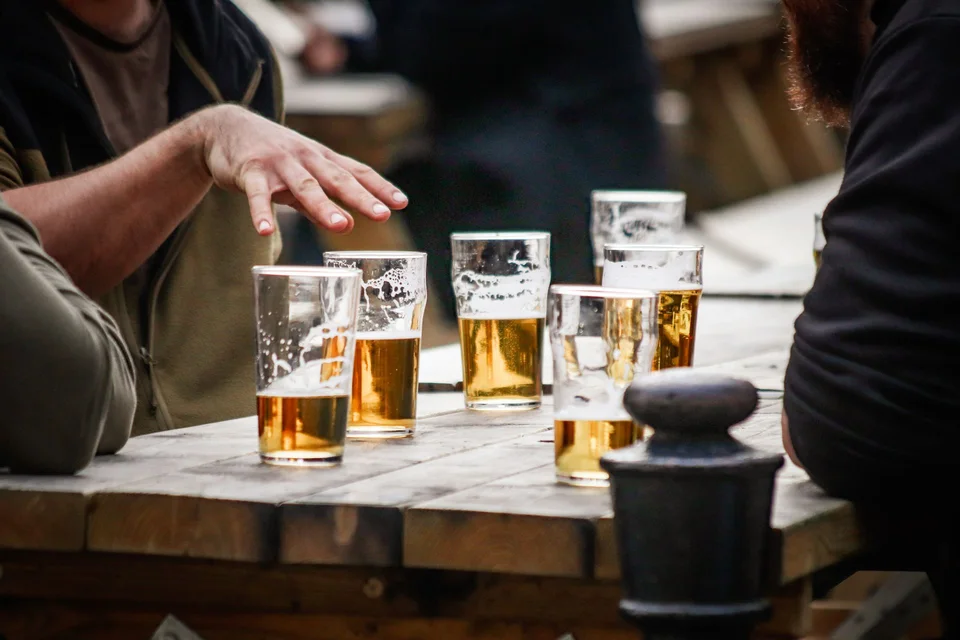
Europe’s strangest beer traditions: raspberry beer, smoked lager and forgotten styles
7 min read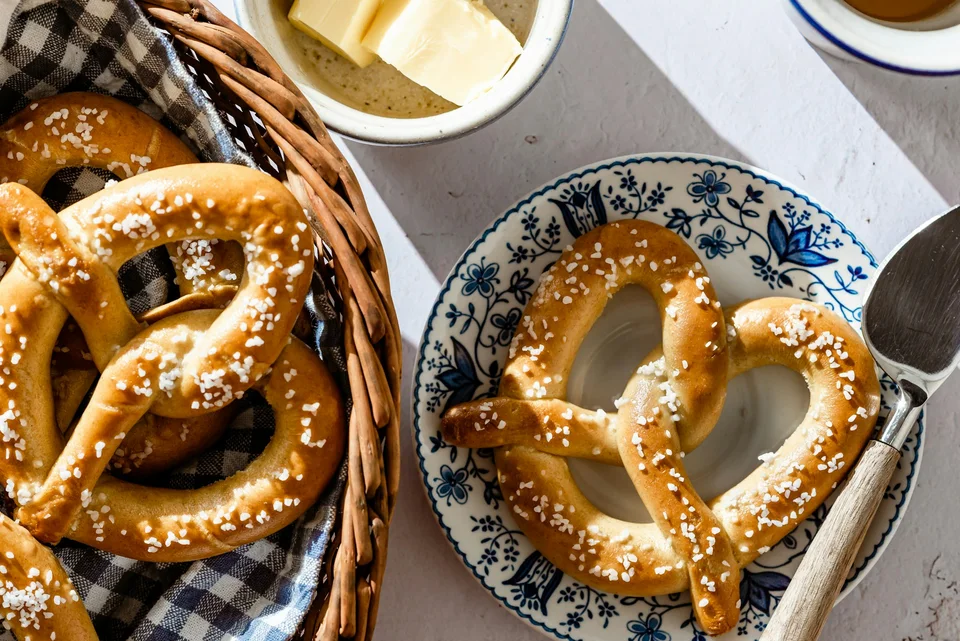
The Bavarian Pretzel: Its History and Its Place at Oktoberfest
3 min read
10 European Destinations to Visit in Spring
10 min read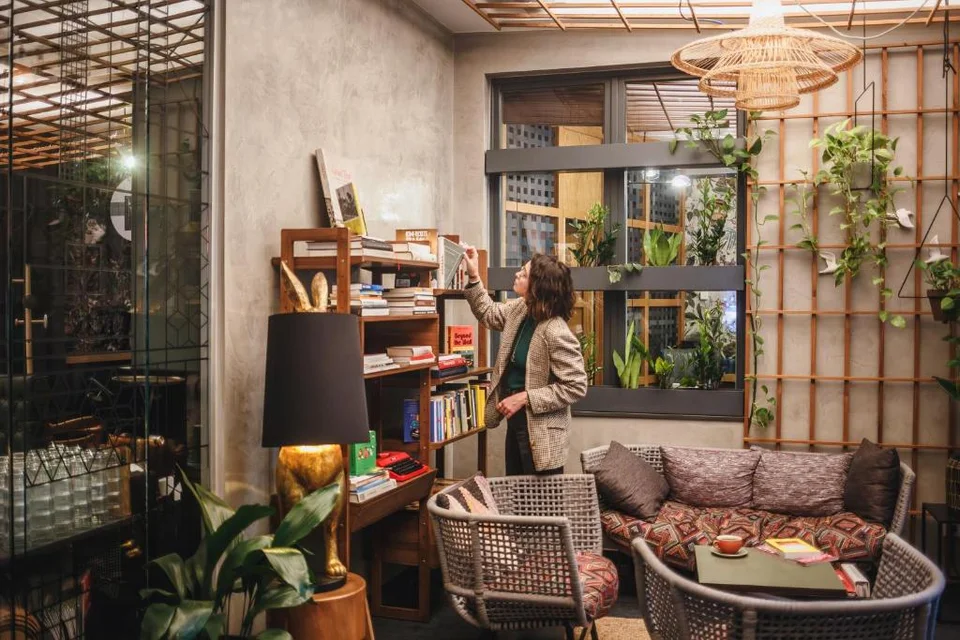
Sustainable Hotels in Berlin: Where to Stay Responsibly
3 min read
Berlin Street Food: Where to Eat a great street meal
4 min readFrequently asked questions.
May to September usually offers the most reliable conditions for city breaks, hiking, and outdoor travel. December is worthwhile for Christmas markets, but it is colder and daylight is limited.