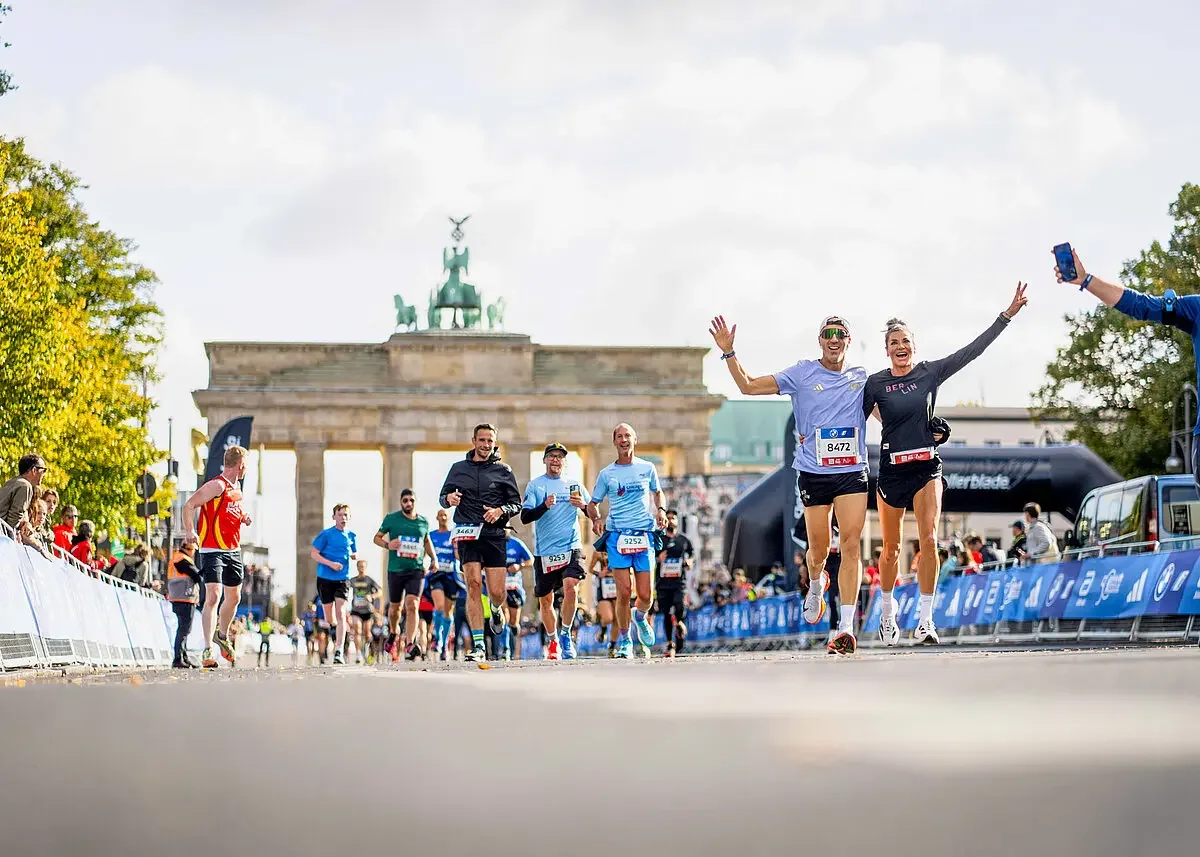
The Berlin Marathon covers 42.195 kilometres, but the weekend extends well beyond the course. It is a chance to see Berlin reshaped by runners, supporters and road closures while still making time for parks, residential streets, independent cafés and the city’s layered architecture.
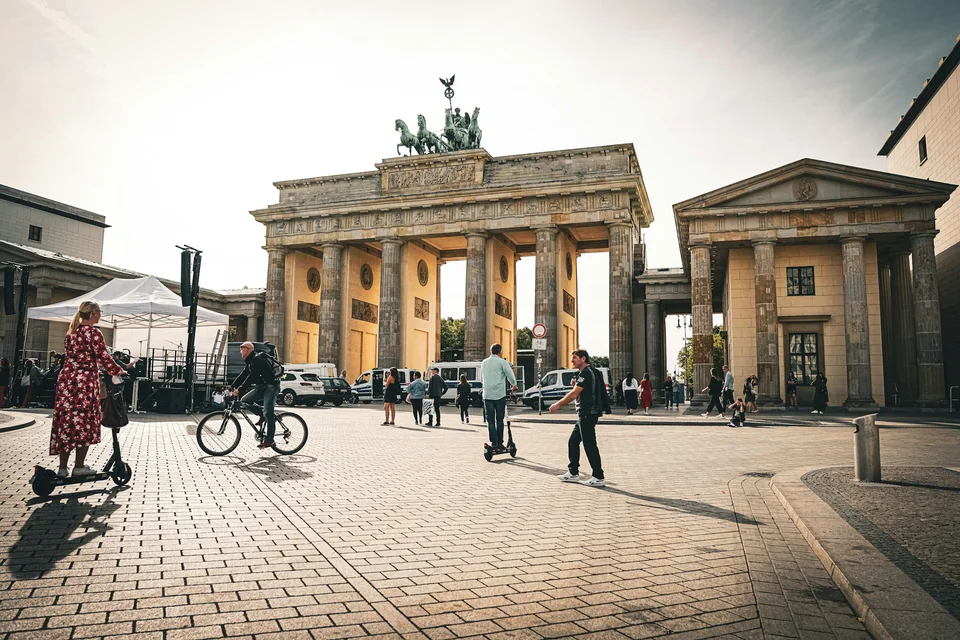
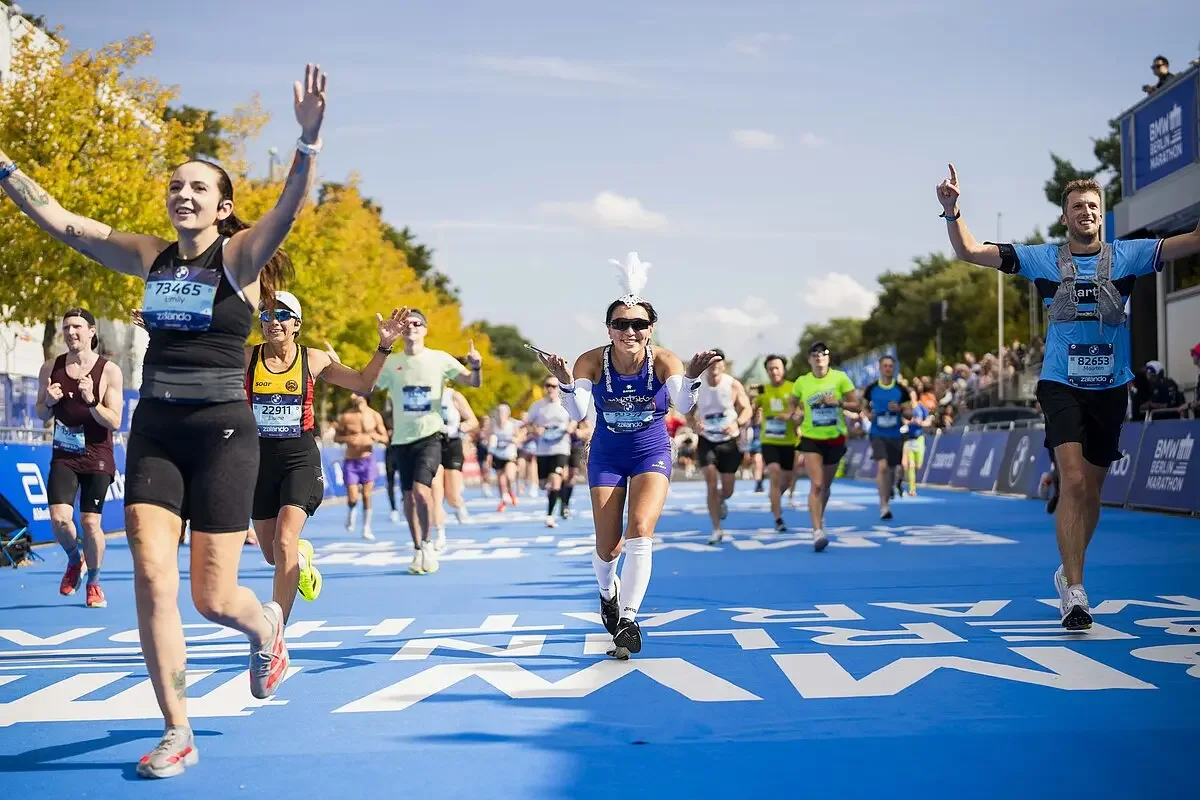
The 2026 BMW BERLIN-MARATHON is scheduled for Sunday, 27 September, with the start and finish area on Straße des 17. Juni between the Brandenburg Gate and the Kleiner Stern. The programme traditionally includes inline skating, the mini-marathon and the Bambini run on Saturday, followed on Sunday by wheelchair racers, handcyclists and runners. Check the organiser’s final information for start waves, supporting events, road closures and public-transport changes before travelling.
Start with the city, then plan the race
A marathon weekend can quickly turn into a series of logistical problems: collecting a race number, finding a viewing point, crossing the city and trying to reach another one. A better plan is to choose one or two race-related moments and leave the rest of the weekend open.
For a first visit, three broad areas are especially useful. Mitte and Tiergarten provide the grand, central Berlin of the Brandenburg Gate, the Reichstag and broad green spaces. Charlottenburg and Wilmersdorf feel more residential, with leafy squares, elegant streets and long-established cafés. Kreuzberg, Neukölln and Friedrichshain offer a livelier mix of independent culture, migration, riverside walks and neighbourhood life. The marathon passes through several of these worlds, but you will understand the city better by spending time away from the finish line.
Friday: settle into Berlin’s rhythm
Friday is a good day to avoid a checklist. If you are staying near the centre, walk through Tiergarten before the weekend becomes busier. The park is more than a backdrop to the opening kilometres: its winding paths, mature trees and open spaces offer an easy introduction to the city.
From the Brandenburg Gate, walk towards the Victory Column if you would like to understand the landscape around the start of the race. The route gives you a sense of Berlin’s scale without requiring a full sightseeing programme.
On the western side of the city, Ludwigkirchplatz offers a quieter neighbourhood setting, with cafés and space to pause. Prenzlauer Berg is another good choice for an unhurried morning. Around Kollwitzplatz and Oderberger Straße, converted courtyards, independent shops and residential architecture make the area worth exploring at walking pace. Choose one café and leave the rest of the day unplanned.
Saturday belongs to the wider marathon
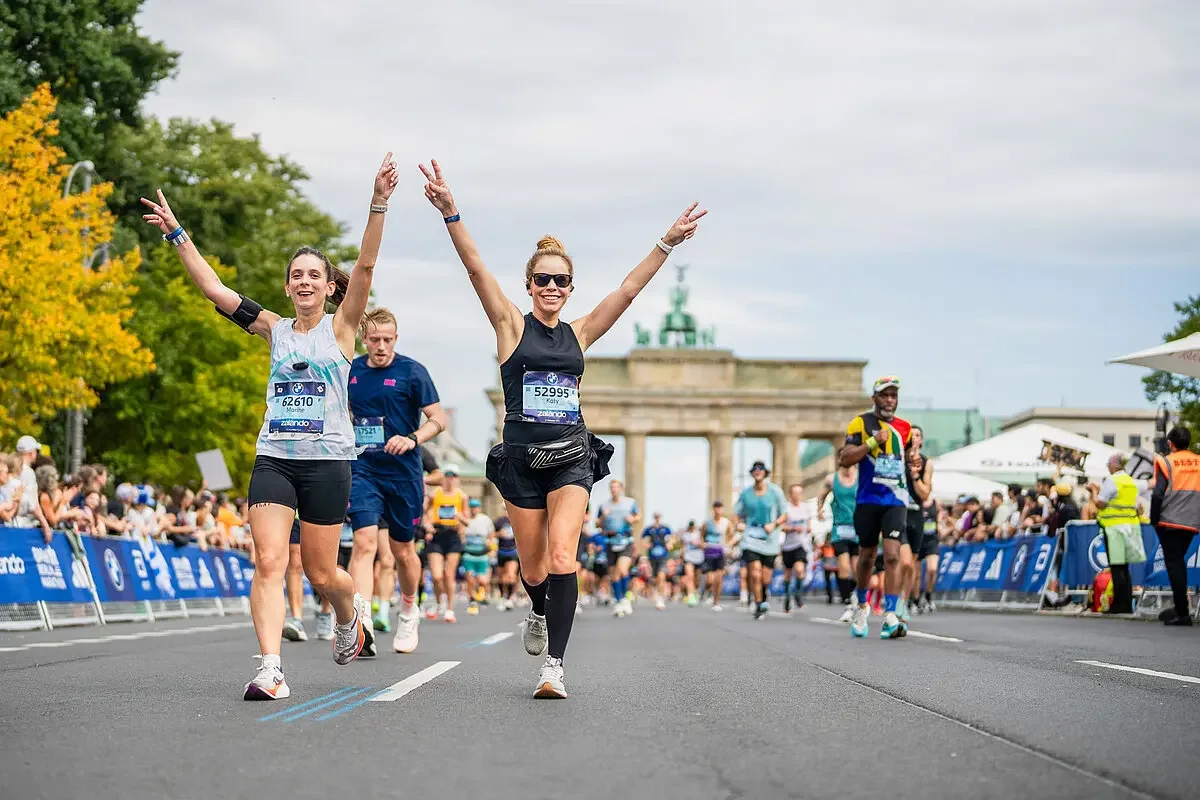
The day before the main race has its own atmosphere. Inline skaters traditionally use the course on Saturday afternoon, while the mini-marathon and Bambini run bring younger participants into the event. These are good options if you want to experience the marathon as a community occasion without spending Sunday moving between the largest crowds.
The Marathon Expo has traditionally been held at Tempelhof Airport in the days before the race. The former airport’s huge apron and terminal buildings make it an interesting destination in its own right, but allow time for queues and walking. Public transport is likely to be more practical than driving during marathon week; confirm the current arrangements before setting out.
Tempelhofer Feld is also worth visiting separately if your schedule allows. The former runways create an unusually open landscape with wide views and little visual clutter. It can feel exposed in unsettled weather, so it is best approached as a short, flexible visit rather than a fixed all-day plan.
How to spectate well
Choose one or two viewing points and learn the route between them before race morning. Trying to follow a particular runner at every stage usually creates more stress than it is worth, especially when barriers, closures and crowd movement are involved.
- Victory Column: a dramatic central setting near the opening section, though likely to be busy.
- Reichstag and Federal Chancellery: a monumental Mitte backdrop and an early view of the race.
- Wilder Eber: a less central, more neighbourhood-scale option in the southwest.
- Olivaer Platz and the Memorial Church: useful for seeing the race move through Charlottenburg and Wilmersdorf.
- Potsdamer Platz and Unter den Linden: late-race locations where fatigue becomes more visible.
- Brandenburg Gate: the symbolic finish, but also one of the most crowded and demanding places to watch.
Stand back from the course, keep pavements and entrances clear, and follow volunteer instructions. Do not step into the road for photographs or assume that every runner wants physical contact. If you are supporting someone specific, agree on a meeting point away from the barriers; mobile reception and crowd movement can be unpredictable.
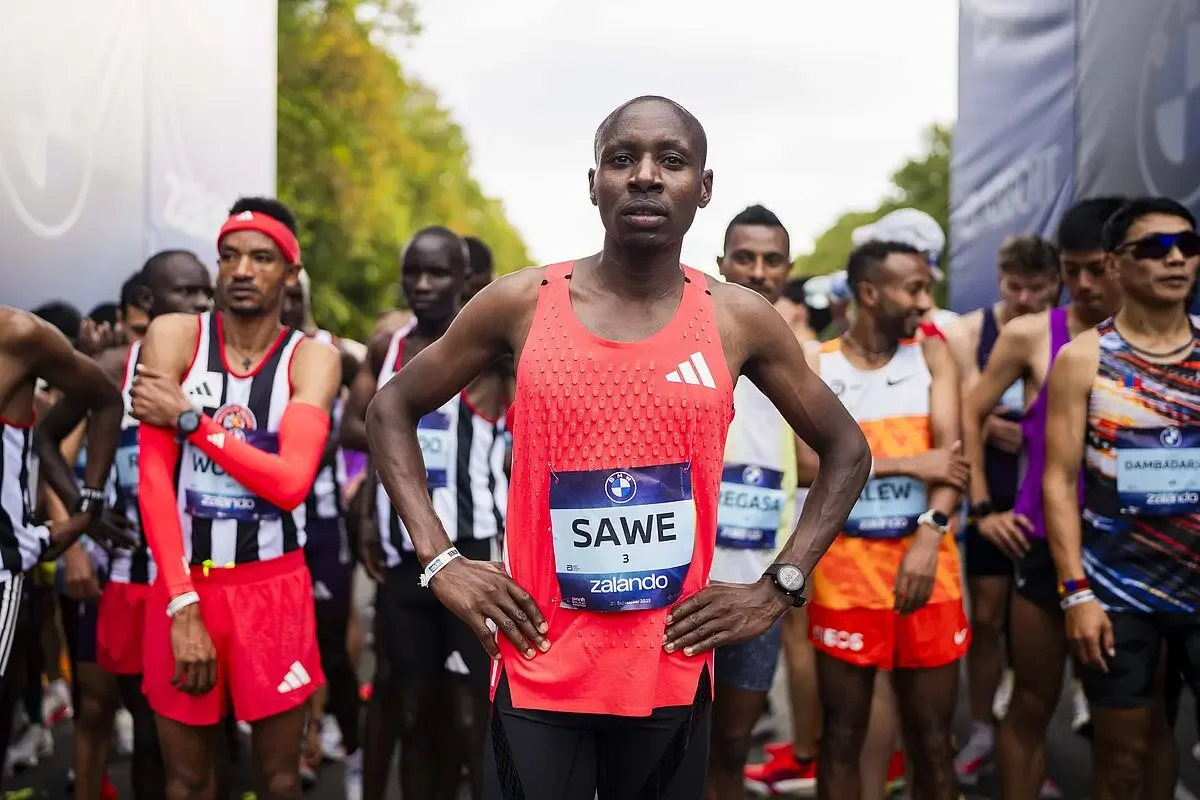
The marathon takes place in a working city. Residents, businesses, emergency services and visitors all have to navigate the same closures. Keep doorways clear, use bins, expect detours and avoid turning residential entrances into viewing platforms.
Read the route as a sequence of neighbourhoods
A useful way to understand the course is to see it as a line through several different Berlins. Around Tiergarten and Mitte, the setting is ceremonial, with government buildings, museums and broad avenues. Further west, the streets become more domestic, with apartment blocks, corner shops, trees and café terraces. In the southwest, the course reaches a quieter and greener part of the city before returning towards the centre.
This is why the Brandenburg Gate should not be the only focus of the weekend. It is an important finish, but it is also the busiest point. The route becomes more interesting when used as a thread through the city rather than as the whole itinerary.
Recovery walks for runners and tired companions
After the finish, keep the plan simple. Tiergarten offers paths close to the finish area, although some sections may be affected by event infrastructure. If your legs allow a longer walk, follow the Spree between the government quarter and Moabit for a gentler change of pace.
For visitors staying in Mitte, a short route through Monbijoupark and along the Spree keeps the afternoon close to the centre without adding much logistical effort. It is a good place to sit with a coffee, watch the river and let the day become quieter.
Tempelhofer Feld is better saved for another day. The paths are long and level, but the wind and lack of shade can be tiring after the race. A gentler alternative is the Luisenstädtischer Kanal, where planted paths and neighbourhood streets connect parts of Kreuzberg.
Runners should be cautious about overplanning the day after the marathon. A short walk, a comfortable meal and time off your feet may be more useful than another museum or a long cross-city excursion.
Cafés with a sense of place
Near the Spree in Moabit, Buchkantine combines coffee, cake and books in a neighbourhood setting, making it a natural stop after a riverside walk. In Kreuzberg, Café am Engelbecken sits beside the water and suits a longer breakfast or a restorative pause, subject to current opening hours and availability.
Prenzlauer Berg is the easiest choice for visitors who want cafés to shape the itinerary. Around Kollwitzplatz and Oderberger Straße, you will find a wide range of breakfast rooms and coffee shops. Choose somewhere that fits your route instead of crossing the city for one particular drink, and check weekend opening hours before setting out.
For a quieter west Berlin atmosphere, look towards Wilmersdorf’s squares and side streets. Cafés around Ludwigkirchplatz offer outdoor seating when the weather permits, while Charlottenburg has a more traditional café-and-bakery character than the younger coffee culture found elsewhere.
- Choose a café near a planned walk.
- Expect popular places near the course to be busy or operating altered hours.
- Carry water and do not assume every café can accommodate large groups after the race.
- Be patient with local staff during an unusually busy weekend.
- Check accessibility, seating and opening times directly before travelling.
Food, rest and the practical shape of the weekend
Book accommodation with the route and public transport in mind. The closest address to the finish is not necessarily the most convenient option; a hotel several stops away may offer a quieter night and easier access to a neighbourhood you actually want to explore.
Runners should prioritise familiar food, hydration and recovery over culinary ambition on race day. For everyone else, a local bakery breakfast or an early dinner may be more sensible than trying to fit in another destination restaurant.
Road closures and transport changes are central to the event. Central streets, Tiergarten and parts of the western and southern route may be closed for extended periods on Sunday. Underground and suburban rail services may be more practical than taxis or private cars, but station access and service patterns can change. Check the organiser’s navigation guidance and Berlin’s transport authority close to the date.
A considerate guide to a high-impact event
The Berlin Marathon brings international attention and considerable activity to the city. Keep your own footprint modest where possible: walk or use public transport, refill a bottle and support independent cafés and restaurants outside the most concentrated event zones. If a street is closed, follow the diversion rather than improvising through private or restricted areas.
The same applies to photography. The race offers strong images, but the people in them are not scenery. Ask before photographing identifiable spectators or café customers, take care around children and avoid obstructing runners for the sake of a shot.
A suggested four-day rhythm
- Thursday or Friday: arrive, settle in and take a short walk through your neighbourhood or Tiergarten. Keep the evening calm.
- Saturday morning: visit the Marathon Expo or explore Tempelhofer Feld, then choose a café and stay local. Watch the skating or junior events if they fit your plans.
- Sunday morning: use public transport, choose one or two spectator points and allow generous walking time. Keep meeting arrangements away from the barriers.
- Sunday afternoon: meet the runner, eat something uncomplicated and take a short recovery walk instead of attempting a full sightseeing programme.
- Monday: explore a quieter district, a museum or a riverside route at an unhurried pace, checking opening times before travelling.