
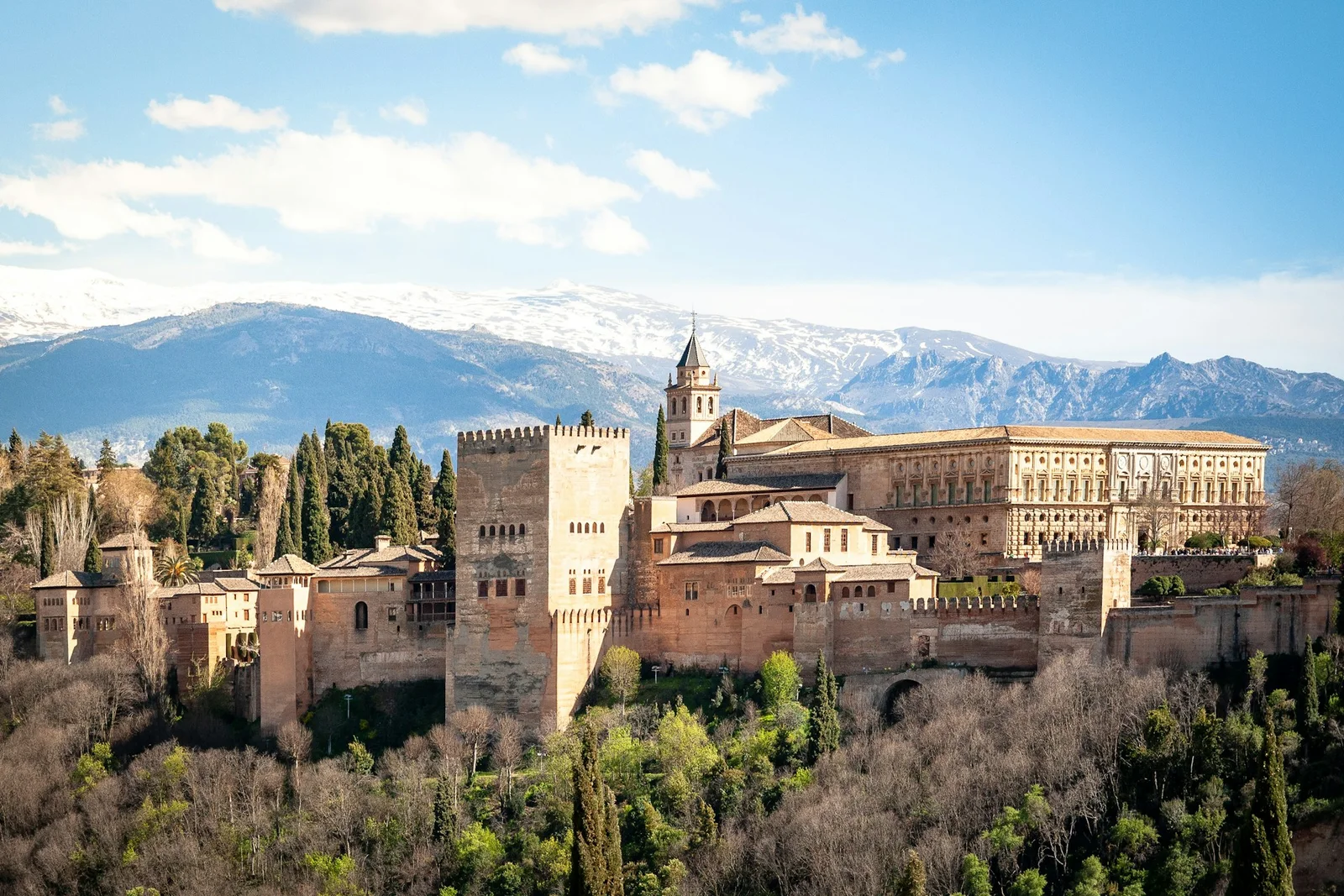
Spain
Spain is best understood region by region: Mediterranean cities, Atlantic landscapes, high plateaus and island cultures all feel distinct. Plan around one or two areas rather than rushing across the country. Trains connect major cities efficiently, while local buses, ferries and a rental car become more useful in rural areas and on islands.
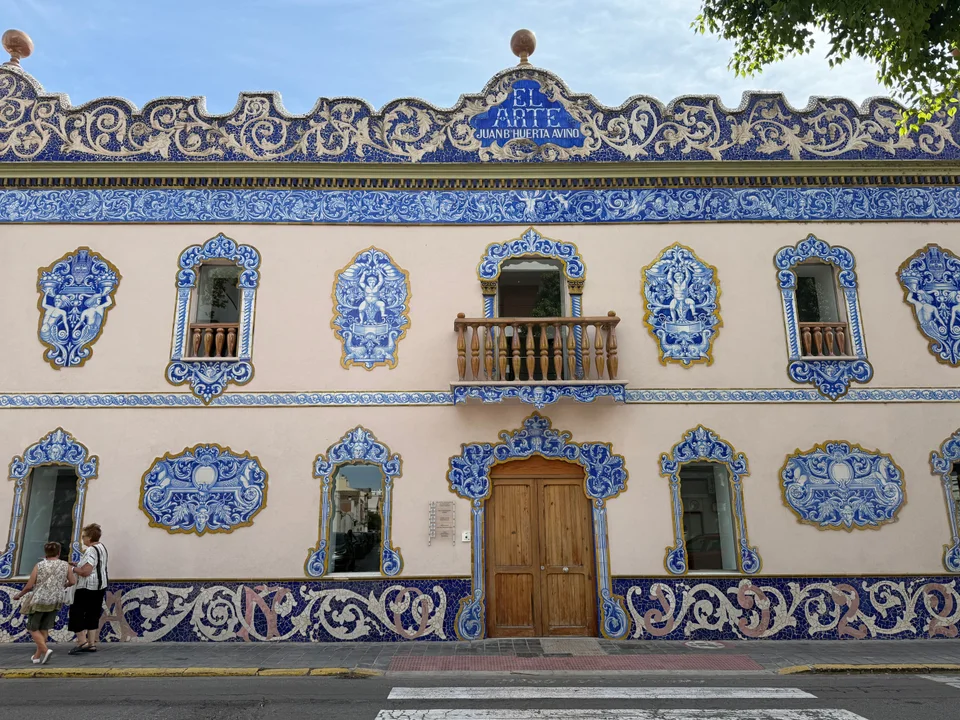
Manises ceramics: a workshop-led day near Valencia
A short trip from Valencia, Manises combines its ceramics museum with historic workshops, tiled façades and studio experiences in a town where the craft remains part of everyday life.
Read the story →Spain is not one uniform destination. Madrid works well for museums, neighbourhood walks and late urban energy; Barcelona combines architecture, sea air and dense city life. Northern Spain is greener and cooler, while Andalusia brings white villages, Moorish heritage and intense summer heat. The islands deserve their own pace.
Spanish cities are often easiest on foot, especially inside historic centres. Leave room for a market breakfast, a long lunch or a quiet square rather than filling every hour with sights. Meal times run later than many visitors expect, and smaller restaurants may close between services.
High-speed rail is the sensible choice between major cities, but regional trains and buses reveal a slower, less polished side of the country. A car helps in mountain villages, rural wine areas and parts of the islands; it is usually unnecessary in central Madrid or Barcelona.
Crowded landmarks and transport hubs call for ordinary precautions against pickpocketing. In coastal and historic areas, choose locally run accommodation, respect residential streets and avoid treating overtouristed neighbourhoods as scenery. Spring and autumn generally offer a more comfortable balance
Start with a city.
Useful context, without the checklist overload.
Trains, buses, metro, ferries
Schengen rules vary by nationality
Optional; 5–10% appreciated
Generally safe to drink
220V, European round-pin plugs
Useful phrases
More stories from Spain.

Sobrassada in Mallorca: how to taste, choose and understand the island’s signature sausage
7 min read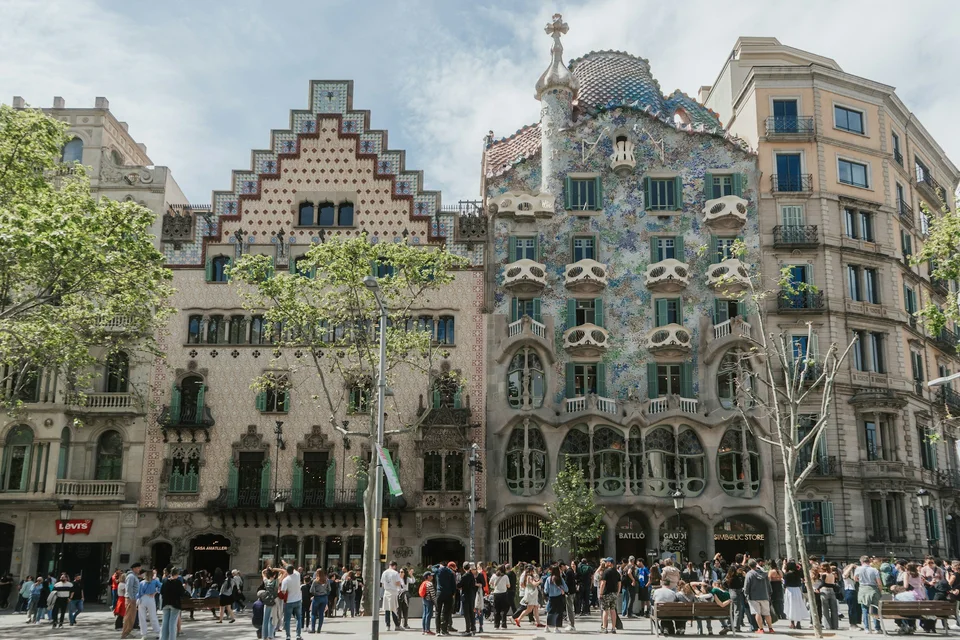
Casa Batlló after Gaudí: how to read Barcelona’s most playful façade
10 min read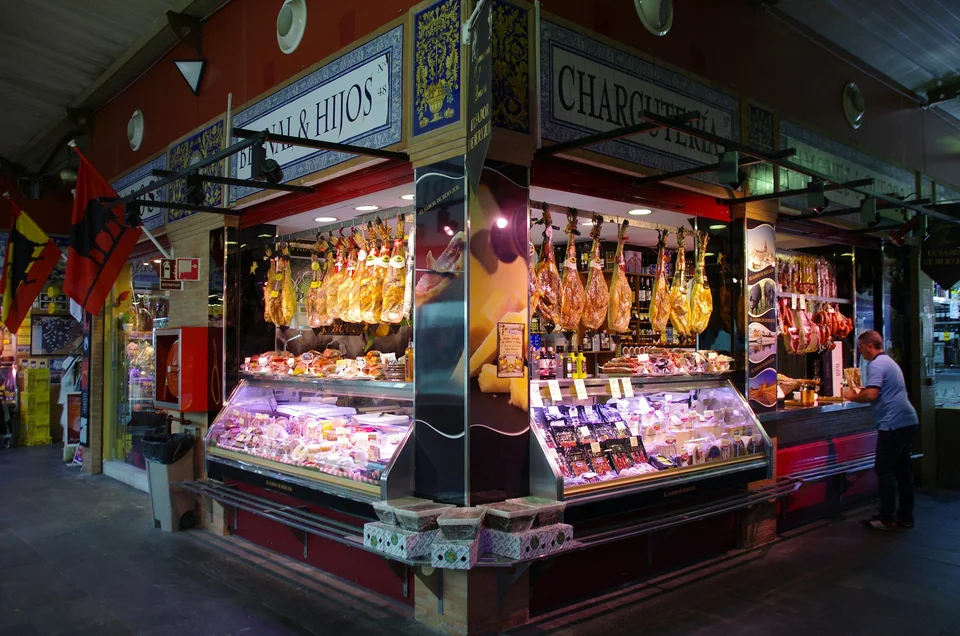
A morning at Mercado de Triana: Seville’s riverside food traditions
11 min read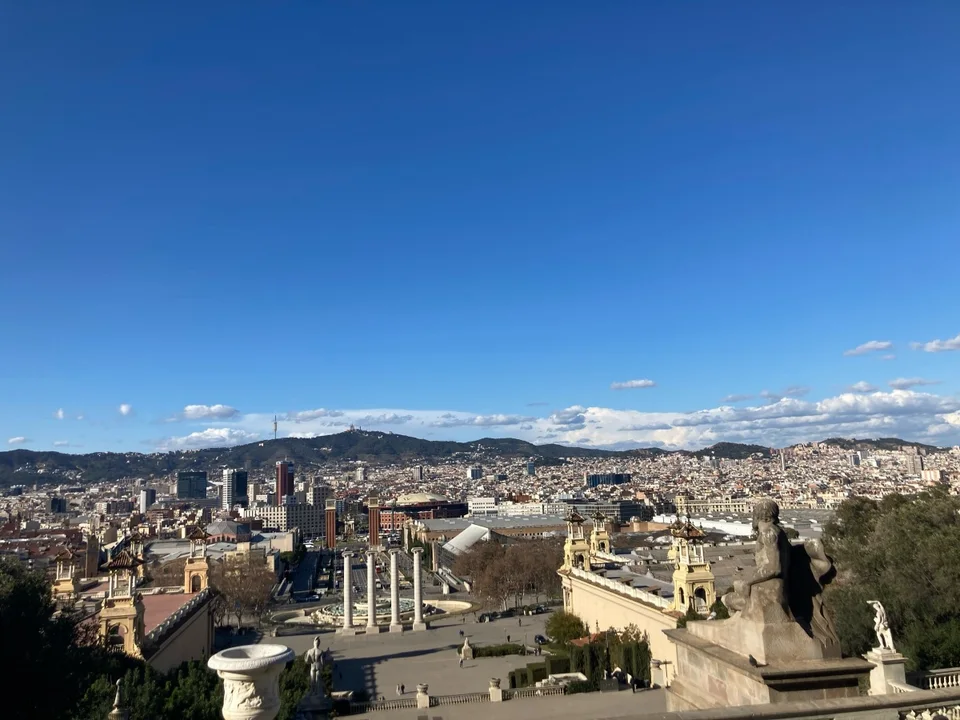
Montjuïc, Barcelona: Cable Cars, Castle, Gardens and Museums
4 min read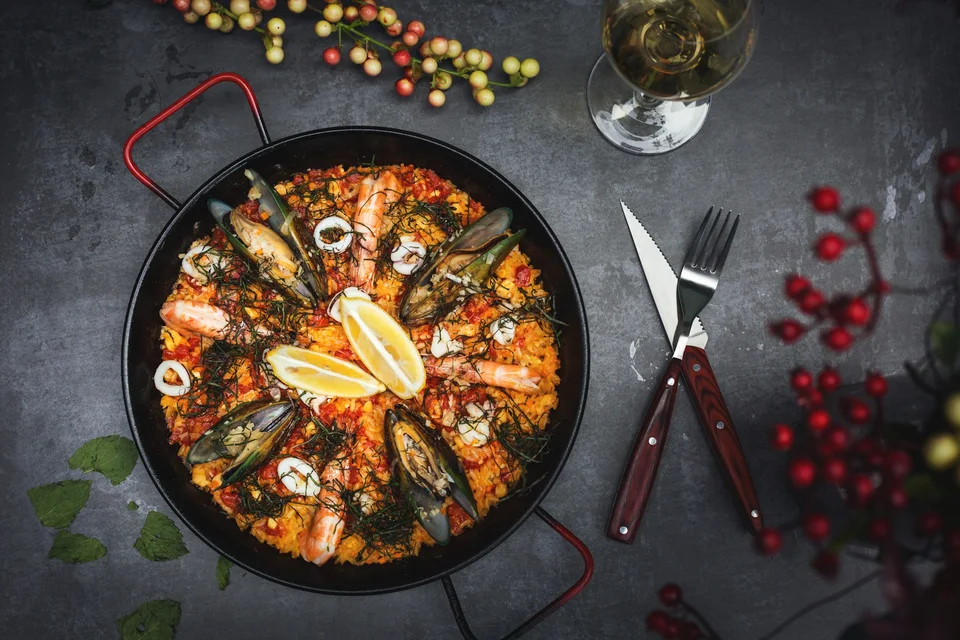
The History of Paella: From Valencia to the World
3 min read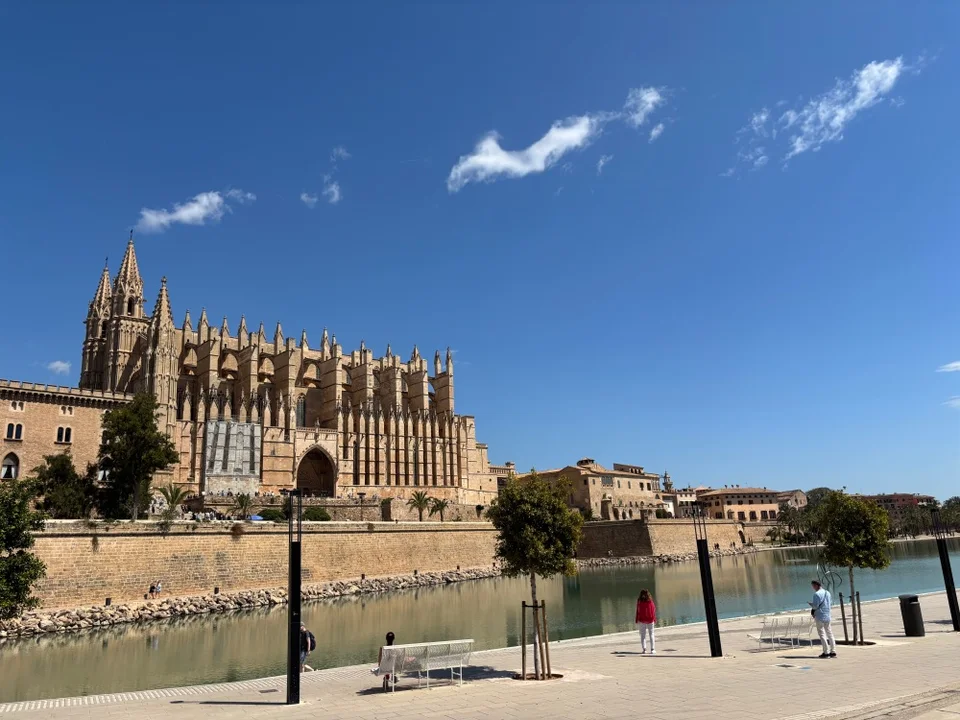
Palma Cathedral (La Seu): Gothic Architecture and Sacred Art by the Sea
3 min read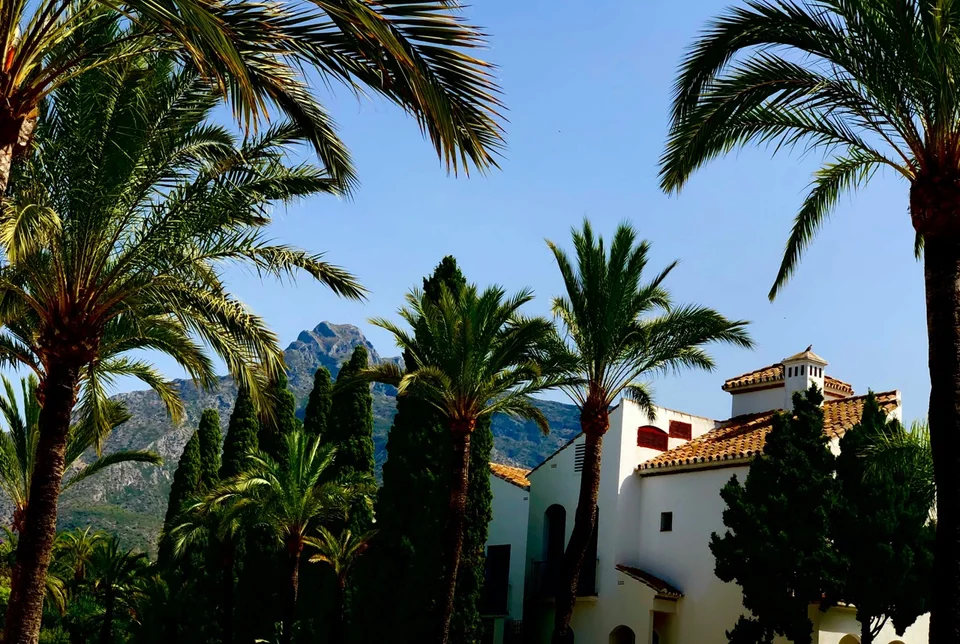
Things to Do in Marbella: Beaches, Old Town and Nightlife
6 min read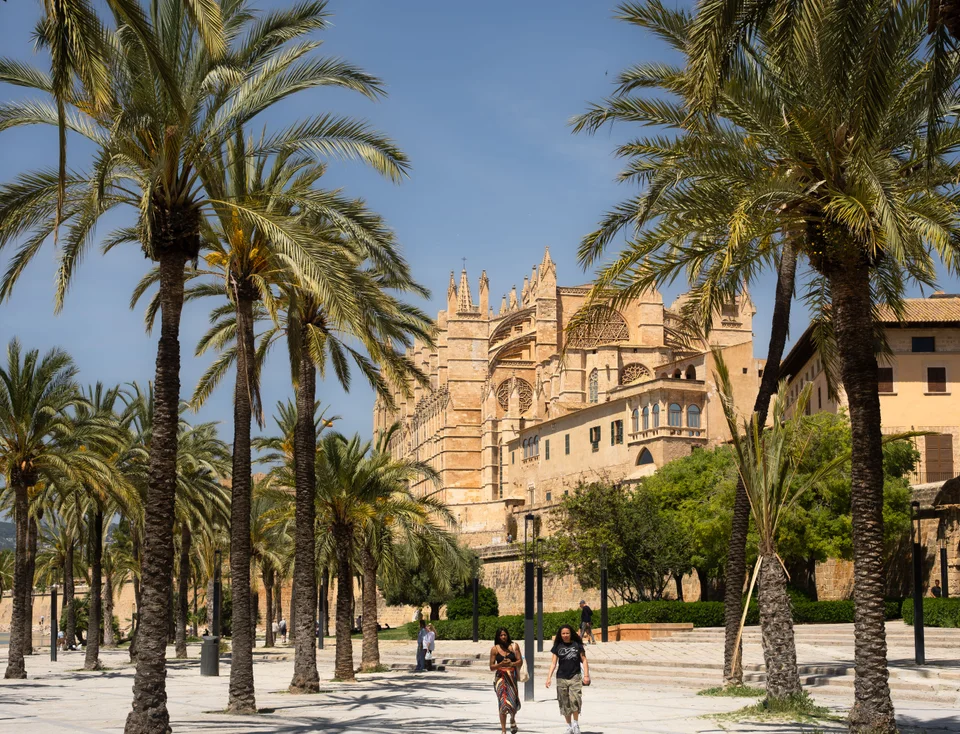
A considered weekend in Palma de Mallorca
7 min read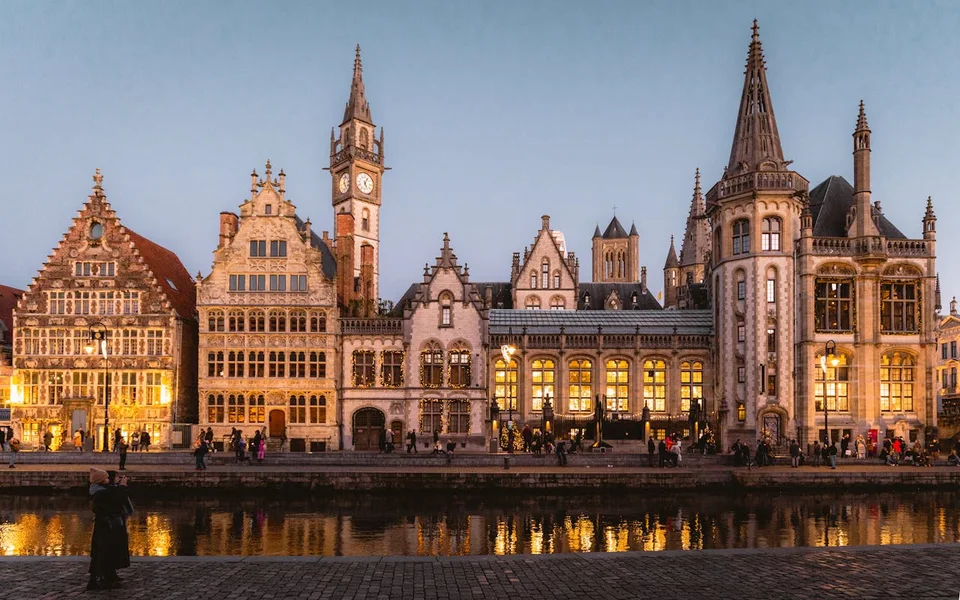
10 European Destinations to Visit in Spring
10 min read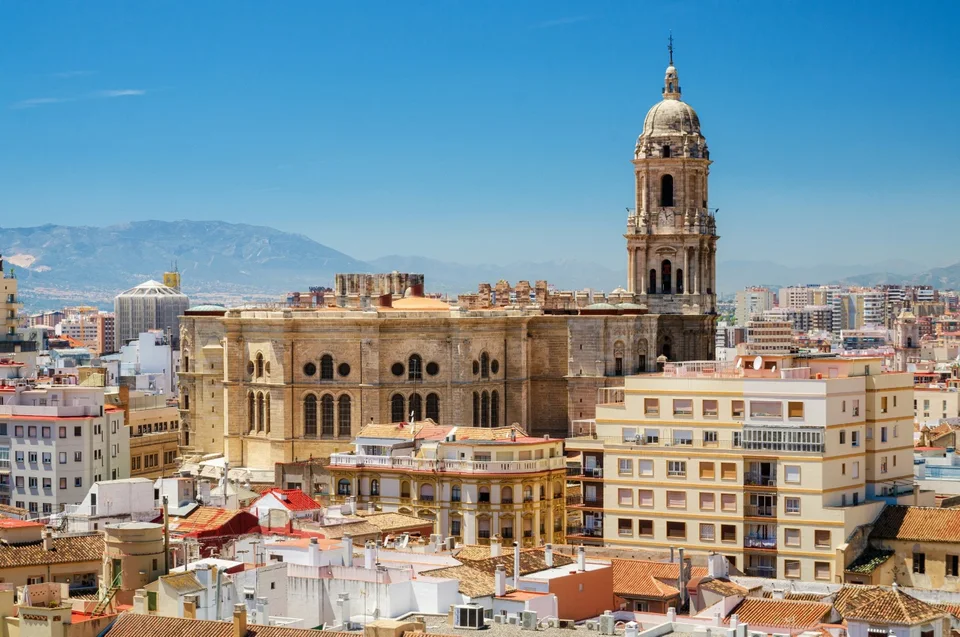
Málaga guide: history, beaches and the city’s food scene
7 min read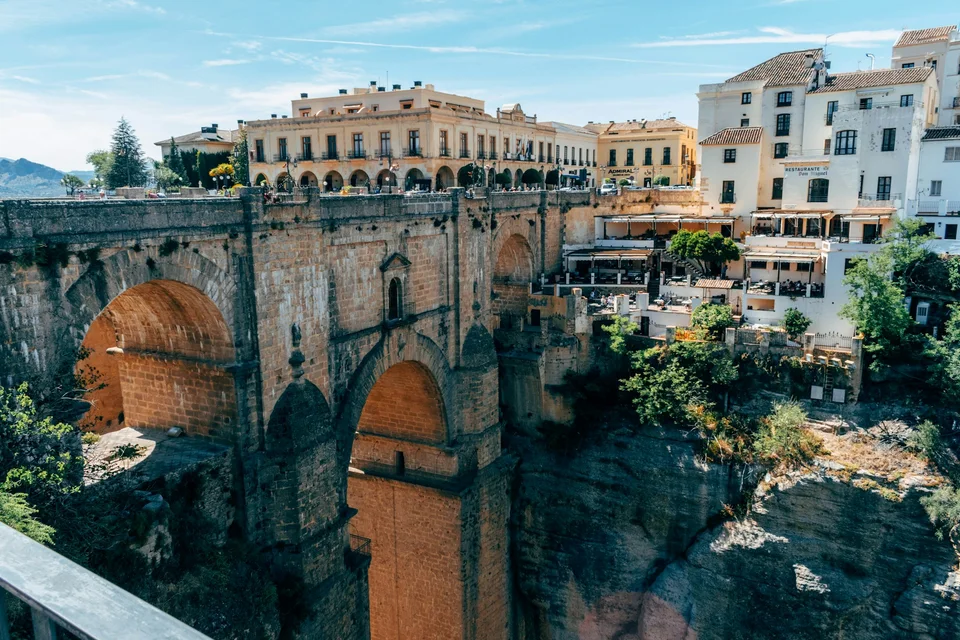
Ronda, Spain: a guide to Andalusia’s cliffside town
3 min read
Trending destinations for 2025, according to Booking.com
6 min read
Europe’s Best Beaches: 6 Coastal Destinations for Summer
4 min read
5 LGBTQ+ destinations in Europe worth your time
4 min readFrequently asked questions.
Spring and autumn usually offer milder weather and fewer crowds. Summer suits beaches and mountain areas, but inland cities can be very hot.