Palma is easy to underestimate when the island is better known for its beaches and resort towns. Yet the historic centre offers enough architecture, food and everyday life for a rewarding weekend. The waterfront and nearby beaches also give you somewhere to slow down when the city feels busy.
For a short stay, we would focus on the old town, La Seu Cathedral, the Arab baths and Mercat de l’Olivar. Leave room for one well-chosen meal and a little unplanned wandering. You do not need to cover the whole island to get a clear sense of Palma.
Palma feels like a working city as well as a holiday destination. Its population is large enough to give the centre some everyday energy beyond the visitor season, and its compact historic core makes the main sights manageable on foot. The island’s resort areas are a different proposition; for a first weekend, there is little reason to spend precious time travelling between them.
A city shaped by several histories
Palma’s history runs from its Roman foundations through Moorish rule and the Christian conquest. Those layers are most visible in the old town, where Gothic buildings, former Islamic sites, stone courtyards and later civic architecture sit close together.
The city also has a strong connection with German visitors. German-language menus, signs and services appear in parts of the tourist economy, although the centre itself feels more varied than the island’s resort districts. It is a useful reminder that Palma and Mallorca are not quite the same experience.
Start with La Seu
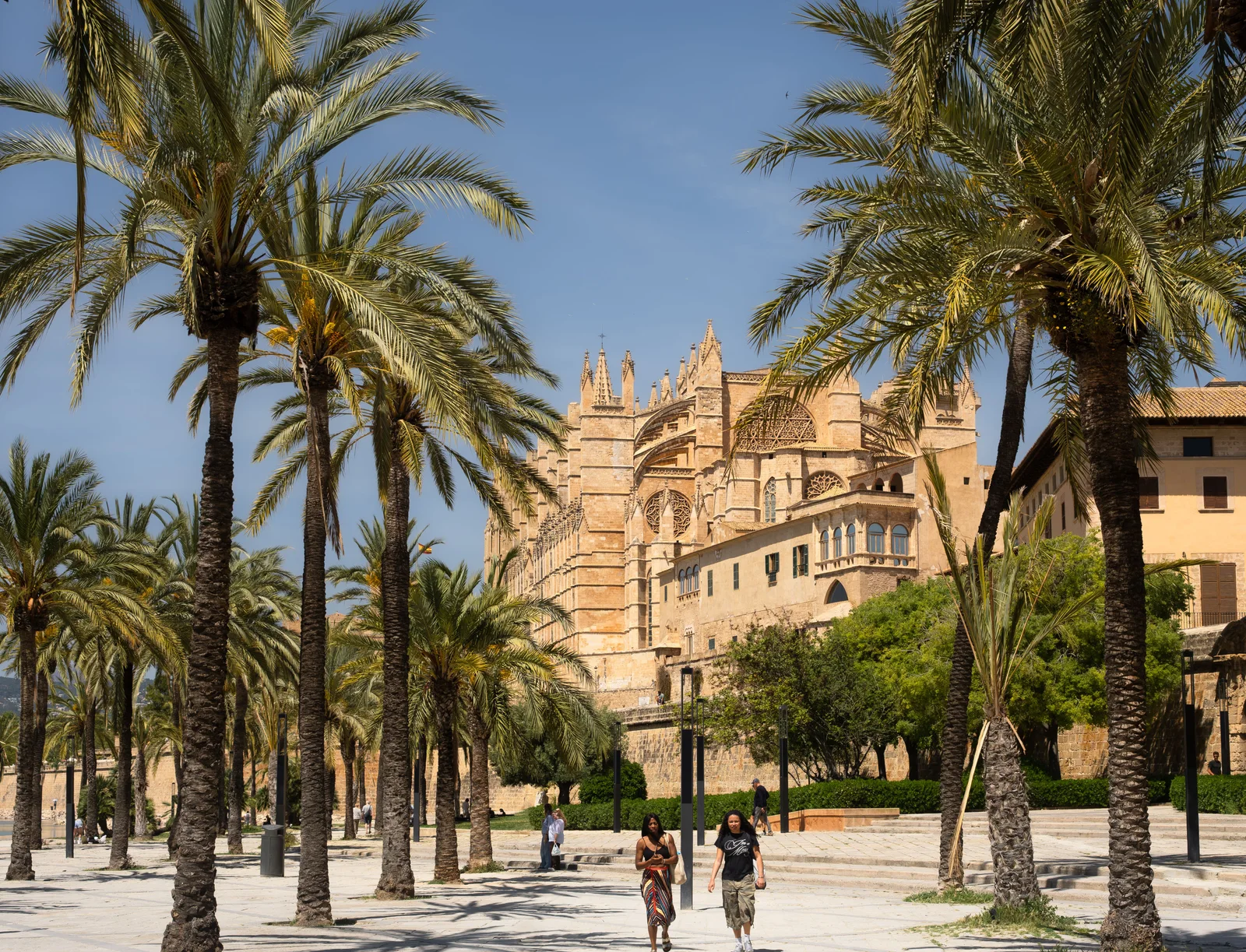
La Seu Cathedral is the natural starting point for a first visit. Its Gothic scale is impressive from the outside, especially against the sea, while the interior brings together centuries of religious and artistic history. Antoni Gaudí’s interventions are among the details worth looking for.
Allow time to see the cathedral properly, but there is no need to reserve an entire morning unless you are particularly interested in architecture or sacred art. Admission was listed in the source material at €10 per person, including the Museum of Sacred Art; check the current arrangements before visiting.
Next door, Palacio de la Almudaina adds a different layer to the same visit. The royal palace has strong Moorish roots and helps explain the changing political and cultural history of the island. Together, the cathedral, palace and surrounding streets make the area one of Palma’s clearest priorities for a short stay.
The old town, with room for detours
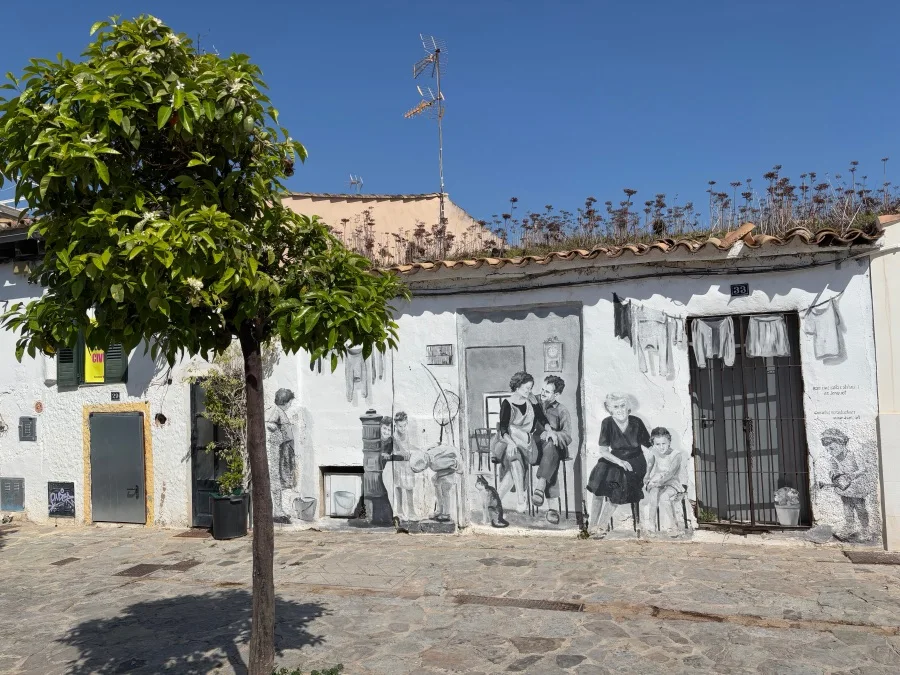
Palma’s Casco Antiguo is best explored without trying to tick off every street. Look for shaded courtyards, carved stone façades, balconies and small galleries, then leave time for a coffee or an unplanned stop. The most enjoyable part of the old town is its scale: the main sights are close enough to connect, but the streets still invite slower wandering.
Banys Àrabs is a compact but worthwhile stop. The remains of the 11th-century Arab baths offer a direct connection with Palma’s Moorish past and can be seen without committing a large part of the day.
Nearby, the Monasteri de Santa Clara is known for homemade biscuits sold through a small window. Opening times can be limited, so check locally rather than building an itinerary around it.
If you have more time, the Ponent district has historic windmills dating from the 16th to the 19th centuries. They are an interesting extension to a walk, especially for visitors who want to see a less polished side of the city. They are not essential on a very short first visit, when the cathedral and old town offer more concentrated rewards.
Where to eat in Palma
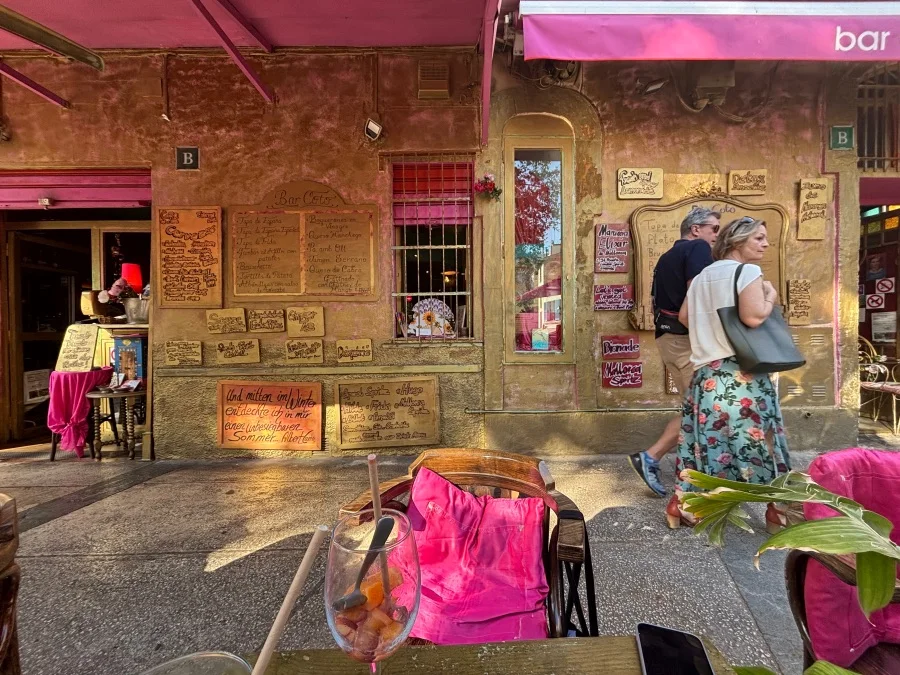
Palma has plenty of places aimed at visitors, so choosing one or two addresses is more useful than making a long restaurant list. The source trip included Bar Coto Dos, where the three-course daily menu was served until 4 PM. Check the current menu and hours before going.
The more memorable meal in the source account was at Restaurant 1955, outside the city centre. It was chosen for seafood paella, a sea view and a family-run atmosphere. The reported bill was €44 for two people with drinks, but prices and menus should be confirmed before publication. This is the kind of address worth considering if you are happy to leave the immediate old-town circuit for a meal.
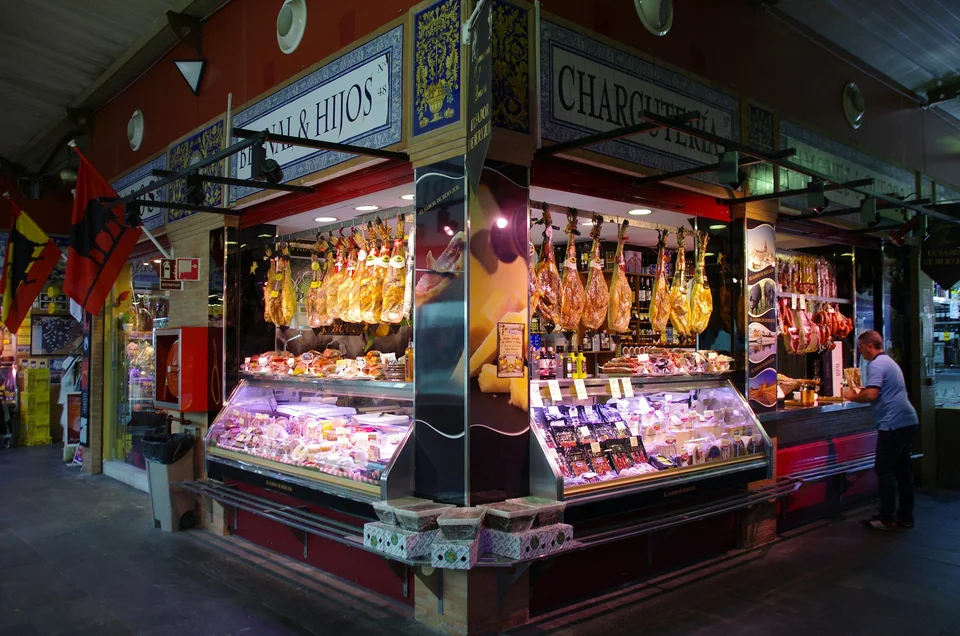
For a more immediate sense of local ingredients, go to Mercat de l’Olivar. The market brings together seafood, cheeses, olives and places to eat tapas. The source material says it closes at 3 PM and lies about five minutes from Plaça Major; verify both details before relying on them. It works best as a late-morning stop rather than an afterthought.
Palma’s bakeries deserve their own small detour. Forn de la Gloria was a highlight of the source trip, particularly for its lemon tart. The account also notes that the shop can be busy and that popular items may sell out later in the day. Those details should be confirmed, but arriving earlier is sensible if a particular pastry is the reason for going.
Where to stay and how to get around
Staying outside the centre can work well if you want access to the beach as well as the city. The source trip used Hotel AHOI! Urban Beach, described as a short walk from the beach and around 30 minutes from the centre by local bus. That balance may suit travellers who prefer a more relaxed base, although staying in the historic centre would make early sightseeing and evening meals easier.
The original account describes frequent local buses and reports a €2 single fare, with cash required, while the airport bus was reported at €5 and accepted card payments. Fares, payment methods, routes and journey times can change, so check the current operator information before travelling.
For a weekend, we would choose between two bases: the old town for maximum convenience, or the beach side of the city if a morning swim and a quieter evening matter more. There is no need to rent a car for Palma itself.
How we would spend a weekend
Day one: Begin with La Seu and Palacio de la Almudaina, then walk through the old town towards Banys Àrabs and Santa Clara. Leave the afternoon open for a coffee, a gallery or the waterfront.
Day two: Visit Mercat de l’Olivar in the morning, make time for Plaça Major and choose one meal outside the busiest tourist streets. If the weather is good, finish with the beach or a slower walk through the Ponent district.
This leaves out many of the island’s famous excursions, deliberately. Palma is worth a weekend on its own; trying to combine it with several distant parts of Mallorca will make the visit feel hurried.
Practical tips for a short visit
- See La Seu early if you can – Morning light and cooler streets make the historic centre more comfortable, especially in warmer months.
- Pair the cathedral with the Almudaina – The two sights sit next to each other and provide the strongest historical introduction to Palma.
- Visit Banys Àrabs as part of an old-town walk – It is a concise, worthwhile stop rather than a half-day attraction.
- Go to Mercat de l’Olivar before its closing time – Check current hours and arrive early enough for the market to feel active.
- Leave room for a bakery stop – Forn de la Gloria was a source-recommended choice, but verify its current hours and availability.
- Walk the old town without overplanning – The area is compact enough to combine a few priorities with unstructured time.
- Consider the Ponent windmills only with extra time – They add local context but are less essential than the central sights.
- Choose one restaurant outside the busiest streets – Restaurant 1955 was recommended in the source account for paella and its sea view; check its current details first.
- Carry some cash until you know the local payment rules – The original transport information reported cash-only fares on some buses, but this should be confirmed.
- Keep the itinerary to Palma – A city weekend is more satisfying when it is not overloaded with distant island excursions.