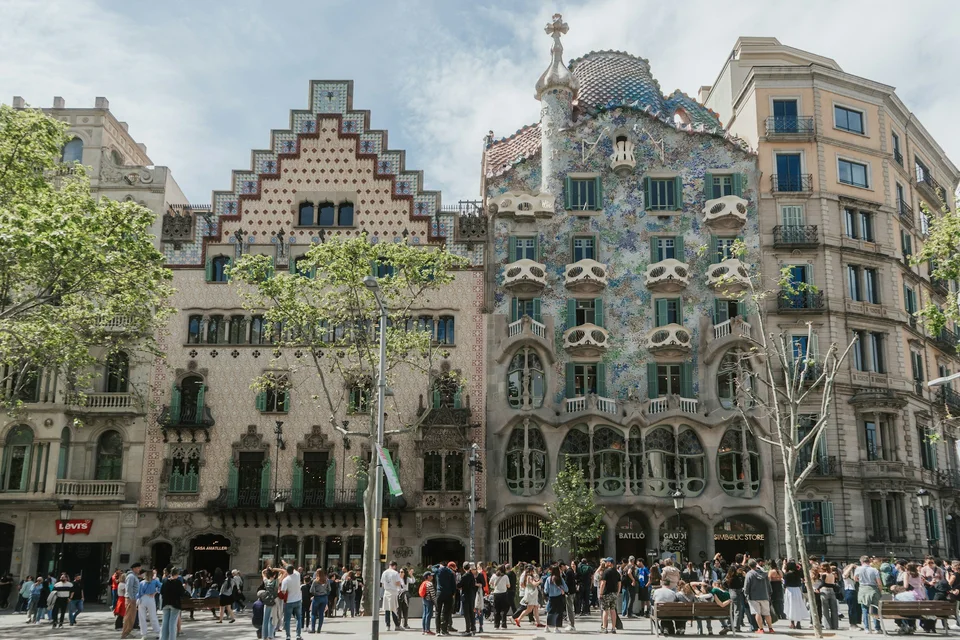

Europe offers a wide range of LGBTQ+ travel experiences, but its destinations are not interchangeable. Some are best known for nightlife and Pride, while others combine queer history, cultural life and a more relaxed social scene. These five cities have established LGBTQ+ communities and enough character beyond the bar district to make them worthwhile for a city break.
For a first visit, Madrid and Barcelona are the strongest all-round choices. London suits travellers who want culture alongside nightlife, Amsterdam combines a long liberal tradition with a compact social scene, and Copenhagen is a good fit for those who prefer design, history and a calmer pace.
Madrid: the energy of Chueca
Madrid is one of Europe’s most established LGBTQ+ destinations, with a social life that extends well beyond its major festivals. Chueca is the natural starting point, filled with bars, restaurants and late-night venues within an easy walk of central Madrid. It is the area we would prioritise for a first evening, particularly if you want to understand the city’s LGBTQ+ scene quickly.
The city’s cultural connection to LGBTQ+ life is equally important. Madrid’s arts scene, including the work of director Pedro Almodóvar, reflects the freer atmosphere that emerged in Spain during the 1980s. Add Madrid Pride, cultural landmarks and the city’s late dining hours, and this is the best choice of the five for travellers who want a lively, sociable break with plenty to do after dark.
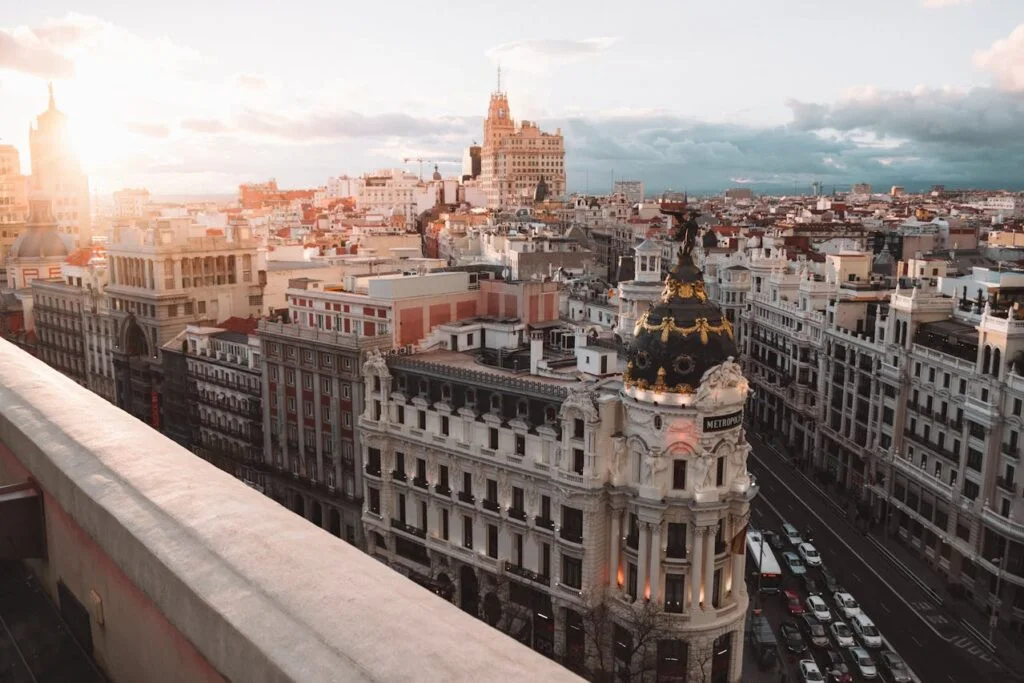
Barcelona: city life, beaches and Gayxample
Barcelona combines an established LGBTQ+ scene with the advantages of a Mediterranean city: strong food, architecture, beaches and a lively calendar of events. The Eixample district, widely known as Gayxample, is the main base for LGBTQ+ bars, restaurants, shops and accommodation. It is the most convenient area to choose if nightlife is important, while the rest of the city gives the trip more range.
Barcelona works particularly well for travellers who do not want their holiday to revolve around clubs. Spend time in the Eixample, then move on to the city’s cultural landmarks or the beach. The atmosphere can be busy, especially in peak season, so it is worth choosing your neighbourhood carefully and allowing time away from the central nightlife streets.
London: queer history, theatre and nightlife
London is the most varied option on this list. Soho remains the city’s best-known LGBTQ+ district, with queer-oriented theatres, bookshops, bars and clubs concentrated around Old Compton Street. The area is compact and easy to combine with the West End, making London a strong choice for a short break built around both culture and nightlife.
Its scale also gives the city a broader LGBTQ+ landscape beyond Soho. West End theatres regularly stage LGBTQ+-themed productions, while the capital’s nightlife changes considerably from one neighbourhood to the next. Choose London if you want the widest cultural programme; choose Madrid or Barcelona instead if you prefer a more concentrated LGBTQ+ scene.
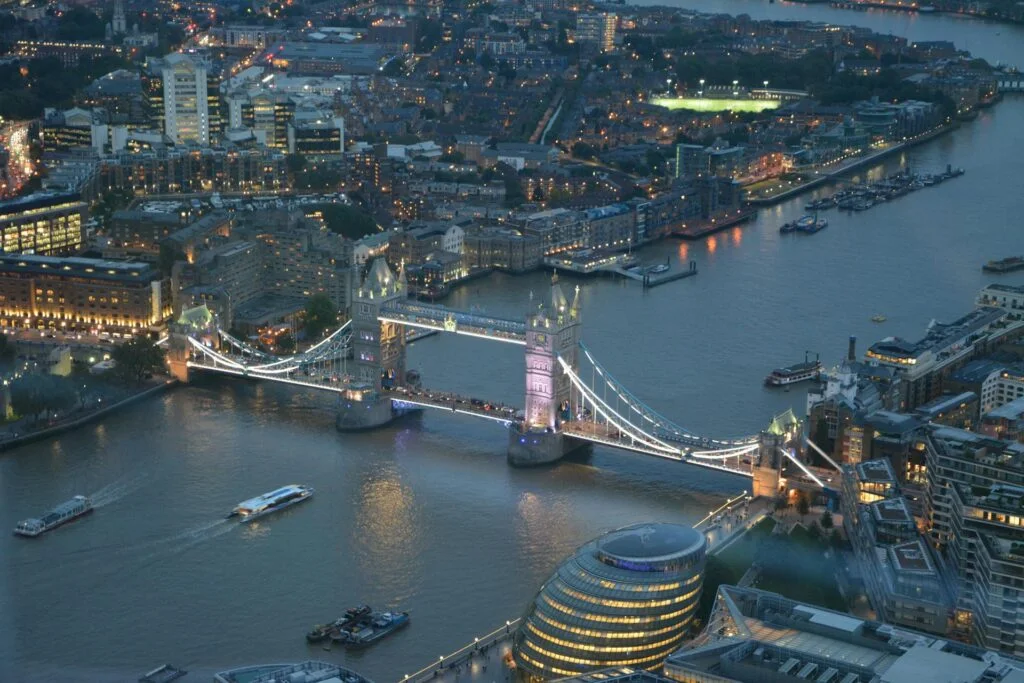
Amsterdam: a long tradition of LGBTQ+ visibility
Amsterdam’s reputation for openness is part of the city’s identity, but its appeal comes from more than its liberal image. Canals, bike-friendly streets and a compact centre make it easy to combine sightseeing with LGBTQ+ nightlife. Reguliersdwarsstraat is the main place to start, with a concentration of gay bars and clubs, while Café ‘t Mandje is one of the city’s historic LGBTQ+ venues.
Amsterdam is a good fit for travellers who want a social city break that remains easy to navigate. Pride and events such as the Milkshake Festival bring a celebratory atmosphere, while sex-positive shops and late-night venues give the city a more open and playful character. On a short visit, we would focus on the central scene and leave time for the canals and neighbourhoods beyond it.
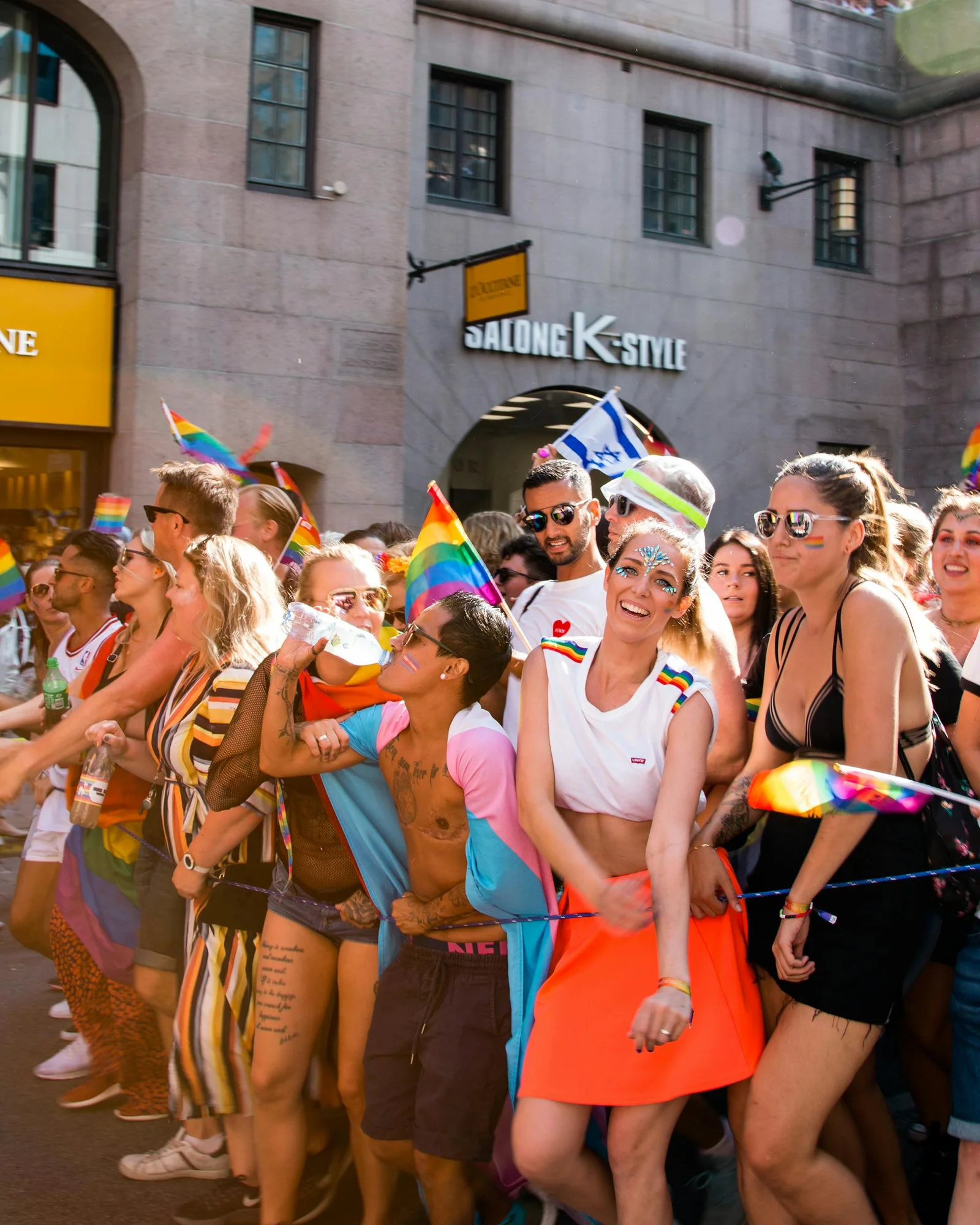
Copenhagen: LGBTQ+ history with a quieter rhythm
Denmark’s early role in LGBTQ+ rights gives Copenhagen a significant place in European queer history. The city pairs that history with a more restrained, design-led atmosphere than Madrid, Barcelona or Amsterdam. It is the best choice here for travellers who want an inclusive city break with good food, architecture and neighbourhood wandering rather than a trip centred entirely on nightlife.
Vesterbro is the natural area to explore, including the former Red-Light District and the Meatpacking District, where a more contemporary bar and restaurant scene has developed. City Hall Square provides another cluster of LGBTQ+ venues, while Copenhagen Pride brings the city’s community into public view. Allow time to explore beyond the nightlife areas; Copenhagen’s appeal is in the balance between social history, modern city life and an easy pace.