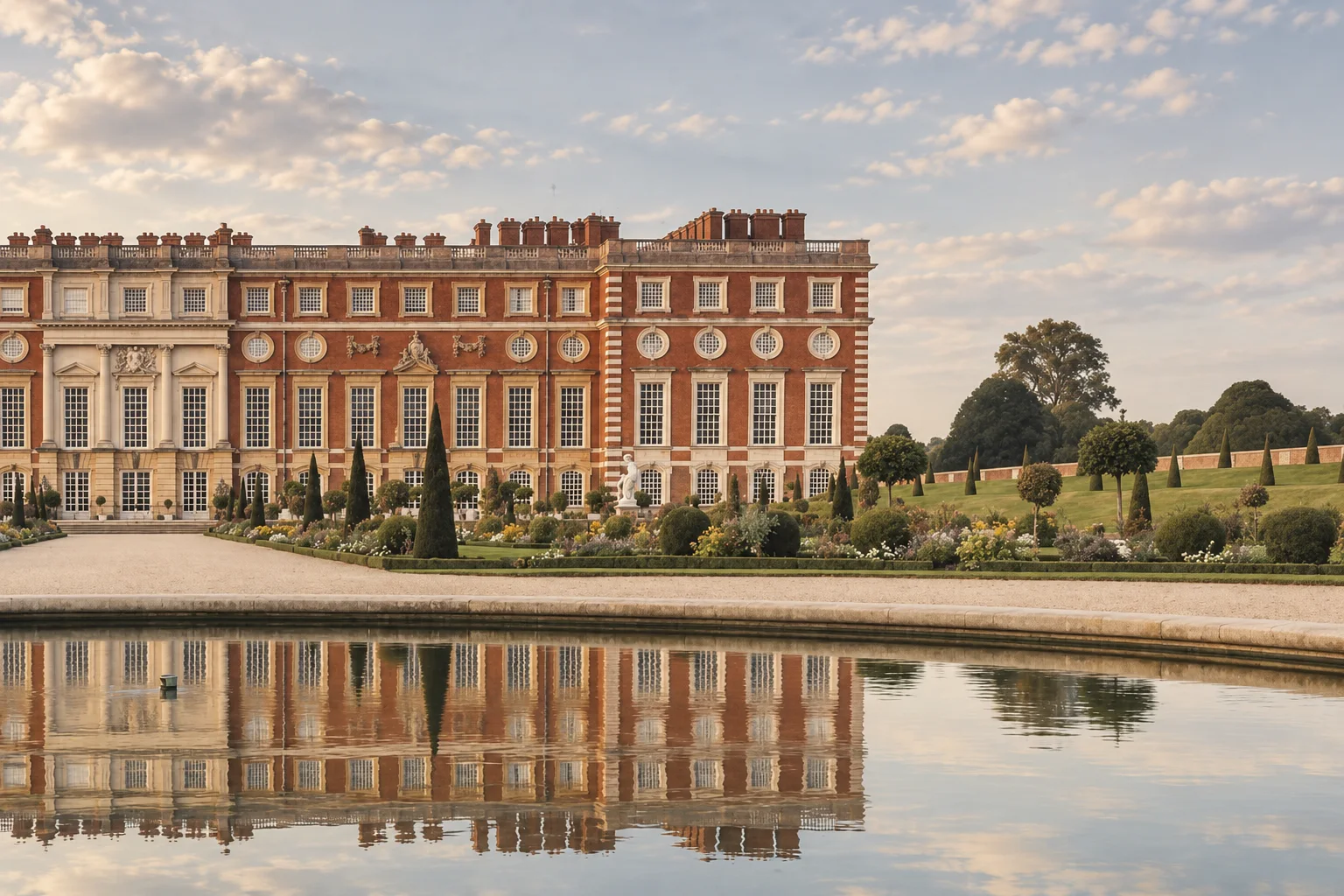
Buckingham Palace may be London’s most recognisable royal address, but it is only one part of a much larger story. Across the capital, former palaces, private retreats, gardens and ceremonial buildings reveal how differently royalty once lived: amid Tudor spectacle, Georgian domesticity, classical architecture and cultivated parkland. These are the places worth choosing when you want a closer, more varied sense of royal London.
Kensington Palace
Kensington Palace has been a royal residence since the late seventeenth century and was home to several important figures, including Queen Victoria and Diana, Princess of Wales. Its scale is more intimate than Buckingham Palace, with a sequence of apartments, staircases and ceremonial rooms that make royal life feel surprisingly close at hand.
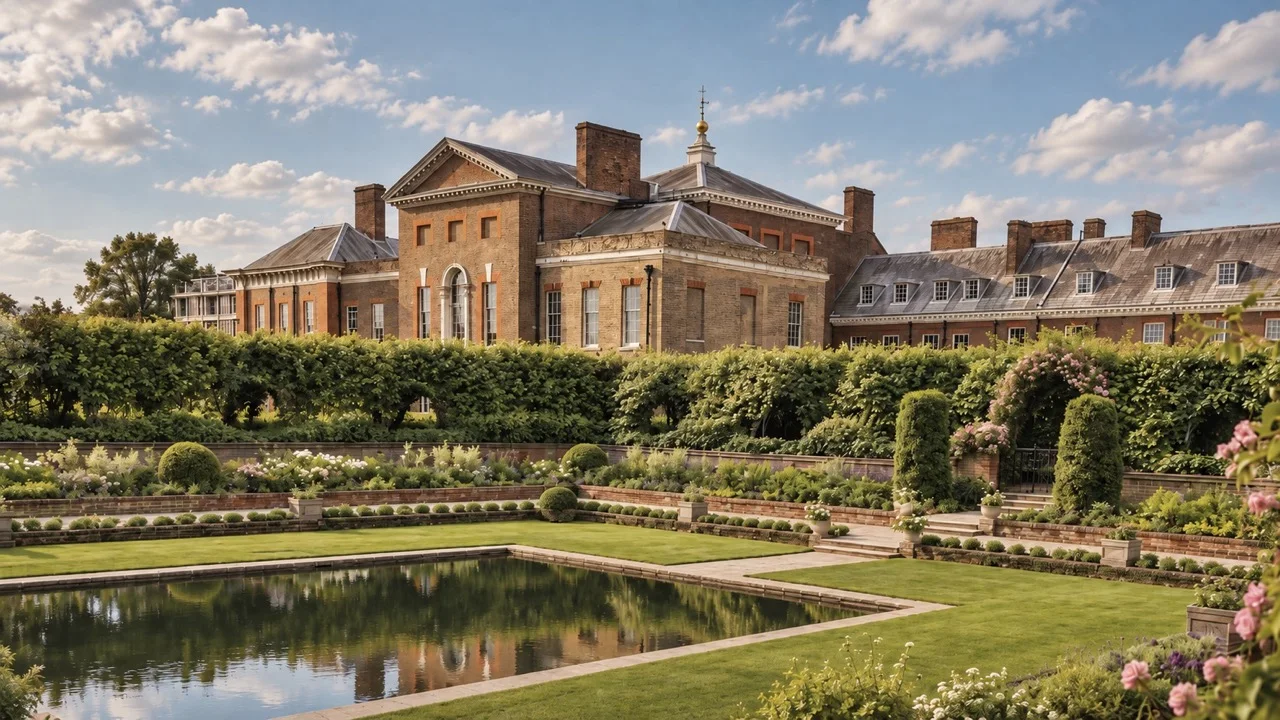
Visitors can explore the King’s State Apartments, the Queen’s State Apartments when open, historic exhibitions and the surrounding Kensington Gardens. The palace is particularly worthwhile for its atmosphere: it feels like a lived-in court residence rather than a grand civic monument. Allow around two to three hours, including time in the gardens. Advance tickets are sensible, especially at weekends; check which apartments are open before booking, as displays and routes can change.
Hampton Court Palace
Hampton Court is the most expansive royal visit on this list and the clearest place to understand the theatre of the Tudor court. Henry VIII enlarged the palace into a setting for ceremony, feasting and political display, while later monarchs added a more restrained Baroque palace beside it.
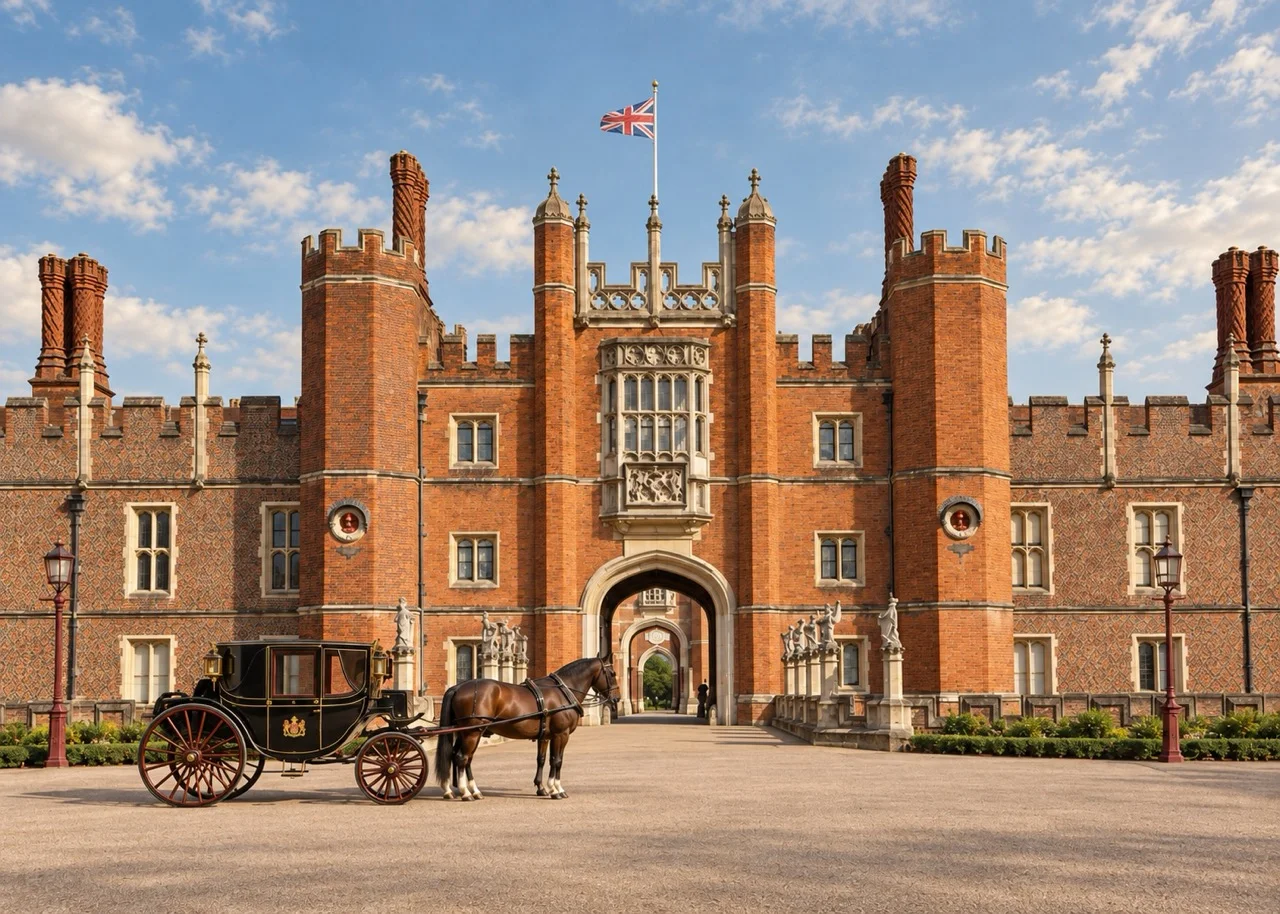
The Great Hall, Tudor kitchens, royal apartments and gardens all deserve attention, but the real pleasure is the contrast between the palace’s different eras. The formal gardens and long avenues also make the journey from central London feel worthwhile. Allow at least four hours, and longer if you want to explore the grounds at an unhurried pace. Pre-booking is recommended. On a short visit, prioritise the Tudor interiors and gardens rather than trying to see every room.
Kew Palace
Kew Palace offers a quieter, more domestic view of royal life. The small red-brick house was used by George III, Queen Charlotte and their family during summers at Kew, and its rooms reveal a household atmosphere that is far removed from the formal grandeur of state apartments.
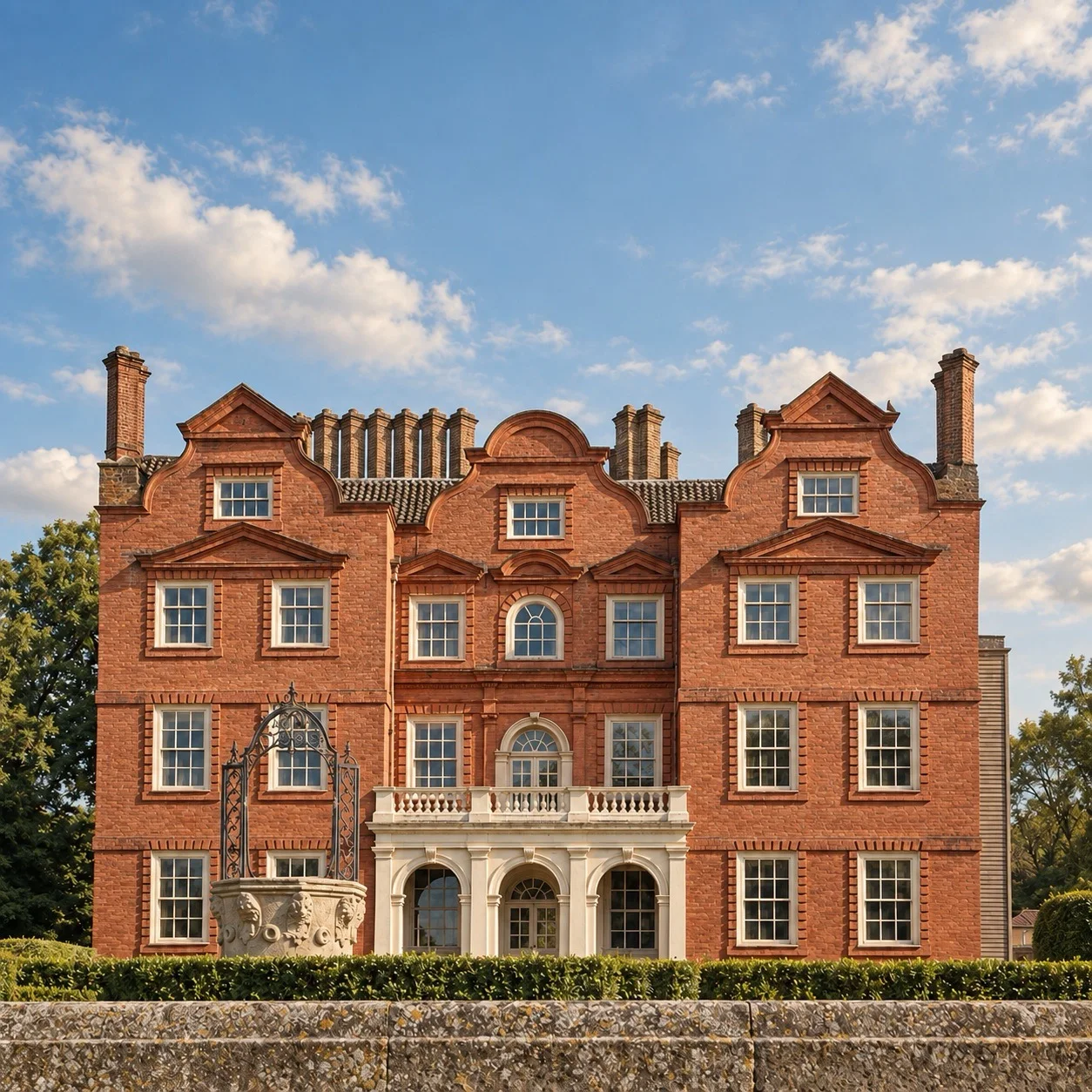
Inside, visitors can see compact royal rooms, the nearby Royal Kitchens and, on selected days, Queen Charlotte’s Cottage in the gardens. The palace matters because it shows the Georgian monarchy at home: managing family life, illness, education and routine in a relatively modest setting. Allow three to four hours for Kew Gardens with the palace included. Kew Palace is seasonal, so check the current opening period before planning your visit. The Royal Kitchens are an excellent addition if you want a fuller sense of how the household functioned.
Eltham Palace
Eltham Palace is one of London’s most distinctive royal sites because its history does not end with the medieval court. Once an important royal residence, it was transformed in the 1930s by Stephen and Virginia Courtauld, who incorporated the surviving medieval great hall into an ambitious Art Deco home.
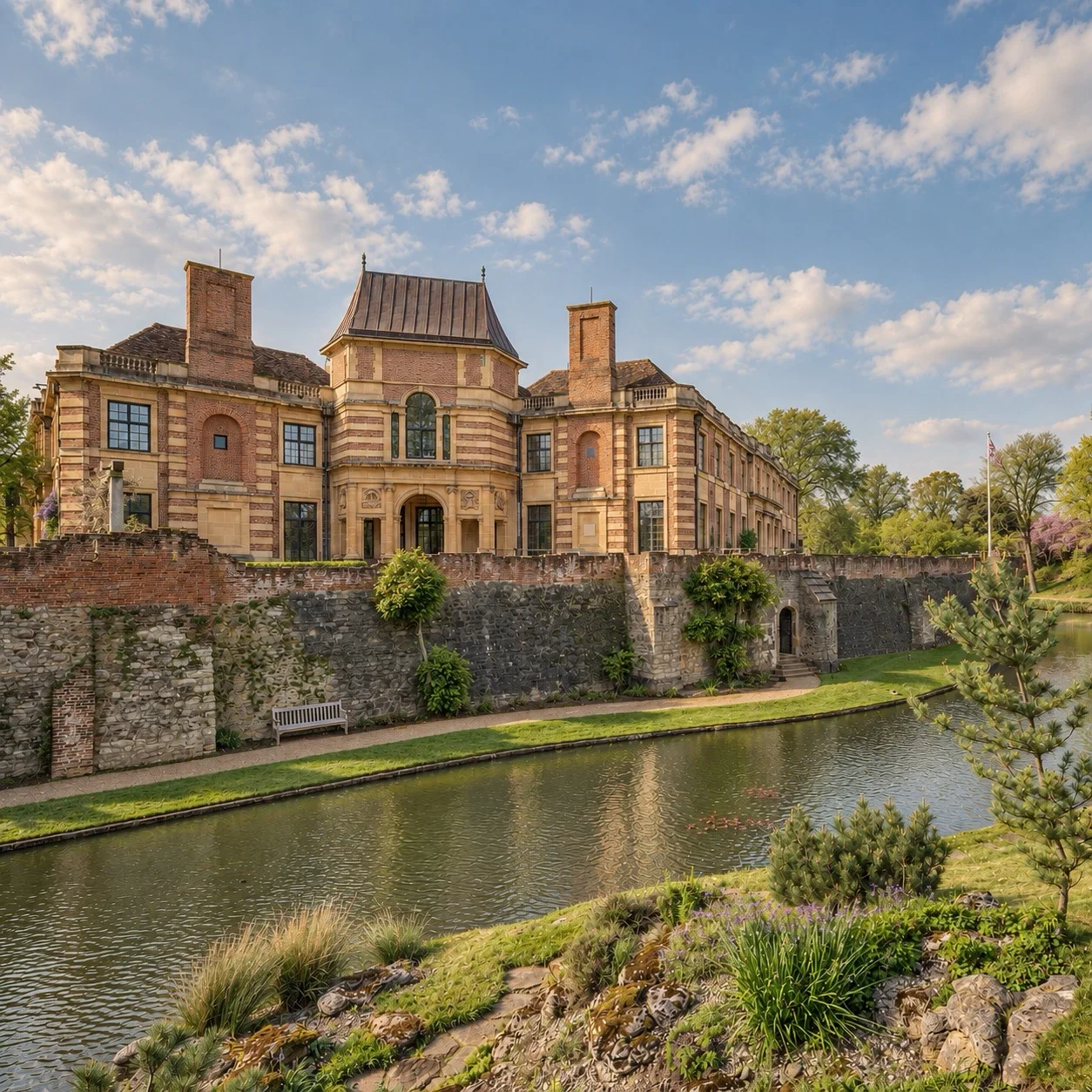
The result is an unusual meeting of royal history and interwar design: polished wood, geometric interiors, a luxurious bathroom, period technology and gardens shaped around the house. Visitors can also see remnants of the older palace and the wartime bunker used by the Courtauld household. This is the best choice for architecture enthusiasts and anyone who has already seen London’s more conventional palaces. Allow around two to three hours, and consider travelling by public transport, which may qualify for a discount on walk-up admission.
The Queen’s House, Greenwich
The Queen’s House is a former royal retreat designed by Inigo Jones for Anne of Denmark and later completed for Queen Henrietta Maria. Its classical proportions marked a decisive break from the red-brick Tudor palace tradition, making it one of the most important buildings in the history of British architecture.
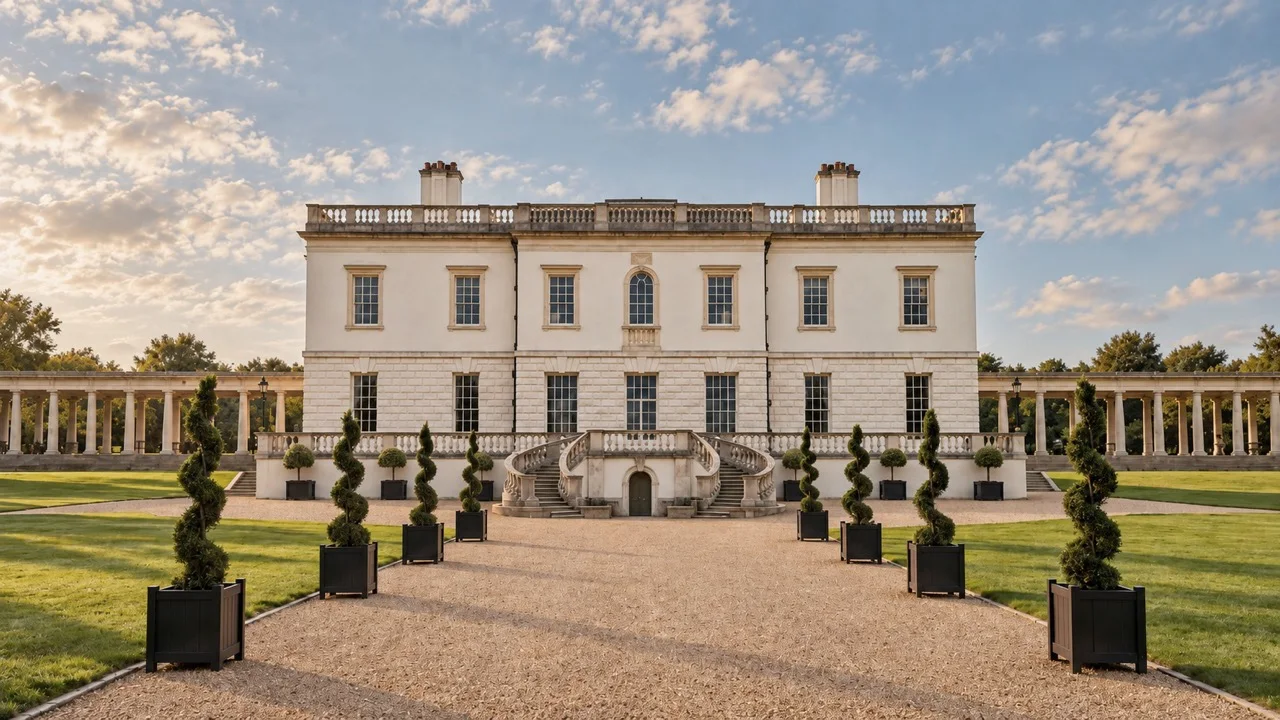
Today it houses a collection of art within a remarkably calm setting, including maritime paintings, portraits and the celebrated Armada Portrait of Elizabeth I. The Tulip Stairs and Great Hall are the architectural highlights, but the building’s position between Greenwich Park and the Old Royal Naval College is part of its appeal. Entry is free, although booking online is useful. Allow 45 minutes to an hour, or longer if you combine it with the National Maritime Museum and Greenwich Park.
Banqueting House
Banqueting House is the surviving fragment of the lost Palace of Whitehall, once the centre of Stuart court life. Designed by Inigo Jones for James I, it introduced a more classical architectural language to England and was built for elaborate royal entertainments.
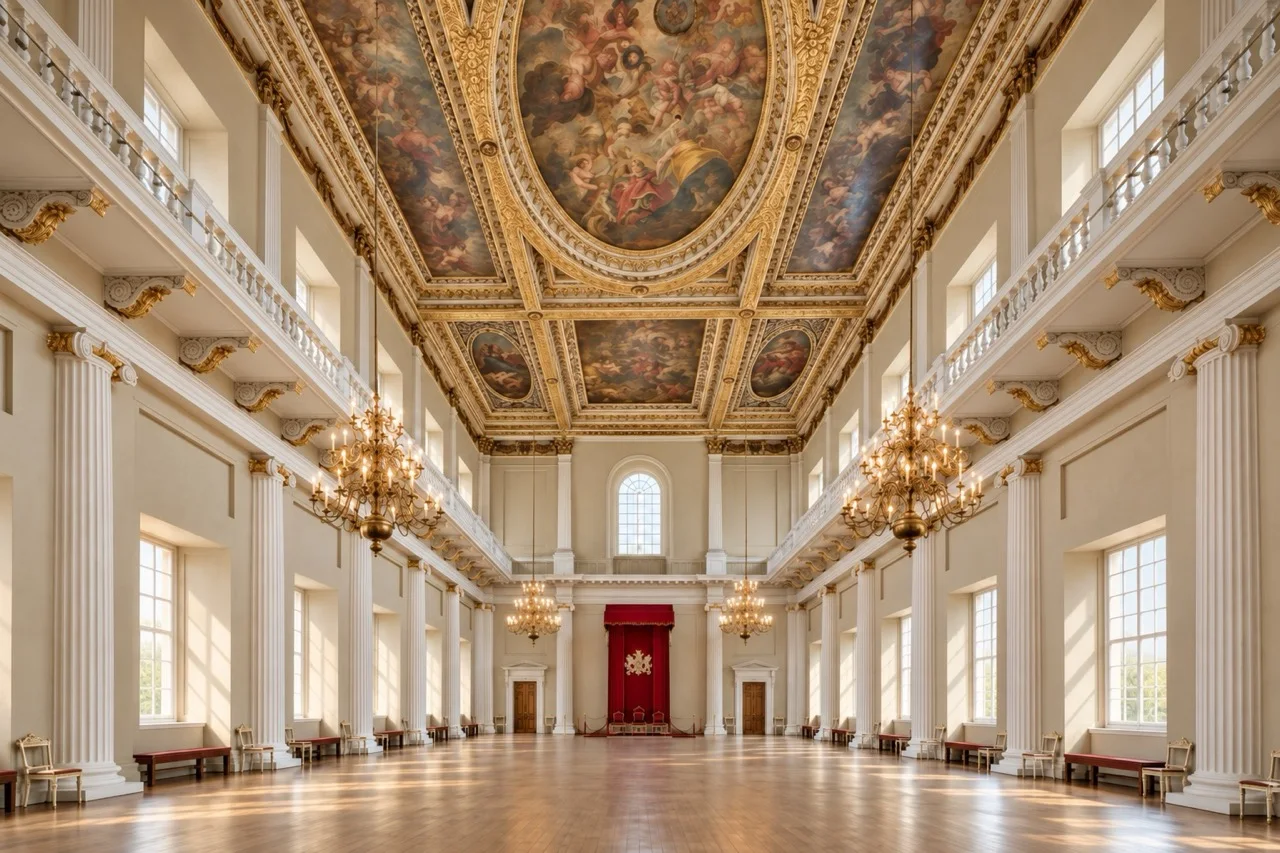
The main reason to visit is the Rubens ceiling, painted for Charles I and still displayed in its original setting. The vast hall feels unexpectedly theatrical when seen from below, while the undercroft and the nearby site of Charles I’s execution add a darker historical dimension. It is a compact visit, ideal between Westminster and Trafalgar Square. Allow around 45 minutes to an hour and check opening dates carefully, as public access can be seasonal or linked to specific open days.
The Royal Mews
The Royal Mews provides a practical glimpse of the monarchy in motion. Still responsible for royal road travel and ceremonial transport, it is one of the few places where the machinery of royal occasions is visible rather than staged as history.
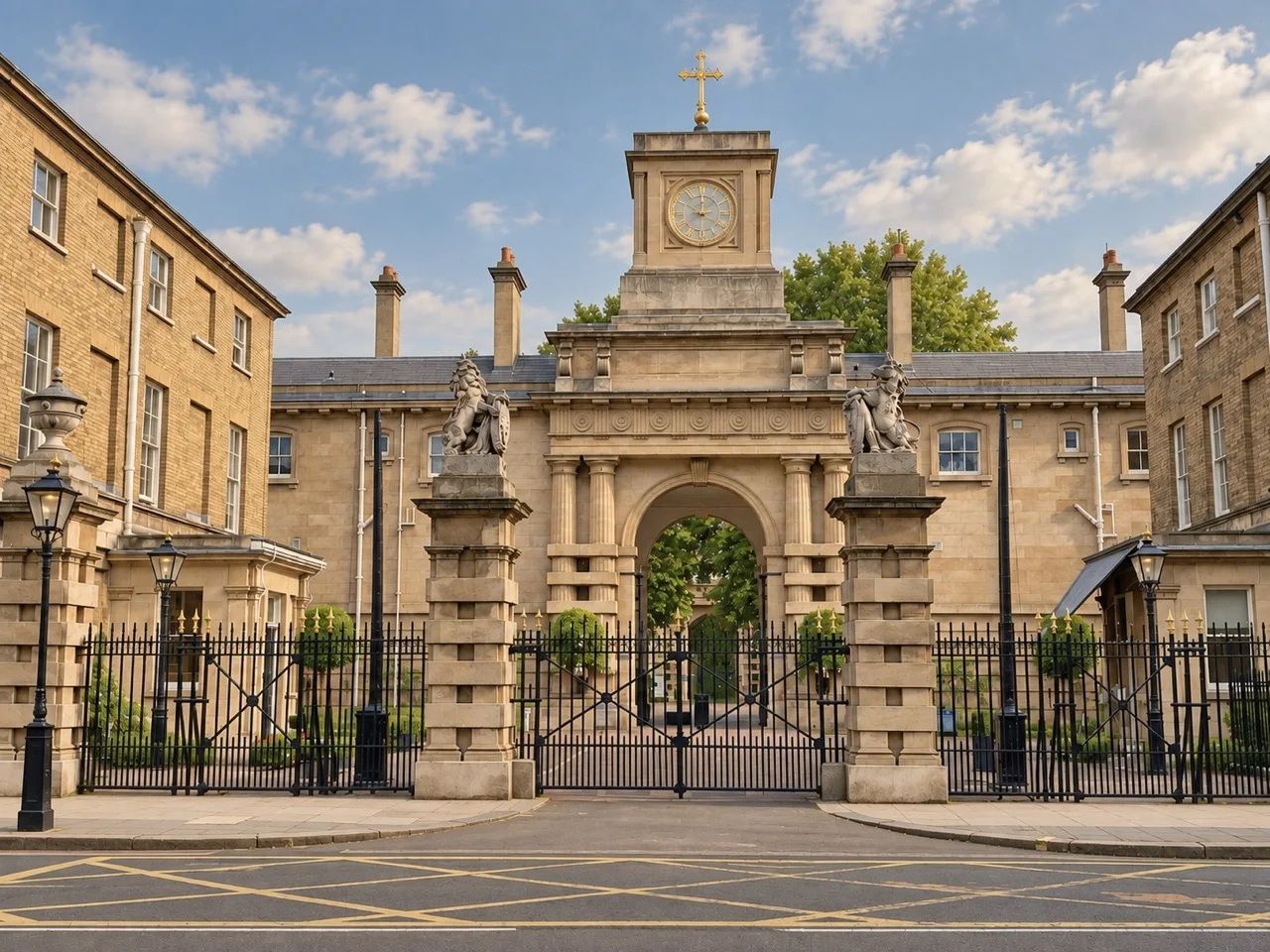
The collection includes historic carriages, modern vehicles, harnesses and the Gold State Coach, used for major ceremonies including coronations. The setting is more intimate than the State Rooms at Buckingham Palace, and the working-stables atmosphere gives the visit a useful sense of continuity. The complimentary multimedia tour takes around 45 minutes, with guided tours also available. Advance booking is recommended during the main visiting season, particularly if you are combining the Mews with Buckingham Palace.
How to combine them into a relaxed itinerary
The easiest pairings are geographical. Spend a morning at Kensington Palace, then walk through Kensington Gardens and continue towards the museums or Hyde Park. In Greenwich, combine the Queen’s House with the National Maritime Museum and a slow walk through the park. Kew Palace belongs to a full garden day rather than a quick stop.
For a more ambitious outing, set aside a day for Hampton Court Palace alone. Eltham Palace also deserves its own half-day, especially if you are interested in design. Banqueting House and the Royal Mews are shorter visits that fit naturally around central London sightseeing. The best approach is to choose one substantial palace, then add one smaller royal site with a different character. That leaves room for the city between the landmarks, which is where London’s royal history often feels most convincing.