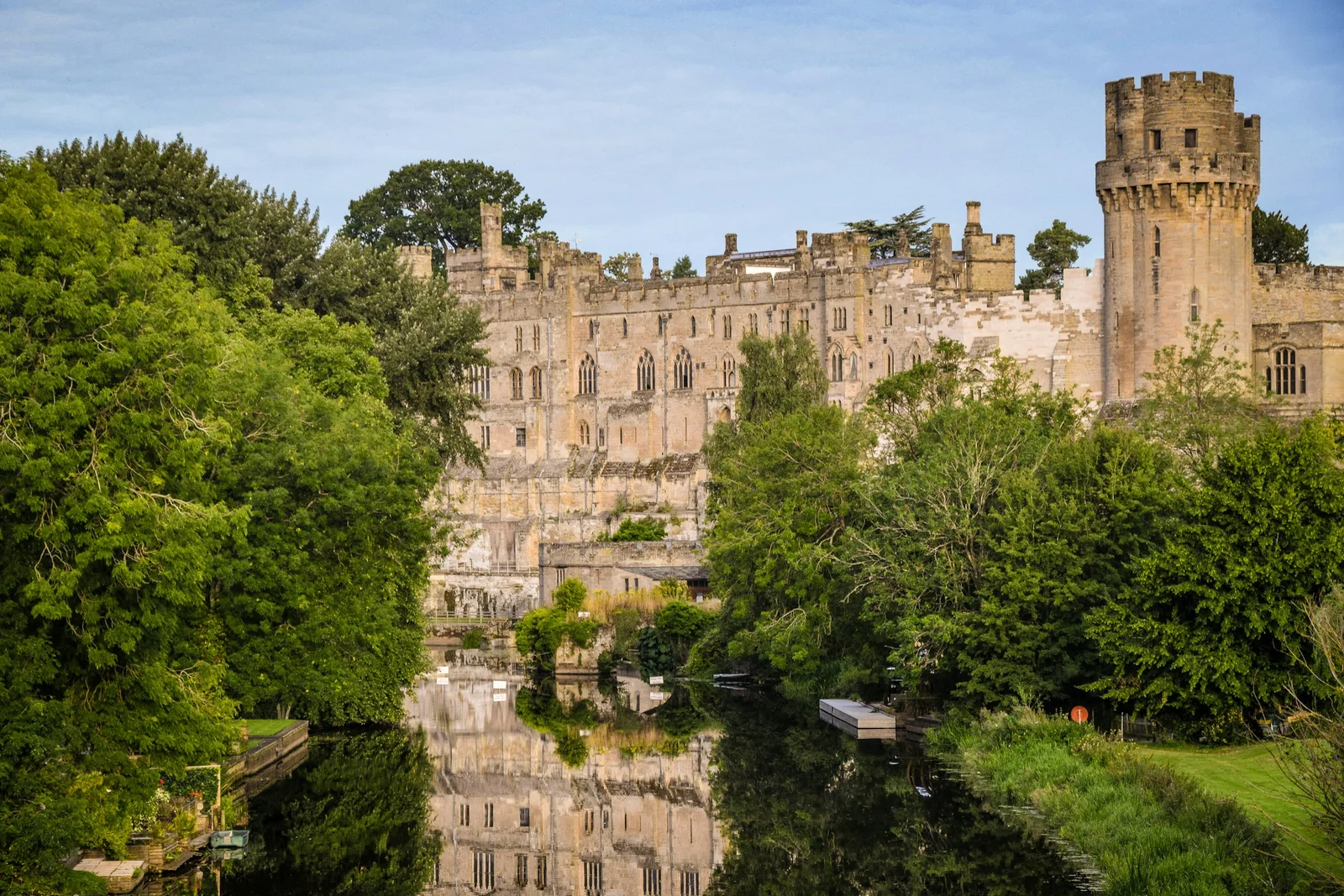
Warwick Castle can easily fill the centre of a day, especially if you arrive for the major shows, interiors and grounds. Yet the castle makes more sense when you see it as part of the town rather than as a standalone attraction. Just beyond its walls are timber-framed buildings, a formidable medieval church, a surviving guild complex, small museums and a group of Victorian gardens that offer a welcome change of pace.
Warwick suits visitors who like history with some texture around it. The town is compact enough to explore on foot, visually varied enough to reward an unhurried wander and substantial enough to justify more than a quick castle stop. For a first visit, we would allow a full day. If you want time for the castle, the quieter historic sites and a proper meal, an overnight stay is more comfortable.
Start with the castle, then leave time for Warwick
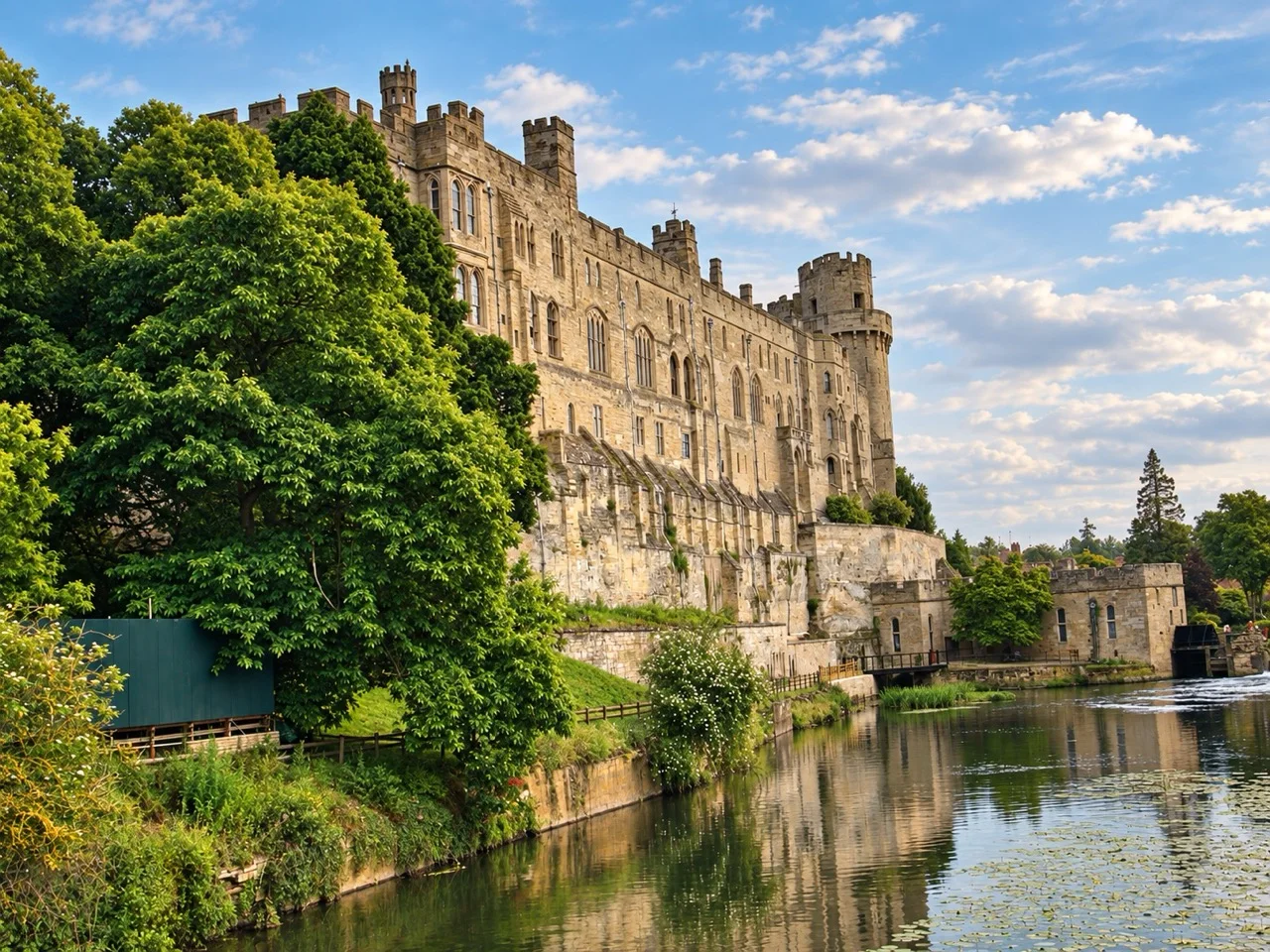
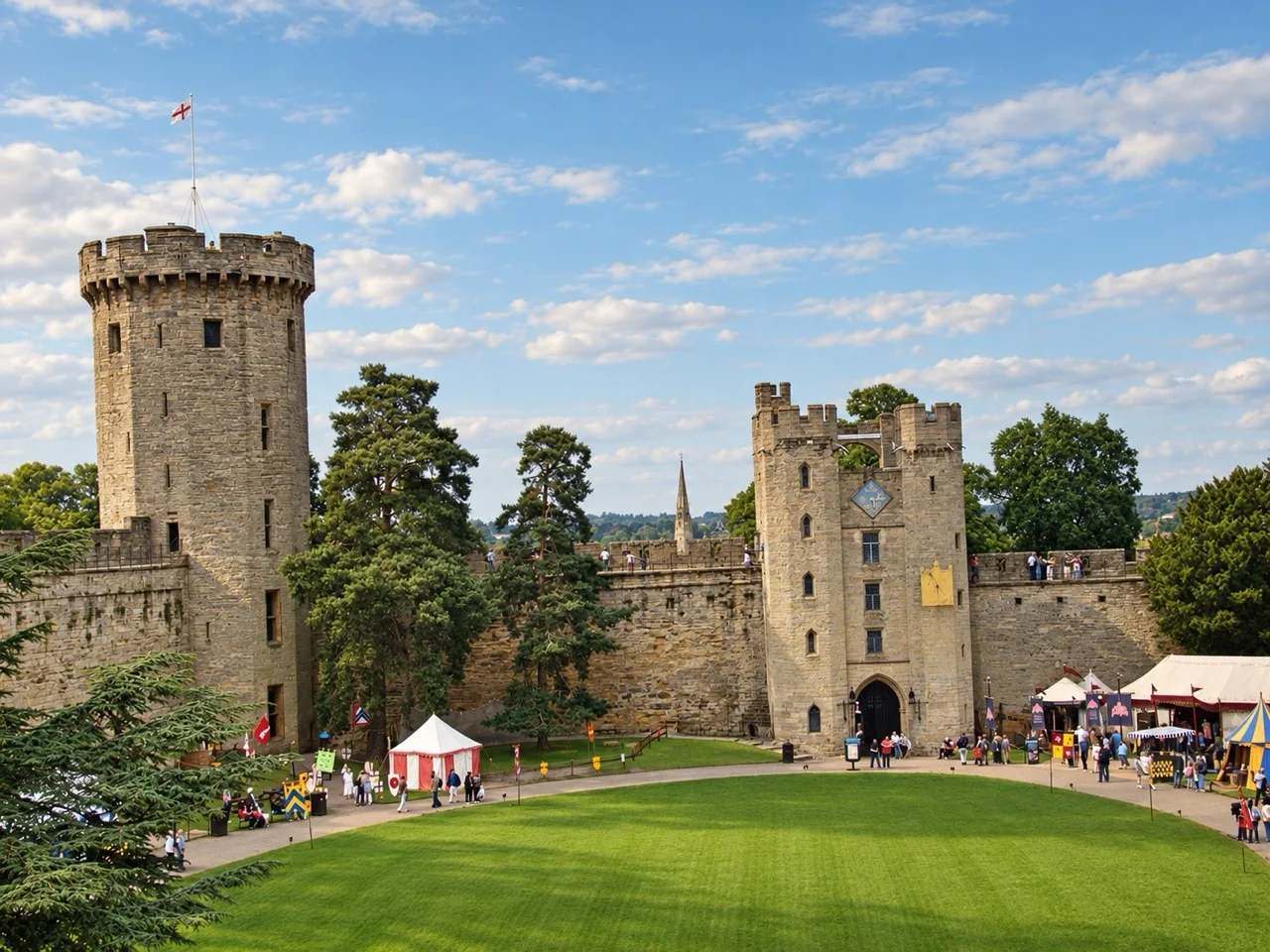
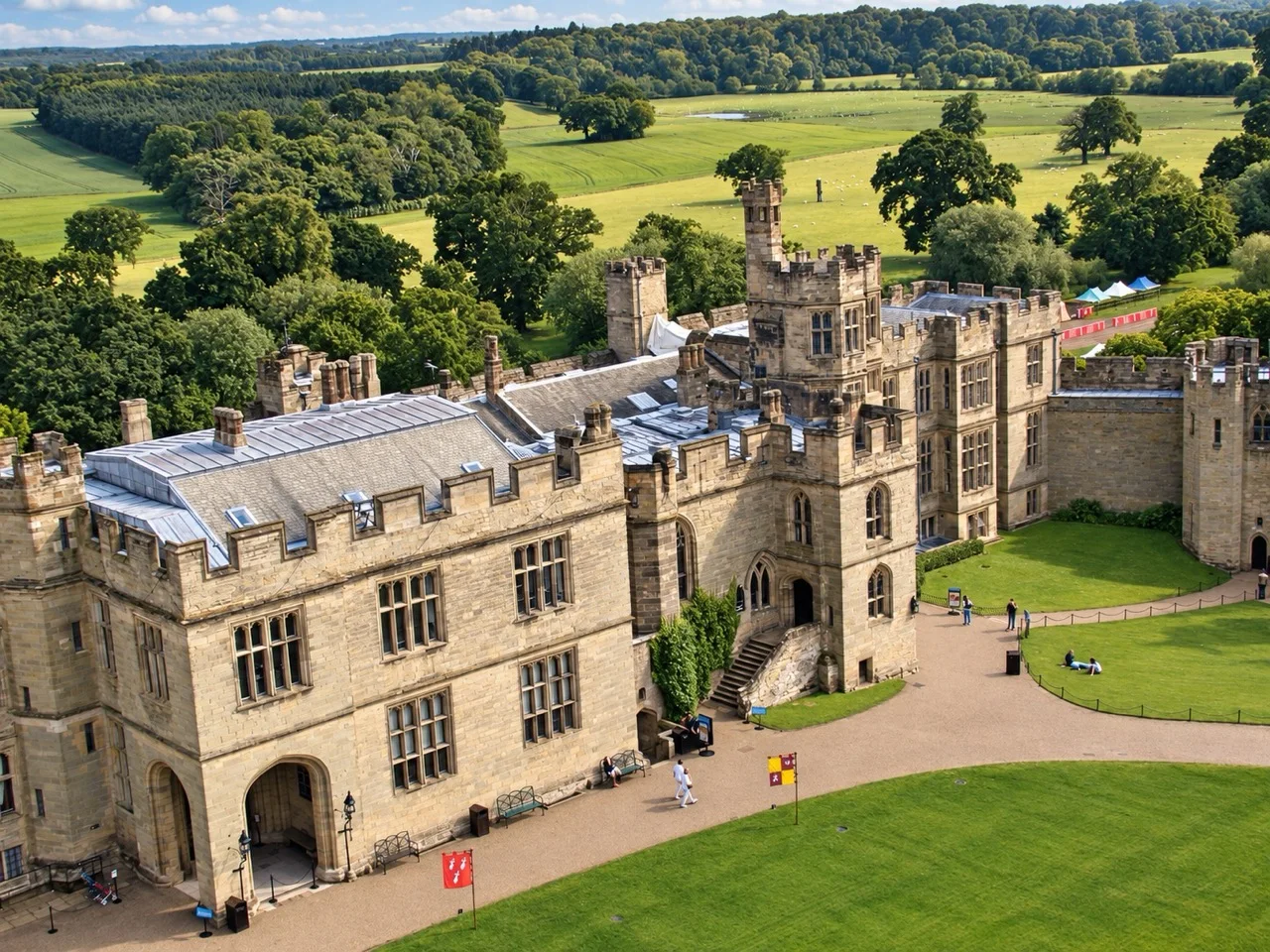
Warwick Castle dominates the town physically and historically. Its origins reach back to the Norman Conquest, while the present complex reflects centuries of military ambition, aristocratic power, restoration and modern interpretation. The setting does much of the work: the castle rises above the River Avon, with towers, walls, gardens and broad grounds creating a sense of scale that is difficult to convey from the town streets.
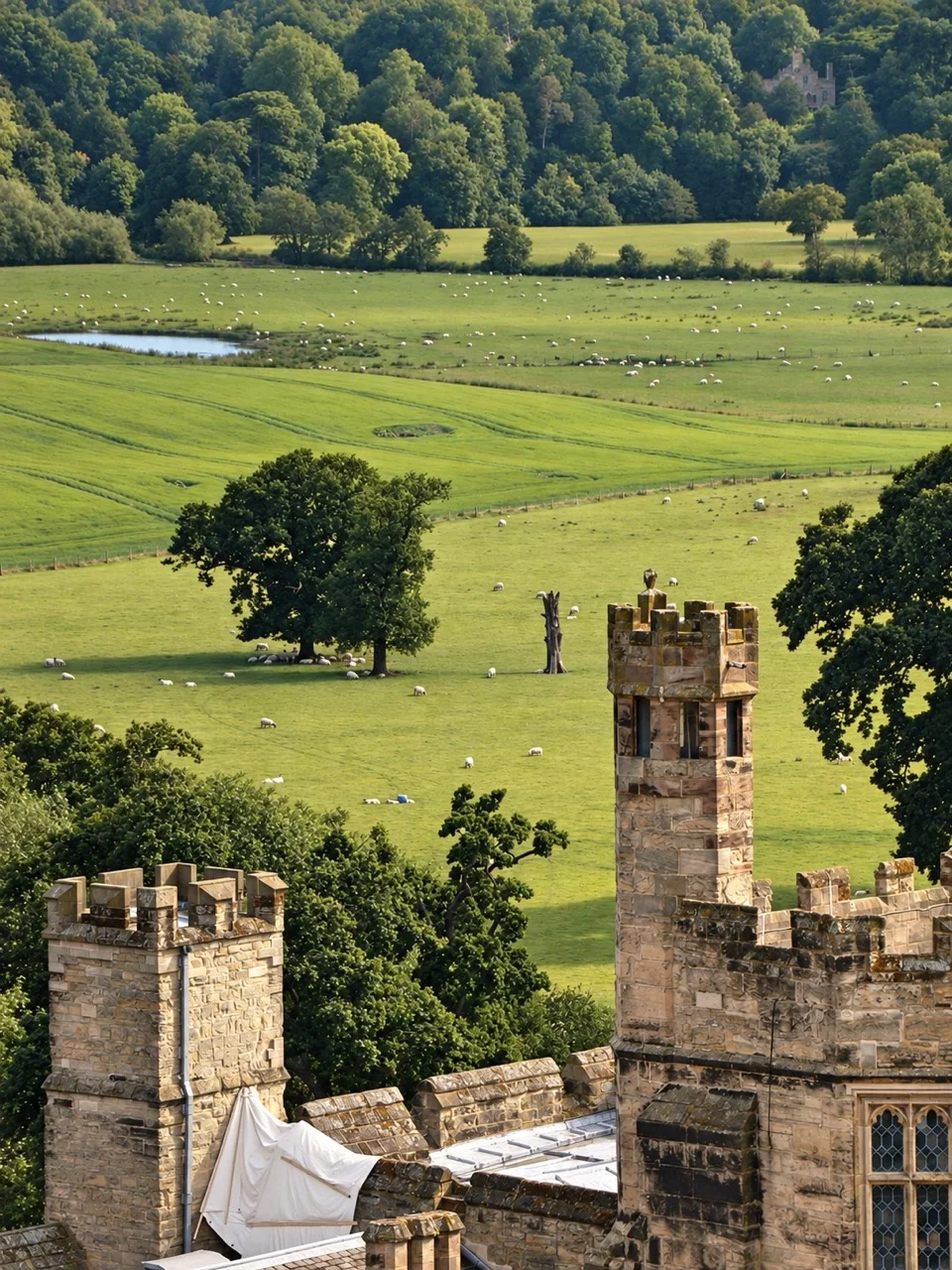
The experience is deliberately theatrical. Depending on the season and programme, a visit may include staged historical displays, live demonstrations, birds of prey, performances and family-focused attractions as well as the castle interiors and gardens. That makes it particularly effective for mixed-age groups and anyone who wants history presented with movement and spectacle rather than only labels and period rooms.
The limitation is that the castle can absorb as much time as you give it. If you are visiting on a short day, decide in advance whether you want the full programme or a more selective visit. The castle’s main towers, views and grounds are the essential parts; every scheduled show is not necessarily essential for every traveller.
Allow at least half a day if the castle is your main reason for coming. Families may want longer, particularly during school holidays or on days with a full programme. For a quieter visit, arrive early, check the current schedule before travelling and resist the temptation to treat the rest of Warwick as an afterthought.
The streets around Market Place
Warwick is at its most convincing when you walk without trying to turn every street into a formal sight. Market Place, High Street, Church Street, Castle Street and Mill Street hold much of the town’s architectural character, moving between timber-framed buildings, Georgian façades, civic landmarks and old commercial premises.
The Great Fire of Warwick in 1694 reshaped the town, but it did not erase its medieval structure. That mixture is part of the appeal. A black-and-white building may stand close to a more restrained eighteenth-century frontage, while the castle and church remain visible as reference points above the streets.
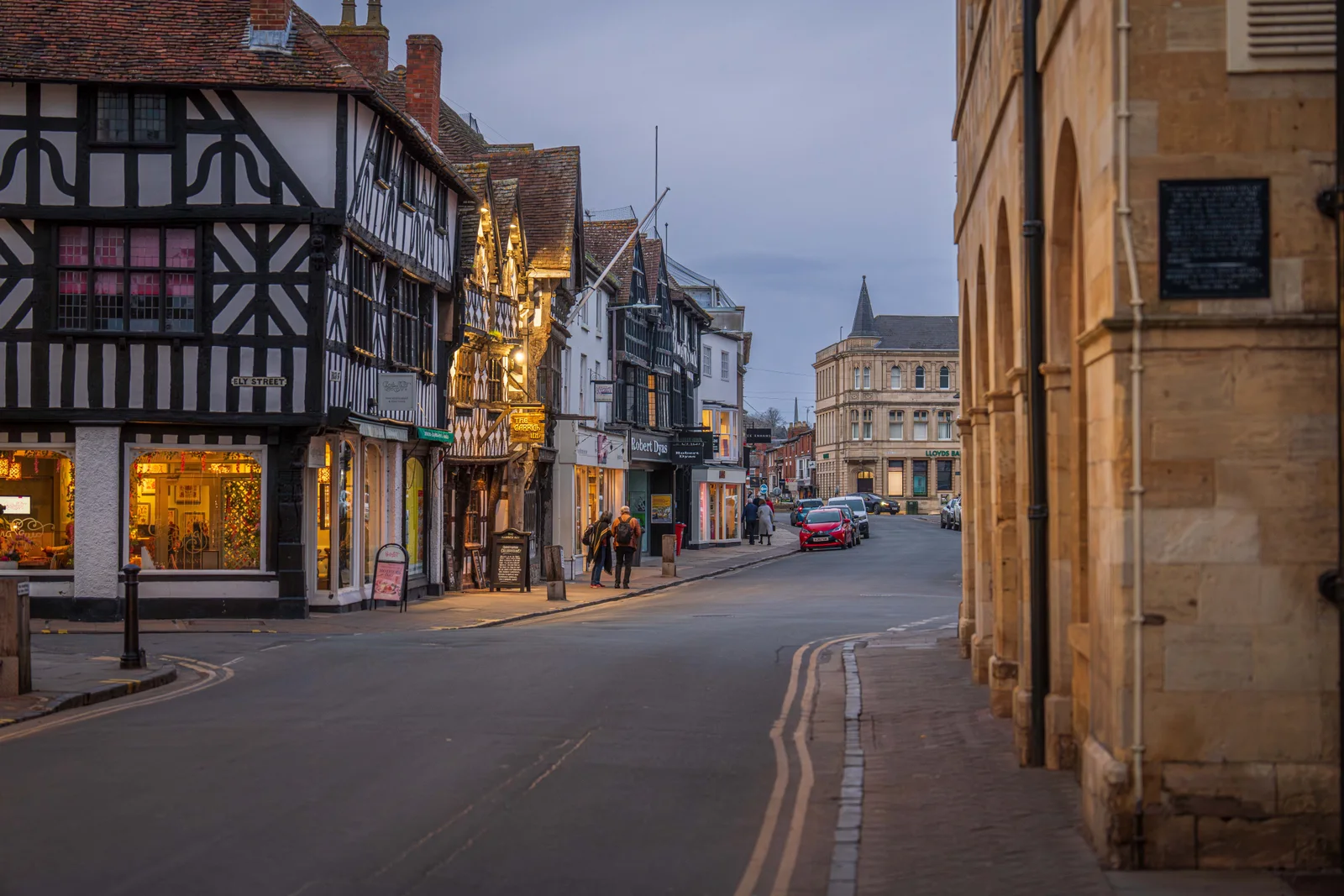
Take time around Old Square and the upper end of High Street, where the town’s historic buildings are especially concentrated. Mill Street is particularly useful for understanding the relationship between Warwick’s domestic architecture, the castle and the river. It also leads towards one of the best views of the castle from outside the main attraction.
Lord Leycester Hospital: the most important stop after the castle
Lord Leycester Hospital is one of Warwick’s most distinctive historic buildings and deserves more than a glance from the pavement. The complex began as a group of medieval guild buildings arranged around the Chapel of St James. In the Elizabethan period, Robert Dudley, Earl of Leicester, helped establish the charitable institution that gives the site its name.
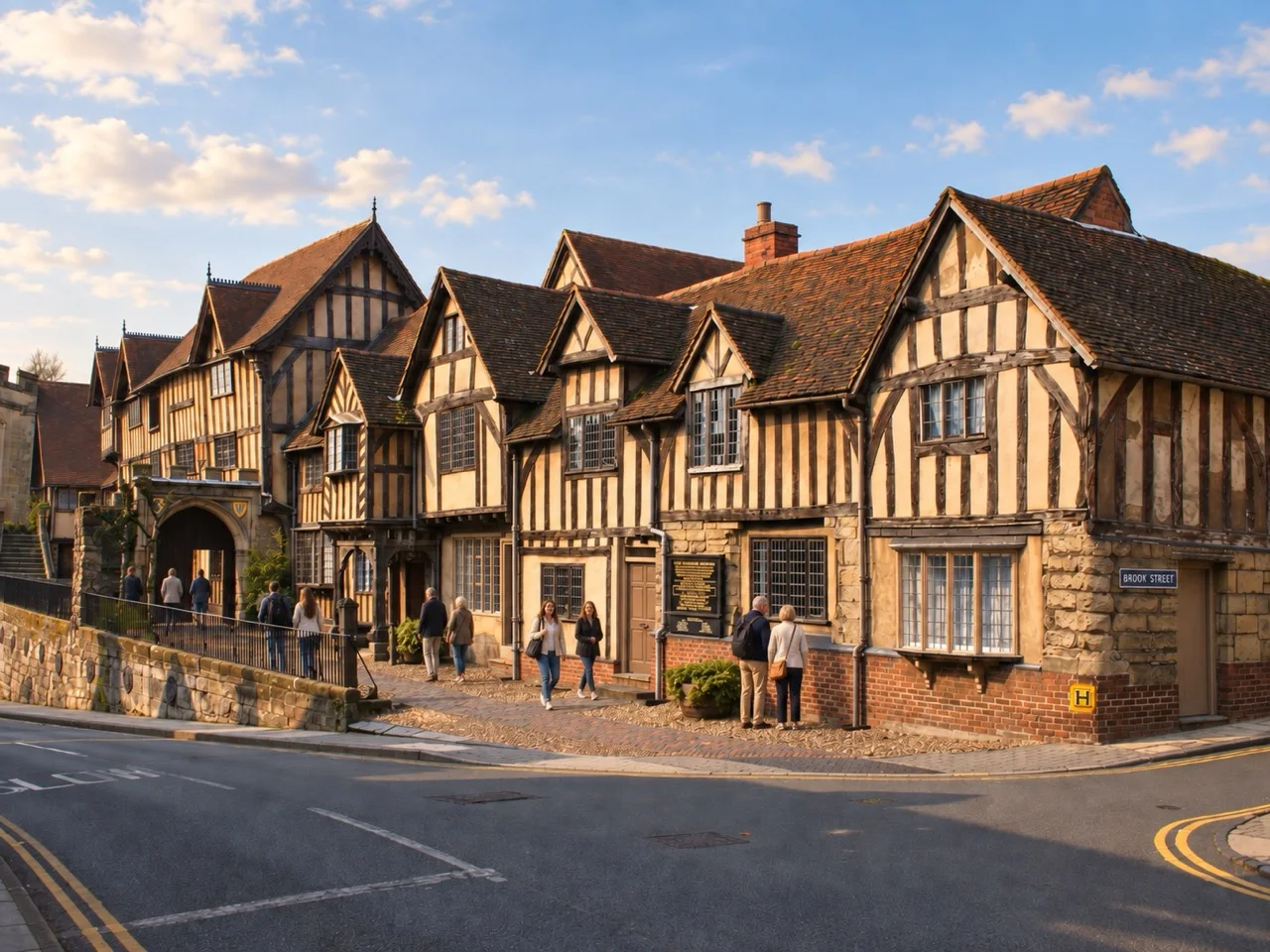
The surviving buildings include a great hall, chapel, courtyard spaces and historic domestic areas. Their importance lies partly in the architecture, but also in the continuity of the institution. The site remains associated with the Master and Brethren, whose presence gives the visit a human dimension that a purely reconstructed attraction cannot easily reproduce.
This is the place to choose if you want a closer, more intimate encounter with Warwick’s past. It is quieter and more textured than the castle, with timber, worn surfaces and smaller rooms that reward attention. The guided interpretation is useful because the building’s history is layered and not immediately obvious from its exterior.
Allow around an hour, more if you want time for the garden and café. Opening arrangements can vary by season, so check the official information before planning it as your first stop.
St Mary’s Church and the best view over Warwick
The Collegiate Church of St Mary is one of the town’s defining landmarks. Its tower rises above the centre, while the interior brings together several periods of Warwick’s history, including the medieval Beauchamp Chapel and the Norman crypt.
The church is worth visiting even if you are not usually drawn to ecclesiastical architecture. The Beauchamp Chapel contains some of the most significant medieval memorial sculpture in the town, and the scale of the building helps explain Warwick’s historic importance as a centre of political and commercial power.
If the tower is open, the climb is one of the better uses of a short amount of time in Warwick. From above, the town’s layout becomes clear: the castle beside the river, the church at the centre, the market streets spreading around them and the historic buildings forming a relatively compact whole. It is also a useful antidote to seeing the castle only from ground level.
Check current access arrangements before relying on the tower, particularly around services, events and seasonal opening. The church remains an active place of worship rather than a museum.
Hill Close Gardens for a quieter hour
Hill Close Gardens is the stop we would add for visitors who want a little breathing space. The site contains a collection of restored Victorian detached gardens, originally created for townspeople who lived above their businesses and wanted somewhere to garden, sit outdoors and escape the crowded centre.
The gardens are individual rather than grand. Their interest comes from the small scale, the hedges, the changing planting and the glimpse they offer into ordinary leisure rather than aristocratic display. You move between separate plots, each with its own character, instead of following one formal landscape designed to impress from a single viewpoint.
This is a good choice after the castle or between the main historic buildings. It adds a different kind of history to the visit and works especially well in spring and summer, when the planting gives the gardens their full presence. Allow an hour or two if you enjoy gardens; less if you are simply looking for a peaceful pause.
Hill Close Gardens has seasonal opening, so it is one of the places to check before setting out. Its location near the town centre makes it easy to include, but it is not a substitute for a castle visit if you have only a few hours.
Market Hall Museum: small, local and easy to fit in
Market Hall Museum occupies a seventeenth-century building in the centre of Warwick and offers a compact introduction to the wider county. Its collections cover archaeology, geology, natural history and the changing human landscape of Warwickshire.
The museum is not a reason to travel to Warwick on its own, but it is a useful addition when the weather turns or when you want to understand the region beyond its most photographed buildings. It is particularly suitable for families, curious visitors and anyone who prefers a short museum visit to another long indoor attraction.
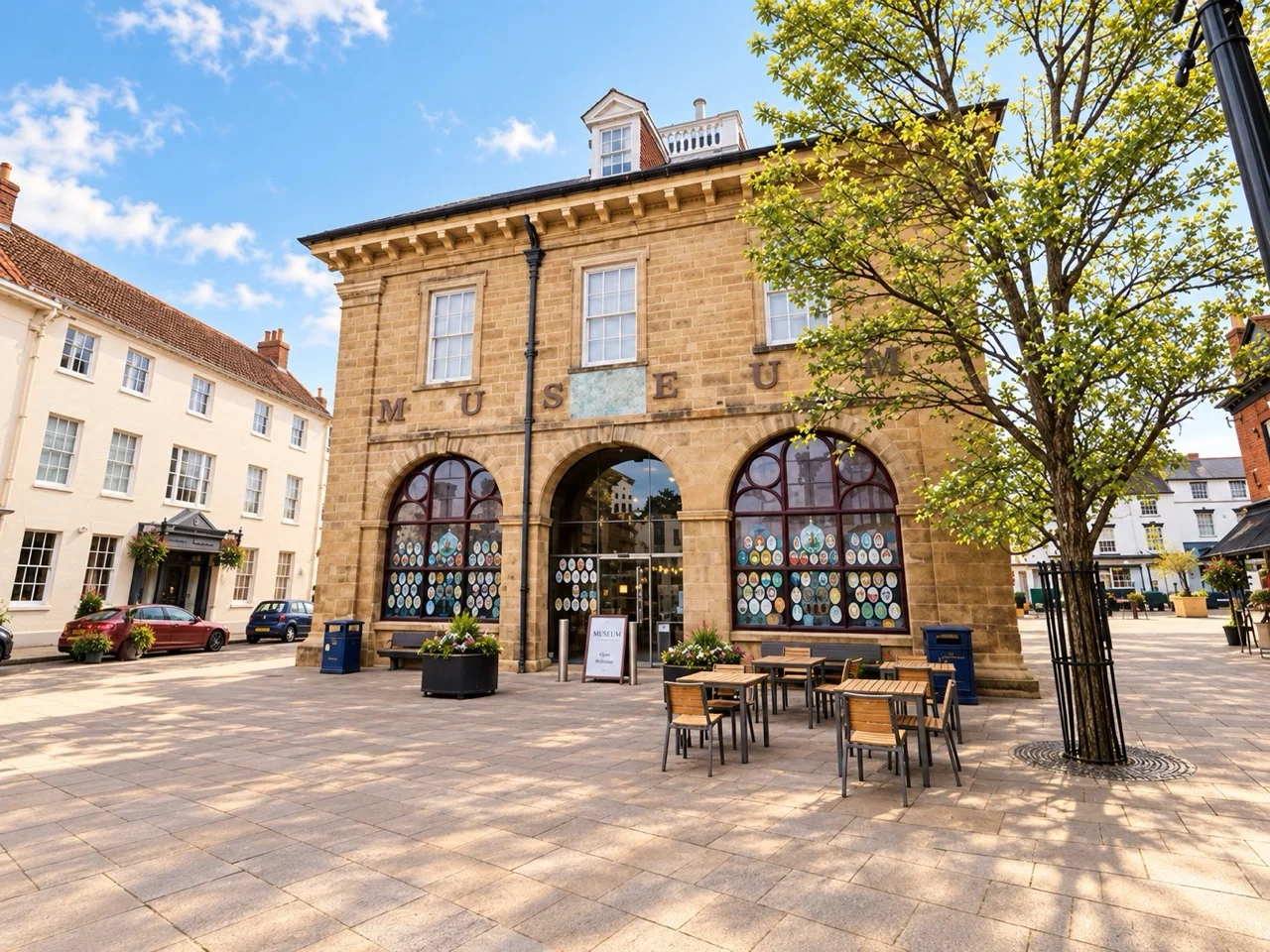
Because it is centrally placed, it can be paired with lunch or a walk around Market Place. Check current opening days before visiting, as the museum is not open every day.
The Mill Garden and the river below the castle
For the most atmospheric view of Warwick Castle from outside, head towards the River Avon and the Mill Garden. The garden sits between the castle walls and the riverbank, with planting, mature trees and winding paths framing the castle from below.
It is a small stop rather than a major garden visit. Its value is the perspective: the castle feels taller, more fortified and more closely tied to the river landscape than it does from the town centre. The view is especially effective when you want a pause after the busier attractions.
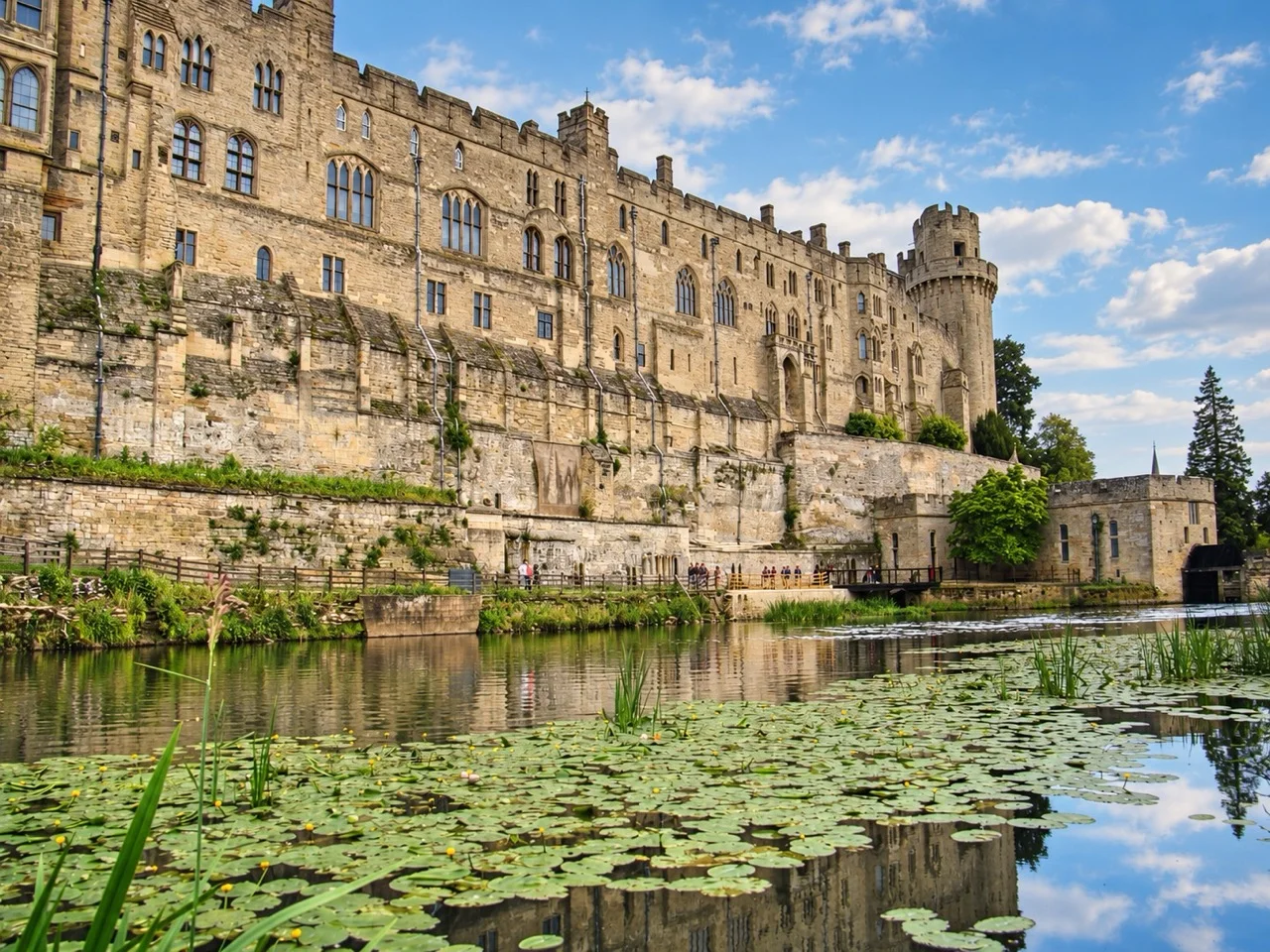
Access and opening arrangements may vary, so check before making a dedicated visit. If it is closed, the walk around Mill Street and the riverside still provides a worthwhile change of scene.
What to skip on a short visit
Warwick’s compact size can create the impression that everything must be fitted in. It does not. On a short visit, avoid collecting minor stops simply because they appear on a map.
- If you have only three or four hours, choose the castle and a walk through the central streets. Adding several interiors will make the day feel rushed.
- If the castle is not your main interest, spend less time on the large-scale attractions and prioritise Lord Leycester Hospital, St Mary’s Church and the streets around Market Place.
- Do not plan Hill Close Gardens as a late-day certainty without checking its seasonal opening.
- The town’s independent shops and cafés are pleasant additions, but they should support the historic visit rather than become a checklist in themselves.
- If you have already visited several major English castles, Warwick’s strongest new material may be the town’s smaller historic buildings and gardens.
A considered one-day plan
Begin at Warwick Castle, ideally early enough to see the main interiors and grounds before the day becomes busy. Leave the castle around lunchtime and walk into the centre via Castle Street and Market Place. This gives you a natural transition from the large attraction to the town itself.
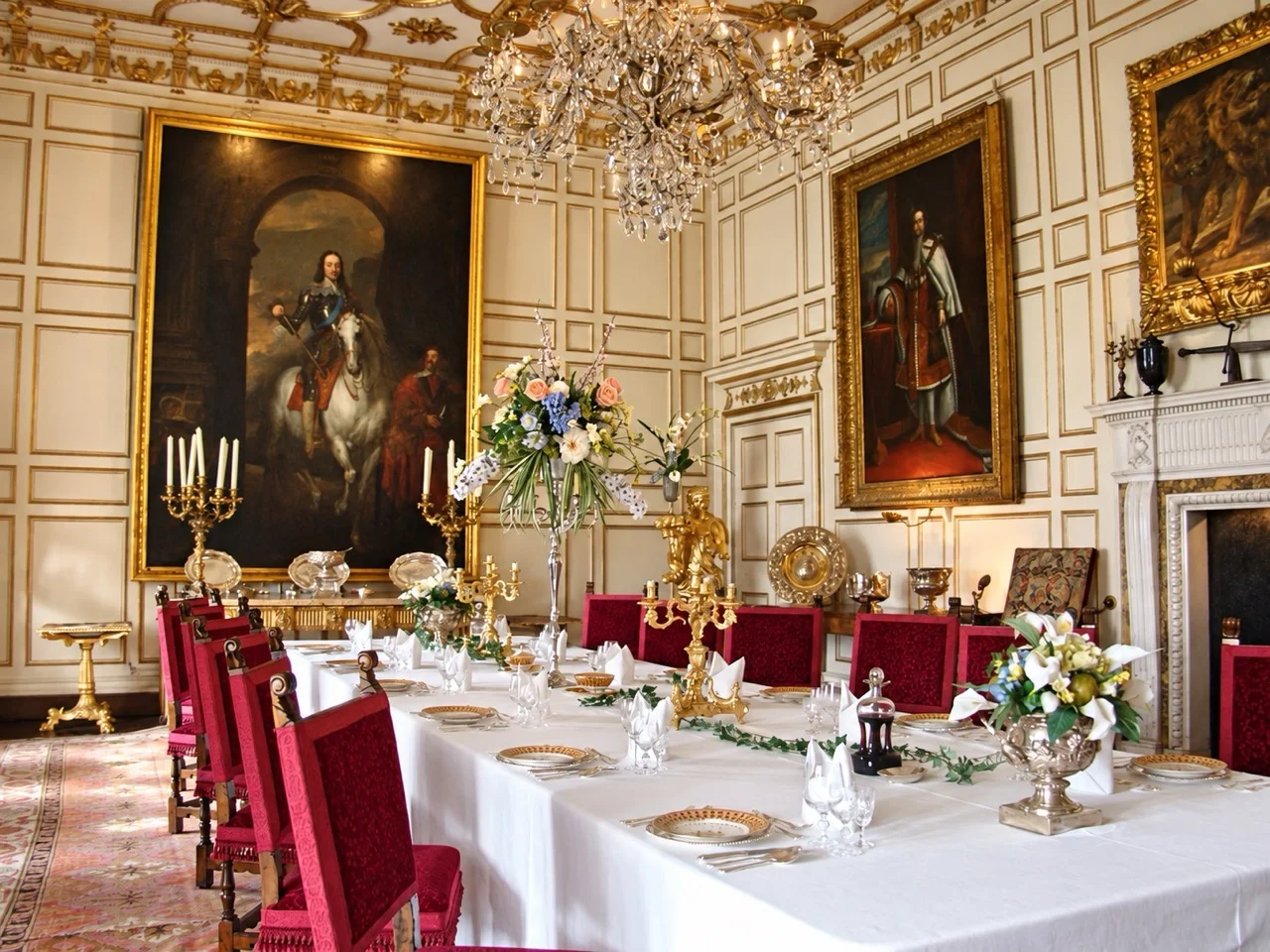
After lunch, choose Lord Leycester Hospital and St Mary’s Church. Their scale is more intimate than the castle, and together they explain how Warwick functioned as a medieval and early modern town. If the church tower is open, make the climb before leaving the centre.
Finish with Mill Street and the river, adding the Mill Garden if access permits. If you have more time or prefer gardens to another historic interior, substitute Hill Close Gardens for one of the shorter central stops.
A better weekend version
With one night, Warwick becomes considerably easier to enjoy. Give the castle its own half-day, then use the following morning for the town’s smaller sites. This avoids the common mistake of trying to combine every attraction into one continuous circuit.
An overnight stay also creates room for the town’s quieter hours. Early morning is the best time to walk through the central streets before day visitors arrive, while late afternoon brings better conditions for the river and castle views. You do not need a long itinerary; you need enough time to stop treating Warwick as a single attraction.
Practical notes
Warwick’s historic centre is walkable, but expect uneven surfaces, steps and occasional slopes around the castle and riverside. Comfortable shoes matter more here than a detailed transport plan.
Opening hours, ticket arrangements and seasonal programmes change, particularly at Warwick Castle, Lord Leycester Hospital, St Mary’s Church and Hill Close Gardens. Check the official websites shortly before travelling, and allow extra time if a particular show, tower climb or guided visit is important to you.
The castle is the most family-oriented part of the visit. The town’s historic buildings are better suited to visitors who enjoy architecture, atmosphere and interpretation in smaller doses. A balanced day works best when you combine the spectacle of the castle with at least one quieter stop.
How long we’d stay: One full day for the essentials; one night for a more relaxed visit.
What we’d prioritise: Warwick Castle, Lord Leycester Hospital, St Mary’s Church and a walk through the streets around Market Place and Mill Street.
Worth the detour: Hill Close Gardens, particularly if you prefer quiet heritage sites to another large attraction.
Our take: The castle is worth seeing, but Warwick’s strongest quality is the concentration of different kinds of history within a small area.
Our take
Warwick Castle is worth the journey, but it is not the whole reason to come. The town has an unusual concentration of substantial history within a small, manageable centre: a powerful medieval church, a living charitable institution, old guild buildings, Victorian gardens and streets that still make sense as streets rather than scenery.
Give the castle the time it deserves, then step beyond the walls. Warwick becomes more interesting when the visit slows down and the details begin to sit alongside one another.