Copenhagen itineraryDanish designArchitectureNeighbourhoodsHarbour walksMuseumsFood marketsActive city break
This active three-day Copenhagen plan balances the historic centre with the city’s more lived-in districts. You’ll see major architectural landmarks and museums, but the route leaves room for coffee, markets and unhurried walks rather than treating the city as a checklist.
The days are grouped geographically: central Copenhagen and Christianshavn first, Nørrebro and Frederiksberg second, then the harbour and Refshaleøen. Use walking for the compact central stretches and public transport when it saves energy.
DAY 1
Old Copenhagen, design and Christianshavn
Indre By and Christianshavn
Breakfast
TorvehallerneKBH
Start with coffee, a pastry or a simple open sandwich at Copenhagen’s covered market. It is a practical first stop for sampling Danish food without committing to a long restaurant meal.
Walk through the King’s Garden before visiting Rosenborg if the interiors appeal. The castle offers a concentrated introduction to Danish royal history, while the surrounding park gives the morning some breathing room.
Take the distinctive ramp to the Round Tower for a compact city view, then wander through the streets around Gråbrødretorv and Købmagergade. This is a good point to browse independent shops rather than adding another formal attraction.
Choose a casual café or bakery near the university quarter. Keeping lunch flexible makes it easier to adjust the afternoon around museum energy levels.
Spend the afternoon with Danish furniture, applied arts and design history. It fits your architecture interest while offering a quieter contrast to the busier central streets.
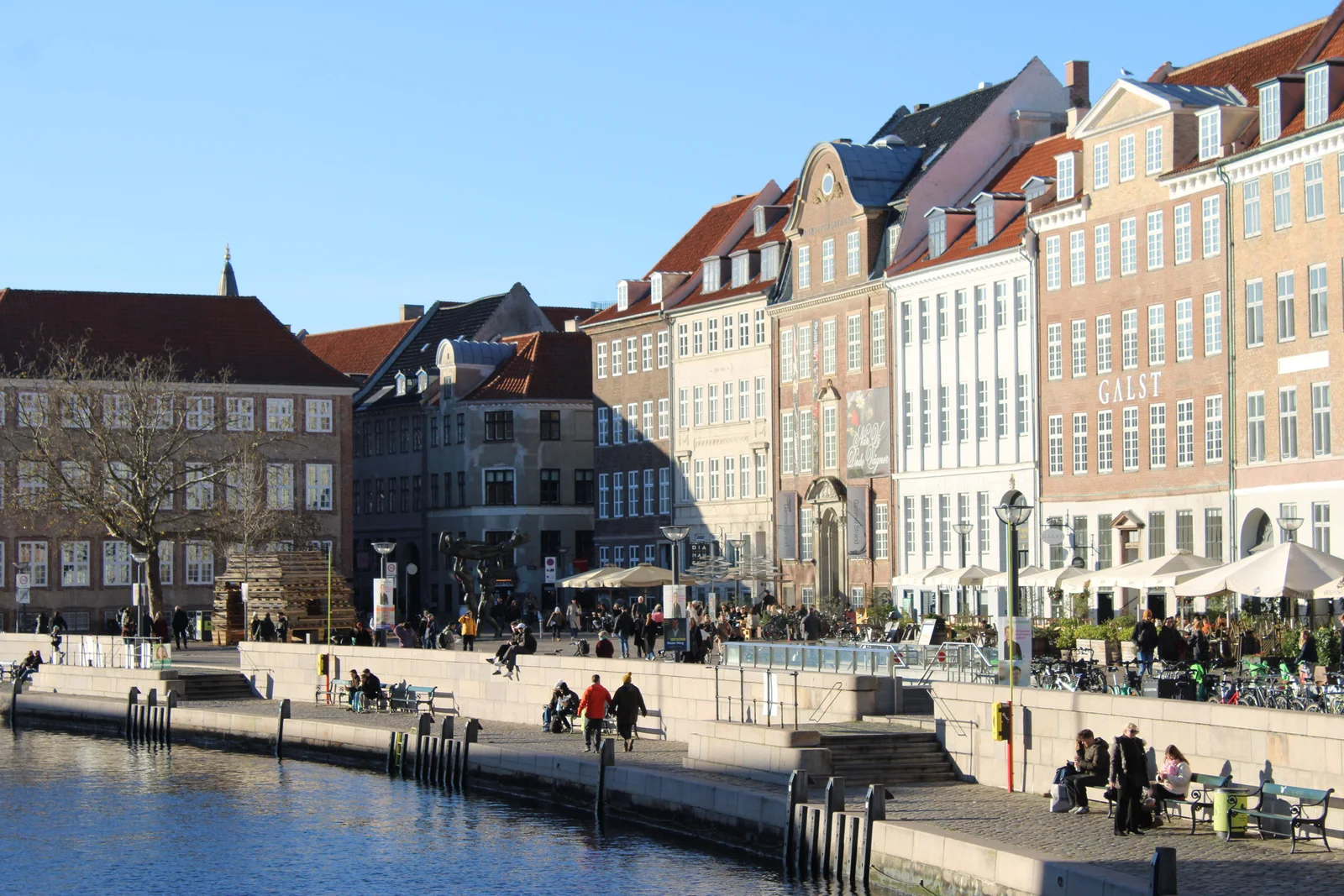
See Nyhavn briefly, then continue along the harbour toward the Black Diamond and the bridges into Christianshavn. The longer waterfront route is more rewarding than lingering only at the colourful canal.
Look for a relaxed neighbourhood restaurant around Christianshavn’s canals. Reserve ahead if you have a specific place in mind, but keep the evening low-key after a full walking day.
Plan BIn sustained rain, shorten the harbour walk and use the afternoon for the National Museum of Denmark or SMK instead.
DAY 2
Nørrebro’s streets, public spaces and Frederiksberg calm
Nørrebro and Frederiksberg
Coffee
Coffee and breakfast in Nørrebro
Begin around Jægersborggade or Stefansgade, where independent cafés and small shops make a more local-feeling start than the historic centre. Choose one café and allow time for the neighbourhood to unfold on foot.
Walk through this green, atmospheric city space toward the Nørrebro streets. It is both a historic cemetery and an everyday park, with paths that provide a slower transition between neighbourhood stops.
Continue north to Superkilen, a long public park shaped by objects and visual references from the area’s diverse communities. Treat it as an urban-design walk rather than a standalone attraction.
Choose from the neighbourhood’s casual Middle Eastern, Nordic, Asian and vegetarian options. Nørrebro is a better place for an informal, budget-aware lunch than for a planned fine-dining stop.
Take public transport or walk southwest to Frederiksberg Gardens for a change of pace. The broad paths, lawns and water make this a useful restorative stretch after the denser urban morning.
Browse Værnedamsvej or the streets around Frederiksberg Allé for a final coffee and a little shopping. This gives you a softer, residential side of Copenhagen without adding another major museum.
Finish in Vesterbro, where the area around Istedgade and the Meatpacking District offers plenty of casual dining. Walk a little before choosing a table rather than crossing the city for one named restaurant.
Plan BIf the gardens are unpleasant in bad weather, replace them with SMK or Copenhagen Contemporary and keep the Nørrebro coffee-and-street-food focus.
DAY 3
Harbour architecture, contemporary art and Reffen
Islands Brygge, Christianshavn and Refshaleøen
Walk
Islands Brygge harbour walk
Start beside the harbour and walk north toward the centre, noticing the mix of converted industrial buildings, modern housing and public waterfront spaces. This is an easy way to see Copenhagen’s contemporary city-making without a formal tour.
Use the Danish Architecture Center for a focused look at Danish architecture, urban planning and the city’s relationship with the harbour. Check the current exhibition programme before visiting and choose one exhibition rather than trying to do everything.
Have lunch near BLOX or walk back toward Christianshavn for more choice. A casual meal here keeps the route efficient before the longer trip to Refshaleøen.
Return to Christianshavn for a final canal walk and a look at Church of Our Saviour. Climbing the tower is optional and weather-dependent; the neighbourhood streets are worthwhile even if you stay at ground level.
Take public transport or a harbour connection, where operating, to Refshaleøen and visit Copenhagen Contemporary. The former industrial setting adds architectural interest, while the large-scale installations make this a distinct counterpoint to the city’s historic museums.
If operating during your visit, finish at Reffen for an informal dinner from its food stalls and a harbour-side atmosphere. The market is seasonal, so check the current calendar before building the evening around it.
Plan BFor poor weather or an off-season visit, replace Reffen with TorvehallerneKBH or a restaurant in Christianshavn and spend longer at Copenhagen Contemporary.
Mindful Vacation
Want a trip built around you?
Tell us where you are going, what matters to you and how you like to travel. We will build a personal itinerary around you.