Most first-time visitors arrive in Croatia with a fairly clear picture in mind: medieval streets, impossibly blue water, islands and long summer evenings. All of that is real. But some of the most memorable discoveries happen away from the big sights — at a neighbourhood café, in a morning market or while trying to understand why nobody seems particularly interested in bringing the restaurant bill.
For Americans, some of these small cultural differences can be surprising. Not because one way of living is better than the other, but because familiar activities — coffee, shopping, dining, meeting friends — follow slightly different rules here. And those rules are part of what makes Croatia interesting beyond a summer holiday.
1. Coffee is not a drink. It's an appointment.
In much of the United States, coffee can be something you collect on the way to work. In Croatia, “Let's go for coffee” — idemo na kavu — often means something closer to “Let's spend time together.”
The coffee may take five minutes to drink. The conversation can last an hour, sometimes two. People meet before work, after work, between errands or simply because they haven't seen each other for a while. No elaborate reason is required. A single espresso or coffee with milk can be the beginning of a proper catch-up.
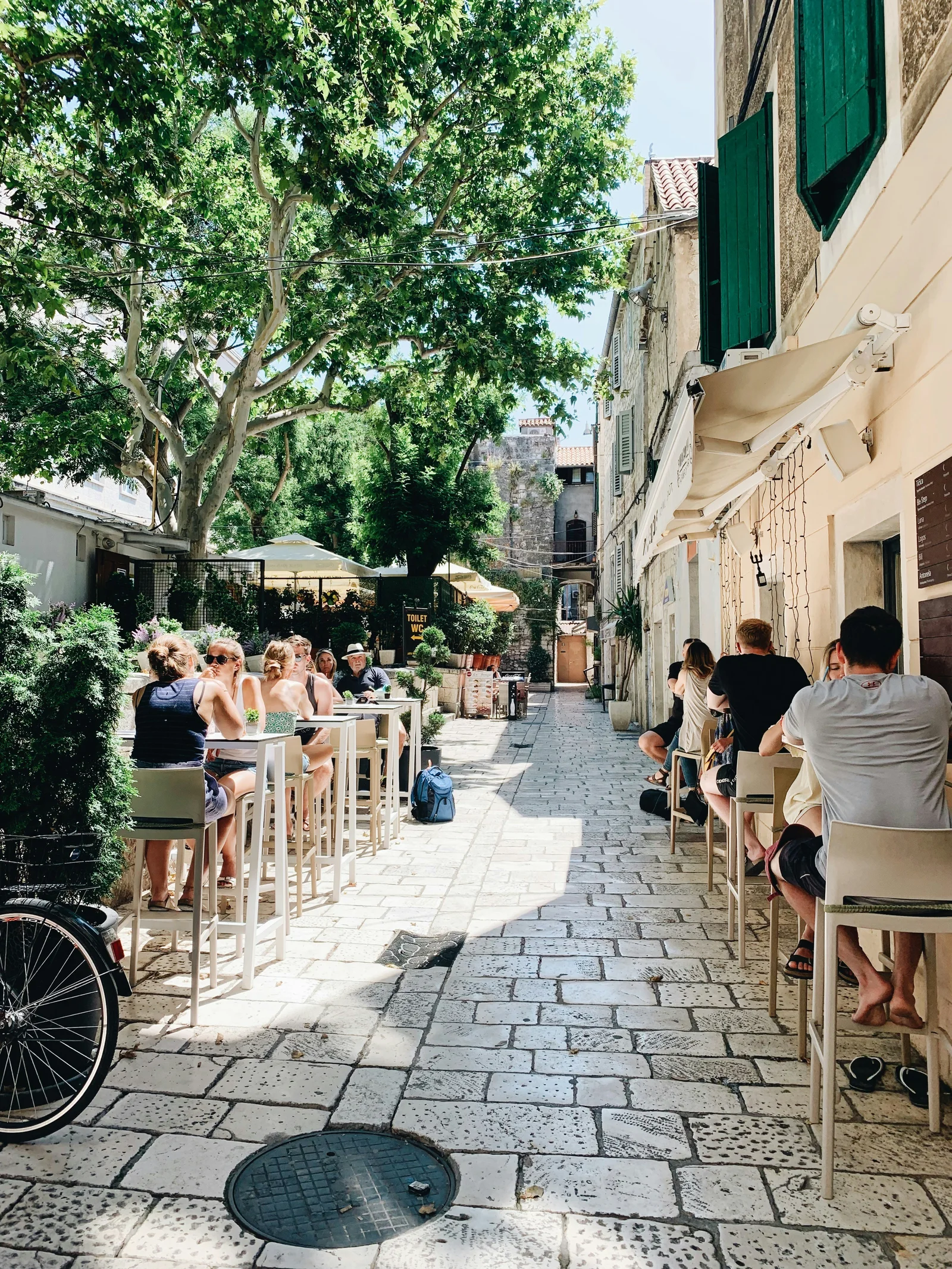
It doesn't mean Croatians have endless free time. The ritual is about making space for other people, even during an ordinary week. And it is not confined to the coast: café culture is just as much part of everyday life in Zagreb, Varaždin, Čakovec and countless smaller towns.
“We went for coffee at ten. I thought we'd be done in twenty minutes. At noon, we were still talking — and nobody thought that was unusual.”
— Julie, American visitor
Try it: Order a kava s mlijekom (coffee with milk), put your phone away and resist the urge to turn the meeting into a task to complete.
2. “Pomalo” is a whole mood
If you travel along the Dalmatian coast, you may hear the word pomalo. Literally, it can mean “slowly” or “take it easy,” but in conversation it carries a larger idea: not every moment needs to be hurried.
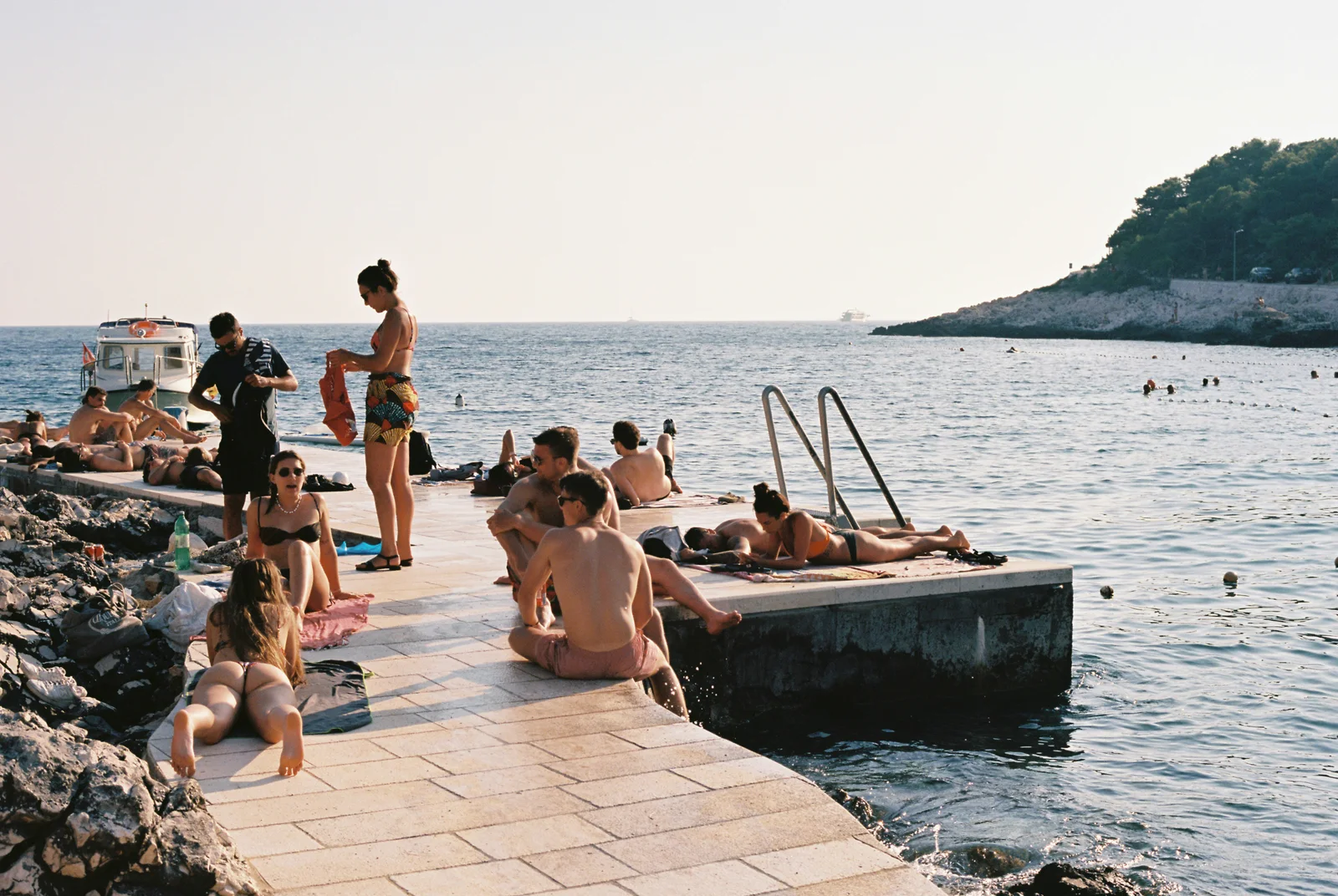
It is not a universal Croatian philosophy. Zagreb during rush hour, for example, can feel anything but relaxed. And people working long summer shifts in tourism are certainly not spending their days doing nothing. Still, in Dalmatia the idea of pomalo captures something visitors often notice: room for a lingering lunch, an extra swim or a conversation that wasn't on the schedule.
“Someone told me 'pomalo' when I was trying to fit three more stops into the afternoon. I thought we were falling behind. They thought we were having a perfectly good day.”
— Tom, American visitor
Perhaps the most useful translation is not “do less,” but “stop measuring every good day by how much you managed to do.”
3. The sense of safety can be unexpectedly reassuring
One of the things some American travellers notice is how comfortable they feel walking through Croatian towns in the evening. A waterfront promenade might still be busy after dinner, with couples, families, teenagers and older residents all sharing the same public space.
Croatia is generally considered a safe destination. The U.S. State Department currently places it at Level 1: Exercise Normal Precautions — its lowest advisory level. That doesn't mean crime never happens. Pickpocketing, unattended belongings and tourist-area scams still warrant ordinary care, especially in crowded places.
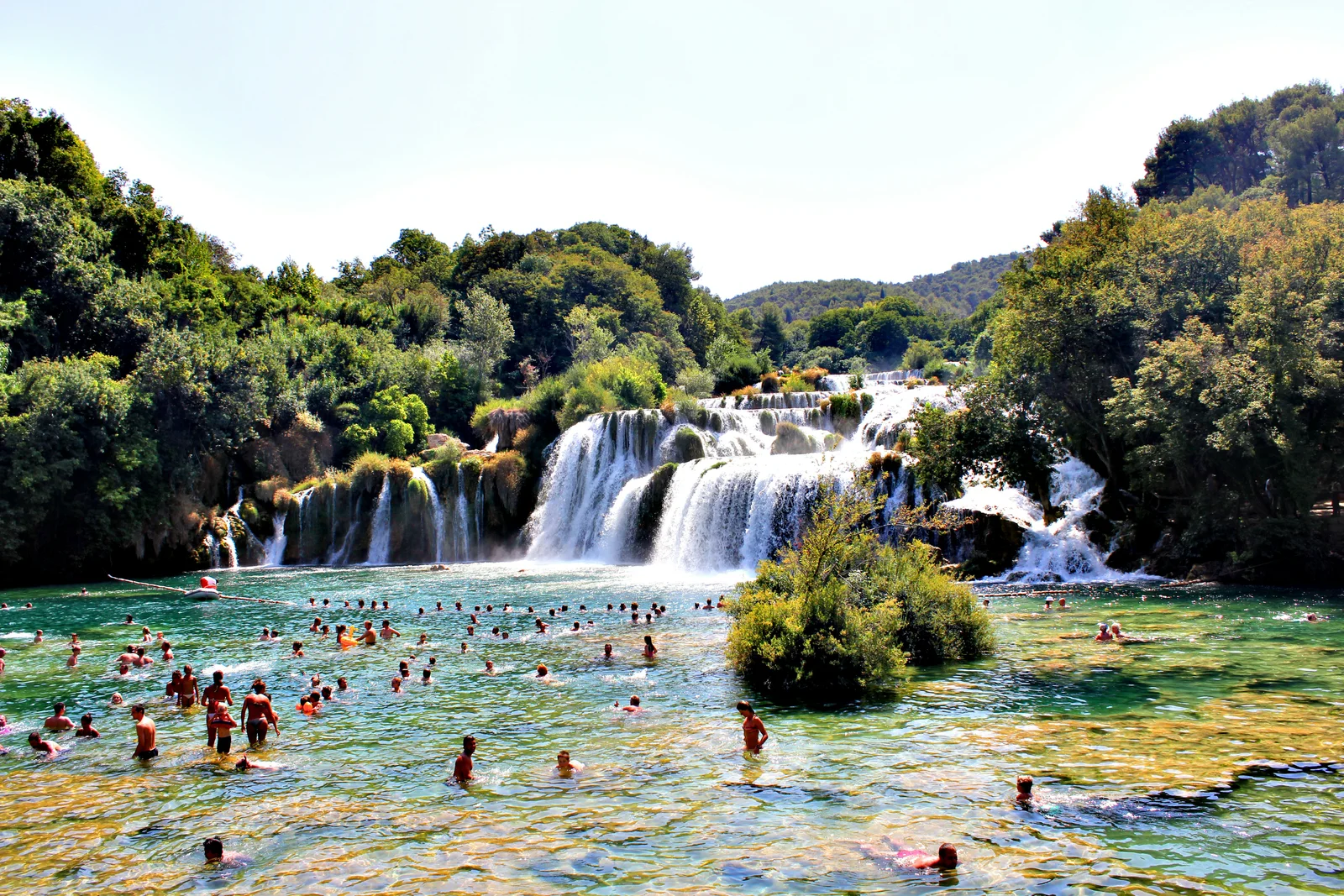
But for many visitors, the striking part isn't a statistic. It's the atmosphere of a town square that remains lively well into the evening without feeling like an organised event.
“We walked back after dinner and there were children with their parents, grandparents on benches and people talking outside cafés. It felt alive, but also surprisingly relaxed.”
— Justin, American visitor
4. The waiter may not bring your bill until you ask
In an American restaurant, an attentive server may check in frequently and bring the bill once the plates are cleared. In Croatia, especially in cafés and more relaxed restaurants, you are often left to enjoy the table until you signal that you're ready.
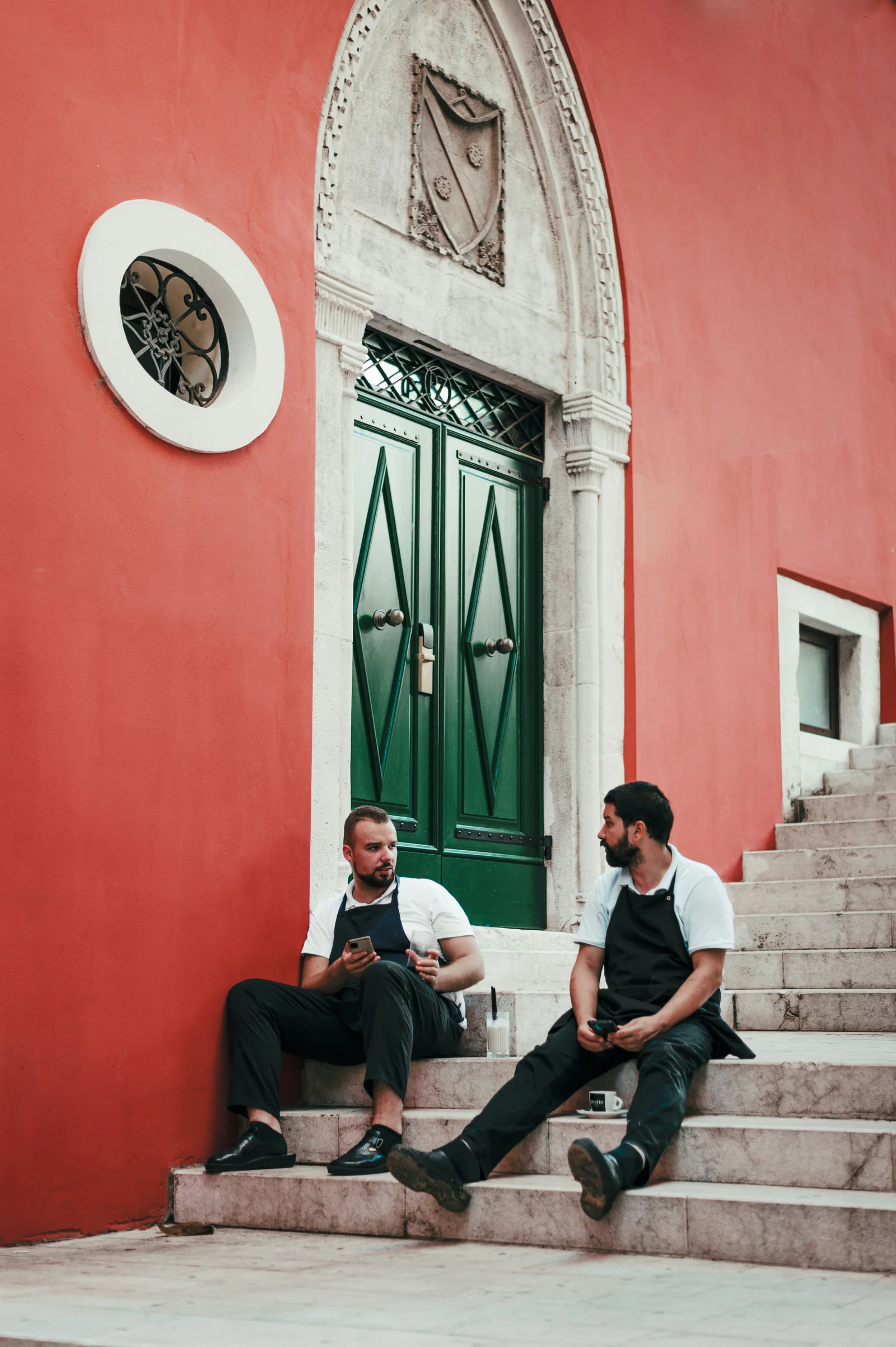
That can initially feel like being forgotten. More often, it is simply a different approach to hospitality. A meal doesn't need to end the moment the last fork is put down.
When you're ready, say “Račun, molim” — “The bill, please.”
Tipping is another adjustment. It is appreciated, but there is no automatic expectation that every guest must add an American-style 20%. Rounding up for coffee or leaving around 10% for good restaurant service is a familiar gesture; the amount remains your choice.
“I kept wondering why nobody brought the check. Then I realised we were expected to decide when dinner was over. It was such a small thing, but it changed the whole evening.”
— Sandra, American visitor
5. Saturday morning can look like a social occasion
In Zagreb, a Saturday morning coffee has practically become an event of its own. It's called špica: people meet in the city centre, find a table, dress with a little more care and watch the city go by.
Around the Flower Square and neighbouring streets, a simple coffee can turn into hours of conversation and people-watching. You do not need a special invitation or a complicated plan. Being there is the point.
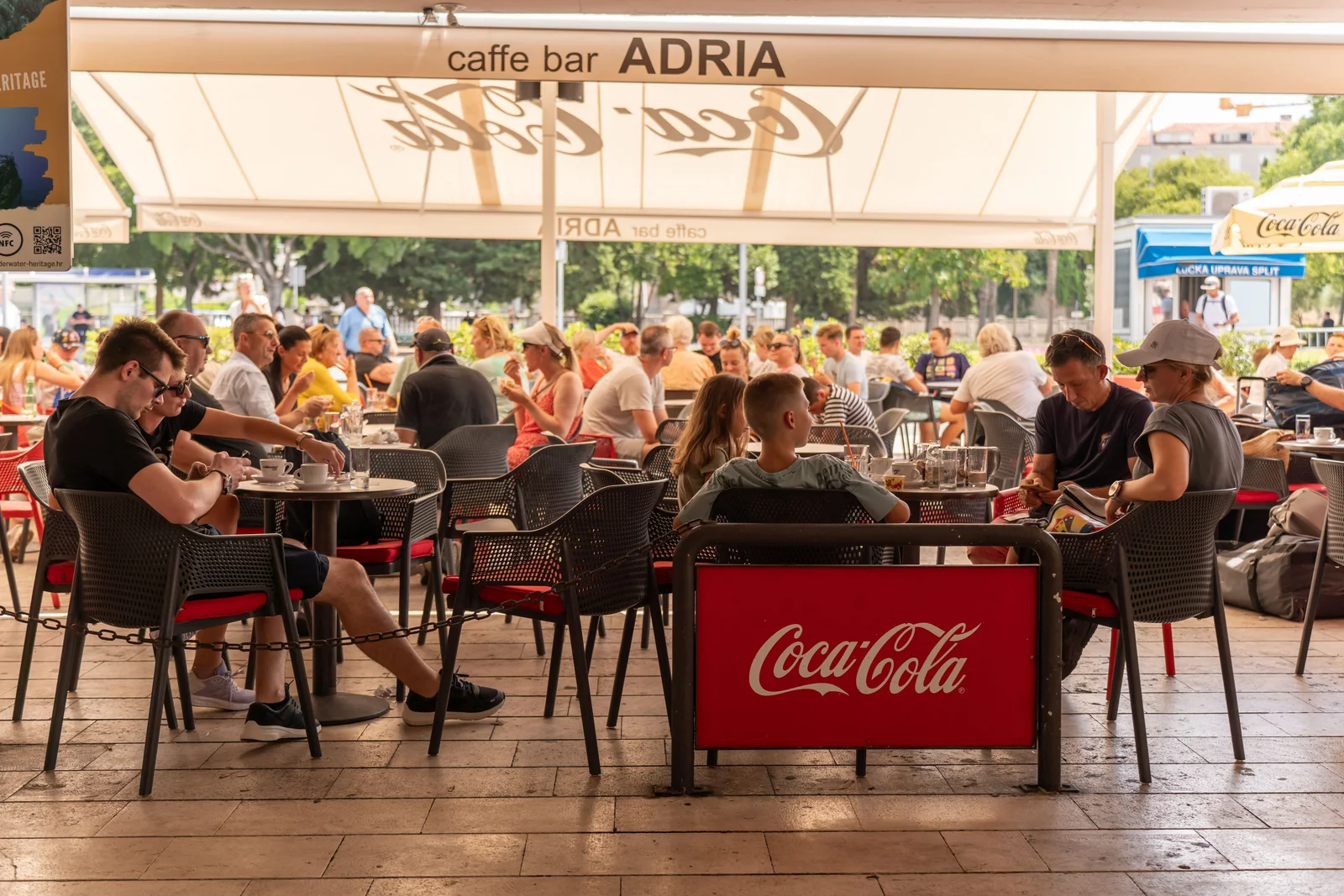
Other Croatian towns have their own versions of this ritual, even when they don't call it špica. The common element is that the café terrace functions almost like an extension of the living room.
If you want to understand a city, try spending a Saturday morning where locals have their coffee rather than rushing directly to the next attraction.
6. Sunday shopping requires a little planning
Americans accustomed to supermarkets opening seven days a week may find Croatian Sundays surprisingly inconvenient.
Most shops are generally closed on Sundays, although Croatian trading rules allow retailers to choose 16 working Sundays each year, with exceptions for certain locations and types of business. Cafés, restaurants and tourist activities follow different patterns.
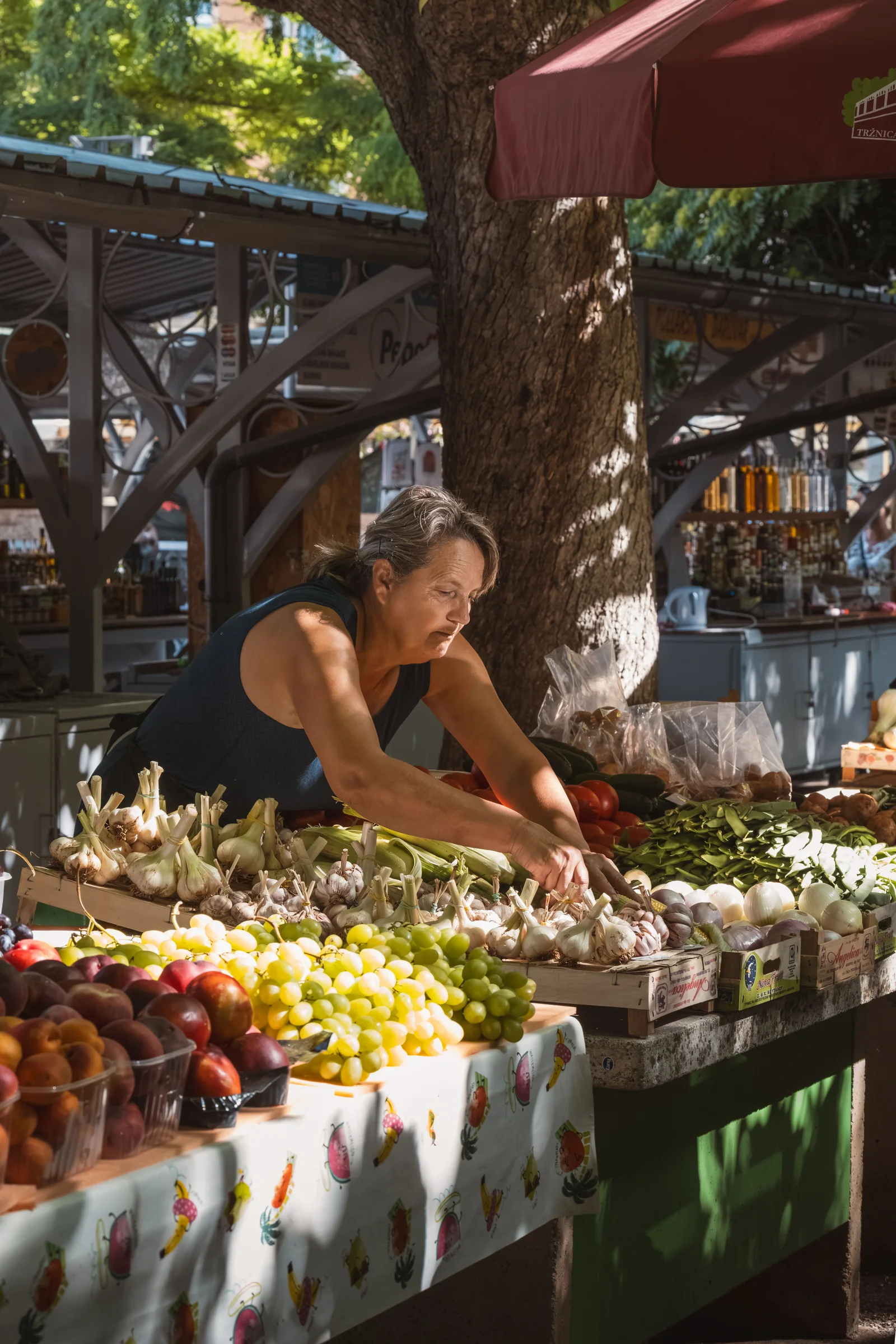
In practice, this means a supermarket that was open last Sunday might be closed this Sunday. It is worth checking the specific store rather than assuming every branch of a chain keeps the same hours.
The upside is that Sunday can feel less centred on shopping. The downside, if you've just arrived at an apartment with an empty fridge, is fairly obvious.
Our advice: Pick up essentials on Saturday and save Sunday for a long breakfast, a walk or lunch with no particular deadline.
7. Bakeries and markets are part of the daily routine
An early-morning visit to a Croatian bakery — a pekara — is a small pleasure that doesn't require a reservation. You might pick up fresh bread, a pastry or a piece of burek, the savoury layered pastry commonly filled with meat or cheese.
Then there are the markets. Depending on the region, you'll hear tržnica, plac or pazar. They are places to buy seasonal fruit, vegetables, cheese and other produce, but they also reveal something about local rhythms. People compare tomatoes, exchange a few words with familiar vendors and shop for what's good that week.
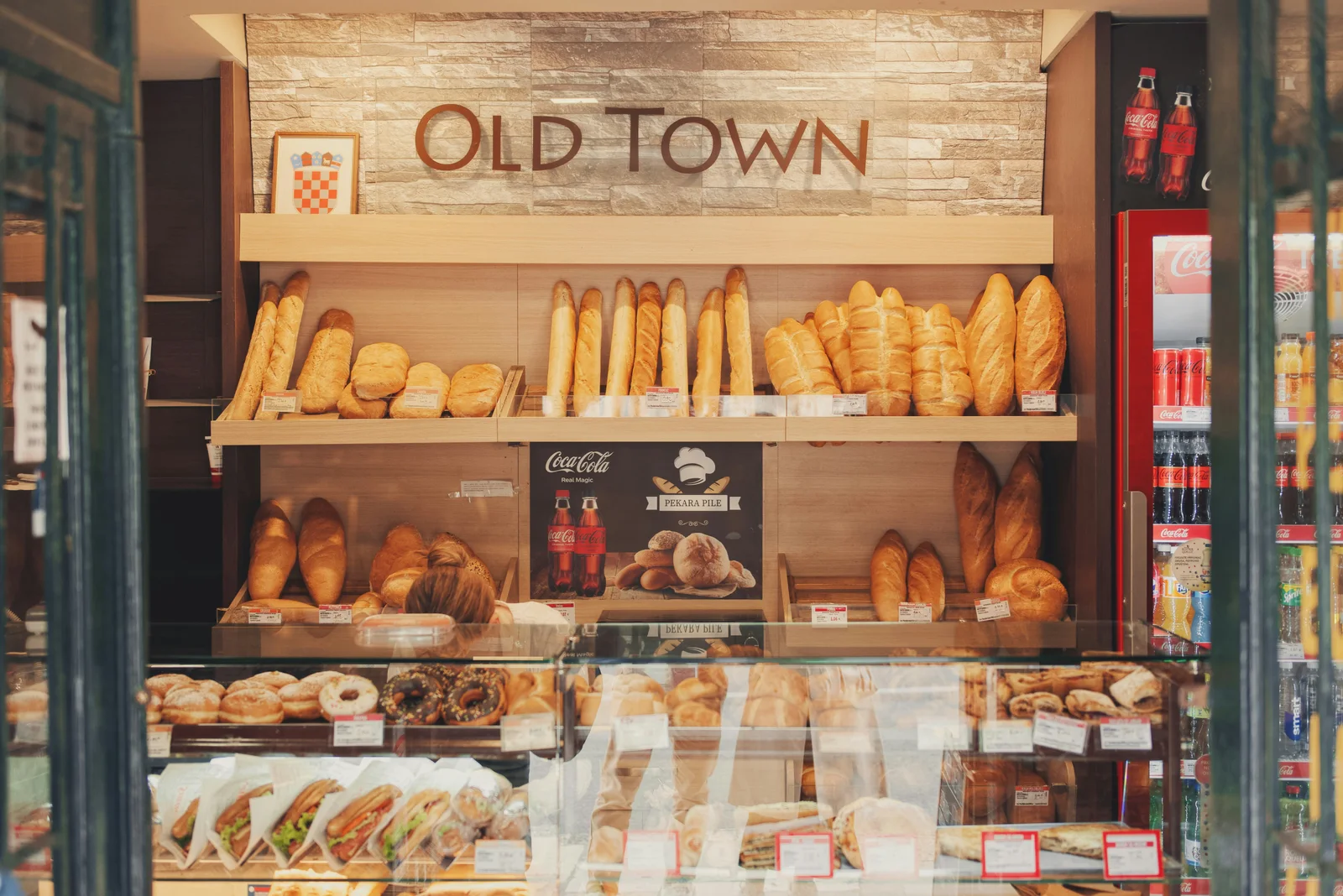
The experience changes with the season: cherries and strawberries give way to figs and grapes, then pumpkins, chestnuts and other autumn produce. Not every product is necessarily local, so ask if provenance matters to you.
For a visitor, a market often tells you more about the ordinary life of a destination than another souvenir shop.
8. The price you see is generally the price you pay
There is a small pleasure in buying something without mentally adding sales tax at the checkout.
In Croatian shops, displayed consumer prices include VAT and applicable taxes, as required under EU pricing rules. Croatia also uses the euro, so there is no separate local currency to learn if you are already travelling within the eurozone.
Of course, this doesn't mean everything is cheap. Popular coastal destinations can be expensive, particularly in peak summer, and Croatia is not the bargain destination some older travel guides still describe.
The surprise is simply that the shelf price is normally the final retail price, rather than a number that grows at the register.
9. The streets and squares feel like shared living rooms
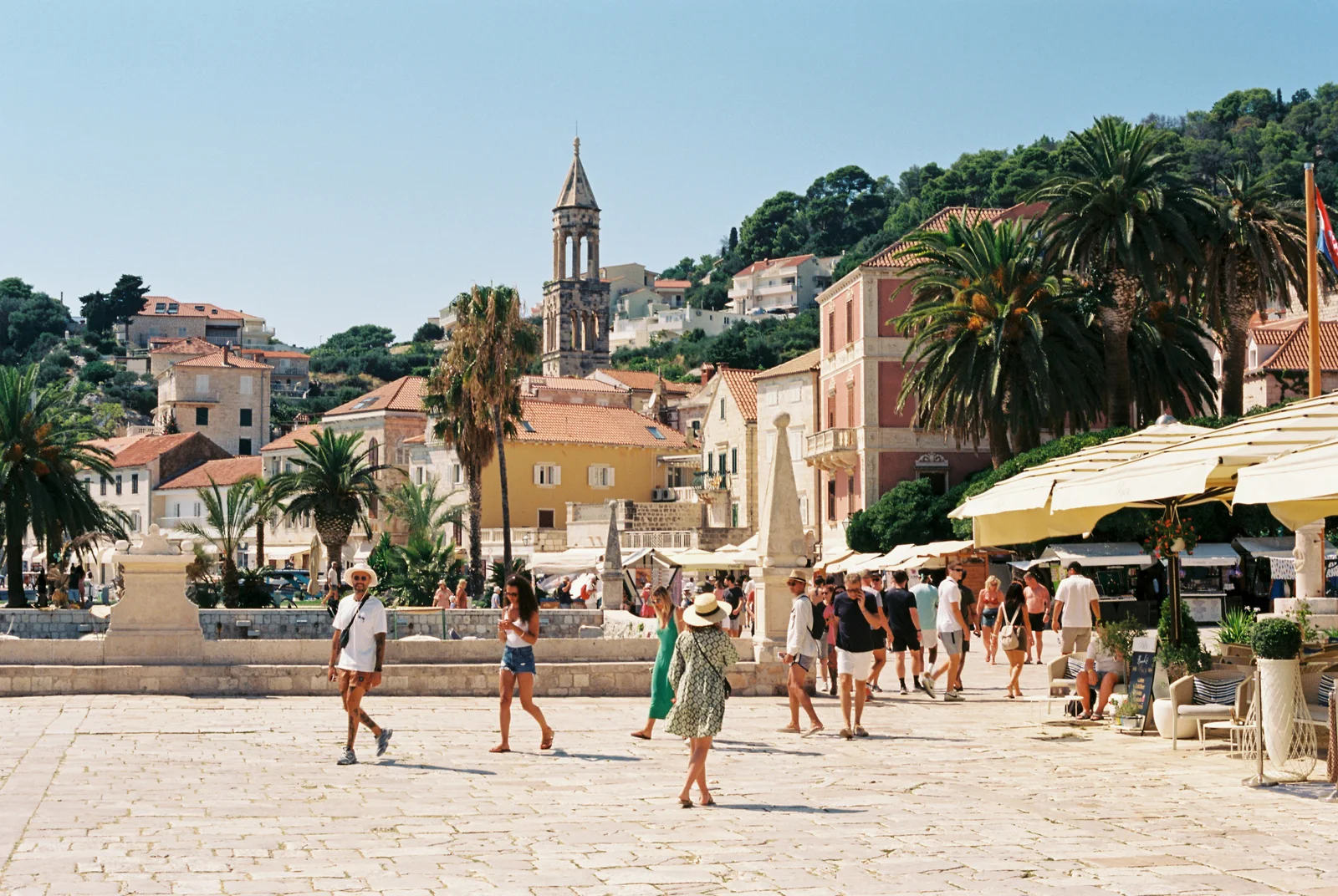
In many Croatian towns, public life unfolds outdoors. People stroll along the riva — the waterfront promenade — stop for an ice cream, sit on a bench or meet someone they know without arranging it days in advance.
On a summer evening, the same square might accommodate children playing, teenagers meeting friends, families on a walk and older residents discussing the news. None of it requires an attraction ticket.
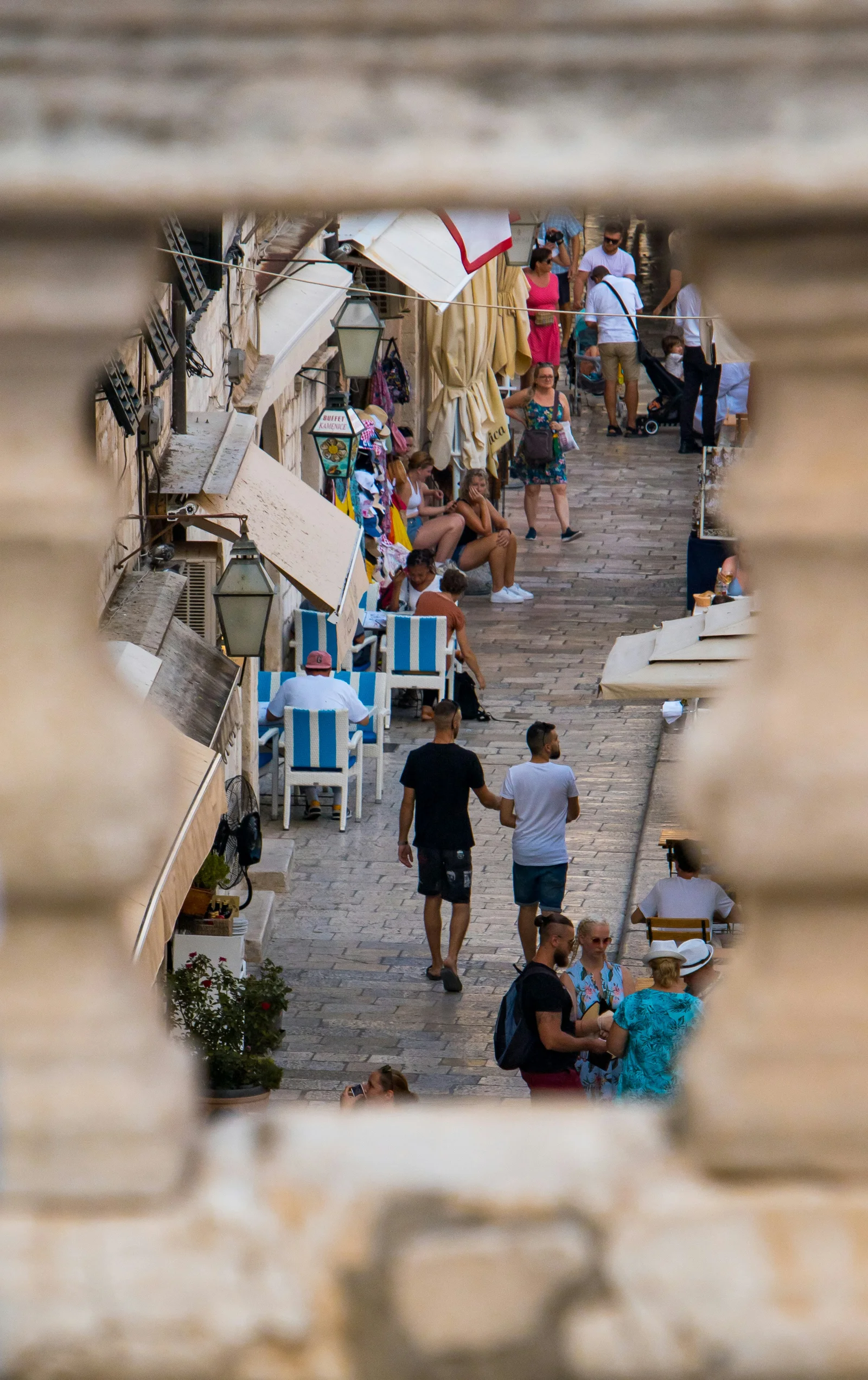
Of course, this changes by season and location. A coastal promenade in August is not the same experience as a continental town on a rainy November evening. Still, the idea that you can enjoy a place simply by being in it — without buying an activity — is part of Croatia's appeal.
There is a useful travel lesson here: leave a little time in your itinerary for the places that don't appear on anyone's “top ten” list.
10. There isn't just one Croatian way of life
Perhaps the biggest surprise is how quickly the country changes as you travel through it.
Dalmatia has its coastal rhythms, seafood traditions and pomalo attitude. Zagreb brings busy city life, café terraces and its own social rituals. Istria feels closely tied to both the Adriatic and its inland villages, while Slavonia and Međimurje offer different food, landscapes and ways of gathering around the table.
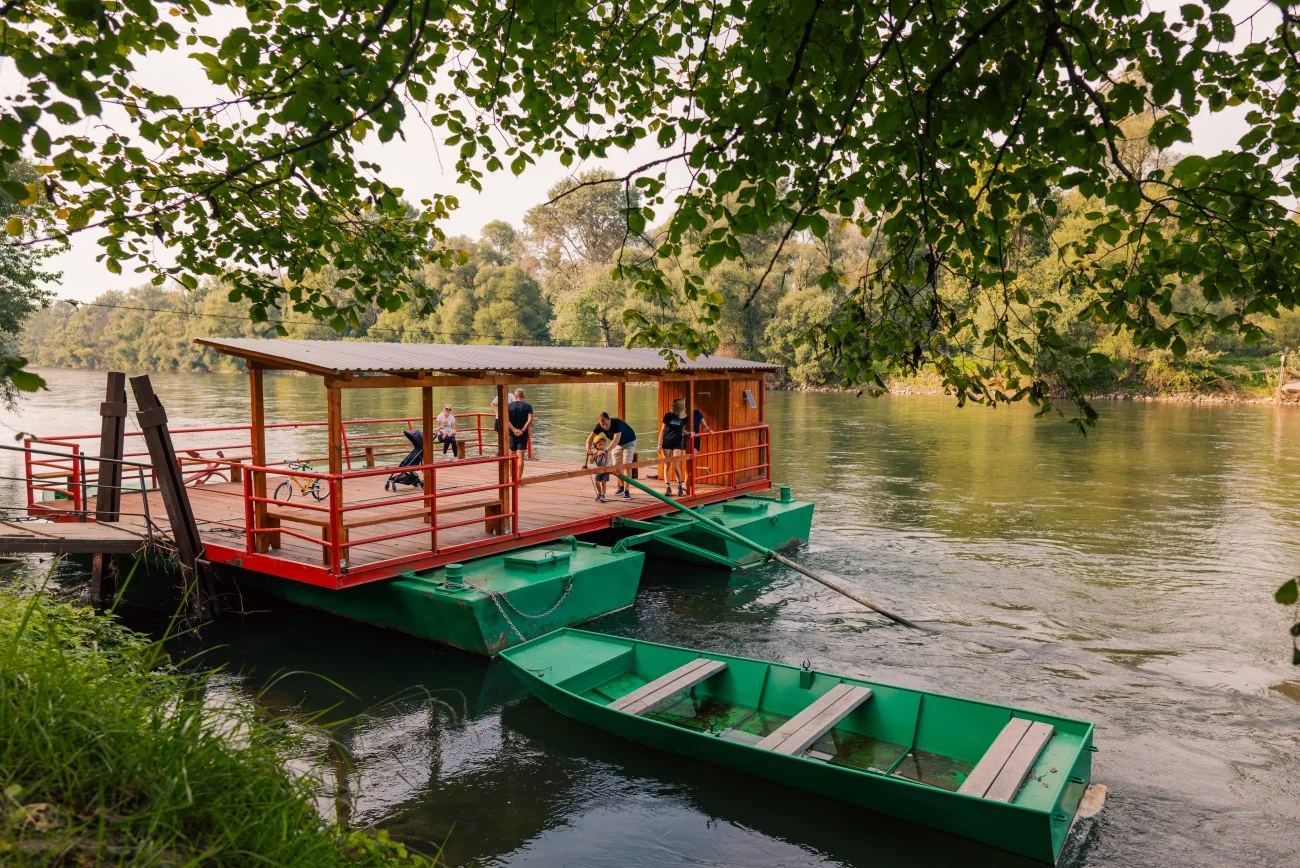
Croatia may look compact on a map, but the differences in dialect, food, architecture and everyday habits are considerable. A weekend in Split and a weekend in Varaždin can feel like two very different journeys.
That is why it's worth exploring beyond the places you already recognise from photographs. The Croatia of island sunsets is real. So is the Croatia of morning markets, vineyards, family lunches, neighbourhood cafés and quiet continental towns.
What surprises us most isn't always what we remember first
Croatia is not a country without schedules, stress, traffic or expensive tourist restaurants. Locals have ordinary working lives, and the relaxed atmosphere visitors encounter on holiday is only one part of the picture.
But travel has a way of making familiar things feel new. You notice how long people stay over coffee. You learn to ask for the bill. You discover that a Saturday morning can be an occasion, and that an evening walk doesn't need a destination.
Come for the coastline, by all means. Just don't be surprised if the memories that stay with you are the ones that had very little to do with sightseeing.