
Estonia
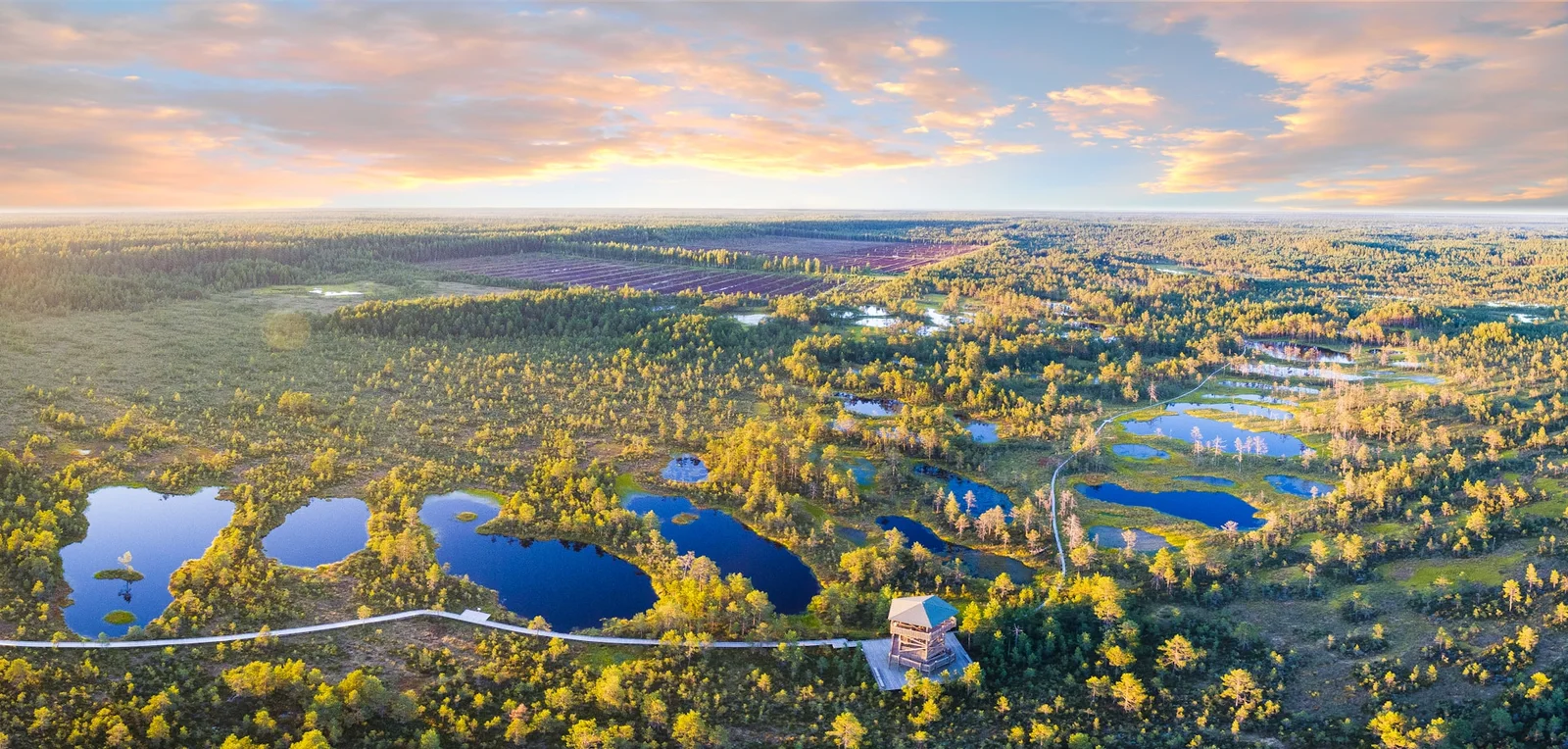
Estonia suits travellers who prefer a quieter rhythm: compact cities, pine forests, bog boardwalks, Baltic islands and long summer evenings. Tallinn brings medieval streets and contemporary cafés, while Tartu, Saaremaa and Soomaa offer a slower change of pace. Expect cool weather, practical infrastructure, excellent digital services and plenty of space to breathe.
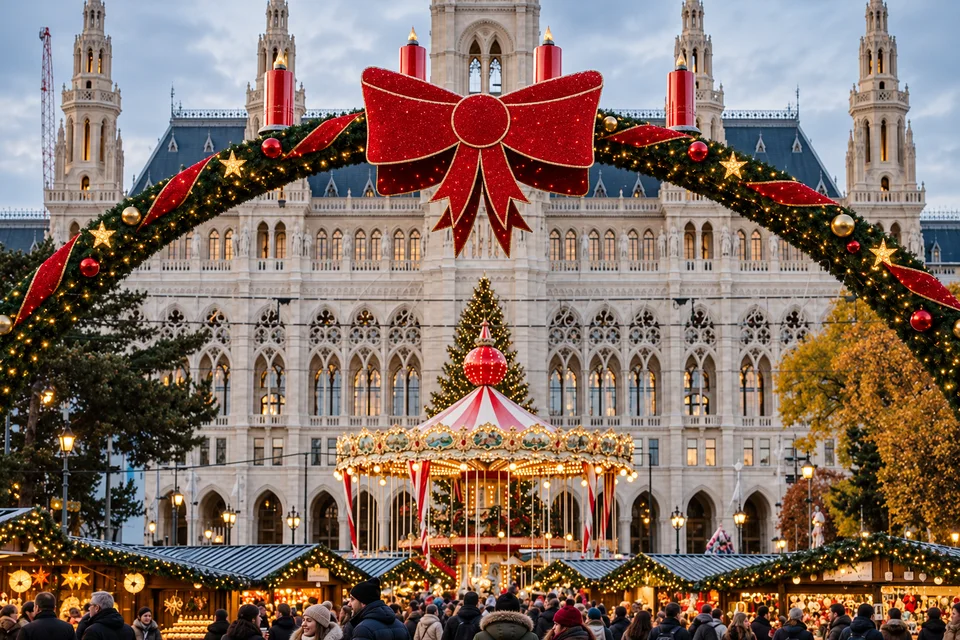
Christmas Markets beyond the usual stops: 22 European cities worth discovering
From Vienna and Strasbourg to Tallinn and Varaždin, these are 22 European Christmas-market destinations worth considering in 2026, with expected dates, local specialities and the best reasons to go.
Read the story →Estonia is small enough for an unhurried trip and varied enough to reward moving beyond Tallinn. The capital’s medieval Old Town, harbour and neighbourhood cafés make a strong first base, while Tartu adds a youthful university atmosphere and a thoughtful cultural scene. Pärnu works well for a seaside pause, especially in summer.
The country’s restorative side lies in its forests, bogs, coastline and islands. Boardwalk walks in Soomaa, quiet roads on Saaremaa and sauna rituals offer easy ways to slow down without turning the trip into a wellness programme. Public transport covers the main towns; for remote nature stays, a car is often the simplest option. Pack layers: Estonia’s weather can shift quickly, and even summer evenings may feel cool.
Useful context, without the checklist overload.
Tallinn and larger towns are easy by tram, bus and train. A car is useful for national parks, rural stays and islands.
Estonia is in the Schengen Area. Visa requirements depend on nationality; visa-exempt visitors generally follow the 90-days-in-180 rule, so check current official guidance before departure.
Tipping is optional but appreciated. In restaurants, round up or leave around 5–10% for good service.
Tap water is safe to drink nationwide. Carrying a refillable bottle is easy and reduces waste.
Type F, 230V, 50Hz. Bring an adapter if needed.
Useful phrases
Frequently asked questions.
Three days works for Tallinn alone. Allow five to seven days if you want to add Tartu, Pärnu, Saaremaa or time in nature.