
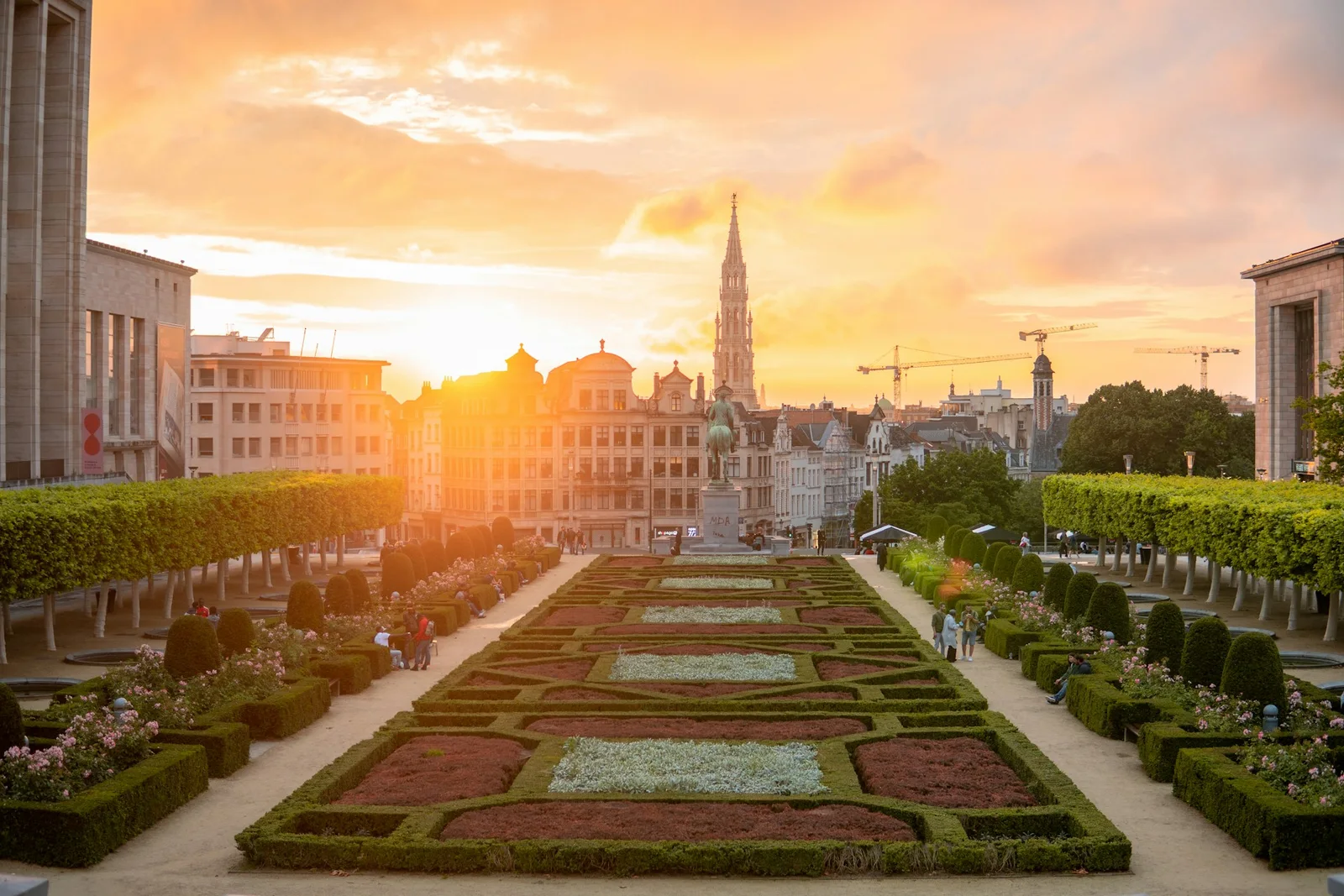
Belgium
Belgium is compact, multilingual and easy to explore, with medieval city centers, modern art, North Sea coastline and the wooded Ardennes all within manageable distances. It rewards travelers who enjoy slow café stops, excellent rail connections, serious food culture and the layered character of a country shaped by Dutch, French and German influences.
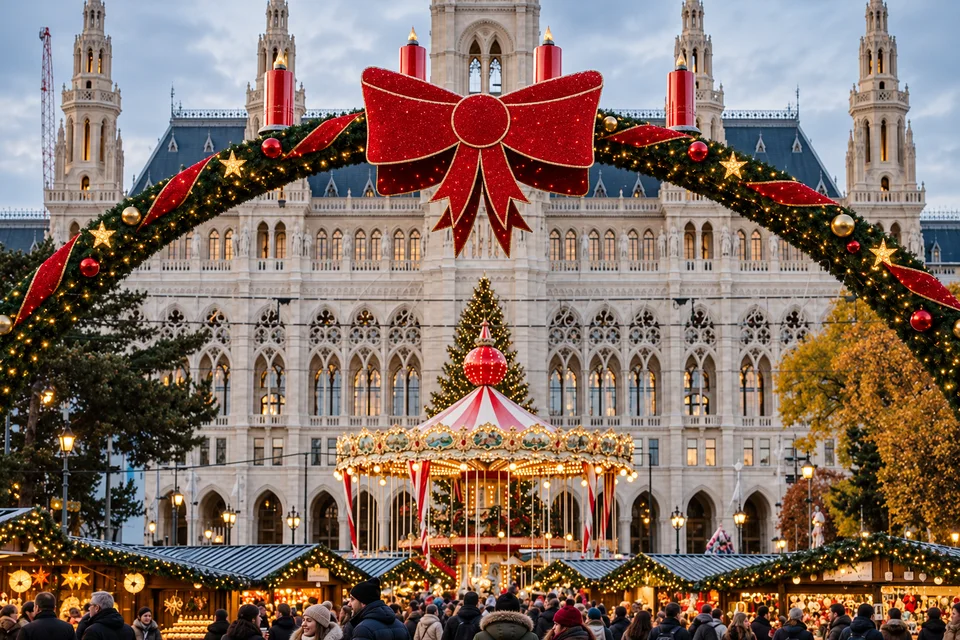
Christmas Markets beyond the usual stops: 22 European cities worth discovering
From Vienna and Strasbourg to Tallinn and Varaždin, these are 22 European Christmas-market destinations worth considering in 2026, with expected dates, local specialities and the best reasons to go.
Read the story →Belgium works well for travelers who prefer depth over distance. Brussels brings museums, Art Nouveau streets and multilingual neighborhoods; Bruges and Ghent offer medieval architecture without requiring a long transfer; Antwerp adds fashion, design and a major port-city energy. The country is small enough to combine several places, but each region has a distinct rhythm and language.
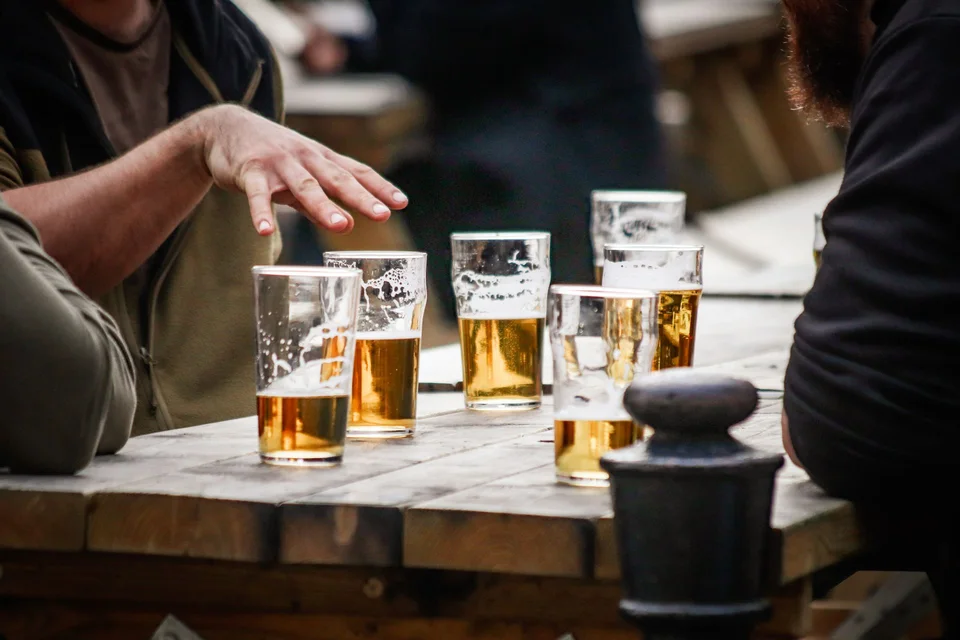
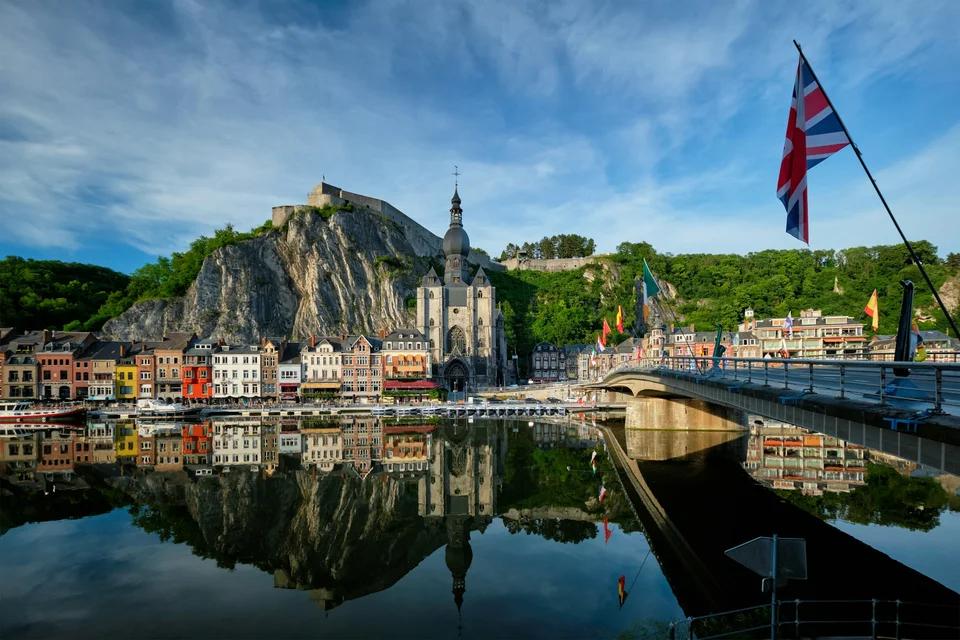
Food is part of the everyday landscape rather than a special occasion: fries, waffles, chocolate, beer, mussels and regional dishes appear in both casual counters and polished restaurants. For a quieter reset, look beyond the headline cities to Leuven, Mechelen, Namur or the Ardennes, where canal paths, forest trails and smaller museums encourage a less hurried itinerary.
Rain is a normal travel companion, so plan flexible days instead of relying on perfect forecasts. Trains are the backbone of independent travel, while city centers are generally manageable on foot. A compact base, a good rain layer and room for unplanned café stops are often more useful than an overpacked schedule.
One thoughtful way to experience Belgium.
Useful context, without the checklist overload.
Trains, trams, buses, cycling
Requirements depend on nationality. Short Schengen stays are generally limited to 90 days in any 180-day period.
5–10% optional
Safe to drink
230V, 50Hz; plugs E/C
Useful phrases
More stories from Belgium.
Frequently asked questions.
Yes. Frequent trains connect Brussels, Bruges, Ghent, Antwerp, Leuven, Liège and many smaller cities. Urban networks add trams, buses and metro services, while central districts are often best explored on foot.