
Switzerland
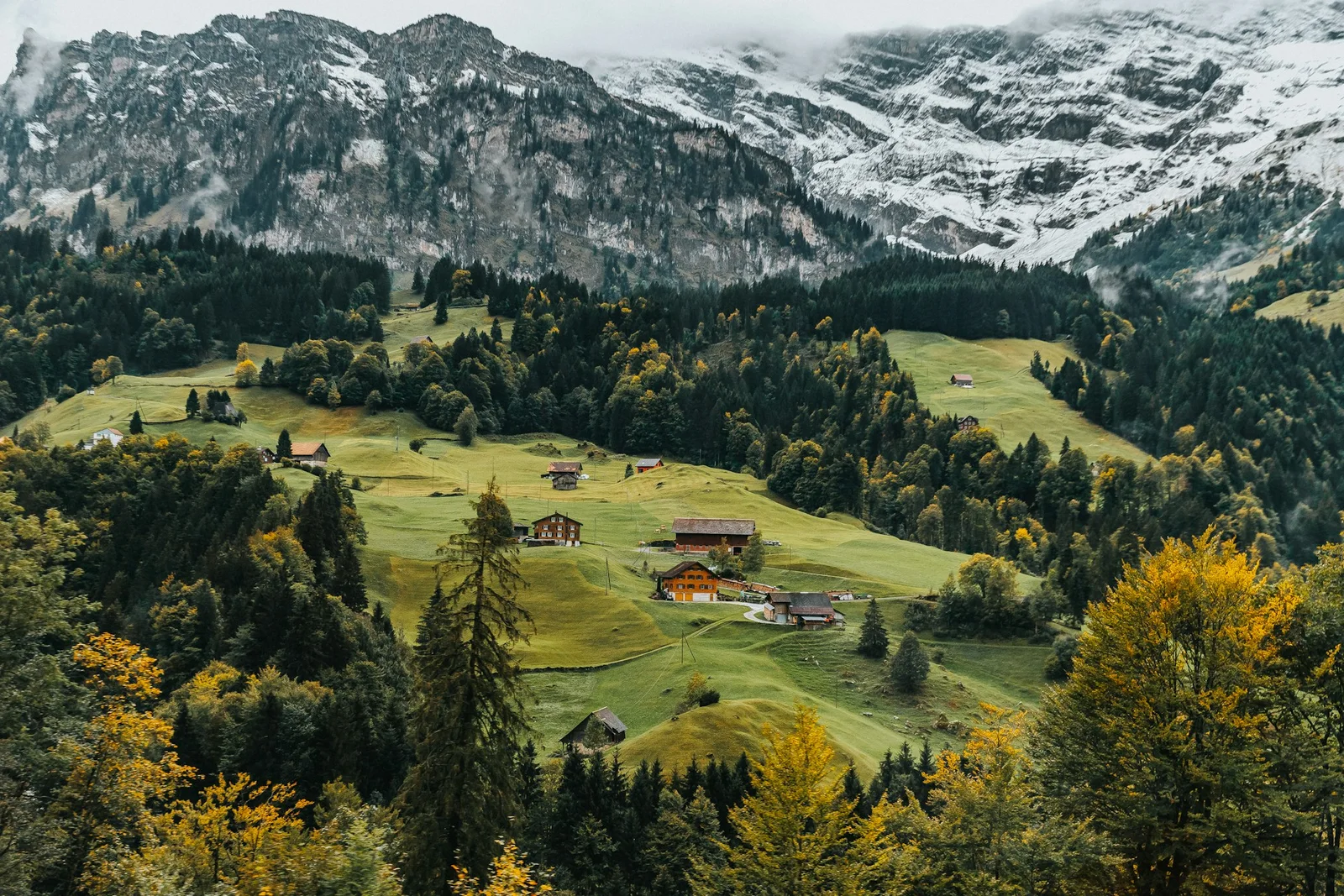
Switzerland works well for travelers who value clear logistics, dramatic landscapes and time outdoors without giving up comfort. Alpine valleys, orderly cities, lake shores and excellent public transport make it easy to combine hiking, scenic rail journeys, museums and slow meals. Costs are high, but planning ahead can make the experience feel calm rather than complicated.
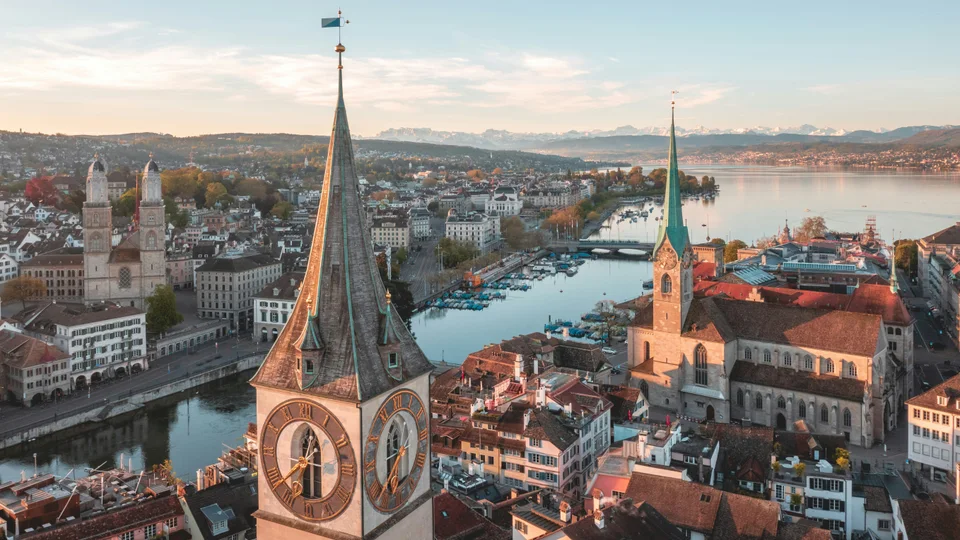
Zurich by the water: six lovely places to linger
Zurich’s lakefront is easy to enjoy without a packed itinerary. These are the places worth your time, from central promenades and historic bathhouses to quiet lawns, swimming spots and a short boat ride.
Read the story →Switzerland is easiest to appreciate when treated as a collection of regions rather than a checklist. German-speaking Zurich, Lucerne and the Bernese Oberland feel different from French-speaking Lausanne and Geneva, or Italian-speaking Ticino. Distances are short on the map, but mountain railways, lakes and winding valleys mean that a relaxed itinerary still needs realistic travel time.
For a restorative trip, choose a base and let the landscape set the pace. Walk beside a lake, take a local train to a village, visit a museum during unsettled weather and reserve time for a long lunch. The country is exceptionally well connected, yet the most rewarding days often involve fewer transfers. Expect high prices, clear systems and excellent infrastructure, with quieter experiences found by traveling outside the busiest summer and winter peaks.
Useful context, without the checklist overload.
Trains, buses, boats and mountain railways
Visa rules depend on nationality. Many visitors can enter visa-free for up to 90 days in any 180-day period; check Swiss authorities before booking.
Optional; round up or about 10%
Safe to drink
230V, types C and J
Useful phrases
More stories from Switzerland.
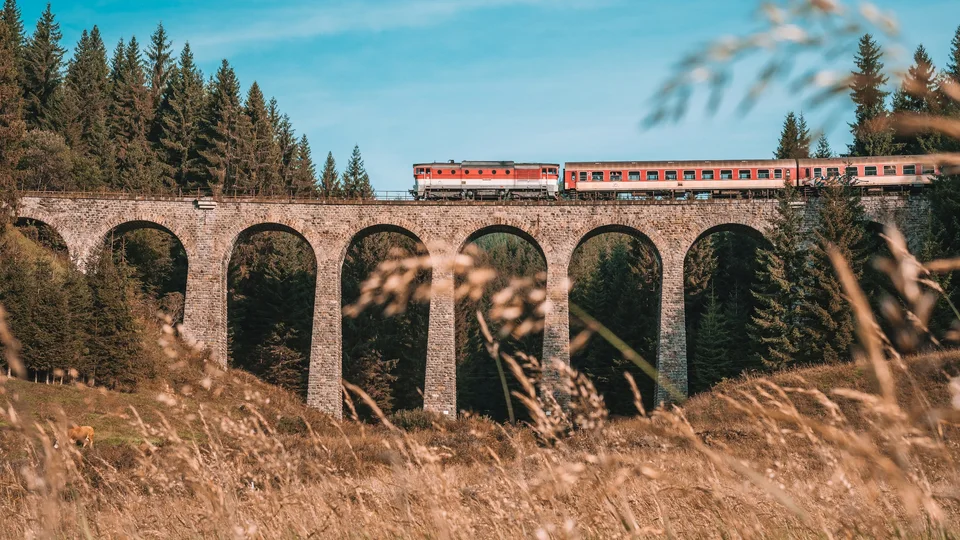
Europe’s protected landscapes where the train is the right way in
10 min read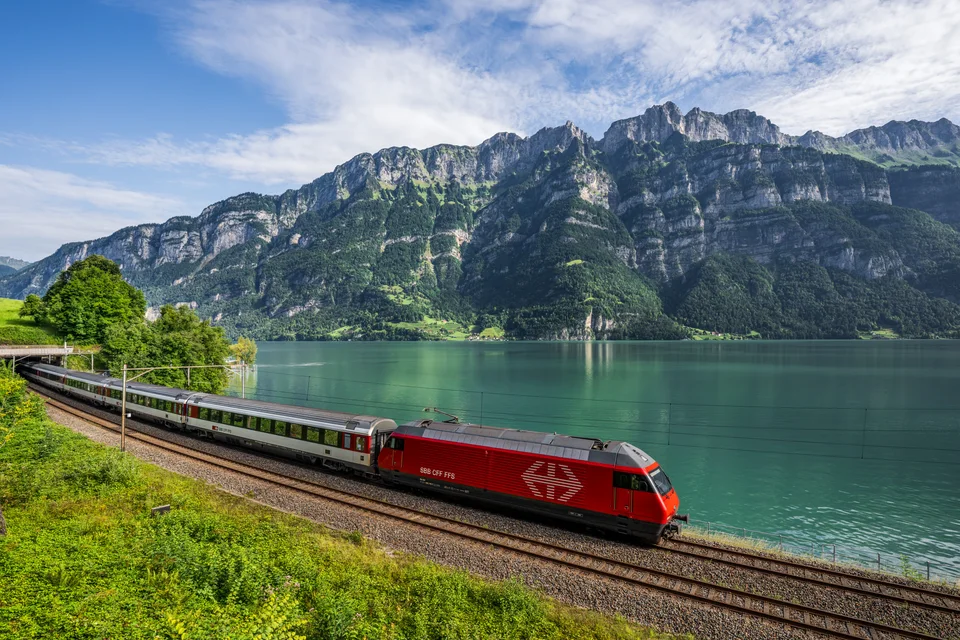
From Chur to Arosa by train: a slow mountain journey without a car
11 min read
The Swiss Museum of Transport: machines, memory and the way we move
11 min read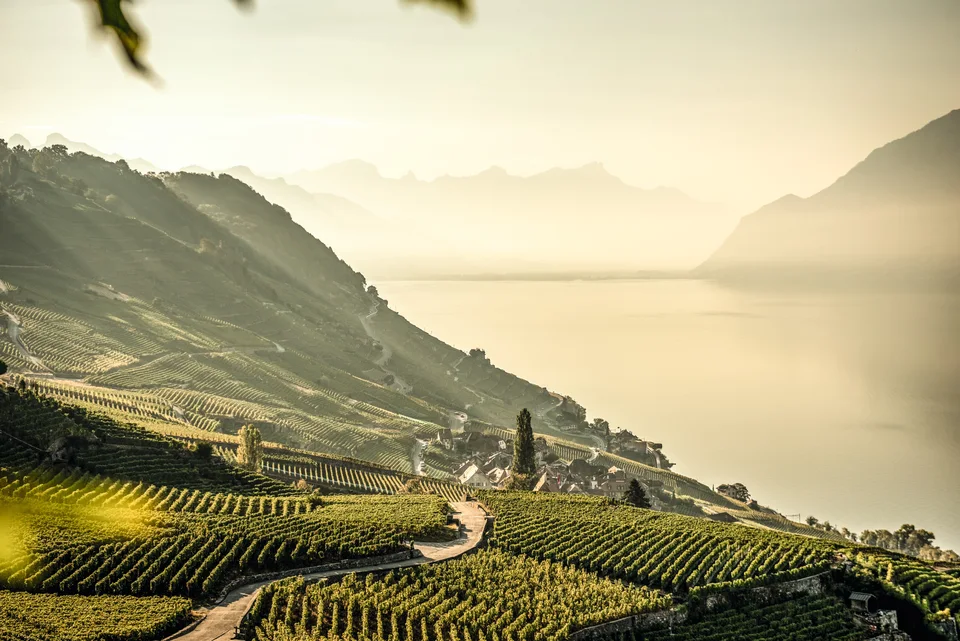
Walking through the Lavaux vineyards: terraces, wine villages and lake views
11 min read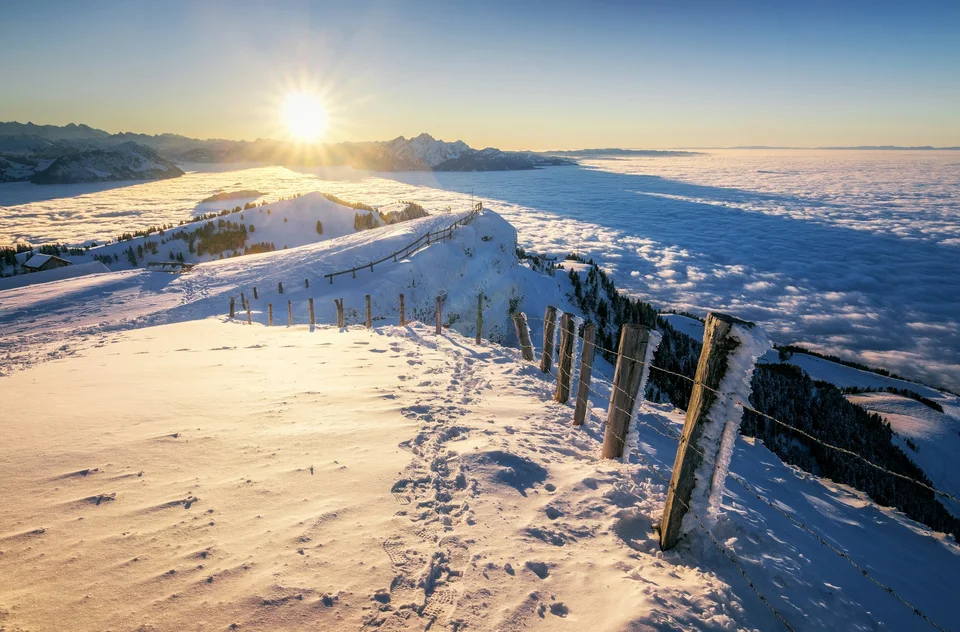
Rigi Panorama Trail Above Lake Lucerne: A Quiet Alpine Walk
12 min read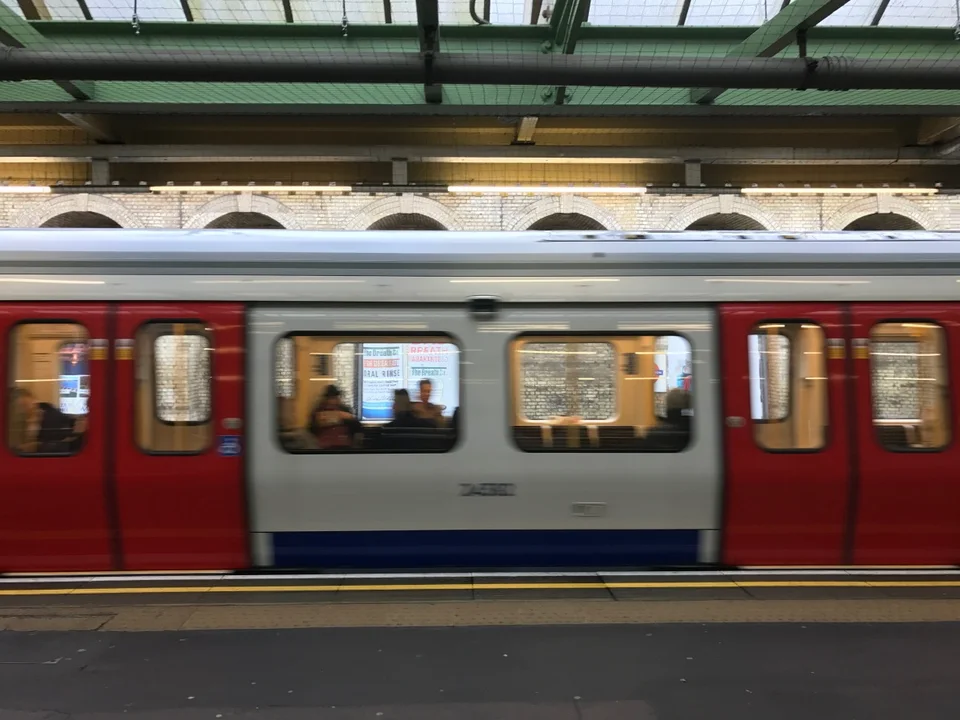
Europe by Train from Zagreb: 8 Cities to Reach Without Flying
8 min read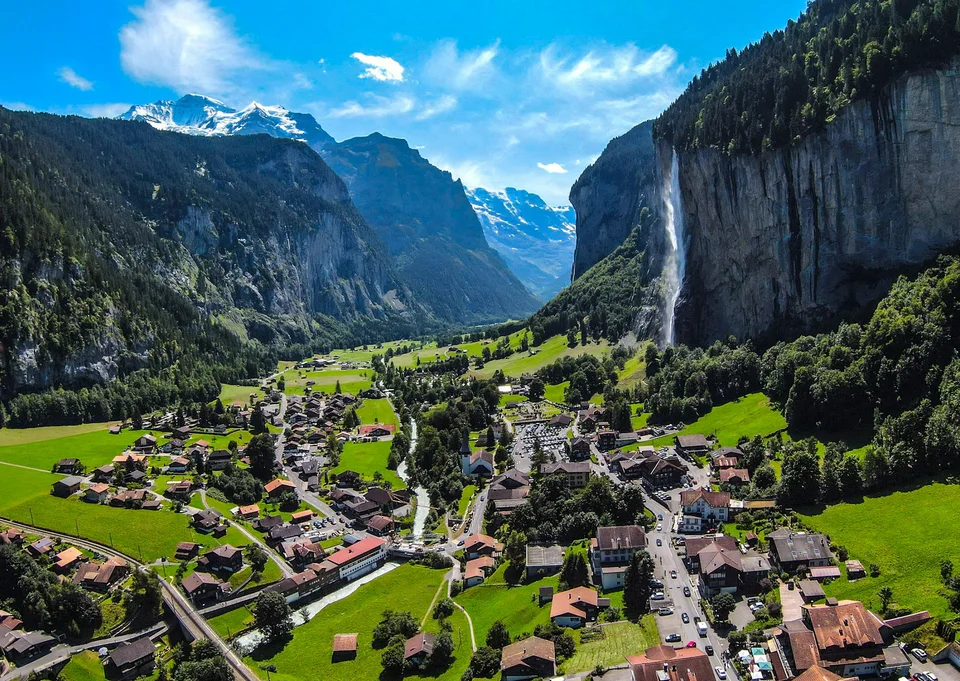
Lauterbrunnen Valley: a guide to Switzerland’s 72 waterfalls
3 min readFrequently asked questions.
Yes. Accommodation, dining and mountain transport are often costly, so compare locations, book early and use public-transport passes or regional tickets where they make financial sense.