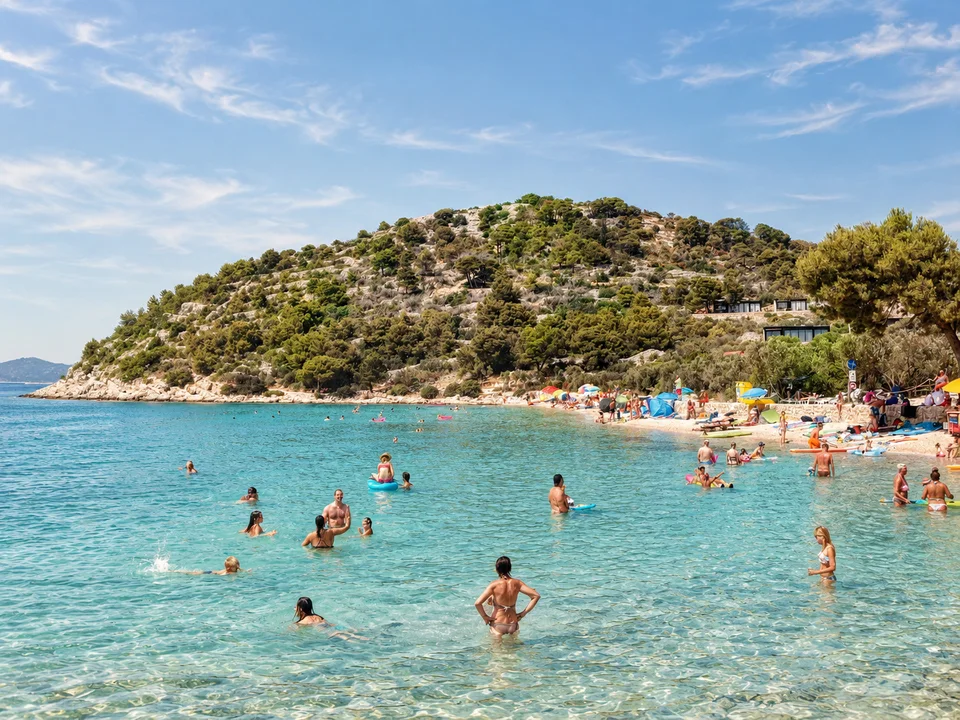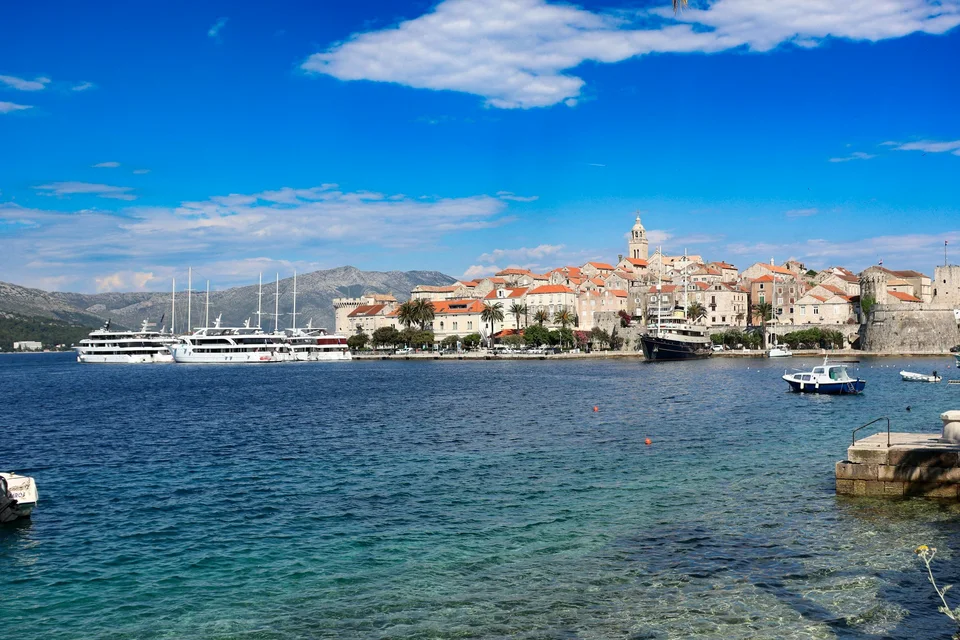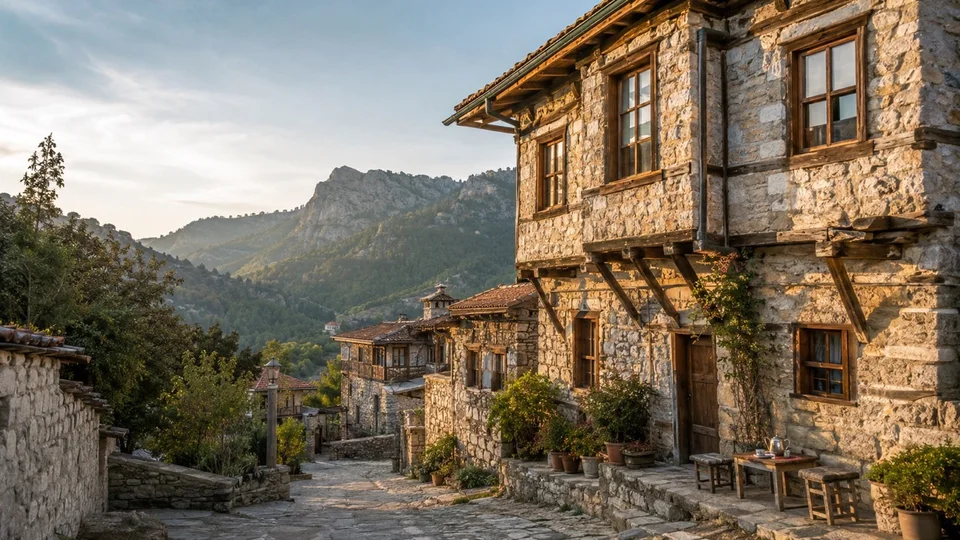
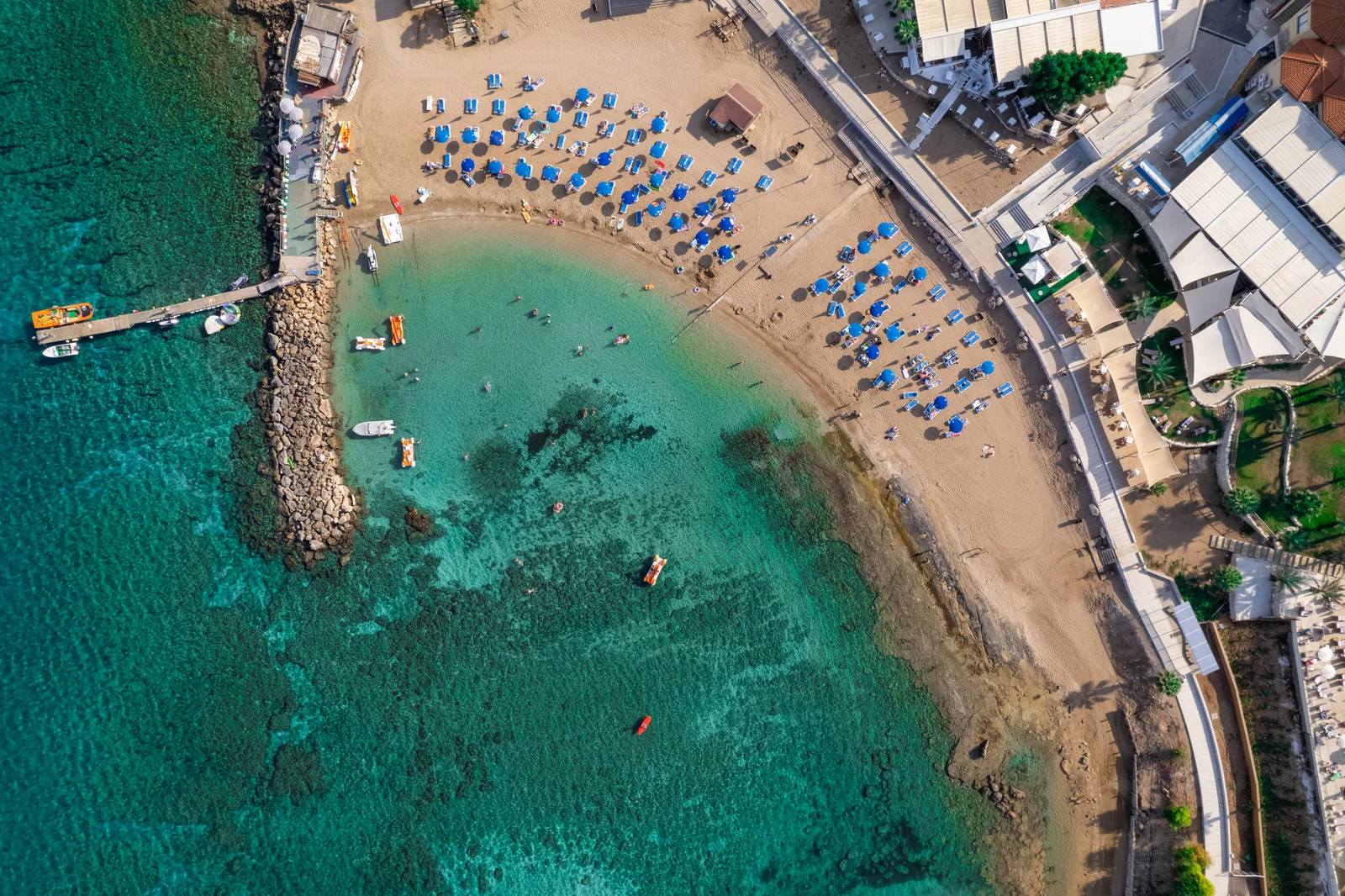
The end of summer does not have to mean the end of swimming. Across the Mediterranean and the Atlantic islands, the sea often stays inviting after the busiest beach crowds have gone home. September can be one of the most comfortable times for a coastal trip: the water has held on to its summer warmth, the light is softer and walking conditions are usually easier than in midsummer.
These destinations suit travellers who want more than a resort holiday. A morning hike can lead to an afternoon swim, while a day on the water can end with dinner in a harbour or fishing village. The five choices below are not identical: Cyprus and Crete are the strongest options for warm Mediterranean swimming, Malta works well for a shorter, history-rich break, the Algarve brings dramatic Atlantic scenery and the Canary Islands are the most dependable choice later in autumn or winter.
1. Cyprus for the longest swimming season
Cyprus is one of Europe’s most reliable choices for warm-water travel beyond the height of summer. Its dry season generally extends from late spring into autumn, and September and October are particularly appealing for travellers who want proper beach weather without the full heat of July and August.
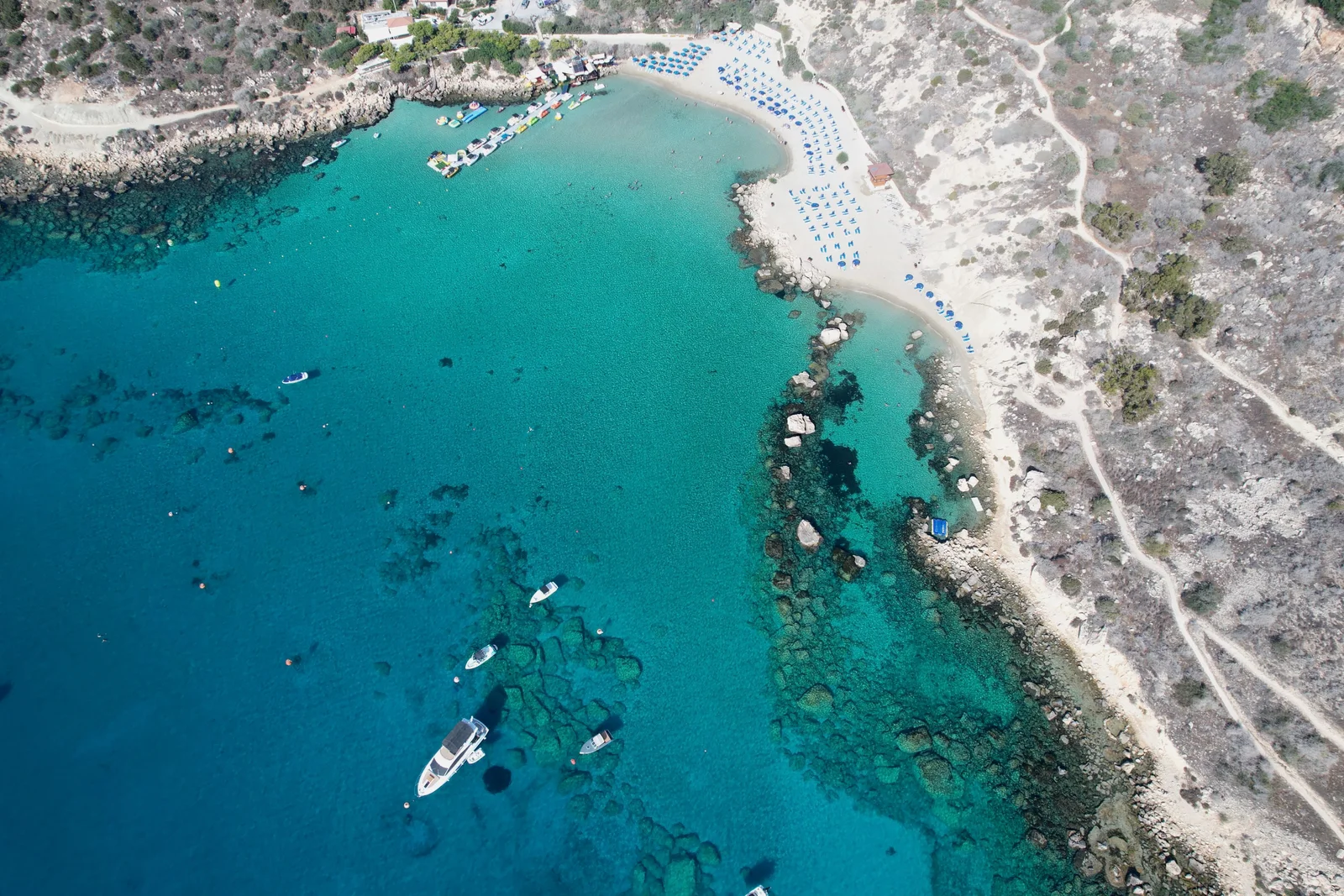
The southeastern coast is the natural starting point. Around Ayia Napa and Protaras, beaches such as Nissi Beach, Fig Tree Bay and Konnos Bay combine clear water with easy access and a wide choice of accommodation. Nissi is lively and family-friendly; Konnos is smaller and more sheltered. For a quieter setting, look towards Cape Greco, where coves and rocky swimming platforms replace the broad sands of the main beaches.
Cape Greco is also where Cyprus becomes more than a beach destination. Paths cross limestone terrain above the sea, passing sea caves, low scrub and viewpoints over the coast. These are mostly short coastal walks rather than demanding mountain routes, so they combine easily with a swim. Kayaking, paddleboarding, snorkelling and diving are also widely available along the clearer southern and eastern shores.
For a change of landscape, head inland to the Troodos Mountains. Higher elevations bring pine forests, villages and cooler air, creating a useful contrast with the coast. Dividing a trip between the sea and the mountains gives Cyprus more variety than its compact size might suggest.
2. Crete for beaches, gorges and a proper road-trip landscape
Crete is the most versatile choice on this list. Its coast ranges from organised sandy beaches to remote coves, while the interior rises into mountains cut by deep gorges. In early autumn, the sea is still warm and the worst of the summer heat has begun to ease, making it a good time to combine beach days with walking.
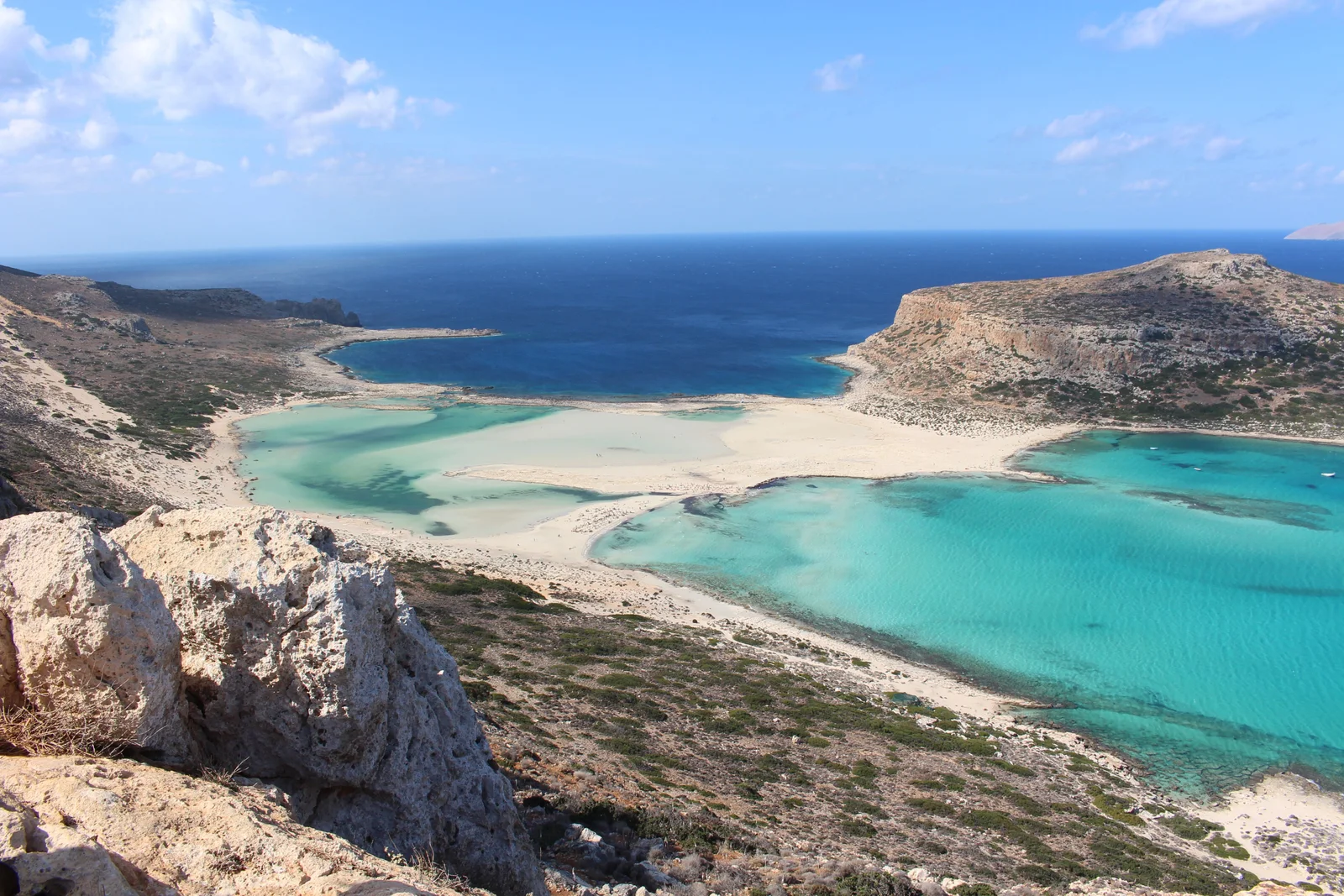
The island is large enough that choosing a base matters. Chania suits travellers drawn to the west’s beaches and dramatic scenery. From there, the turquoise lagoon of Balos, the pale sands of Elafonissi and the cedar-fringed coast near Kedrodasos are among the most distinctive coastal outings. Elafonissi is relatively straightforward to reach; Balos usually demands more planning and a willingness to accept a rougher approach.
The south coast has a different character. Beaches around Plakias, Triopetra and Frangokastello feel more open and less polished, with mountain backdrops and a stronger sense of distance. Preveli is known for the palm-lined river that meets the sea, while the coast around Sfakia provides access to some of Crete’s most rewarding walking routes.
The Samaria Gorge is the island’s best-known hike, but it is not the only option. Its operating dates and access arrangements should be checked before travel. Shorter gorge walks, old footpaths and village-to-village routes around the south coast offer more flexible alternatives. Early starts remain sensible in September, especially on exposed trails, and proper walking shoes are more useful than beach sandals.
Crete is best taken slowly. A day might begin with a swim in a quiet bay, continue with lunch in an inland village and end beside an archaeological site or harbour promenade. The island invites a road trip, but fewer bases and longer stays usually make for a more relaxed experience.
3. Malta and Gozo for clear water and compact days outdoors
Malta is a strong option when you want warm Mediterranean water and plenty to do within a small area. The islands are known for clear water, rocky swimming spots, sheltered bays and limestone cliffs. Sandy beaches are less extensive than those in Cyprus or the Algarve, but there is considerable variety in the places where you can enter the sea.
On Malta, Mellieħa Bay is one of the most convenient sandy beaches. Għajn Tuffieħa and Golden Bay offer more scenic settings on the northwestern coast. St Peter’s Pool, near Marsaxlokk, is better understood as a natural swimming platform than a conventional beach. Its smooth rock shelves and bright water make it popular, so an early arrival is sensible during the warmer months.
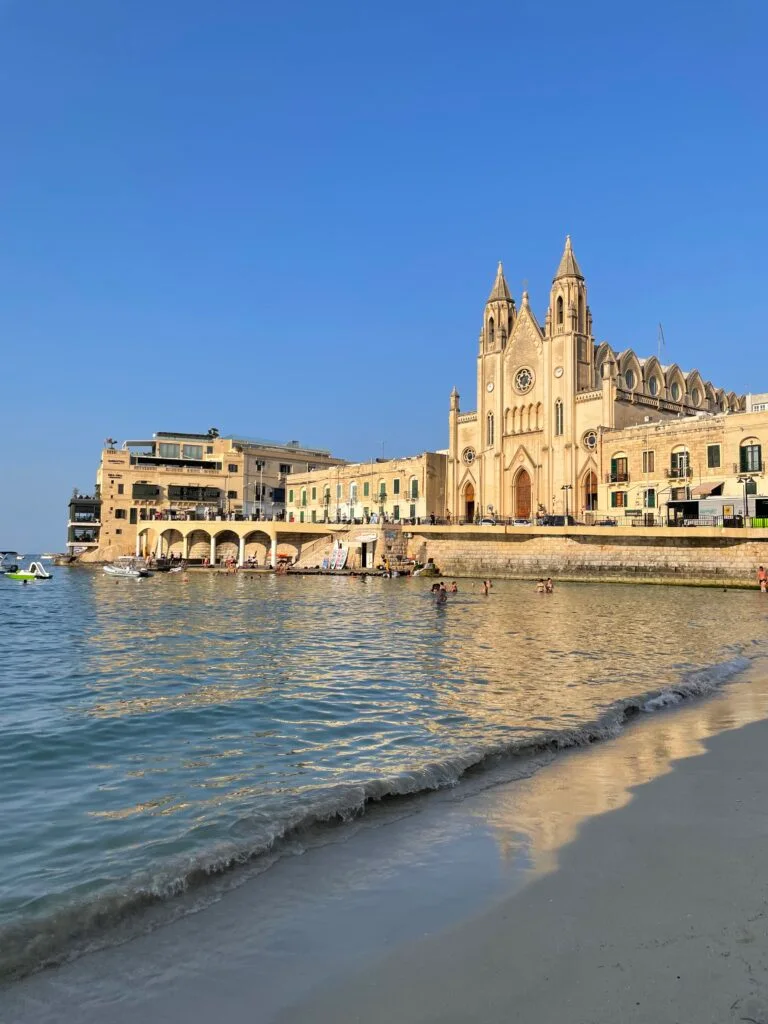
Gozo is usually the better choice for a gentler rhythm. Ramla Bay has a broad sweep of reddish sand, while Dwejra, Xlendi and the area around Marsalforn offer swimming, snorkelling and coastal scenery. Comino’s Blue Lagoon is striking, but its popularity can make the experience crowded; it is best approached outside the busiest hours if your schedule allows.
Walking is one of Malta and Gozo’s most satisfying outdoor activities. The Dingli Cliffs provide broad sea views, while Gozo’s coastal paths pass salt pans, small coves, old farmsteads and rough limestone terrain. Kayaking, boat trips, snorkelling and diving add variety. Shade can be limited, so the cooler part of the day is preferable for longer walks.
Malta’s compact scale makes it easy to combine the coast with history. A swim can sit alongside a prehistoric temple, a walk through Mdina or an evening in Valletta. Choose Malta for a short trip where the beach is only one part of the day.
4. The Algarve for Atlantic beaches and a more active coast
The Algarve is not the warmest-water destination here. Its appeal lies in the combination of beaches, cliffs, walking routes and open Atlantic scenery. The southern coast offers long stretches of sand, sheltered coves, golden cliffs, sea arches and broad horizons. The water feels fresher than in the Mediterranean, but late summer and early autumn can bring comfortable beach conditions and better weather for exploring on foot.
For classic beach scenery, Praia da Falésia runs beneath red and ochre cliffs. Around Lagos, Praia Dona Ana and Praia do Camilo are smaller and more enclosed, while the Ponta da Piedade coastline is best approached through a combination of clifftop walking and a boat or kayak excursion, conditions permitting. The western Algarve, near Sagres and Aljezur, is wilder and more exposed, with beaches that suit surfers and travellers who prefer a less manicured coast.
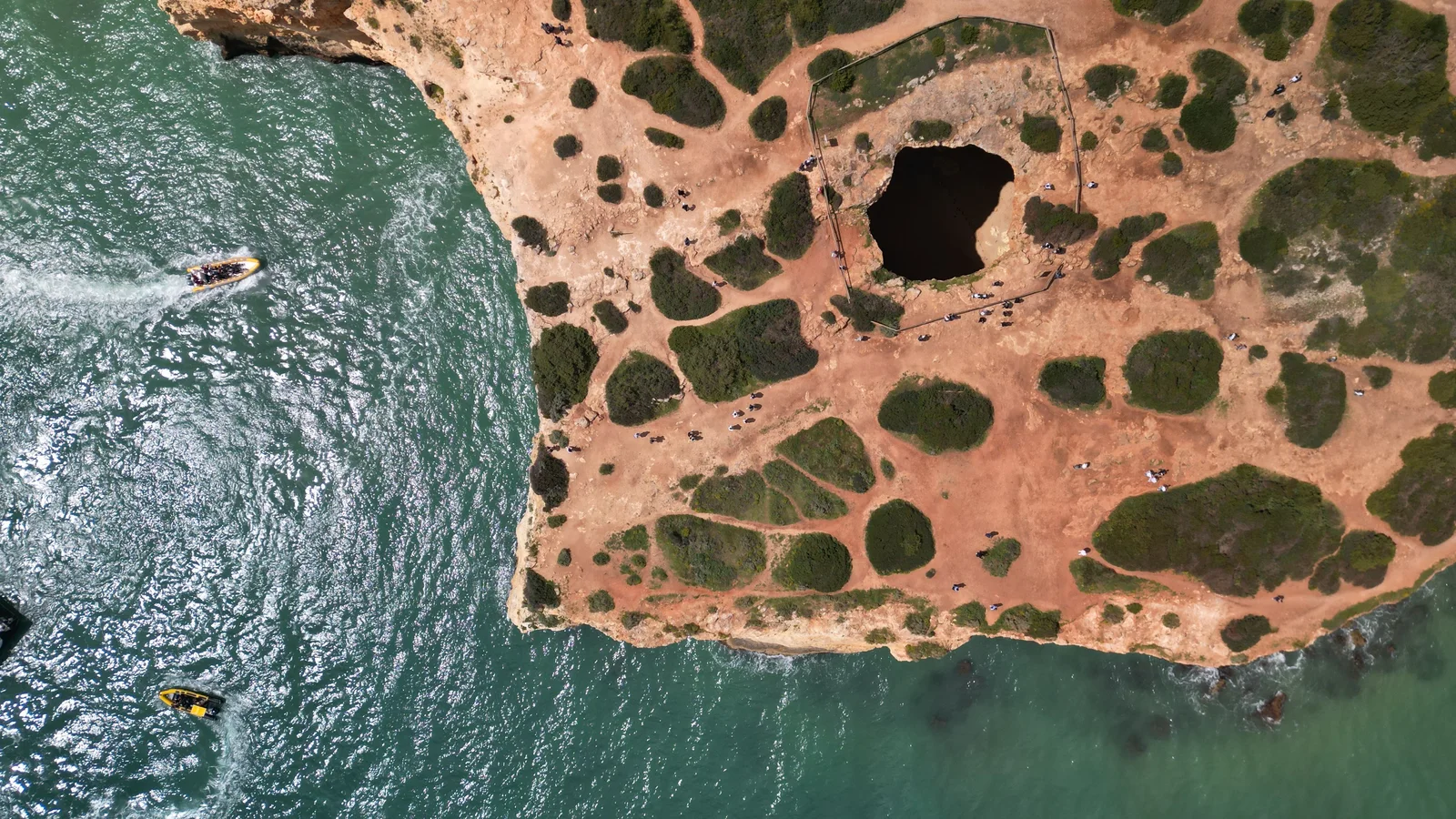
The Seven Hanging Valleys Trail is the region’s signature coastal walk. It links beaches and clifftop viewpoints, with limestone formations, sea stacks, caves and coves below. Allow time for pauses, carry water and keep well back from unstable cliff edges.
The Ria Formosa, near Faro and the eastern Algarve, offers a gentler nature experience. Its lagoons, channels and islands can be explored by boat, kayak or organised excursion. Cycling, surfing, stand-up paddleboarding and birdwatching broaden the possibilities beyond swimming.
Choose the Algarve for an active coast and strong scenery, not for the warmest sea on this list. Even a simple beach day may include a clifftop walk, seafood lunch in a harbour or sunset from a headland.
5. The Canary Islands for later-season warmth and volcanic scenery
The Canary Islands are part of Spain and one of Europe’s most dependable choices for warmth beyond the traditional summer season. Their islands differ considerably, but together they offer beaches, volcanic landscapes and hiking routes in a mild climate that can work well in late autumn and winter.
Fuerteventura is the natural choice for long beaches and water sports. The dunes around Corralejo meet wide sandy shores, while trade winds support windsurfing and other board sports. Lanzarote has a more volcanic character, with black and golden beaches, lava fields and the landscapes around Timanfaya. Its dry climate and mild temperatures make it particularly appealing when much of Europe is colder.
Gran Canaria offers the broadest range of experiences on one island. The dunes and beaches of Maspalomas are the obvious draw, but the interior rises into rugged mountains with ravines, viewpoints and rural villages. Tenerife combines beach resorts with the high landscapes of Teide National Park, where conditions are considerably cooler and weather can change quickly with elevation.
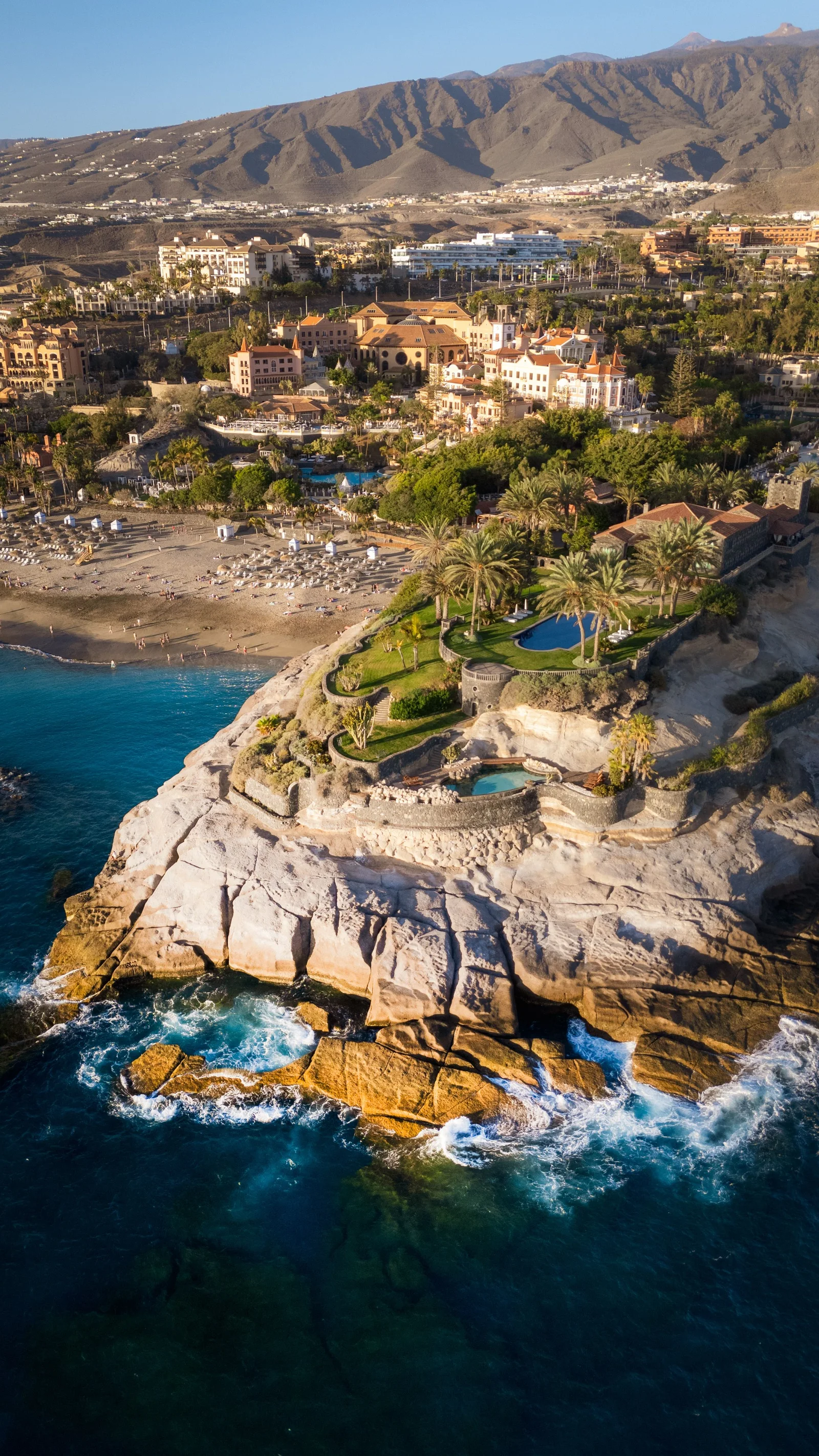
For hiking, La Palma and La Gomera are especially compelling. La Palma is known for volcanic scenery, pine forests and dramatic trails, while La Gomera’s deep valleys and laurel forests create a greener, more secluded experience. These islands are less focused on conventional beach holidays, but they suit travellers who want to divide each day between walking, swimming and natural scenery.
The islands are not interchangeable. One side can be windy or cloudy while another is bright and calm, and mountain routes may be much colder than the beaches below. Check local weather and trail conditions before setting out.
How to choose
If the warmest possible sea is the priority, start with Cyprus or Crete. Both combine Mediterranean swimming with a long shoulder season and enough mountains, villages and cultural sites to keep a longer trip varied. Malta is better suited to a shorter break, especially if clear-water swimming and historic towns matter as much as sandy beaches.
Choose the Algarve for dramatic Atlantic scenery and active coastal days, accepting cooler water. Choose the Canary Islands if you are travelling later in autumn or during winter, when their mild climate becomes especially valuable. Madeira is another strong alternative for hiking and natural swimming pools, although it has fewer conventional sandy beaches than the destinations above.
Planning a beach-and-hiking trip
- Travel in September or early October for a useful balance of warm water, long daylight and more manageable walking temperatures.
- Check local conditions before swimming, particularly on Atlantic coasts where wind, swell and rip currents can change quickly.
- Pack proper walking shoes, sun protection, a refillable water bottle and a light layer for evenings or higher elevations.
- Do not assume every beach has lifeguards, toilets, shade or open water-sports facilities outside the main summer period.
- Book popular excursions and accommodation with flexibility where possible. Late-season weather is often favourable, but never guaranteed.
- Respect protected dunes, nesting areas, coastal vegetation and trail closures, even when a route appears quiet.
Why go after summer?
A warm-sea holiday in Europe does not have to be a fallback for travellers who missed July. Later in the season, the water may still be warm while the sun is less punishing and the busiest coastal areas are easier to enjoy.
Cyprus is the strongest choice for dependable swimming, Crete for scale and variety, Malta for clear water and history, the Algarve for cliffs and Atlantic scenery, and the Canary Islands for later-season warmth. In each case, leave room for a trail, a boat trip, a quiet village or a change of landscape. The best day may begin or end away from the sand.