
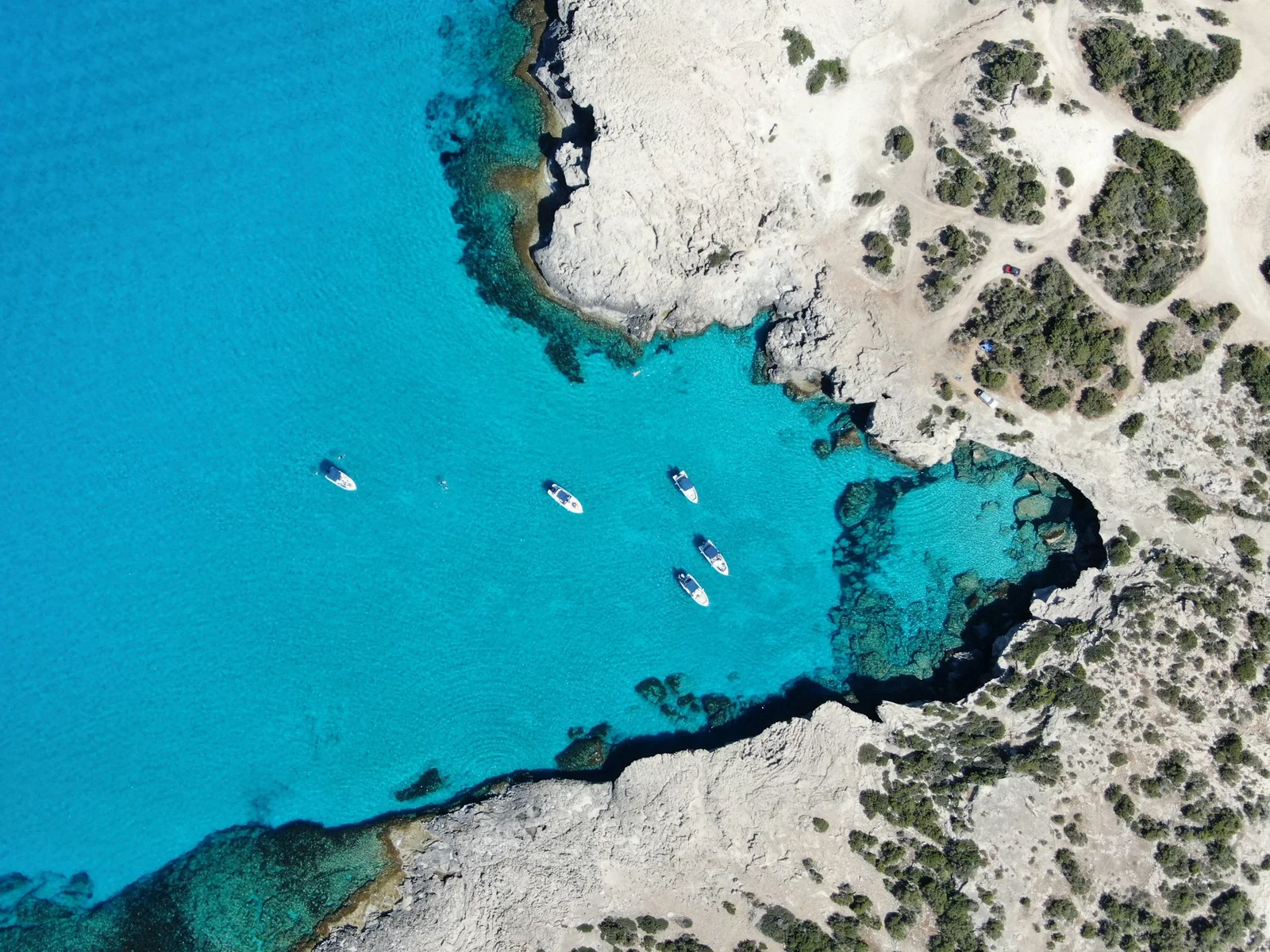
Cyprus
Cyprus rewards a slower pace: sea light, pine-covered mountains, village tavernas and layers of history sit within manageable distances. Choose the coast for swimming and easy days, the Troodos range for cooler air and walking, and Nicosia for a more complex sense of the island’s divided past. Spring and autumn are especially comfortable for exploring.
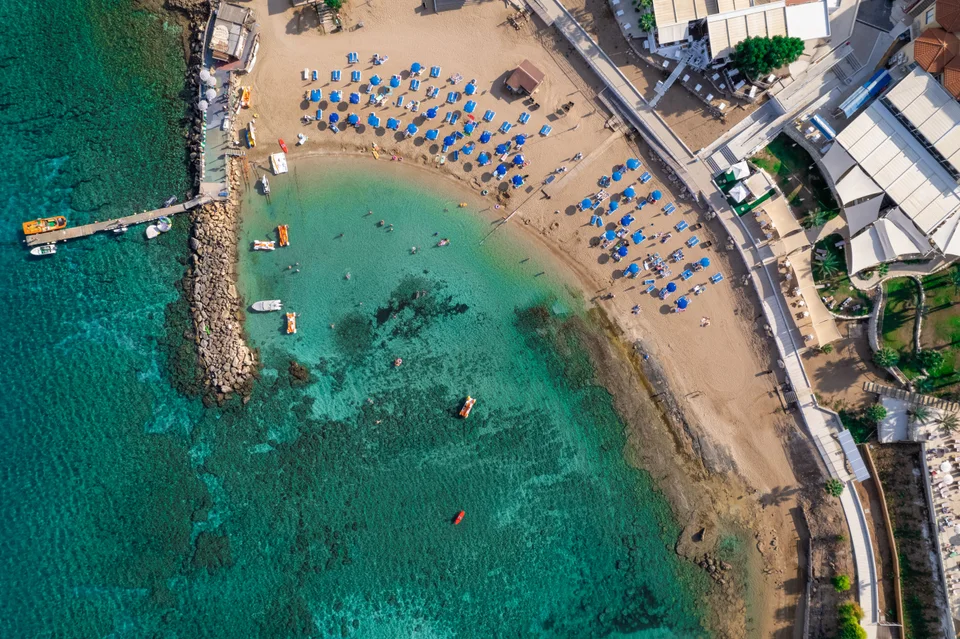
Five European destinations for warm seas, beaches and coastal walks
When summer begins to fade, these five European destinations still offer sea swimming, beach days and plenty of reasons to stay outdoors.
Read the story →Cyprus is compact enough for a varied trip without constant packing. The coast shifts from resort beaches and harbour promenades to quieter coves, while inland roads climb toward the Troodos Mountains, where pine forest, stone villages and cooler air change the mood completely. Nicosia adds museums, cafés and the visible reality of a divided capital.
For a calmer itinerary, base yourself in one coastal town and make deliberate day trips rather than trying to circle the island. Early mornings suit beaches and archaeological sites; afternoons are better for shaded village squares, long lunches or a mountain walk. Summer heat can be intense, so carry water and avoid exposed trails at midday.
Food is part of the rhythm: meze, grilled halloumi, seasonal vegetables, seafood and local wine are best enjoyed slowly, often with several shared plates. English is widely spoken, but a few Greek words make everyday encounters warmer. If crossing between the island’s north and south, check checkpoint, entry and vehicle-insurance rules in advance.
Useful context, without the checklist overload.
Buses, taxis, rental cars
Visa rules depend on nationality. EU, EEA and Swiss citizens may enter with a passport or eligible identity card; many other nationalities are visa-exempt for short stays, while some need a Cyprus visa.
Optional; round up or 5–10%
Generally safe; taste varies
230 V, Type G plugs
Useful phrases
Frequently asked questions.
The Republic of Cyprus is an EU member state and is generally treated as a European destination, although the island lies in the eastern Mediterranean close to Asia.