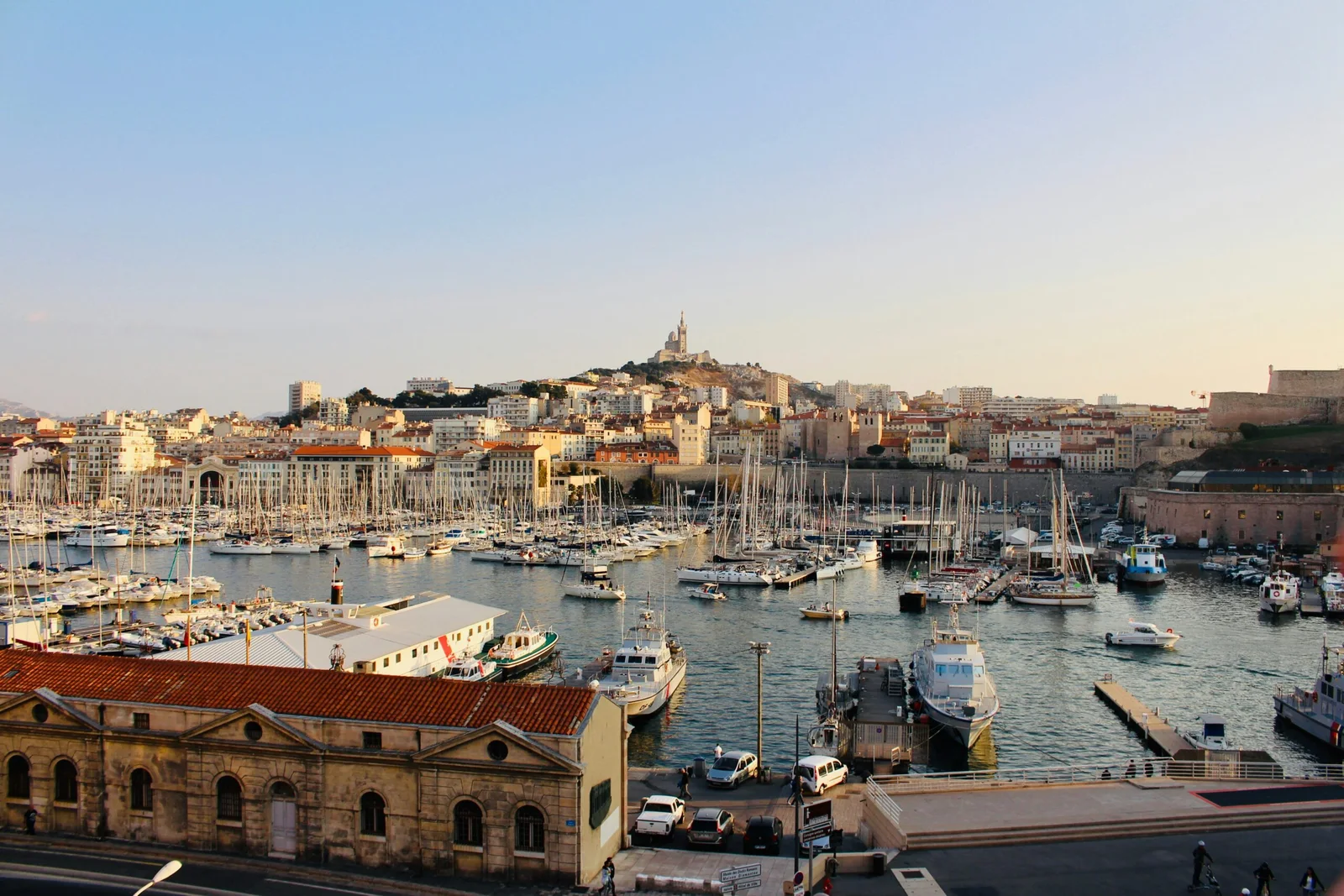
There is a particular kind of European holiday that belongs to September. The beaches are still warm enough for long swims, outdoor restaurants remain open, and the evenings have not yet acquired autumn’s chill. Yet the high-summer machinery has begun to wind down. School holidays are over in much of the continent, cruise crowds are less dominant, and the pressure to see everything before the heat becomes exhausting has eased.
That combination makes September one of the smartest months to travel in Europe in 2026. It is not uniformly cheap, and it is not crowd-free. Popular cities, island resorts and major events can still be busy, particularly during the first half of the month. But for travelers willing to choose their destination thoughtfully, adjust their pace and book around local calendars, September can offer a more generous version of Europe: comfortable, social, seasonal and less performative.
The value equation is better than it first appears
September’s greatest advantage is not simply that prices may fall. It is that the entire value equation often improves. A hotel that felt unjustifiably expensive in August may become more attainable once peak demand softens. Restaurants are less likely to be operating at maximum capacity. Attractions may have more manageable entry times. And the time saved by avoiding the worst queues is a form of value that rarely appears on a booking screen.
The exact pattern varies by country and by week. The first days of September can still resemble summer in destinations such as the Greek islands, southern Spain, coastal Croatia and Portugal’s Algarve. The second half of the month is often calmer, though event weekends can reverse that pattern. Travelers seeking the strongest value should compare both halves of September, look beyond Friday and Saturday nights, and consider bases a short train ride or ferry crossing away from the most famous resort towns.
Better weather for the way most people actually travel
Peak summer is often marketed as Europe’s ideal season, but the hottest weeks can make ambitious itineraries surprisingly difficult. Historic centers become tiring at midday, mountain paths are exposed and crowded, and the simple pleasure of sitting outdoors can be undermined by intense heat. September generally brings a more usable balance: warm enough for open-air life, but more forgiving when the day involves walking, museums, public transport and uneven old-town streets.
The north of Europe may begin to feel distinctly autumnal, especially in the evenings, while the Mediterranean remains summery for longer. That geographic range is part of September’s appeal. You can still plan a coastal holiday in Sicily or the Cyclades, but you can also explore Copenhagen, Amsterdam or the Scottish Highlands without the expectation of endless sunshine. Pack layers, a light waterproof jacket and shoes suitable for wet pavement as well as heat.
The best places to visit in Europe in September
The strongest September destinations are not necessarily the places with the most famous summer reputations. They are places where the season changes the experience: vineyards enter harvest, cultural calendars restart, landscapes become easier to explore, or the sea remains warm after the crowds have thinned.
Portugal: harvests, Atlantic light and room to roam
Portugal is one of September’s most versatile choices. Lisbon and Porto remain lively, but the heat is often more manageable for hilltop neighborhoods, tiled churches and long lunches. In the Douro Valley, harvest season gives the landscape a practical, human rhythm. São João da Pesqueira’s Vindouro festival, scheduled for September 4–6, 2026, combines tastings, a market, concerts and a Pombaline theme.
Around Lisbon, Palmela’s grape-harvest festival is scheduled for September 3–8, with parades, grape-stomping traditions and local wine culture. Madeira offers another expression of the season: the Harvest Festival in Estreito de Câmara de Lobos is listed for September 5, 2026. For a quieter trip, use September to explore the Alentejo’s white towns, the Costa Vicentina’s walking routes or the northern Minho region, where village festivals can feel more rooted than staged.
Spain: a month made for culture and the northern coast
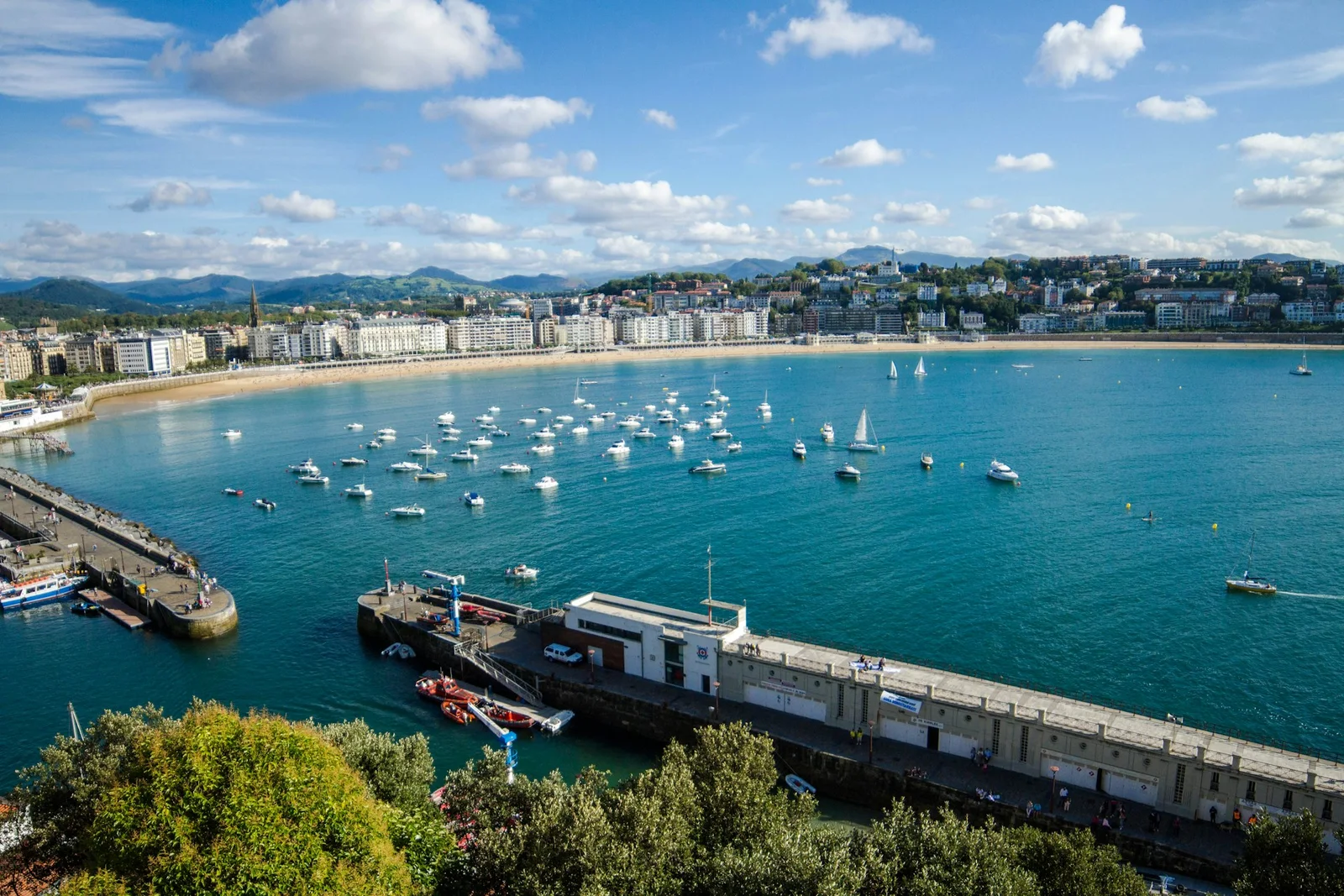
Spain’s size makes September especially rewarding. Andalusia can still be very hot, so early mornings and slower itineraries matter, but the north offers a compelling alternative. San Sebastián, Bilbao, Santiago de Compostela and the villages of Galicia combine food, architecture and Atlantic landscapes with a more temperate atmosphere than much of the south.
Santiago de Compostela’s WOS Festival is scheduled for September 11–13, 2026. Its programme brings contemporary art, experimental music, performance and film to venues across the old town, making the city a useful example of how September events can deepen a destination rather than simply entertain visitors. San Sebastián is also associated with a major September cultural calendar, including the city’s international film festival later in the month. If you plan around a headline event, reserve accommodation early and expect demand to rise sharply on festival dates.
Italy: the pleasure of staying longer in one place
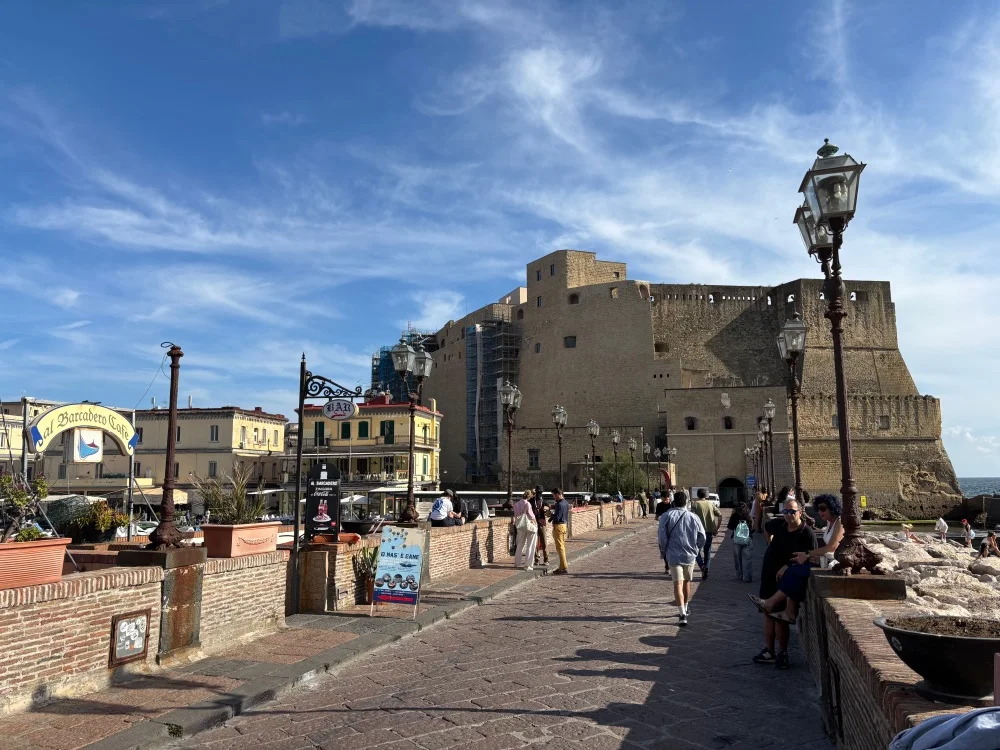
Italy in September rewards restraint. Rather than attempting Rome, Florence, Venice and the Amalfi Coast in a single trip, choose one region and give it time. Tuscany and Umbria are particularly well suited to the month, with warm days for hill towns and gardens and cooler evenings for long dinners. Puglia, Sicily and Sardinia can still deliver a convincing beach holiday, especially toward the beginning of September, while the later weeks are attractive for food-focused travel and archaeological sites.
The value of Italy’s shoulder season is often experiential rather than purely financial. A village road is less stressful when it is not carrying the full weight of summer traffic. A museum visit is more pleasurable when the itinerary does not depend on squeezing into the first available timed slot. In places where September remains popular, the smartest move is to travel midweek, sleep outside the most celebrated centers and book regional trains or ferries with flexibility.
Greece: islands without the full summer crescendo
For a classic Mediterranean escape, Greece remains among the best places to visit in Europe in September. The islands are still in season, but the atmosphere can become less frantic after the peak August weeks. Crete and Rhodes are dependable choices for warm weather, while Naxos, Paros and smaller Cycladic islands suit travelers who want beaches balanced with villages, walking and tavernas.
September is also a good month to combine an island with the mainland. Athens can be demanding in high summer, but its archaeological sites and neighborhoods are easier to enjoy when the heat moderates. Add Nafplio, the Peloponnese or Epirus for a trip that feels more dimensional than a resort stay. Ferry schedules can change by season and weather, so avoid building an itinerary with tight same-day connections.
Croatia and Slovenia: the Adriatic at a more human scale
The Adriatic is one of September’s clearest arguments. Dubrovnik and Split do not become undiscovered, but the experience can soften once the peak-summer crush recedes. Sea temperatures remain inviting, sailing conditions can be favorable, and the islands offer a better chance of quiet coves and unhurried meals than they do in July or August.
Slovenia is an excellent companion destination for travelers who prefer lakes, mountains and compact journeys. Ljubljana, Lake Bled, the Soča Valley and the Karst region can be connected without the exhausting distances of a larger country. September’s changing light suits hiking and photography, although higher mountain routes require proper preparation and a close eye on conditions.
France: choose the region, not the cliché
France in September is less about one perfect destination than about matching the month to a region. Provence and the Côte d’Azur retain warmth but can feel more composed after the August rush. Burgundy, Bordeaux and the Loire Valley offer vineyards, markets and historic towns at the beginning of harvest season. Brittany and Normandy are excellent for food, coastal walks and cultural history, provided you accept that weather may be changeable.
Paris can be particularly appealing in September, when outdoor terraces remain part of daily life and the city’s cultural season begins to gather momentum. It is still a major destination, so lower-season expectations should not be confused with emptiness. The smart approach is to combine familiar highlights with less pressured pleasures: neighborhood markets, smaller museums, long walks beside the canal and a day trip chosen for landscape rather than reputation.
Central and northern Europe for walking, design and fresh air
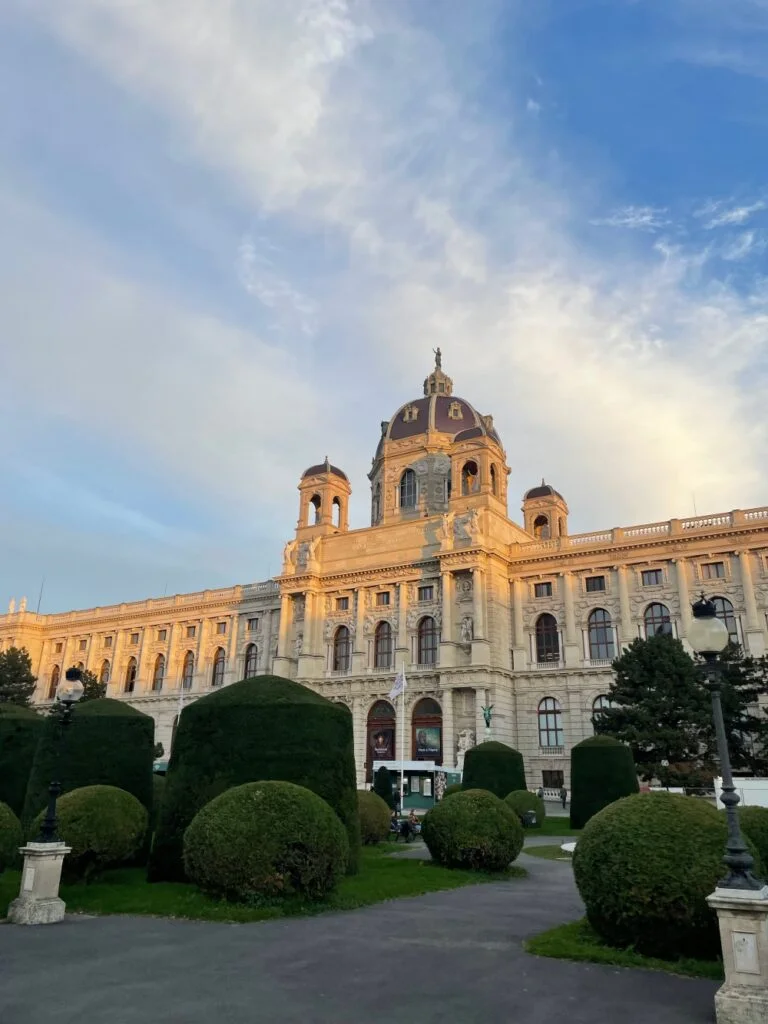
Travelers who do not need a beach should look north. September is an excellent month for Berlin, Copenhagen, Vienna, Prague and Amsterdam, particularly for visitors who enjoy galleries, music, cafés and urban walking. Temperatures are often more comfortable for exploring than in midsummer, and the arrival of autumn lends parks and waterways a different atmosphere without yet closing down outdoor life.
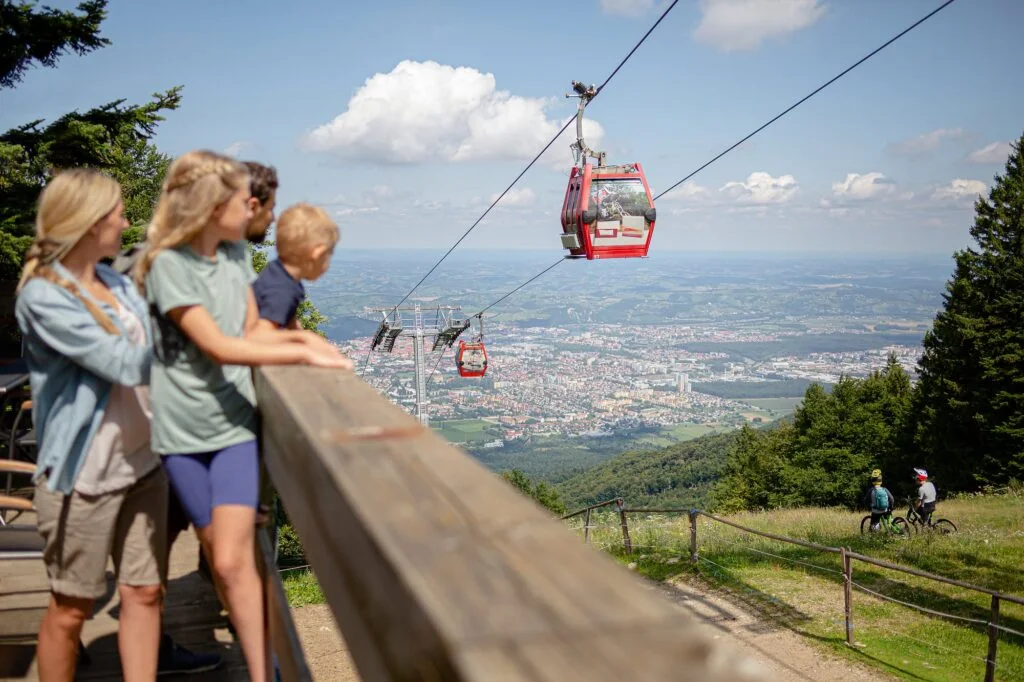
The Alps and other mountain regions can also be rewarding, especially in the first part of the month when many lifts, guesthouses and hiking routes remain active. Always check local operating calendars: shoulder season can mean reduced transport frequency, renovation work or limited restaurant hours. In exchange, you may find clearer trails, cooler hiking conditions and a more intimate relationship with the landscape.
September’s cultural calendar is richer than a beach itinerary
One reason September feels more alive than a generic shoulder season is that it is a month of transitions. Vineyards harvest. Fishing towns return to ordinary rhythms. Universities and cultural institutions prepare for a new season. Local fairs, religious processions, film festivals and food events often take place after the peak heat but before winter schedules begin.
Portugal’s September calendar illustrates the range. Alongside wine and harvest celebrations, the country hosts regional fairs such as Elvas’s São Mateus festivities, listed for September 18–27, 2026, and Lisbon’s Luz Fair, which is scheduled to run through September 27. These events can be wonderful additions to a trip, but they should be approached respectfully: check procession routes, expect temporary road closures and participate as a guest rather than treating local traditions as a spectacle.
How to travel more slowly without losing momentum
September is not an invitation to fill every day with more stops. Its real advantage appears when you use the breathing room to travel at a human pace. Spend three or four nights in a place instead of one. Take a regional train rather than a short flight when the journey itself passes through landscapes worth seeing. Leave one afternoon unplanned. Return to the same café or market twice.
A useful September itinerary has a clear center of gravity. Pair one major city with one rural or coastal base, rather than trying to collect an entire country. For example, Lisbon and the Alentejo, Athens and the Peloponnese, Barcelona and the Costa Brava, or Milan and the lakes can create contrast without turning the holiday into a logistics exercise.
What to watch before booking a 2026 trip
- Check school-holiday calendars in both your home country and destination country; local demand can remain high after international summer crowds fade.
- Confirm festival dates directly with organizers before booking nonrefundable transport or accommodation.
- Compare the first and second halves of September, especially for islands and beach resorts.
- Check seasonal ferry, rail, cable-car and museum schedules before building a tightly connected itinerary.
- Pack for two climates: breathable clothing for daytime and layers or waterproofs for evenings and northern destinations.
- Book major museums, popular restaurants and headline cultural events in advance, even if the wider destination feels quieter.
- Consider travel insurance and flexible reservations where late-summer storms, wildfires or transport disruption are realistic possibilities.
The case for going in the second half
If your priorities are lower prices, quieter streets and a stronger sense of local routine, the second half of September is usually the more strategic bet. Beach weather becomes less predictable, but the trade-off is often worthwhile for city breaks, wine regions, food journeys and walking holidays. Southern Europe can remain wonderfully warm, while central and northern destinations begin to show the first signs of autumn.
The first half remains preferable for travelers whose trip depends on swimming, island-hopping or full summer services. It is also the better choice for combining coastal Europe with mountain activities before some seasonal facilities close. In either case, flexibility matters more than chasing a universal “best week.” Europe is too geographically varied for September to behave the same way everywhere.
The smartest month is the one that fits your priorities
September is not automatically the cheapest month, the sunniest month or the quietest month in Europe. It is smarter because it offers choices. You can still have a swim, but you are not required to build the trip around heat. You can attend a major event, but you can also find a village fair or harvest celebration that was never designed for international tourism. You can see famous sights, then slow down enough to notice where you are.
For 2026, that balance is especially valuable. Plan around the experience you want rather than the destinations you feel obliged to collect. Choose fewer bases, verify event dates, leave room for weather and make the shoulder season work in your favor. The result may not be the most spectacular version of Europe on paper. It may be something better: a Europe that feels generous with its time.