Croatia is one of Europe’s most established naturist destinations. Along the Adriatic, you will find everything from large FKK resorts with restaurants and marked bathing areas to small coves reached by boat or a coastal path.
Istria and the Kvarner Gulf are the easiest regions for a first naturist holiday because the infrastructure is well established. Dalmatia has fewer large resorts, but more informal beaches in striking island and coastal settings. The choice comes down to how much comfort, privacy and planning you want.
The first distinction to make is between an official naturist beach or resort and a beach where nudity is locally tolerated. Designated sites are usually signposted and more likely to have toilets, restaurants and clear rules. On an informal cove, check local signs and ask the nearest tourist office or accommodation provider before undressing.
What does FKK mean?
FKK comes from the German term Freikörperkultur, meaning “free body culture”. In Croatia, it appears on signs, maps, campsite information and booking pages to identify naturist facilities or beaches. You may also see naturist, nudist, naturistička plaža or plaža za naturiste.
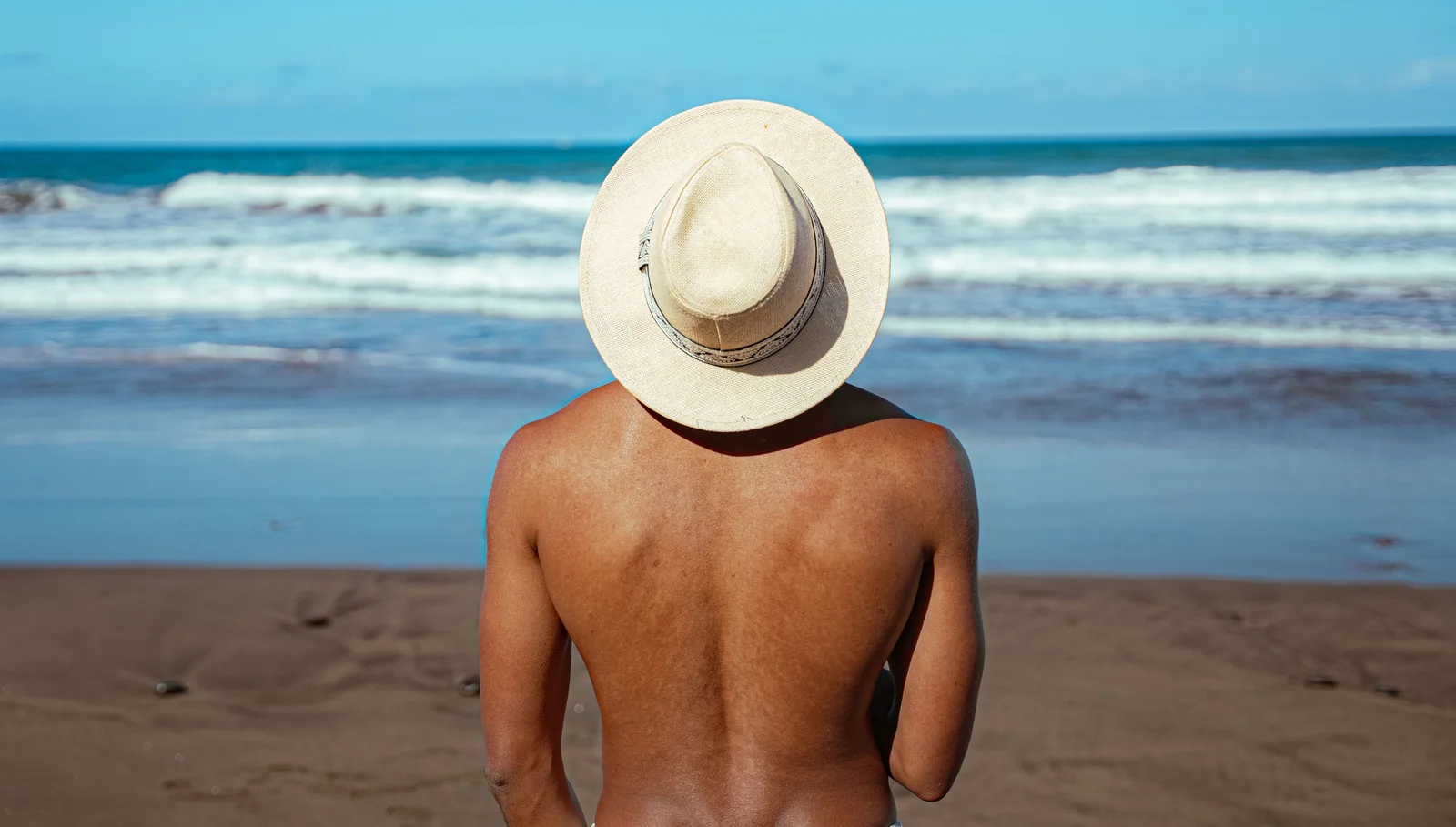
Naturism is understood as a non-sexual way of spending time outdoors without clothing. At a well-run FKK beach, visitors are expected to respect personal space, avoid intrusive behaviour and follow the rules of the site. Some resorts are fully naturist; others have a defined naturist section beside textile areas.
Istria: the easiest place to start
Istria is the strongest choice for a first naturist holiday. The peninsula has several long-established camps and resorts with accommodation, restaurants, sports facilities, marinas and marked beaches. These are better suited to travellers who want reliable services than to those looking for a completely undeveloped cove.
- Koversada, Vrsar: One of Croatia’s historic naturist resorts, spread across an island and mainland peninsula near Vrsar. Its long coastline includes rocky and pebbly bathing areas, organised services and family-oriented facilities. Reach it by car from Vrsar or follow signs to the resort. Day access may depend on current resort rules.
- Valalta, near Rovinj: A large FKK resort at the entrance to the Lim Channel, with several kilometres of coastline, beaches, pools, restaurants and a marina. It suits travellers who want a complete naturist holiday rather than a single undeveloped beach. From Rovinj, follow the road towards Valalta and check the resort’s current directions and visitor policy.
- Kanegra, near Umag: A naturist campsite and beach in northern Istria, close to the Slovenian border. Its sheltered setting and gently accessible gravel shoreline make it one of the more practical options for families. It is easiest to reach by car from Umag.
- Solaris, near Poreč: A long-established naturist resort on the Lanterna peninsula. The coastline combines rocky bathing platforms, small coves and resort facilities. It is reached by road from Poreč in the direction of Tar and Lanterna; confirm day-visitor access before setting out.
- Cuvi, south of Rovinj: A naturist section identified in official Istrian tourist information. It is a useful choice for visitors staying in or near Rovinj who want a beach outing without committing to a full naturist campsite. Depending on your starting point, access is possible by road, bicycle or on foot.
Kvarner and the islands: established beaches and quieter coves
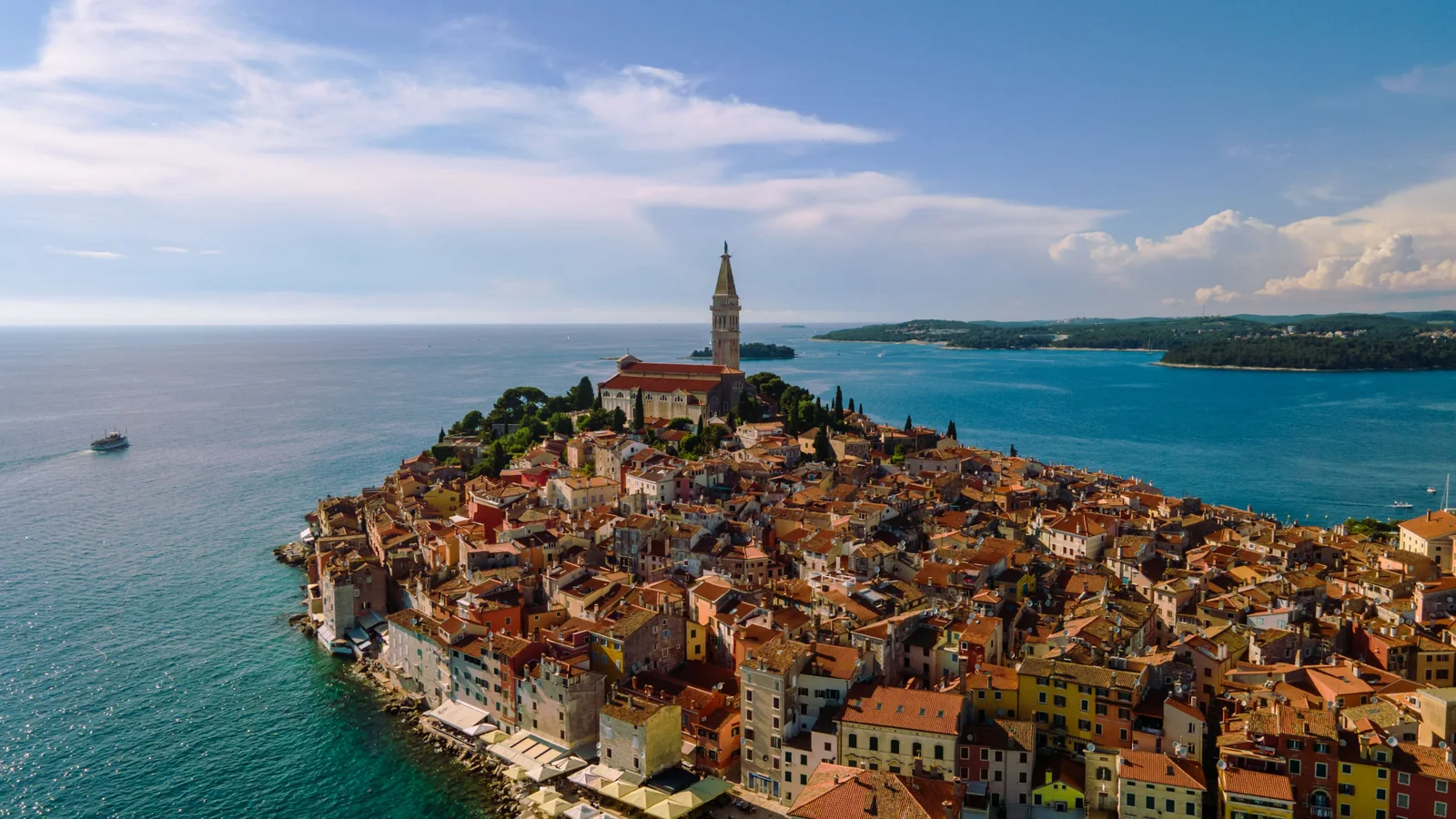
Kvarner combines a long naturist tradition with some of the Adriatic’s most attractive islands. The region offers both organised camps and smaller beaches where the naturist section may be marked by little more than a sign or a familiar local custom.
- Kandarola, Rab: On the Frkanj peninsula opposite Rab Town, Kandarola is associated with the early development of naturism on the island. Expect clear water, rocky and pebbly bathing areas and a relatively sheltered setting. The usual approach is by taxi boat from Rab Town or by private boat; confirm the current operating timetable locally.
- Sahara, Lopar, Rab: A more natural beach in the Lopar area, known for its sandy landscape and shallow water. The walk from the nearby resort area takes longer than a visit to a town beach. Bring water, shade and suitable footwear, as services may be limited.
- Bunculuka, Baška, Krk: A naturist campsite and beach in a wooded bay near Baška. It offers a more organised experience than an isolated cove, with accommodation and on-site services. Follow signs from Baška towards the Bunculuka campsite and check access for non-residents in advance.
- Kovačine, Cres: A naturist area within the Kovačine campsite near Cres Town. The site combines pebbly beaches, clear water and campground facilities. After reaching Cres by ferry from the mainland or Krk, continue by road to Cres Town and follow the campsite signs.
- Zdovice, Valun, Cres: A naturist beach associated with the small village of Valun. It suits travellers who prefer a smaller coastal settlement to a large resort, although facilities are more limited. Parking and the final walk may be restricted in high season.
Dalmatia: island coves and a little more effort
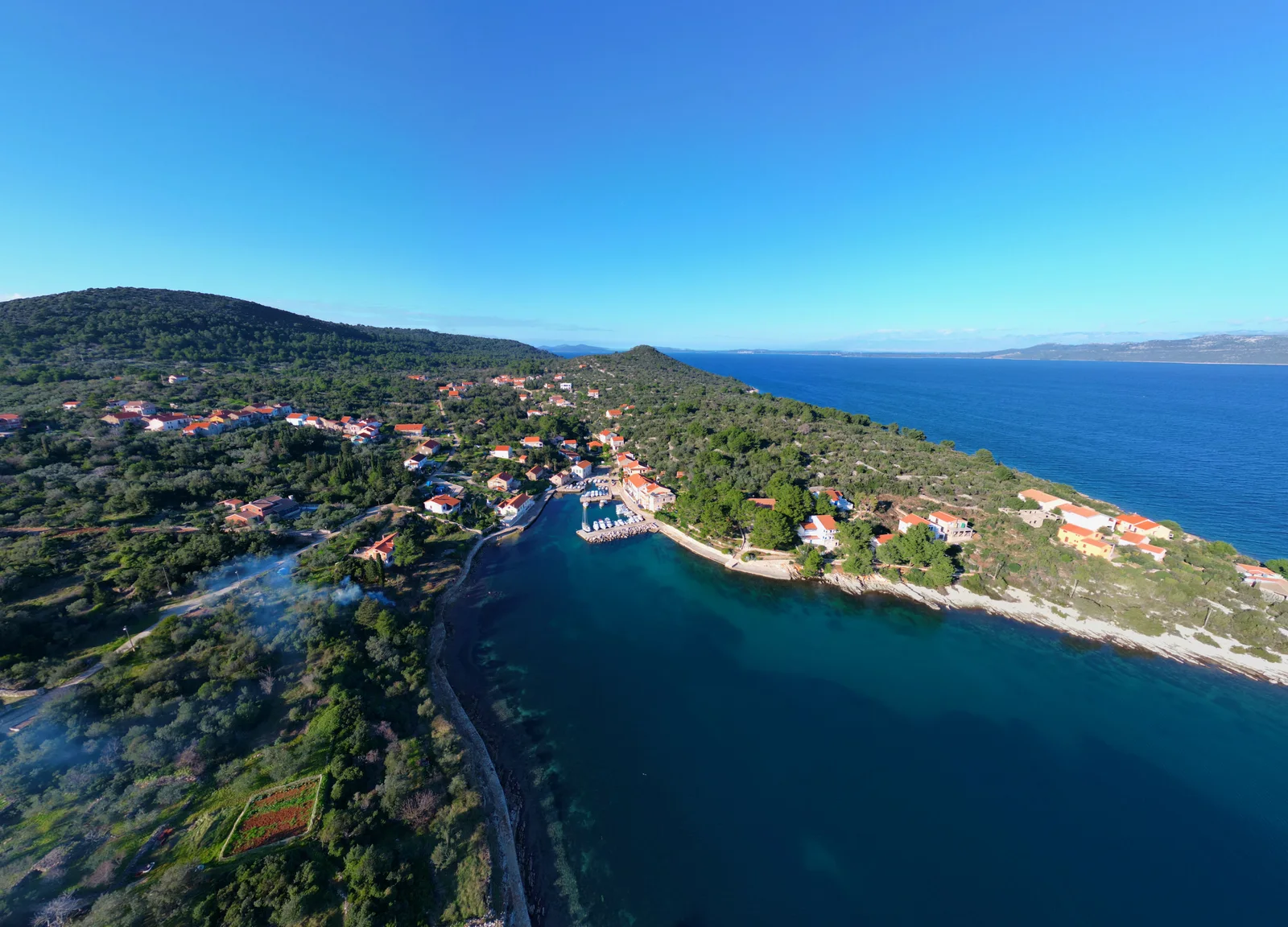
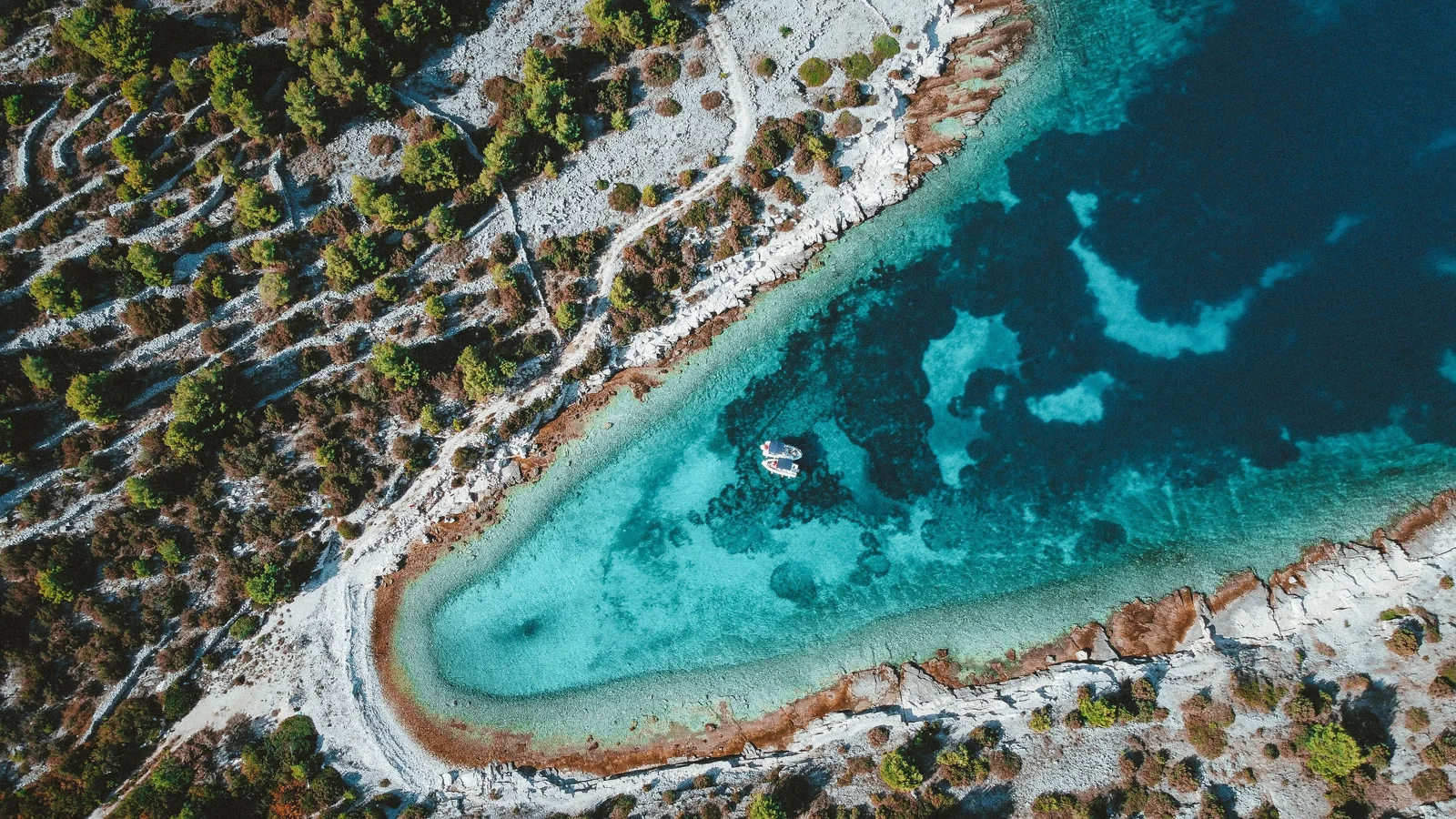
Dalmatia has fewer large naturist resorts than Istria, but it offers several clothing-optional beaches in dramatic settings. Access is less predictable, facilities are often limited and local conditions matter more. Some beaches work well as part of an island day trip; others require a car, a boat or a walk over uneven ground.
- Paklina, Bol, Brač: A naturist beach near Bol on the island’s southern coast. It is associated with the wider Zlatni Rat area but is quieter and more natural than the famous main beach. Reach it on foot from Bol along the coastal path, or check whether a local boat service is operating. Sturdy footwear is useful on rocky sections.
- Jerolim, Pakleni Islands: Opposite Hvar Town, Jerolim has a long-standing naturist reputation and marked naturist areas. Water taxis from Hvar Town are the most practical way to arrive. Check the day’s boat schedule and the last return option before leaving.
- Nugal, near Tučepi and Makarska: A secluded beach beneath steep coastal hills that has traditionally attracted naturist bathers. It is an informal setting rather than a managed FKK resort. The coastal walk can be exposed and uneven, and access may be affected by weather, trail conditions or local restrictions. Take food, water and sun protection.
- Sunj, Lopud: The sandy beach on Lopud is primarily a textile beach, while naturist bathing has traditionally been associated with a quieter section beyond the main beach. Reach Lopud by passenger boat from Dubrovnik or by local ferry connections. Check signs and ask locally before choosing a clothing-optional area.
- Vrboska and other Hvar coves: The Jelsa area lists several naturist beaches, including FKK beaches near Vrboska, Zavala and Ivan Dolac. Conditions vary considerably. Vrboska’s naturist campsite is the most structured option; the smaller coves suit independent travellers prepared for limited services.
How to reach Croatia’s FKK beaches
Transport depends on the type of beach you choose. Large resorts are generally straightforward by car, while island coves may require a combination of ferry, bus, water taxi and walking.
- By car: A car is the most flexible option for Istria, Krk, Cres and the Makarska coast. Use the resort’s official entrance rather than assuming that a beach visible on a map has public access.
- By ferry: Cres, Rab, Krk, Brač, Hvar and Lopud are connected by different combinations of car ferries and passenger boats. Routes are seasonal and timetables can change, particularly outside July and August.
- By water taxi: Kandarola and Jerolim are commonly reached from nearby towns by local boat services. Ask about the last return boat before disembarking.
- On foot: Remote beaches such as Nugal and Sahara may involve a substantial walk over rocky or exposed ground. Carry water, a towel, suitable footwear and a bag for rubbish.
- By public transport: Buses can take you close to towns such as Rovinj, Poreč, Vrsar, Baška, Bol and Makarska, but the final connection may require a taxi, boat or walk.
Is nudism legal in Croatia?
Not every Croatian beach is automatically clothing-optional. Naturism is widely accepted at designated FKK beaches, naturist camps and resorts, as well as at some established informal locations. Elsewhere, local beach rules, public-order regulations or restrictions on behaviour in public places may apply.
The safest practical approach is to use a marked or well-established naturist area, obey posted signs and follow instructions from campsite or beach staff. Do not assume that a secluded cove is appropriate simply because nobody else is there. Sexual activity, harassment, photographing strangers and intrusive behaviour are not part of naturism and may lead to police action or other penalties.
Naturist beach etiquette
- Nudity is generally expected on an FKK beach, but do not pressure anyone who is still wearing a swimsuit.
- Carry a towel and sit on it in cafés, shared seating areas and on beach furniture.
- Never photograph or film other visitors without explicit permission. Keep cameras and phones discreet.
- Do not stare, comment on people’s bodies or approach strangers with sexualised conversation.
- Public sexual behaviour is unacceptable and can create legal problems.
- Apply sunscreen carefully, particularly to areas that are not usually exposed to the sun.
- Wear shoes on rocky beaches and hot paths. Many Croatian beaches are pebbly or rocky rather than sandy.
- Take rubbish with you from remote beaches and respect protected landscapes.
- Do not assume that a remote beach has a shop, toilet or drinking water.
Which Croatian FKK beach is right for you?
- For first-timers: Choose Valalta, Koversada, Kanegra or a campsite-based beach, where facilities and rules are easier to understand.
- For families: Kanegra, Valalta, Koversada and Bunculuka are the most practical starting points, subject to current access and accommodation arrangements.
- For a historic naturist setting: Consider Kandarola on Rab or the established resorts around Rovinj and Vrsar.
- For a quieter day outdoors: Nugal, Sahara or a marked Hvar cove may suit you, provided you are prepared for limited services.
- For a boat-accessed outing: Jerolim and Kandarola are the simplest choices from Hvar Town and Rab Town respectively.
- For a town-based holiday: Rovinj, Poreč, Rab Town, Bol and Hvar offer the broadest choice of accommodation, restaurants and transport connections.
What to pack
Pack a large towel, sunscreen, a hat, drinking water, sandals or water shoes and a dry bag for valuables. On remote beaches, add snacks, a rubbish bag and an offline map. A light cover-up is useful for walking through textile areas, shops, harbours and public transport.
Before travelling, check whether the beach is open to non-residents, whether parking is available, whether a ferry or water taxi is operating and whether the site is seasonal. Official resort pages and local tourist boards are more reliable for current access than older travel posts or map listings.
The bottom line
Istria is the best choice for organised facilities and an easy first experience. Rab, Krk and Cres offer a balance of established camps, island scenery and a long naturist tradition. Dalmatia suits travellers willing to walk, take a boat and accept fewer services in exchange for a more secluded setting.
Wherever you go, look for the FKK sign, respect the boundary between naturist and textile areas, and treat the beach as a shared public space. Good manners and a little practical preparation make the coast more comfortable for everyone. For wider advice, see our guide to the dos and don’ts in Croatia, and consider these Croatian islands to plan for this autumn.