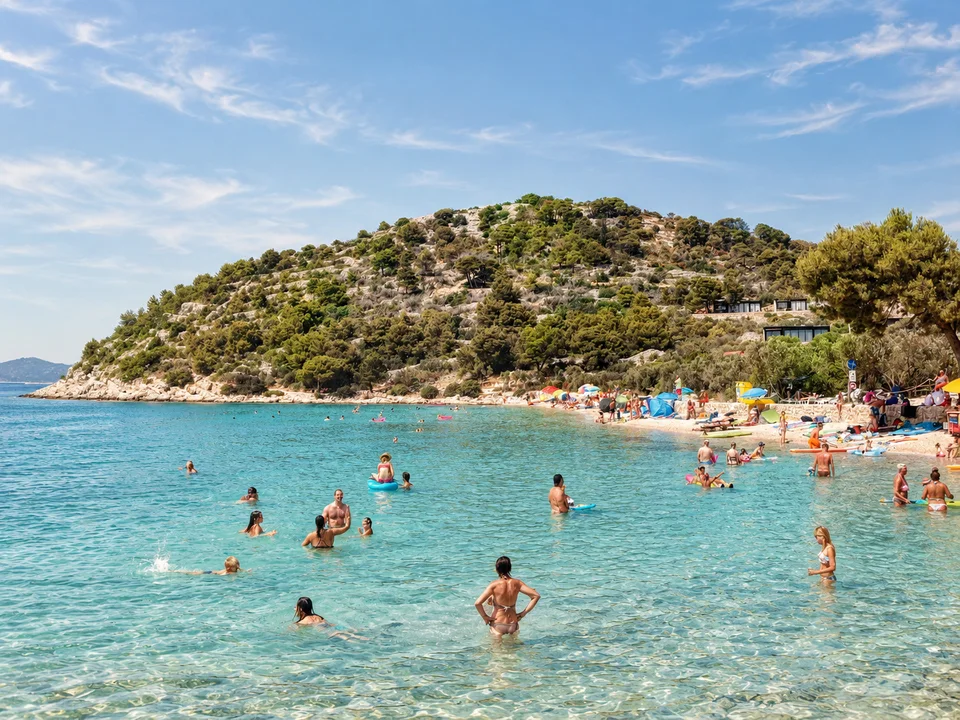
Croatia’s islands are often presented as a summer story: bright beaches, packed ferries, late-night harbour bars and boats cutting across intensely blue water. Autumn offers a different, and in many ways more generous, version of the Adriatic. The pace softens. The light turns warmer. The sea retains the heat of summer, while inland paths, vineyards and stone villages become more comfortable to explore on foot.
September is usually the easiest month for an island trip if swimming matters, since the sea has had the whole summer to warm up and many restaurants, ferries and visitor services are still operating. October is quieter and often more atmospheric, but schedules become less frequent and some seasonal businesses close or reduce their hours. The best approach is not to arrive with a rigid list of attractions. Choose one island, stay several nights, eat locally and allow the weather to shape the day.
Why autumn is the thoughtful season for Croatia’s islands
The appeal of autumn is not simply that there are fewer people. It is that the islands feel more connected to their everyday life. The waterfront belongs less to day-trippers and more to fishermen, market sellers, families and residents meeting for coffee. Walking routes are less punishing than in July. Tables are easier to find, though the most interesting meals may still require a reservation. In the countryside, grapes, olives, figs, herbs and seafood give the season a distinct culinary character.
There is also a useful change in the rhythm of travel. Instead of moving between beaches and viewpoints in the heat, you can spend a morning in a village, linger over lunch, take a swim before sunset and finish the day with a glass of local wine. This is island travel at its most restorative: less about collecting sights and more about noticing how place, weather and food belong together.
1. Brač: olive oil, stone villages and the taste of the interior
Brač is one of Croatia’s most accessible islands, with regular connections from Split to Supetar, yet its best autumn experiences are often away from the famous beaches. The island’s interior has a quieter character: dry-stone walls, olive groves, small settlements and roads that rise gently into the hills. September and October are a good time to make the island’s food culture the centre of the trip.
Begin in Škrip, one of the island’s historic villages, where the Olive Oil Museum presents the traditional tools and methods once used to make oil. A visit is more meaningful when paired with a tasting from a local producer, particularly if you ask about the island’s dominant olive varieties, harvest timing and the difference between fresh, peppery oil and a softer, older style. Autumn opening hours can be limited, so arrange a visit ahead of time.
For a slow lunch, consider the inland village of Dol. Its stone houses and traditional taverns offer a useful counterpoint to the coastal resort scene, with dishes associated with Brač including lamb, homemade olive oil and local wine. The island’s cuisine is direct rather than decorative: grilled fish, vegetables dressed with oil, sheep’s cheese, anchovies, capers and bread that is designed to absorb every last drop of sauce.
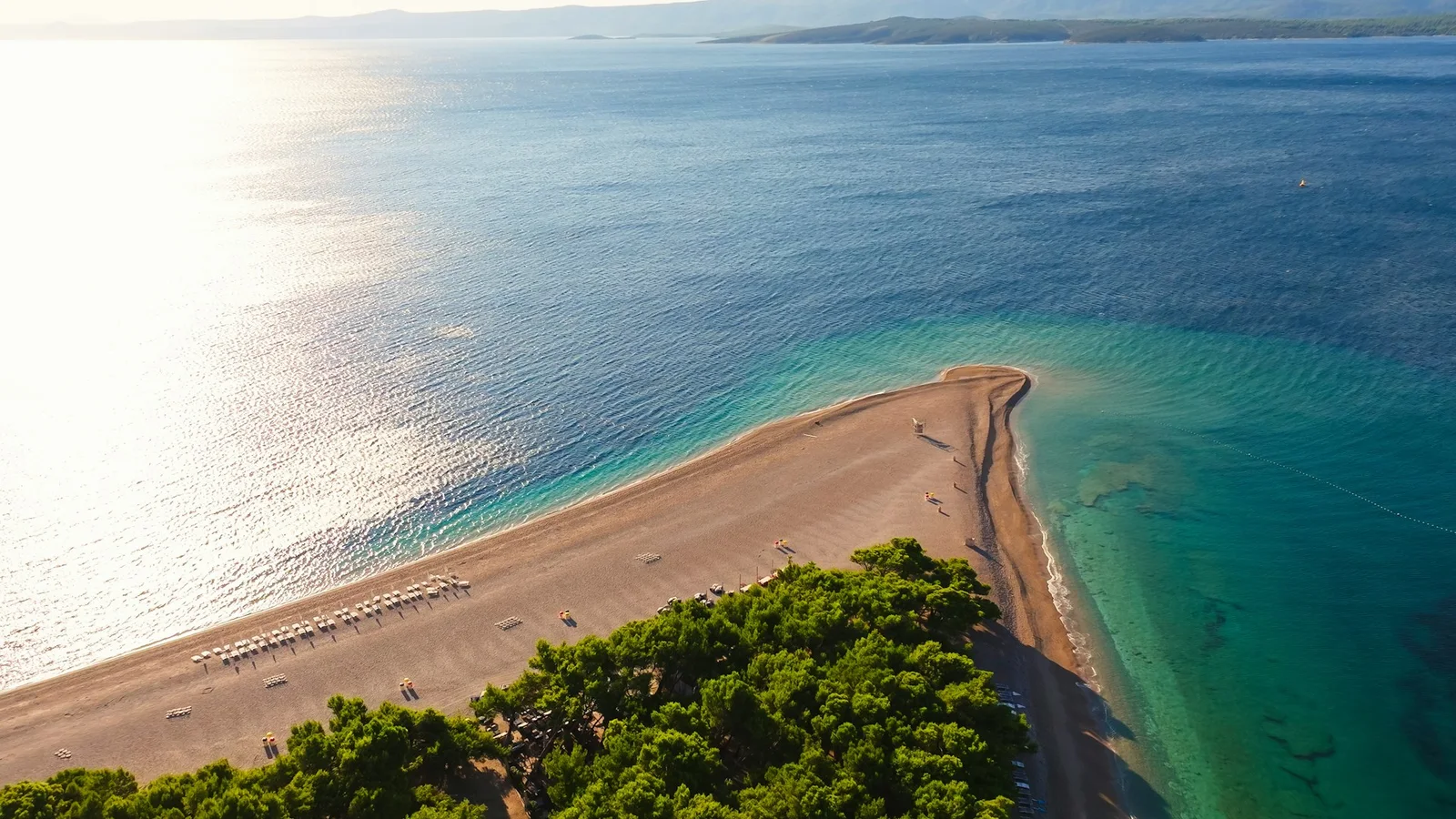
Brač also rewards unhurried walking. Base yourself in Supetar, Postira or one of the smaller northern settlements, then make short excursions rather than attempting to see the entire island. An autumn itinerary might combine Škrip, Dol, a coastal swim and an evening meal in a family-run konoba. The famous Zlatni Rat beach is still worth seeing, but it should be one stop, not the entire reason for coming.
2. Vis: long lunches at the end of the road
Vis feels deliberately removed from the mainland. Its position farther into the Adriatic, combined with a slower road network and a strong sense of local identity, makes it one of the most satisfying islands for travellers who prefer depth to speed. By autumn, the island’s coves and waterfronts are calmer, while the inland landscape begins to feel more inviting for walking and cycling.
The two principal settlements, Vis Town and Komiža, make different bases. Vis Town has a sheltered harbour, Roman remains and a relaxed waterfront. Komiža is more compact and traditionally tied to fishing, with a strong maritime character and a waterfront made for lingering. Wherever you stay, plan at least one day without a boat excursion or a packed sightseeing schedule.
Food is the reason to slow down. Look for dishes built around the island’s fishing heritage, including grilled or stewed fish, salted anchovies, octopus and seafood prepared simply enough for the quality of the ingredient to remain visible. Vugava, the island’s distinctive white wine, is an essential part of the table, while plavac mali represents the red-wine tradition. Menus and producers vary, but the principle is consistent: ask what arrived that morning and what the kitchen is preparing for local guests.
Autumn is also a good moment to explore Vis beyond the coast. Walk through vineyards and dry-stone landscapes, visit smaller villages such as Žena Glava or Podšpilje, and leave time for an afternoon coffee before returning to the harbour. Because some excursions and restaurants operate on reduced schedules outside the height of summer, a little planning is useful. The reward is an island that feels less like a backdrop and more like a living community.
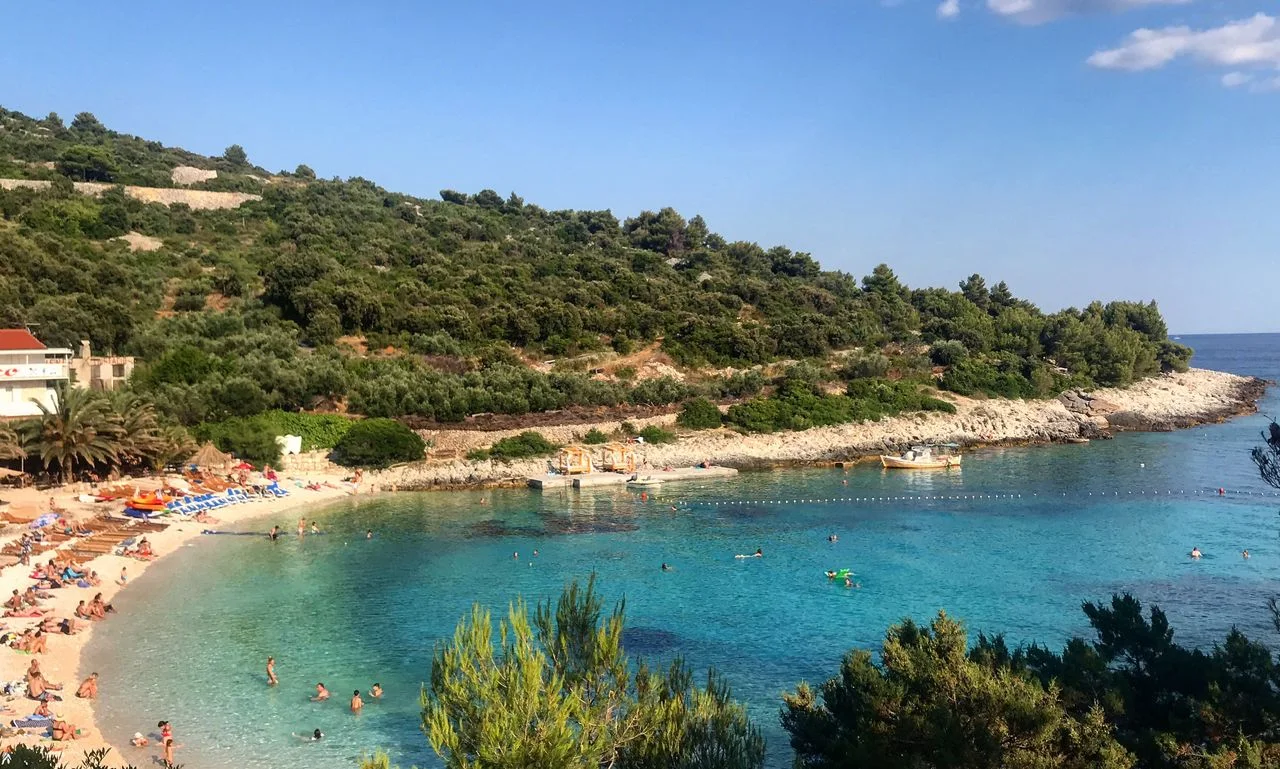
3. Korčula: vineyards, wooded paths and island kitchens
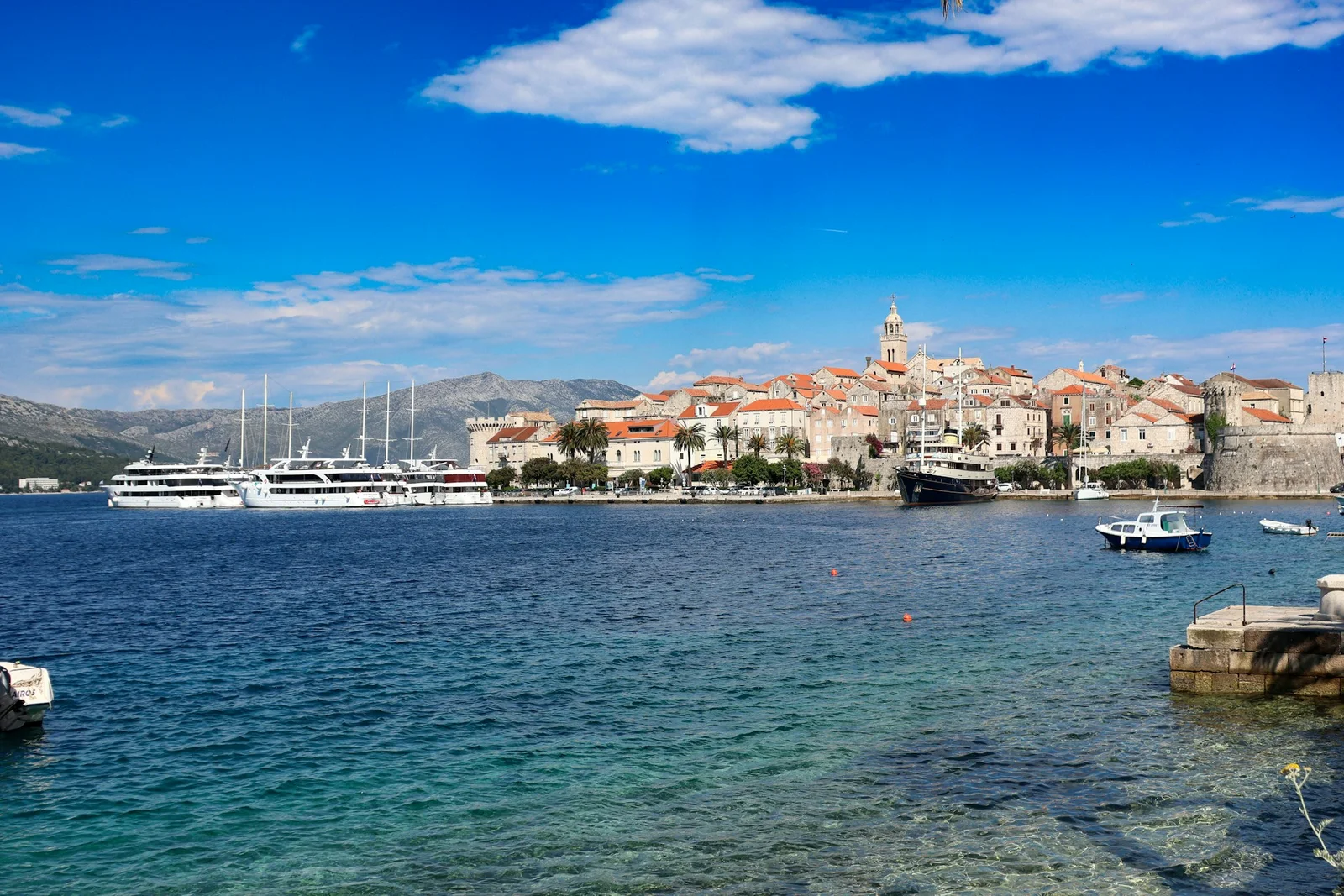
Korčula combines a handsome historic town with a surprisingly varied rural landscape. The island is known for vineyards, pine forests, olive groves and small coastal villages, making it a strong choice for travellers who want both culture and open-air time. Its autumn appeal lies in the transition between the end of the swimming season and the beginning of the harvest atmosphere.
Korčula Town is the obvious starting point, with its stone lanes and compact medieval centre, but it is worth staying beyond the town itself. Lumbarda, close enough for an easy excursion, has a long wine-growing tradition and is associated with grk, a rare white grape grown in the sandy soils around the village. In the autumn light, a vineyard tasting becomes less of a scheduled attraction and more of a way to understand the landscape.
The island’s cuisine is shaped by both land and sea. Expect seafood, locally grown vegetables, olive oil, pasta, lamb and dishes that reflect the island’s links with the wider Dalmatian coast. Žrnovski makaruni, a handmade pasta traditionally associated with Korčula, is worth seeking out when available. Pair it with a slow meal rather than trying to fit several restaurants into one day.
For a quieter itinerary, use Korčula Town or Lumbarda as a base and devote a day to the island’s western or central villages. Walk through pine-scented tracks, stop at a konoba, and allow enough time to return before dusk. Korčula is large enough to reward a week, but even four nights can feel substantial if you resist the temptation to turn every day into a driving circuit.
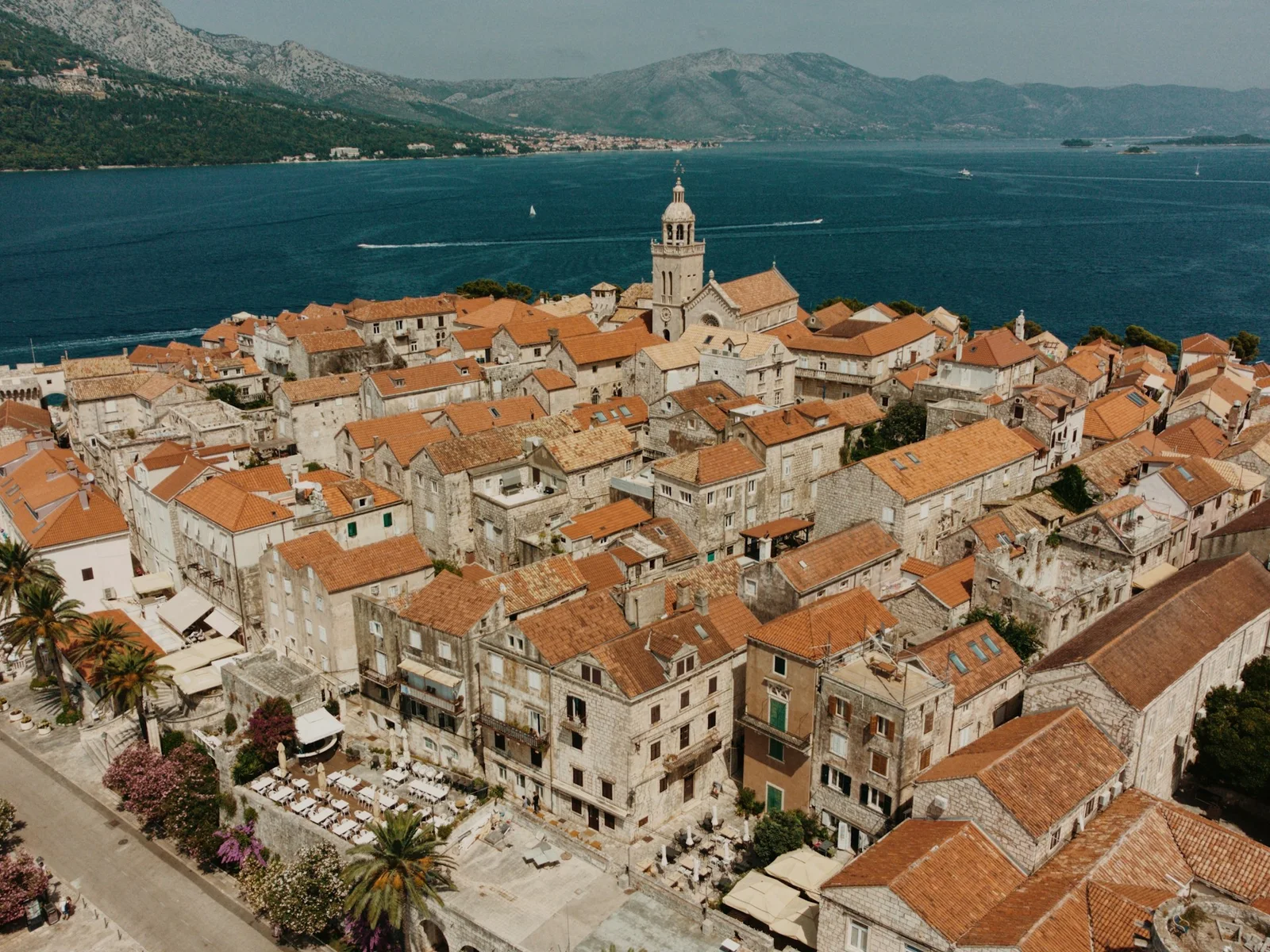
4. Lošinj: fragrant forests, restorative walks and Kvarner seafood
In the northern Adriatic, Lošinj offers a different mood from the limestone islands of Dalmatia. The island is known for pine forests, sheltered bays, aromatic plants and a long tradition of health-oriented tourism. Autumn is particularly well suited to Lošinj’s strengths: walking, breathing sea air, swimming when conditions allow and eating seafood without the pressure of a high-season timetable.
Mali Lošinj is the island’s main hub, with a naturally protected harbour and enough cafés, restaurants and services to make it a practical base outside summer. Veli Lošinj, a shorter journey away, is smaller and more intimate, with colourful houses and a waterfront that invites a slow afternoon. The coastal paths between the settlements are among the island’s most appealing ways to travel.
The food belongs to the Kvarner region: fish, prawns, squid, scampi, mussels, vegetables, olive oil and herbs. Look for menus that make room for the catch of the day rather than relying only on familiar tourist dishes. Local wines from the wider region can bring a different profile to the meal from the fuller reds associated with southern Dalmatia.
Lošinj works especially well for travellers who want a gentle structure to the day. Walk in the morning, swim or read beside the water after lunch, then return to town for an early evening meal. In October, bring layers and a waterproof jacket: the northern islands can be cooler and wetter than the far south, and exposed paths may feel very different in wind.
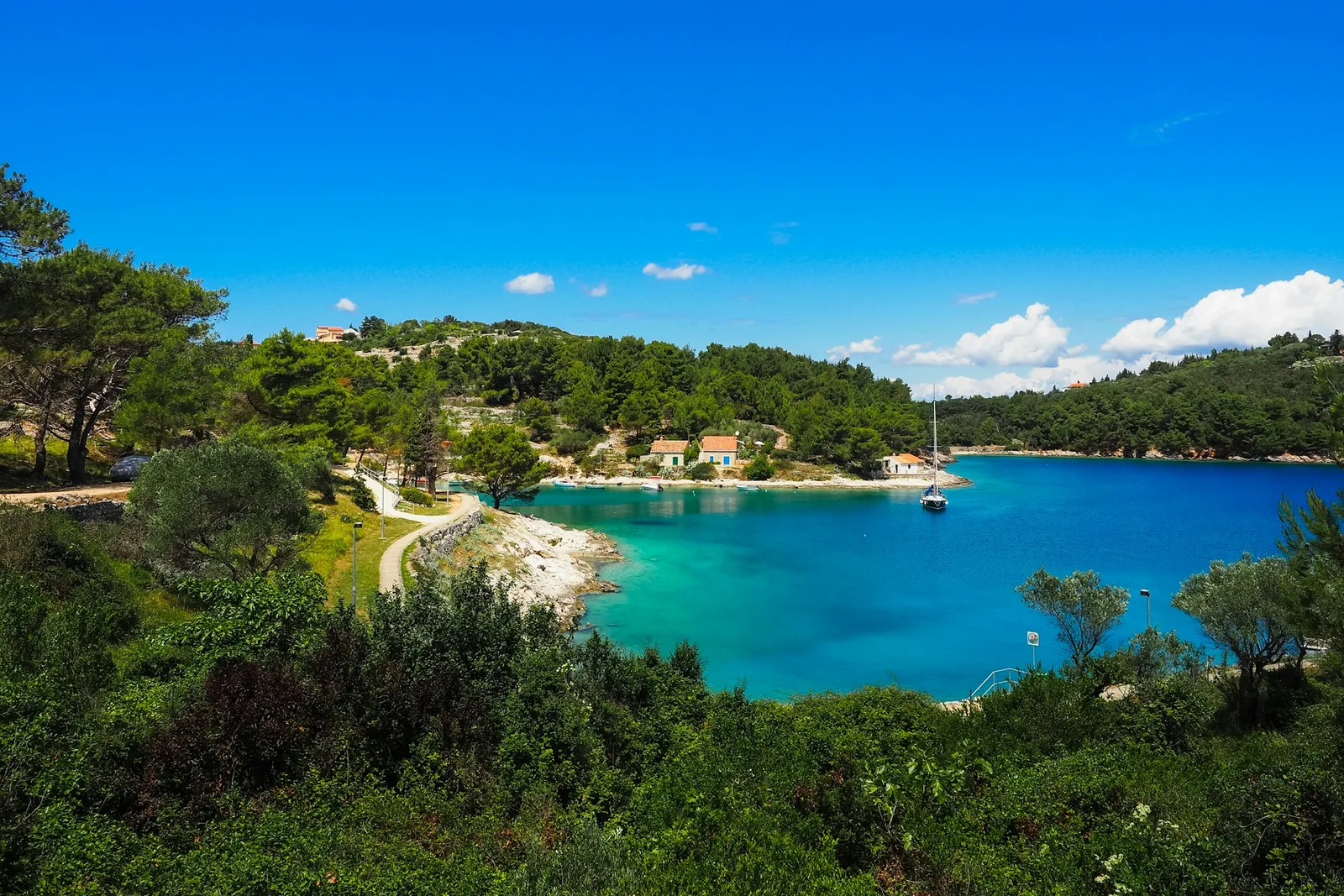
5. Šipan: the Dubrovnik archipelago at a quieter volume
Šipan is the largest of the Elaphiti Islands, yet it feels intimate and unhurried. Reached by passenger boat from Dubrovnik, the island is a natural choice for travellers who want to combine a city break with several days of rural calm. Its two principal settlements, Šipanska Luka and Suđurađ, are linked by a road and surrounded by gardens, olive groves, vineyards and old stone houses.
The island’s appeal is its lack of urgency. There are no major attractions to rush between. Instead, spend a morning walking from the harbour, looking for old churches and country houses, then stop for lunch in a family-run restaurant. Seafood, grilled fish, vegetables, olive oil and locally produced wine are the natural focus, though autumn menus and opening days should be checked in advance.
Šipan is also a good place to make the sea part of the day without making it an expedition. A swim from a quiet cove, a short boat ride or a walk between the two villages can be enough. If the weather turns, Dubrovnik is close enough for a cultural day trip, though the island is most rewarding when treated as the main destination rather than as an overnight afterthought.
How to plan an autumn island trip without rushing
- Choose one island for four to seven nights. Travelling between several islands becomes less flexible as autumn timetables replace summer frequencies.
- Prefer September for warmer swimming conditions and broader restaurant availability; choose October for deeper quiet, walking and a more local rhythm.
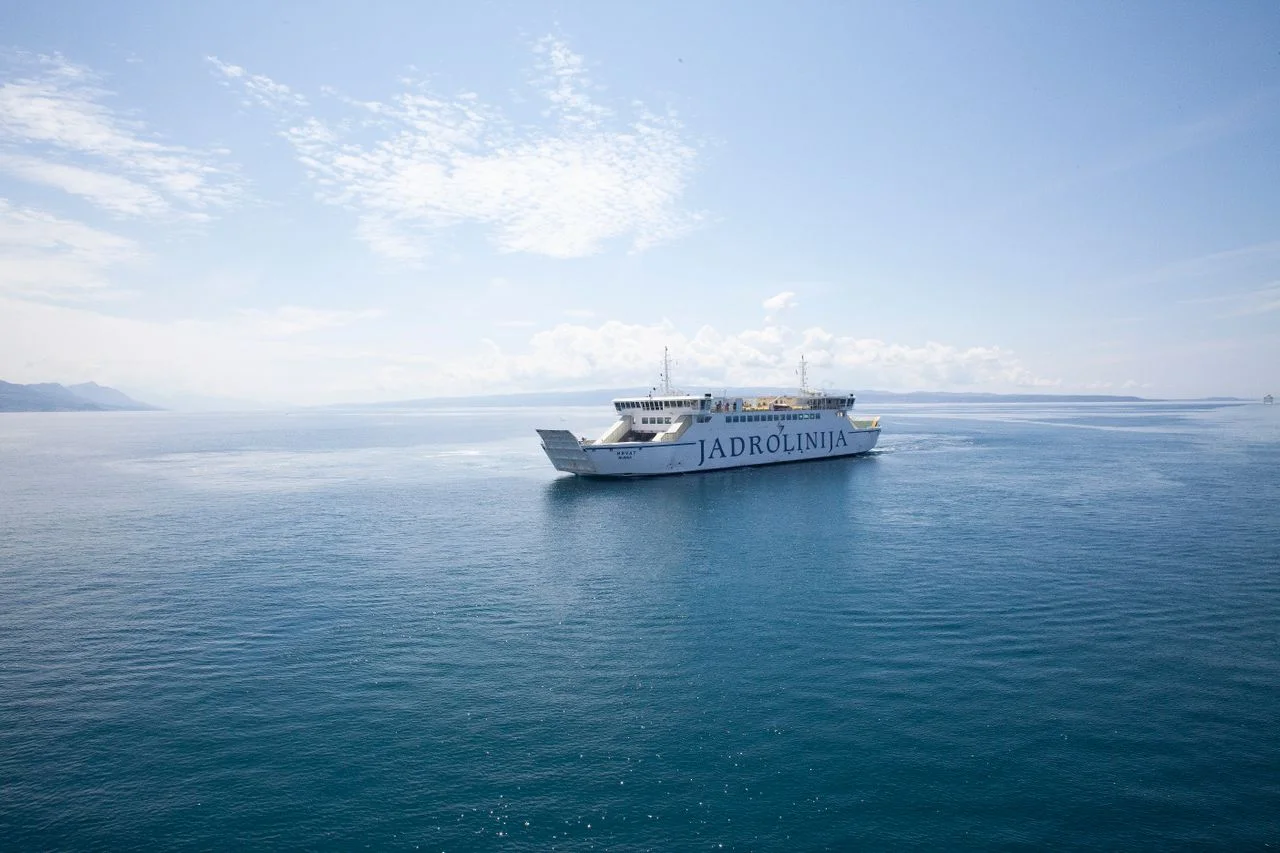
- Check ferry and catamaran schedules immediately before travel. Timetables can change with the season, weather, operational needs or public holidays.
- Book accommodation with a kitchen or breakfast option if you are travelling late in the season, when restaurant choice may be narrower.
- Ask restaurants, wineries and small museums about opening hours before setting out. Many independent businesses do not maintain summer hours after September.
- Rent a car only if it genuinely improves the itinerary. On smaller islands, walking, local buses, taxis and occasional boat connections may create a more relaxed experience.
- Pack for two seasons: swimwear and sandals, but also a light sweater, closed shoes, rain protection and something warm for ferry crossings.
- Build in weather margin. Wind can affect boat connections, while rain can make rural roads and coastal paths less comfortable.
What to eat as the season changes
Autumn island food is best understood through ingredients rather than a checklist of signature dishes. Fresh fish remains central, but the table broadens as the weather cools: grilled vegetables, mushrooms, beans, greens, lamb, goat cheese, preserved fish, figs, grapes and newly pressed olive oil. On vineyard islands, tastings may coincide with harvest activity, although the exact timing varies by location and year.
A good rule is to ask three questions: What is local? What is in season? What is the kitchen making today? The answers may lead to a plate of fish with blitva, a stew, handmade pasta, a simple salad dressed with excellent oil or a dessert built around figs and almonds. These meals are not necessarily elaborate, but they are often the clearest expression of where you are.
The best island is the one that matches your pace
Brač is the practical choice for first-time visitors who want easy access and a strong food-and-village itinerary. Vis suits travellers drawn to remoteness, fishing traditions and long lunches. Korčula offers the richest balance of historic towns, vineyards and rural exploration. Lošinj is the island for forest walks, wellness and northern Adriatic seafood. Šipan is ideal for pairing Dubrovnik with a genuinely quiet few days.
None of these islands can guarantee empty beaches or uninterrupted sunshine. Autumn is still a working season, and the weather can shift quickly. That is part of the point. With fewer crowds and fewer demands on the day, Croatia’s islands become places where the quality of attention matters more than the number of things completed. Come for the sea, stay for the food, and let the calendar slow you down.