London can feel excessive on a first visit. There are too many museums, landmarks, neighbourhoods and restaurants to fit neatly into five days, and trying to see everything usually means spending much of the trip crossing the city. This itinerary keeps the essentials, then gives them enough space to feel distinct: Westminster and the royal parks, the Tower and the Thames, one substantial museum visit, a West End performance and time in neighbourhoods where London feels more lived-in.
It suits a first-time visitor who wants a strong overview without treating the city as a checklist. The days are full, but they are arranged geographically. You will still walk a great deal, so comfortable shoes matter more than an ambitious attraction pass.
Day 1: Westminster, St James’s Park and the West End
Day 2: The Tower of London, Tower Bridge and the South Bank
Day 3: British Museum, Covent Garden and theatre
Day 4: South Kensington’s free museums and Hyde Park
Day 5: Borough, the City and a slower walk through Greenwich or Notting Hill
Before you arrive
London is best understood as a collection of central districts rather than one compact sightseeing area. For a first visit, staying somewhere with easy access to several Underground lines is more useful than choosing a hotel beside one particular attraction. Covent Garden, Bloomsbury, Soho, South Bank, Marylebone and South Kensington all work well, depending on budget and atmosphere.
For public transport, contactless payment is usually the simplest option if your card or phone works internationally. Use the same card or device every time you touch in and out, otherwise the system may not apply the correct fare cap. Oyster remains useful if you do not have a suitable contactless card. Buses are slower than the Tube but often more pleasant, especially for seeing the city above ground.
- Book the Tower of London, popular theatre productions and any timed museum exhibitions in advance.
- Do not plan more than one major paid attraction on the same day.
- Keep a flexible evening for theatre, a restaurant reservation or a change of plan if the weather turns.
- London’s weather can change quickly. A light waterproof layer is more useful than an umbrella on crowded pavements.
- Many national museums have free permanent collections, but special exhibitions usually require a separate ticket.
- Wear shoes suitable for pavements, stairs and long stretches of walking.
Day 1: Westminster, royal London and the West End
Begin with London’s most familiar landmarks, but see them on foot rather than from a queue of sightseeing stops. Start at Westminster Bridge or Westminster Underground station and walk past the Palace of Westminster, Westminster Abbey and the statue-lined Parliament Square. The area is busy, but the scale of the buildings gives the opening morning a proper sense of occasion.
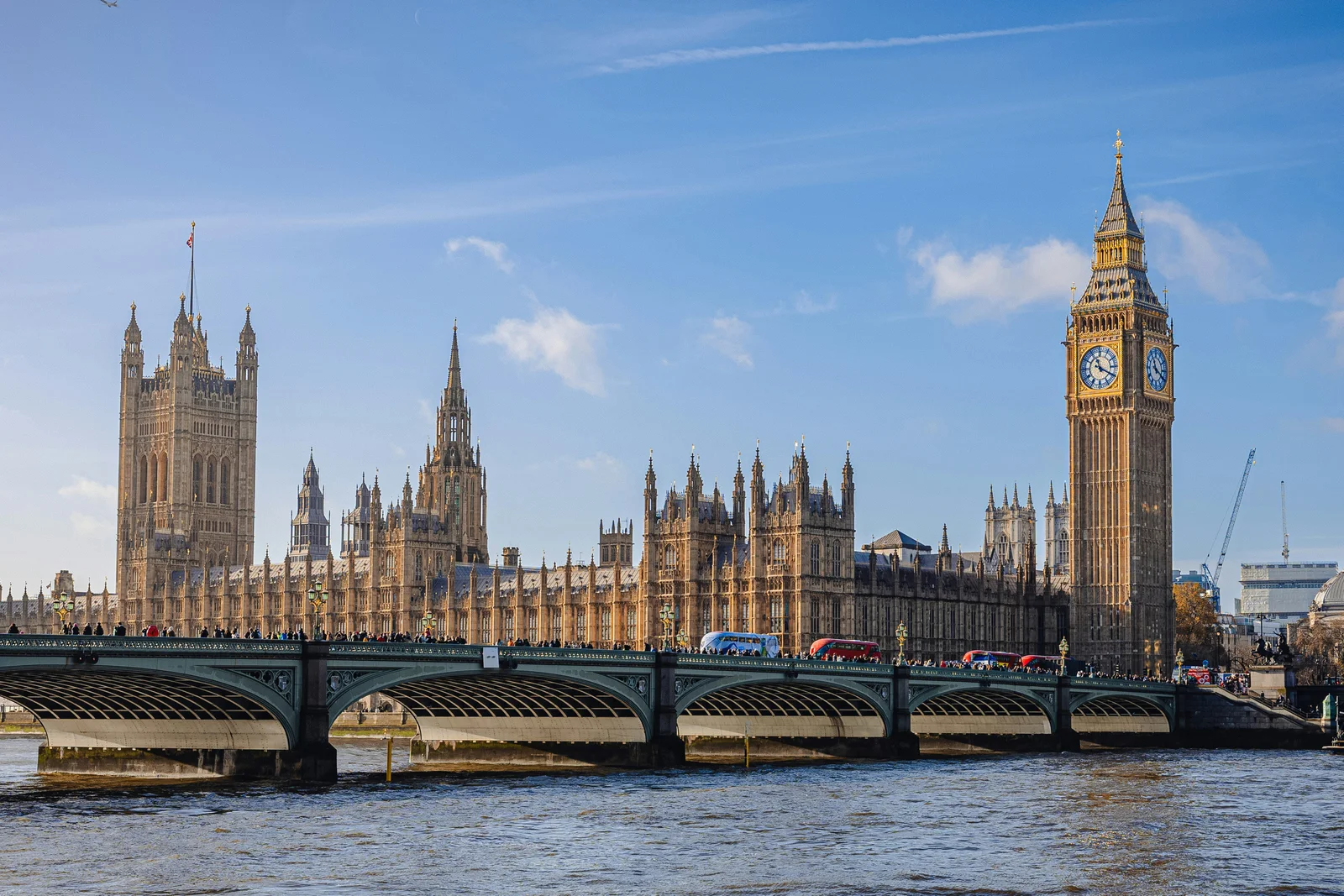
Westminster Abbey is worth entering if you are interested in British history, architecture or royal ceremony. It is not a quick visit: the interior contains centuries of memorials, tombs and layers of national history. If your priority is simply seeing the exterior and continuing through the city, leave the visit for another trip rather than squeezing it in without enough time.
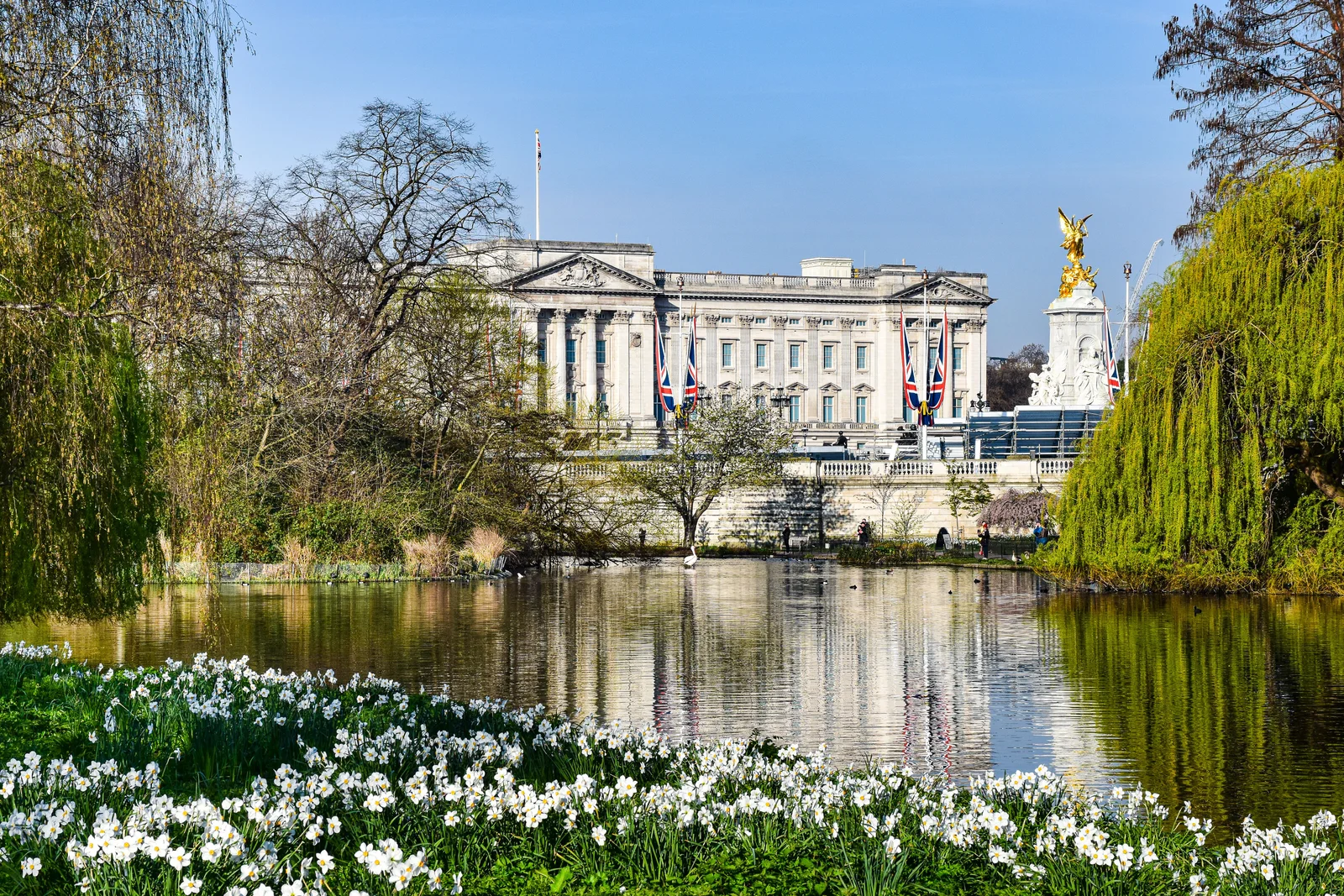
Walk towards St James’s Park, passing Downing Street and Whitehall. St James’s Park is one of the most rewarding short walks in central London. Follow the lake towards Buckingham Palace, then continue through Green Park towards Piccadilly. This route gives you ceremonial London, open space and several strong views without requiring a separate attraction ticket.
For lunch, stay in the West End rather than crossing the city. Soho is the most useful area for a first visit because it offers everything from quick noodles and small restaurants to polished dining rooms. Bancone’s handmade pasta is a reliable choice if you want a relaxed meal in the theatre district, while Dishoom Covent Garden works well for a lively all-day meal. Both are popular, so check current booking arrangements rather than assuming you can walk straight in.
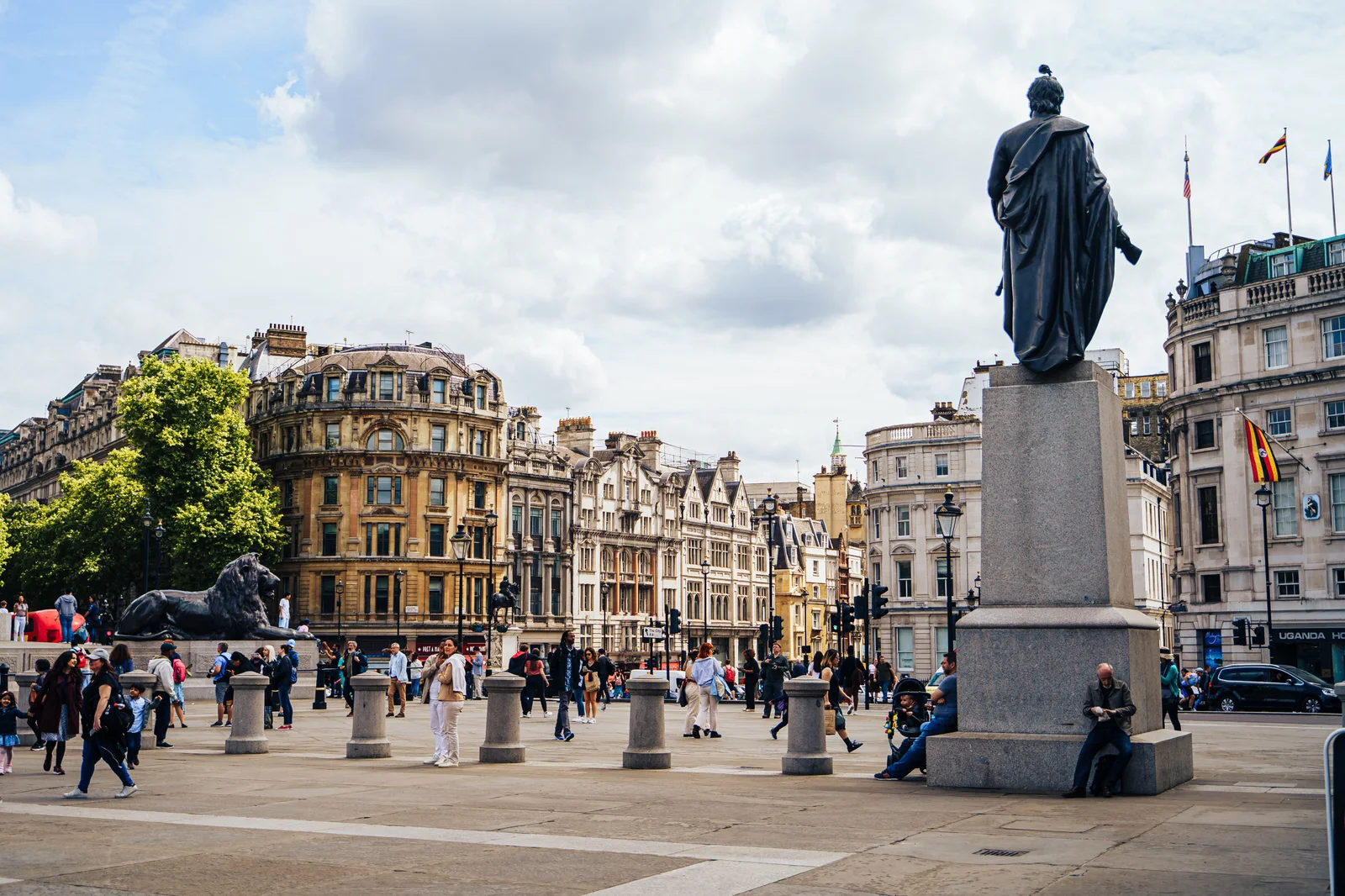
Spend the afternoon around Trafalgar Square and the National Gallery. The gallery’s permanent collection is free, and it is large enough to absorb several hours. Do not try to see every room. Choose a few painters or galleries, then leave while the visit still feels enjoyable. Trafalgar Square, the Strand and Covent Garden are close enough to connect naturally on foot.
Day 2: The Tower of London, Tower Bridge and the Thames
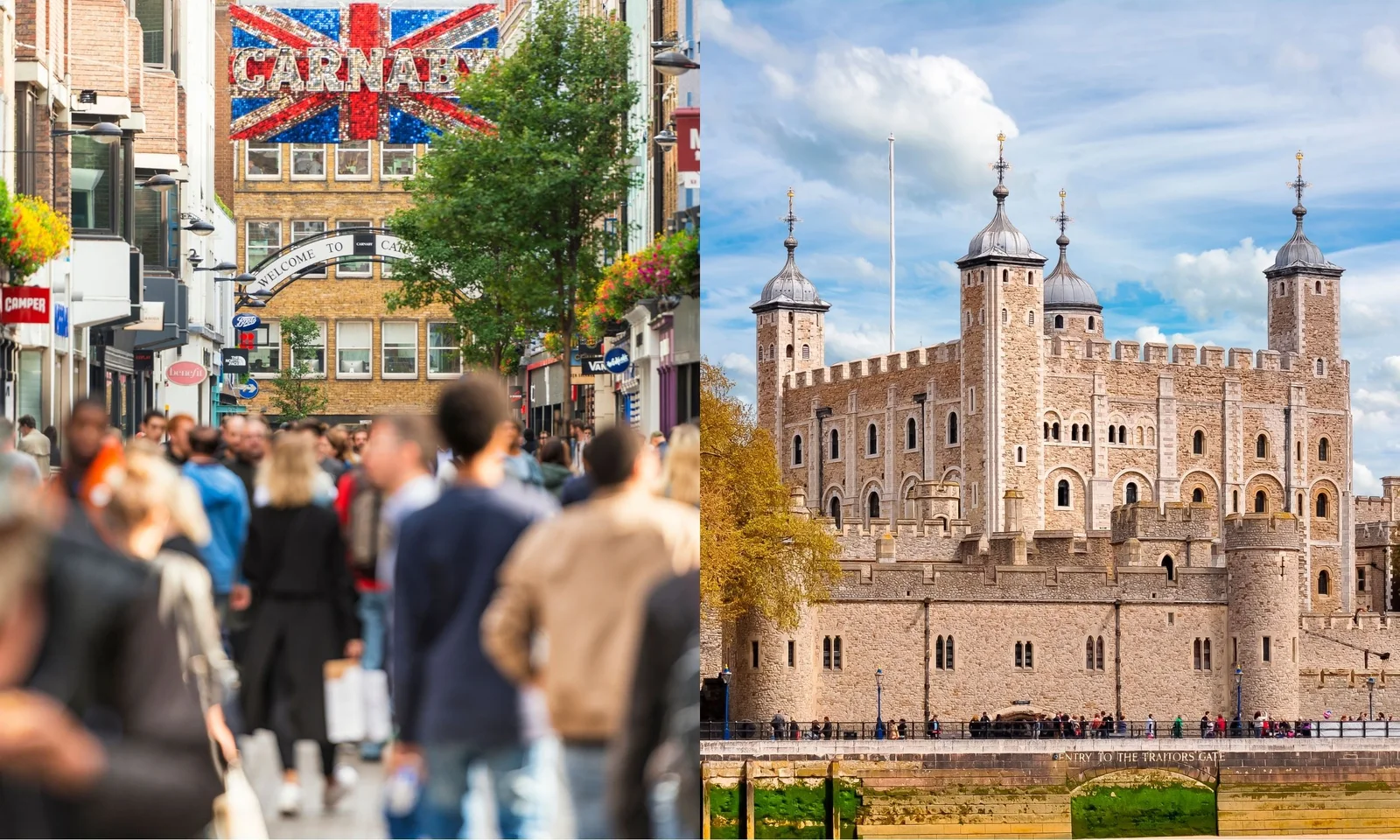
The Tower of London is the one paid historical attraction we would prioritise on a first visit. It combines fortress, palace, prison and royal collection in a way that makes London’s history feel tangible rather than abstract. Allow at least two to three hours if you want to see the Crown Jewels, the White Tower, the battlements and part of the Yeoman Warder tour.
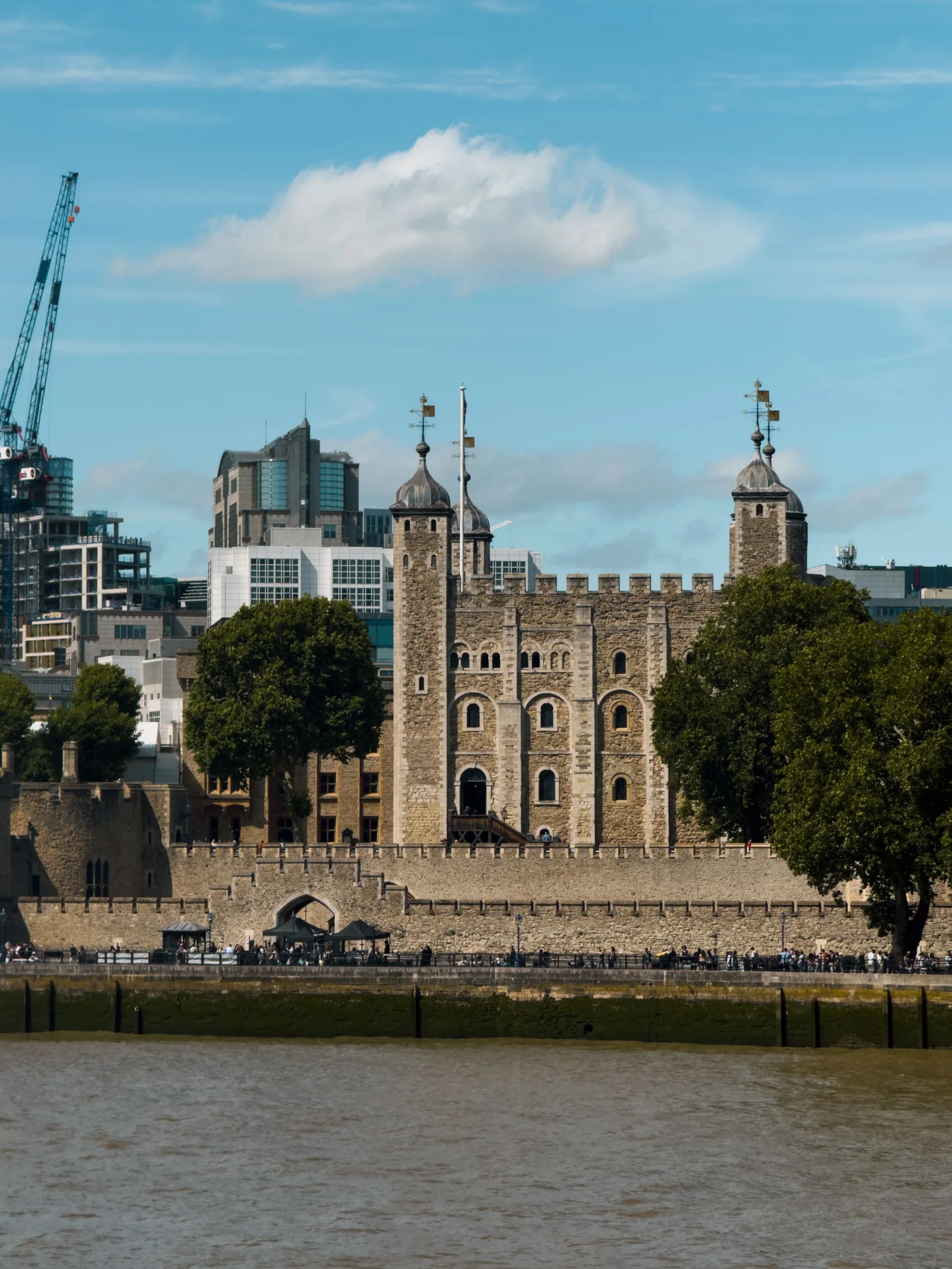
Arrive close to opening time if you can. The Tower is more enjoyable before the main crowds gather, particularly around the Crown Jewels. The site includes uneven surfaces, narrow passages and stairs, so it is not a museum to rush through in polished shoes.
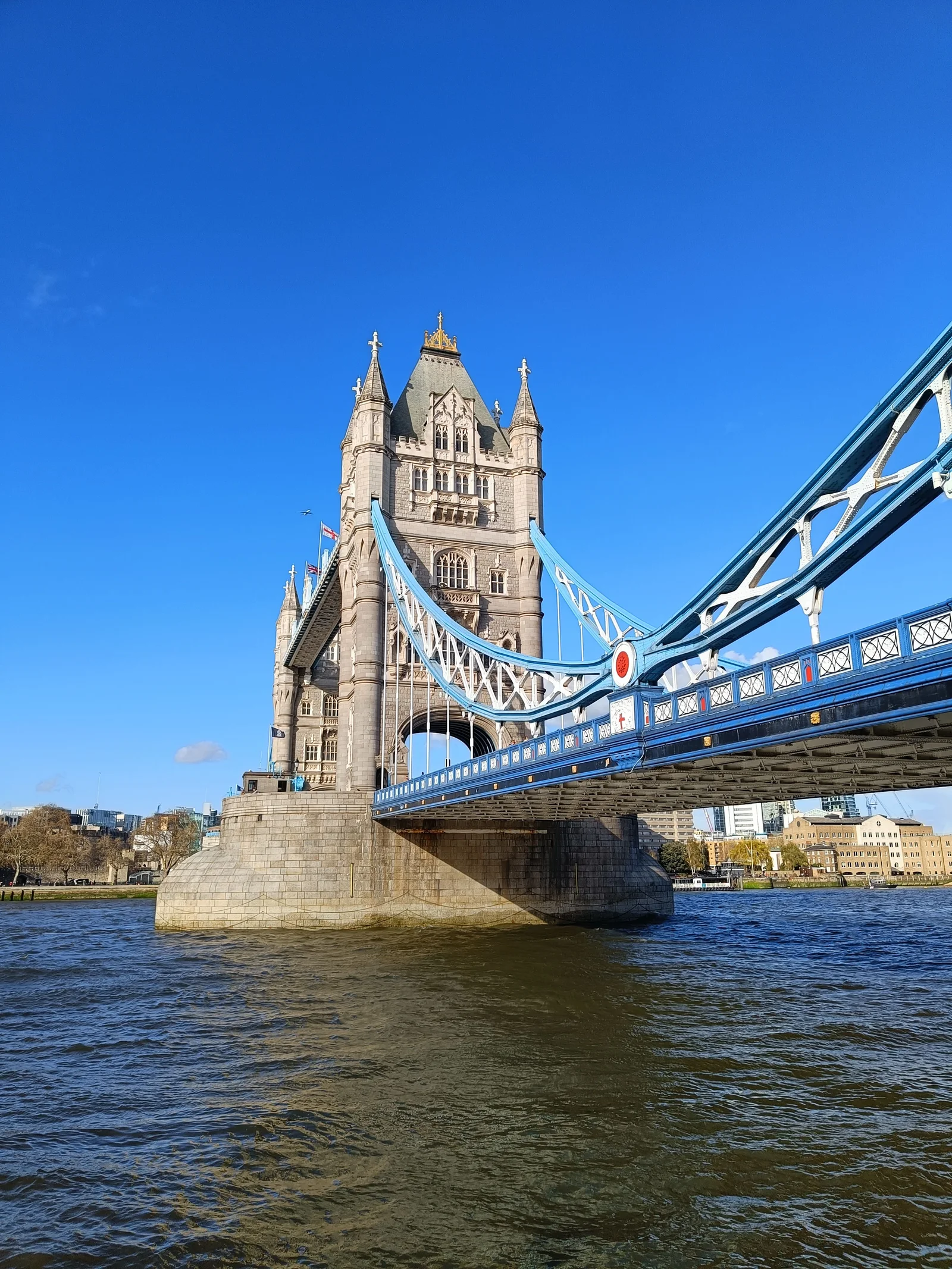
Afterwards, walk across Tower Bridge and continue along the South Bank. The bridge itself is one of London’s essential views, but the riverside walk is the more lasting experience. From there, follow the Thames towards Borough Market, Shakespeare’s Globe, Tate Modern and the Millennium Bridge.
Borough Market is useful for lunch, although it can be crowded and its atmosphere changes with the day and season. Choose one or two things rather than turning the visit into a grazing marathon. If you prefer to sit down, Borough Yards has several restaurants close to the market and the river.
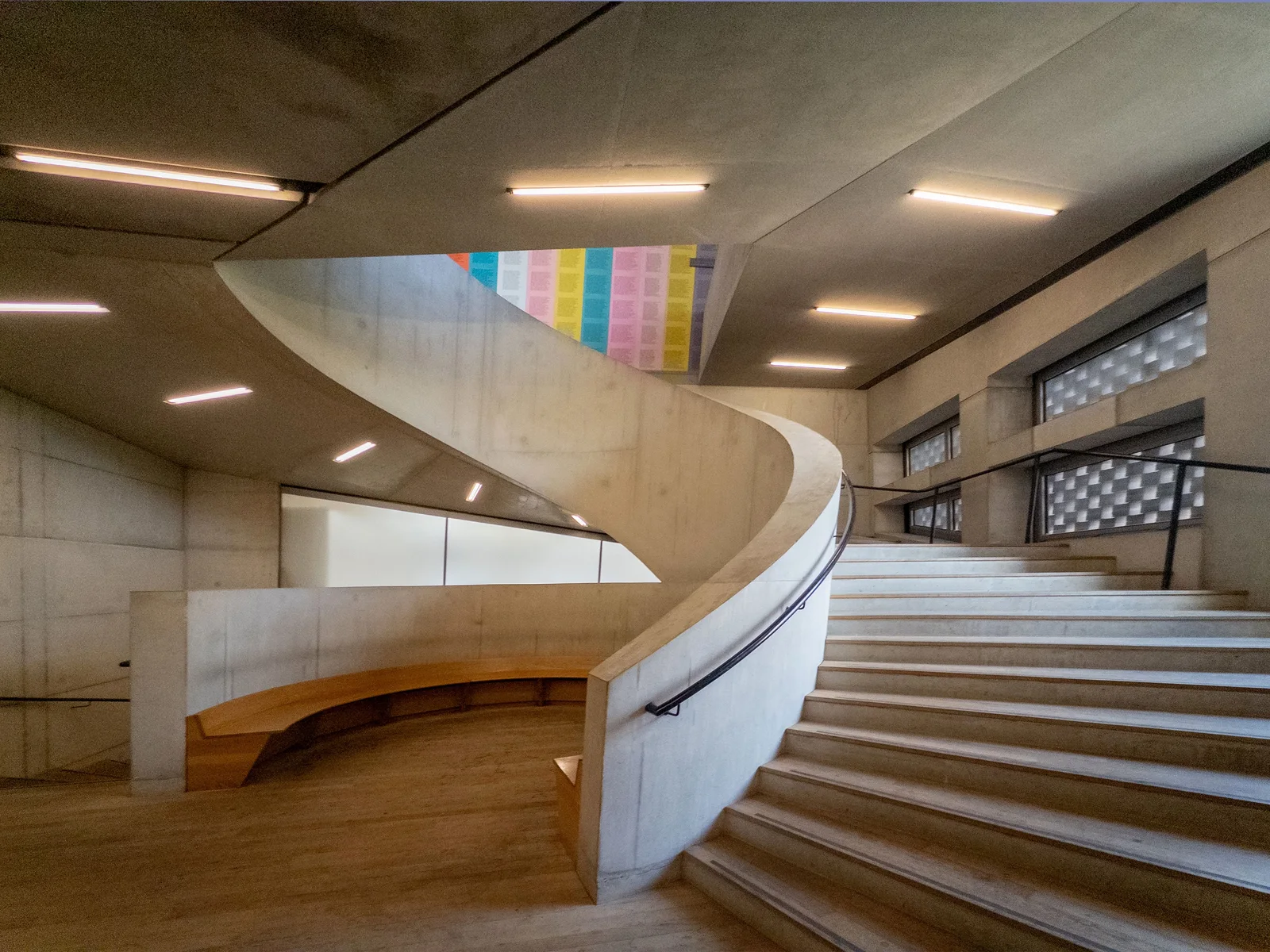
Continue to Tate Modern if contemporary art appeals to you. The permanent collection is free, and even a short visit is worthwhile for the building, the Turbine Hall and the views towards St Paul’s Cathedral. Cross the Millennium Bridge at the end of the afternoon, then walk up through the City towards St Paul’s. This is one of the clearest ways to feel the contrast between medieval London, modern finance and the river that connects them.
For dinner, choose between the South Bank and the City rather than returning to the West End. The area around Borough is more interesting for food than the immediate surroundings of many major attractions. If you want something more atmospheric, reserve a table in advance; London’s better-known restaurants rarely reward complete spontaneity.
Day 3: The British Museum, Bloomsbury and an evening at the theatre
The British Museum is one of London’s essential first-visit institutions, but it is also one of the easiest places to overdo. The collection spans thousands of years and several continents. Give it two or three hours, choose a route before you arrive and accept that you will see only a fraction of it.
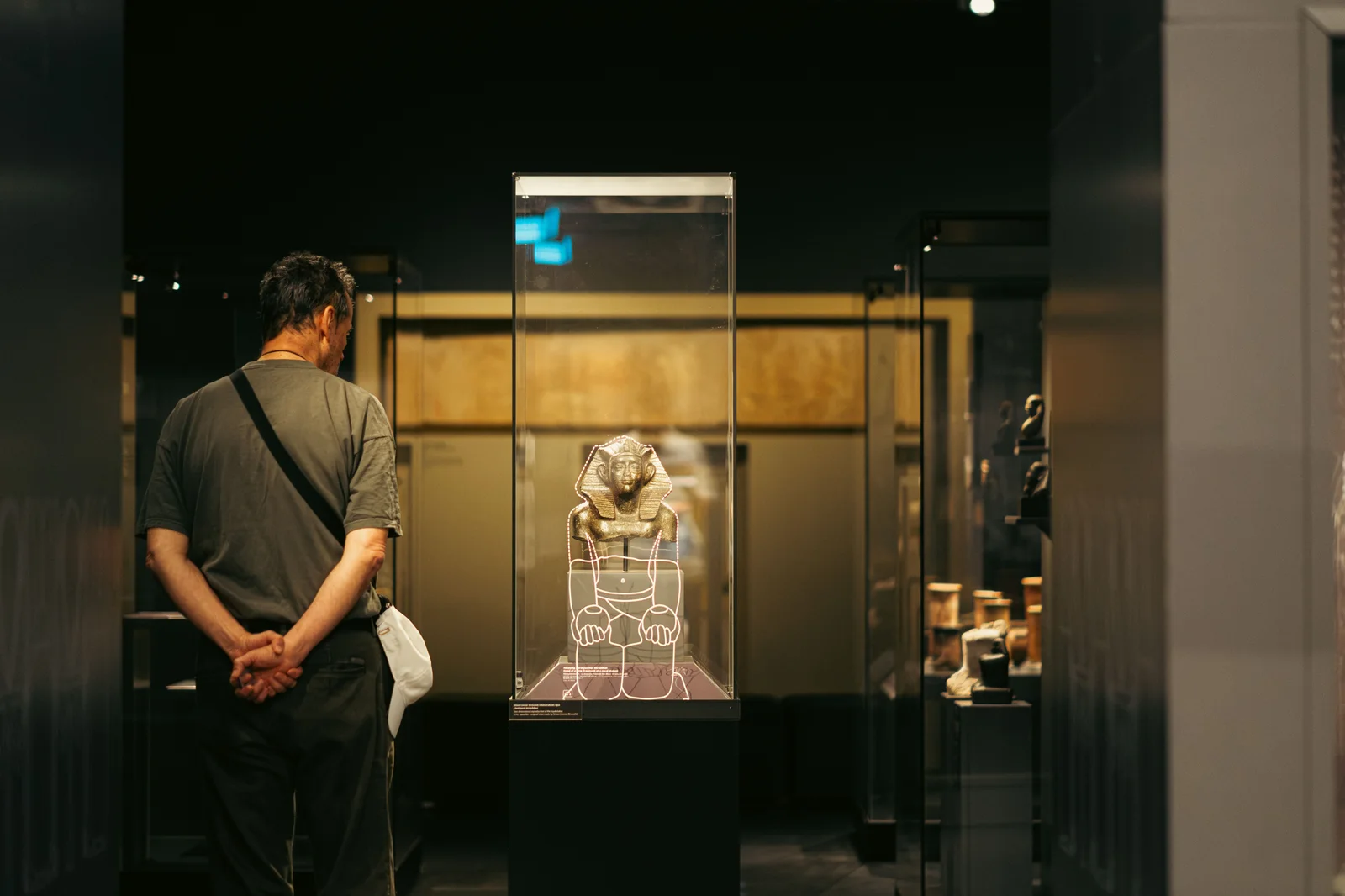
The Rosetta Stone, Egyptian mummies, the Parthenon sculptures and the Great Court are obvious starting points, but the museum becomes more rewarding when you allow time for less familiar rooms. A free timed-entry ticket is often the sensible choice during busy periods.
After the museum, walk through Bloomsbury towards Russell Square and Lamb’s Conduit Street. This is a good part of London for a quieter lunch away from the busiest sightseeing streets. Bancone’s Russell Square restaurant is convenient for fresh pasta, while Noble Rot on Lamb’s Conduit Street suits a longer lunch or an early wine-led dinner. Book ahead if you want a proper table.
Use the afternoon for a slower neighbourhood walk. Continue towards Lincoln’s Inn Fields, Holborn and the Inns of Court, where the city becomes unexpectedly calm. Sir John Soane’s Museum is a small, distinctive free museum that can be a better use of limited time than adding another enormous collection to the itinerary.
Choosing a London theatre show
A West End performance deserves a place in a five-day London trip. The city’s theatre culture is not limited to famous musicals: you can choose a large-scale production, a new play, a comedy, Shakespeare at the Globe or a performance at the National Theatre on the South Bank.
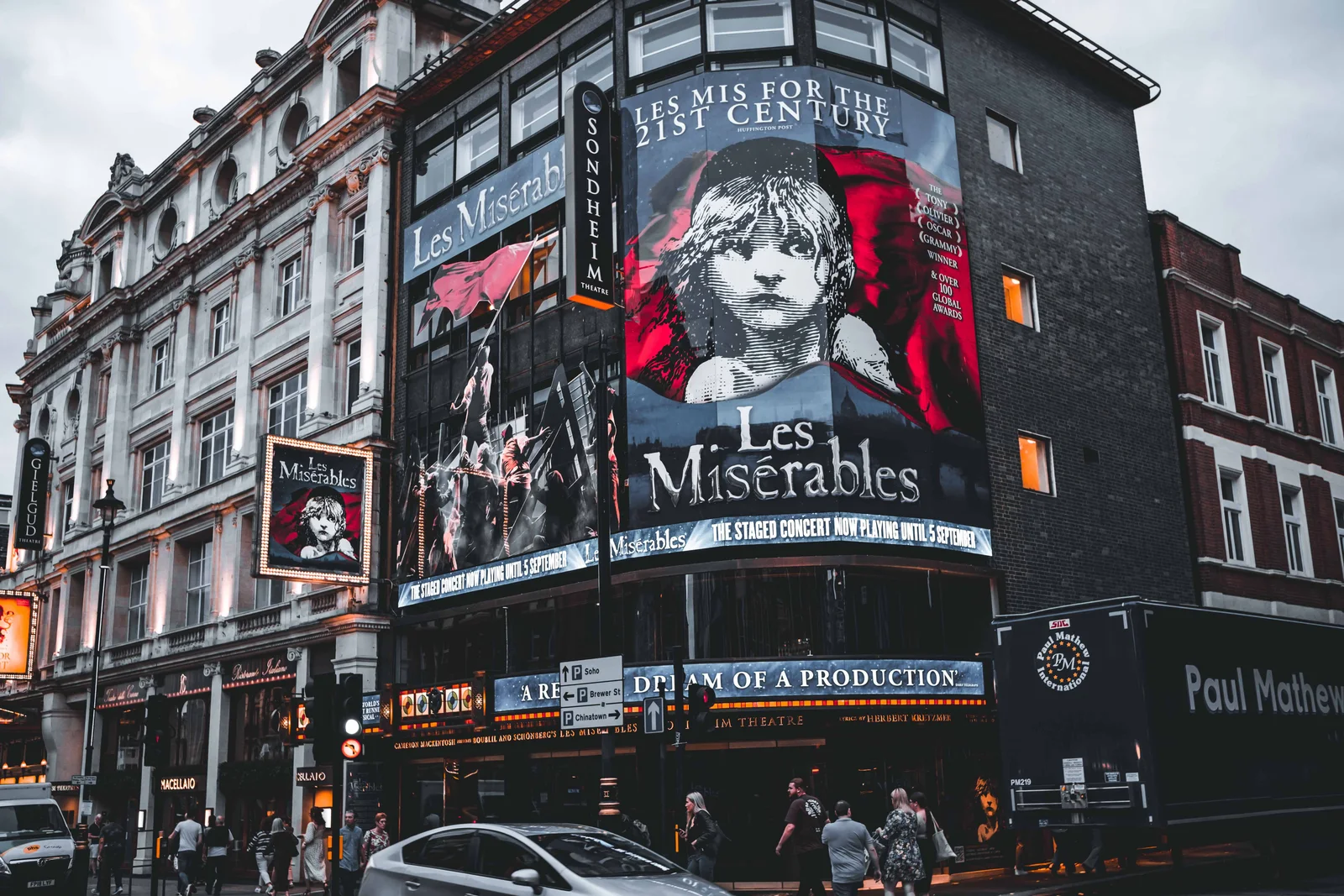
If this is the one show you particularly want to see, book through the theatre or an official ticketing partner before travelling. For a more flexible approach, the Official London Theatre Ticket Booth in Leicester Square and its online listings offer same-day and short-notice tickets, although availability changes constantly.
- Book popular productions well ahead, especially for Friday and Saturday evenings.
- Tuesday to Thursday performances and weekday matinees often offer better availability.
- Check the running time before booking dinner afterwards.
- Read age guidance and content notes, particularly when travelling with children.
- Do not buy from unofficial sellers outside theatres or from ticket listings that do not clearly identify the venue or authorised seller.
Day 4: South Kensington’s free museums and Hyde Park
South Kensington is London’s most useful museum district. The Victoria and Albert Museum, the Natural History Museum and the Science Museum are all close together, and each has free permanent collections. Trying to see all three properly in one day is too much, so choose one as your main visit and treat another as an optional stop.
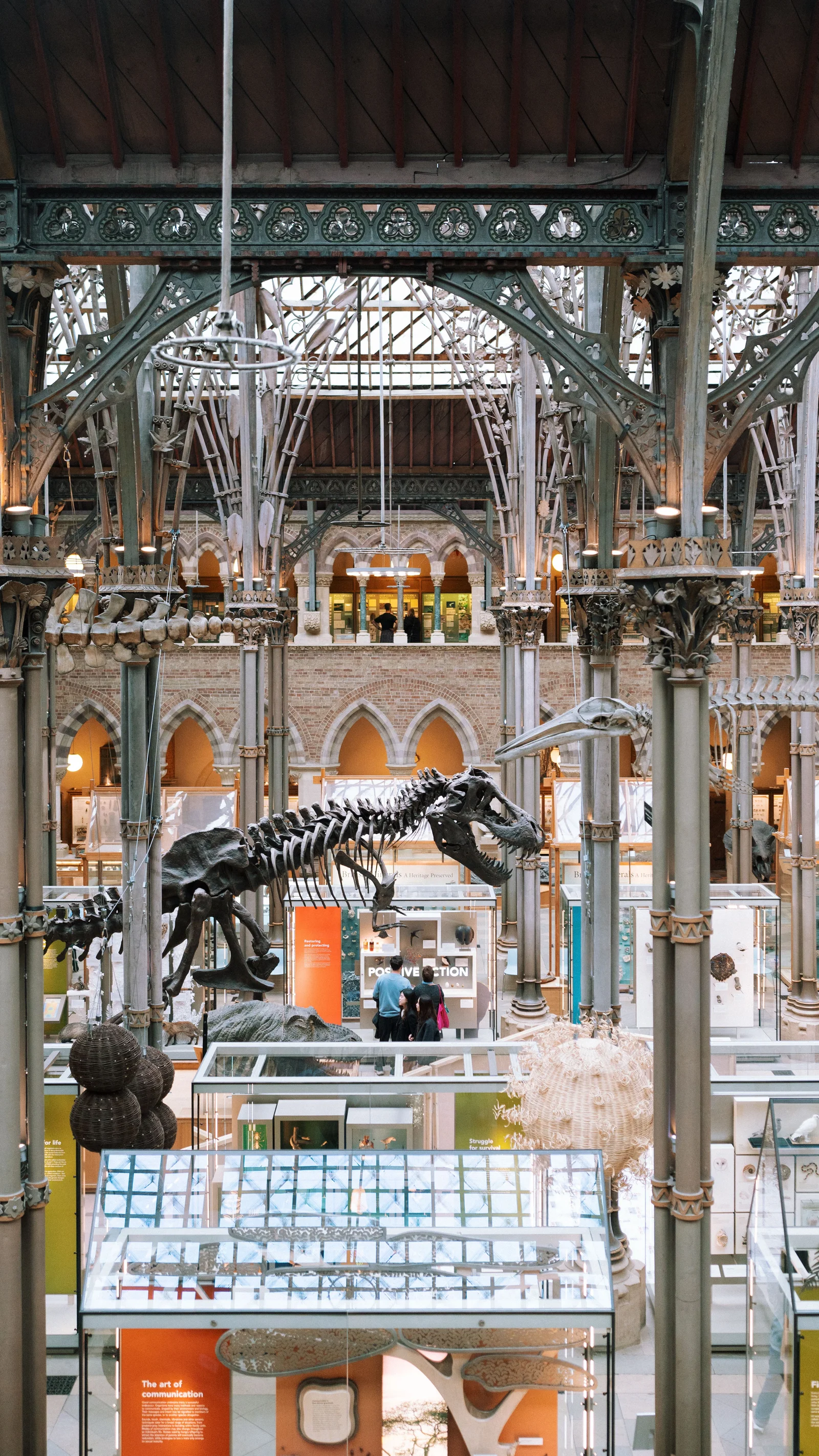
The V&A is the best choice for design, fashion, interiors and decorative arts. Its rooms are varied enough for a first visit to feel personal rather than chronological. The Natural History Museum is the obvious choice for architecture, natural history and families, while the Science Museum works particularly well if you prefer technology, space and interactive displays.
Book a free entry slot where recommended, and arrive early during weekends or school holidays. If the queues are long, do not spend half the morning waiting for one museum. London has enough alternatives to change direction.
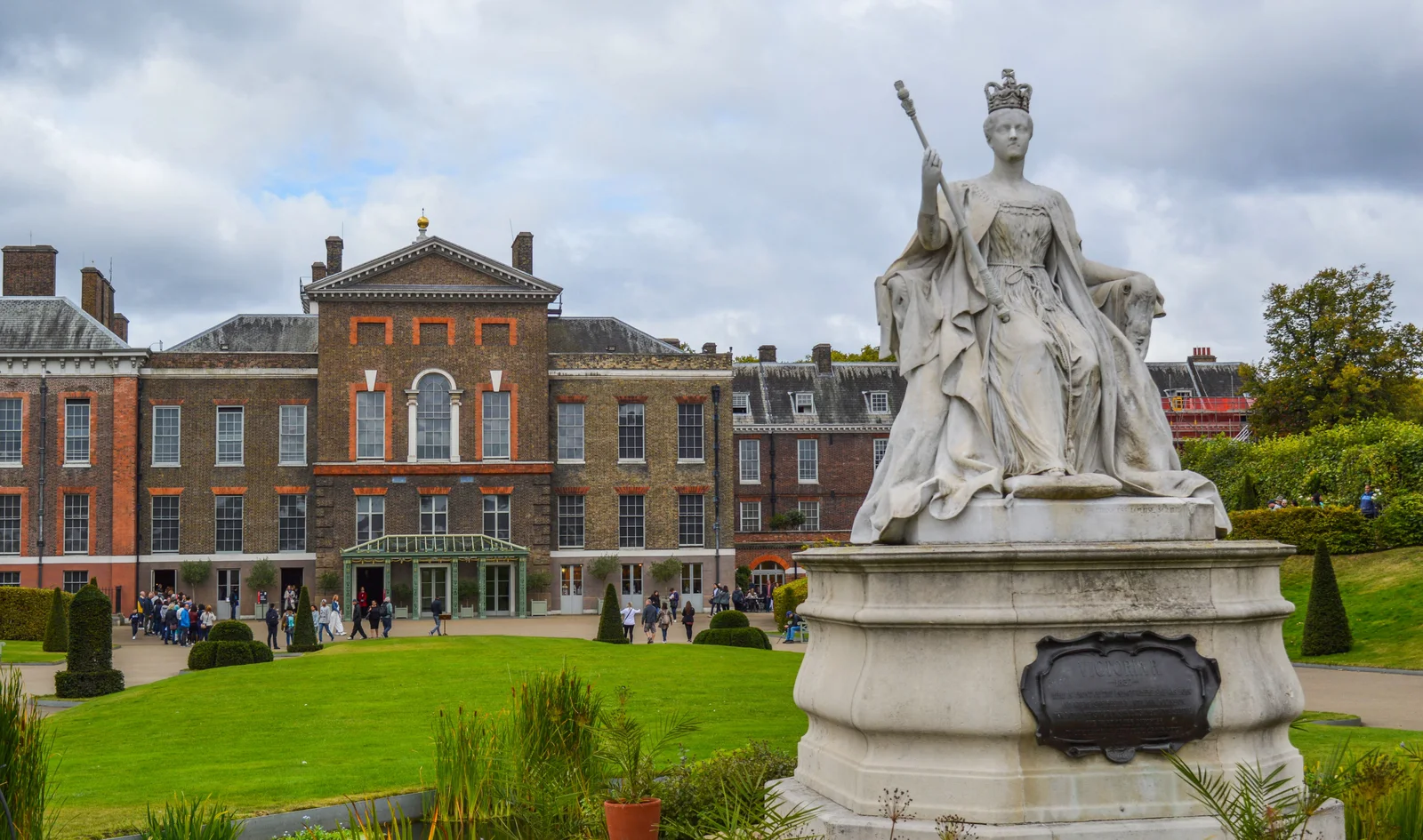
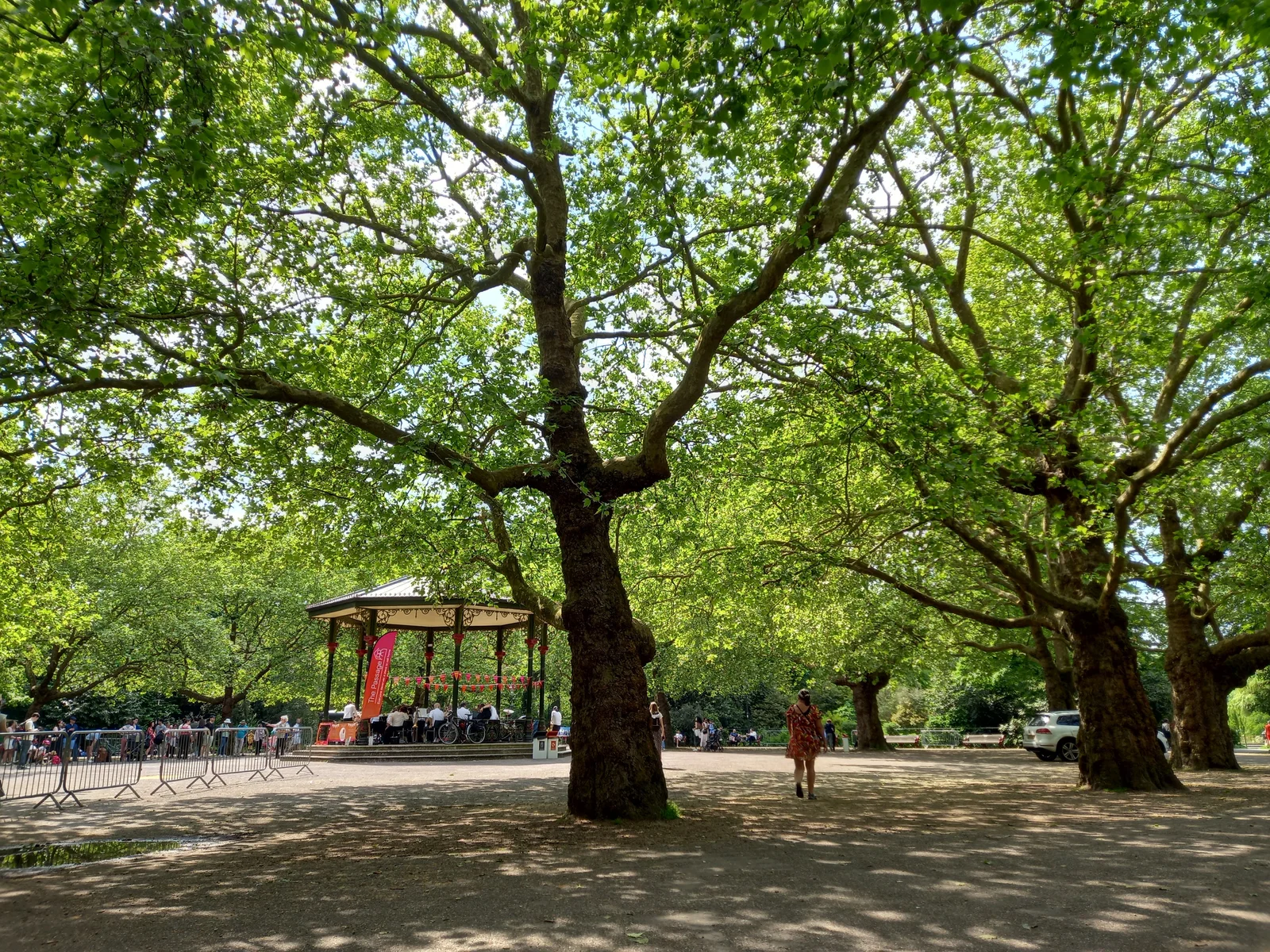
After the museum, walk through Kensington Gardens into Hyde Park. You can continue towards Marble Arch or turn south towards Knightsbridge, depending on your energy. The park is useful as a pause between cultural visits, and it makes the day feel less like a sequence of indoor attractions.
For dinner, return to Kensington or head east towards Soho. Dishoom Kensington is convenient after the museums and serves an all-day Bombay-inspired menu in a lively setting. It is a good option when you want something informal but more considered than a fast meal.
Day 5: Camden Town, Primrose Hill and Little Venice
After four days of royal landmarks, historic buildings and major museums, spend your final day exploring a different side of London. Camden Town offers an entirely different atmosphere, with its alternative fashion, music heritage, vintage shops and lively markets. It is busy, colourful and occasionally chaotic, but that is precisely what makes it worth visiting.
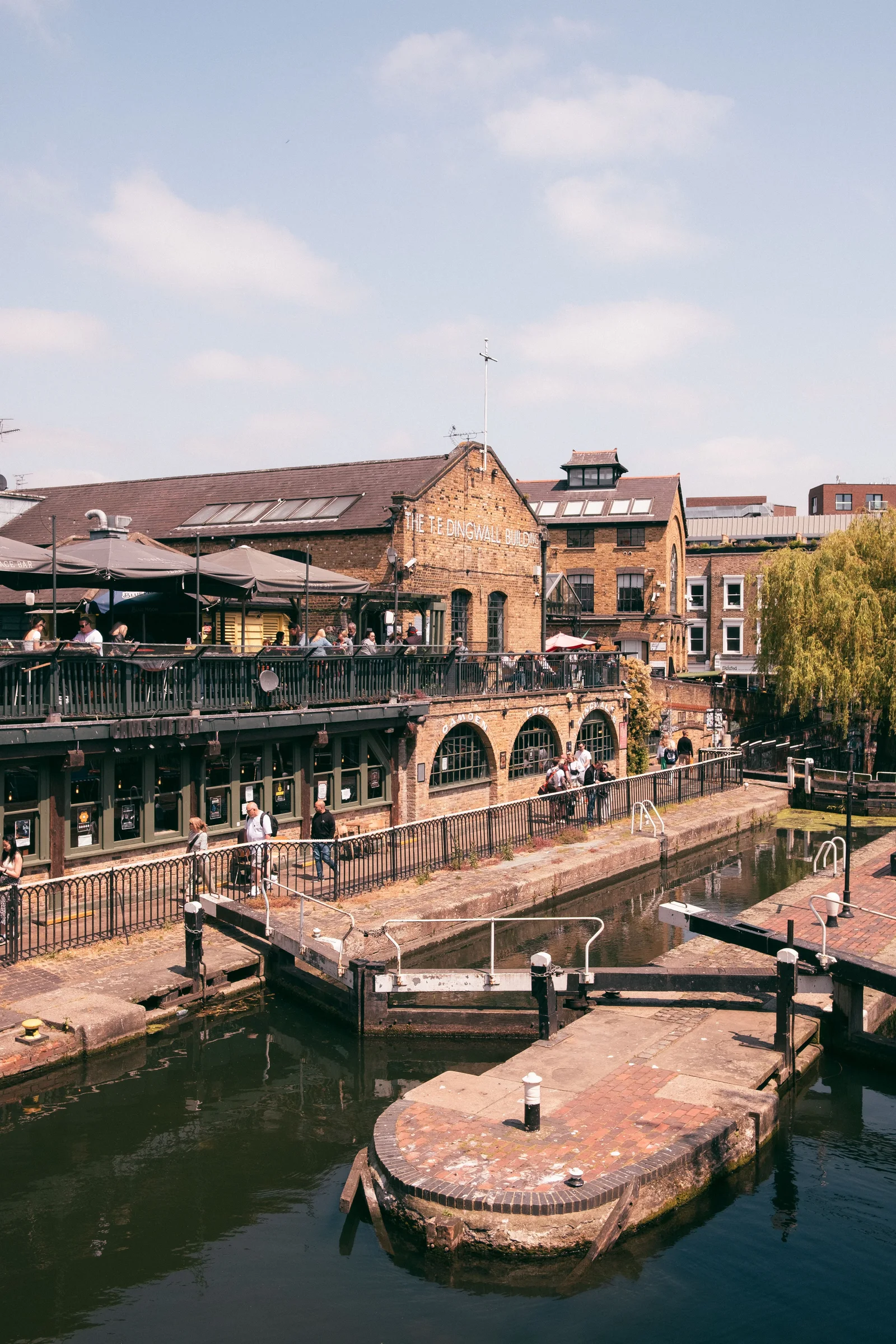
Start at Camden Town Underground station and walk along Camden High Street towards Camden Market. The area's distinctive shopfronts give way to a sprawling collection of independent traders, food stalls and unusual boutiques. Explore Camden Lock and Stables Market, where you will find everything from vintage clothing and records to handmade jewellery, artwork and unexpected souvenirs. Camden's connection to London's punk and alternative music scenes remains part of its identity, even as the neighbourhood has become one of the city's most popular visitor destinations.
Allow a couple of hours to explore without a strict shopping list. For lunch, Camden Market is an excellent place to try street food from around the world. Rather than choosing a restaurant in advance, browse the stalls and follow whatever catches your attention. The market is particularly lively at weekends, although visiting on a weekday generally makes it easier to explore at your own pace.
For a change of atmosphere, walk towards Primrose Hill, passing through the attractive residential streets north of Regent's Park. The short climb to the top rewards you with one of London's most beautiful panoramic views. Unlike the city's observation decks, the experience is entirely free, with a wide grassy hillside and the skyline stretching across the horizon. It is a particularly lovely place to pause after the energy of Camden.
If you still have time and enjoy walking, return towards Regent's Canal and follow the towpath west towards Little Venice. This peaceful stretch passes near London Zoo and the northern edge of Regent's Park, revealing a quieter London of narrowboats, waterside houses and leafy paths. The contrast with Camden's crowded streets is remarkable.
Little Venice, with its picturesque canals and moored boats, makes a fitting final stop. Find somewhere for coffee, watch the boats pass or simply enjoy a slower afternoon before returning to your hotel. Paddington is within easy reach for onward transport.
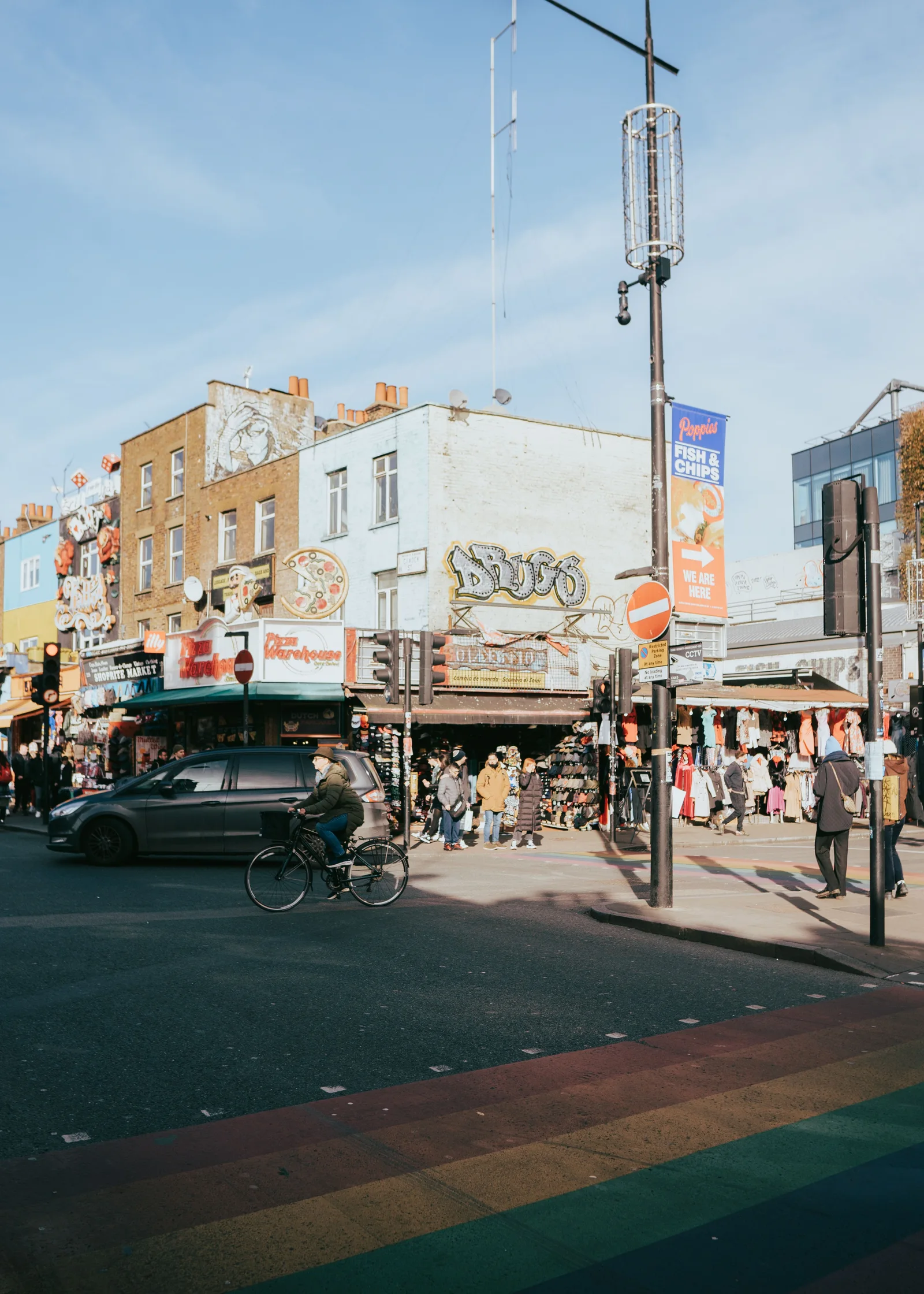
If you prefer neighbourhood life, choose Notting Hill. Walk around the residential streets, continue along Portobello Road and stop for lunch or coffee. It is more enjoyable outside the busiest market periods, when there is room to notice the colour, architecture and independent shops. Do not expect the area to feel undiscovered; its appeal lies in its texture and familiarity.
What to eat during five days in London
London is one of the best cities in Europe for eating across cultures, but first-time visitors often spend too much time searching for a single definitive restaurant. A better approach is to choose by neighbourhood and mood.
- For an easy first-night meal: Soho or Covent Garden, where you can combine dinner with a walk through the West End.
- For Indian food: Dishoom offers a polished, accessible introduction to Bombay-inspired cooking, with several central locations.
- For fresh pasta: Bancone is useful around Covent Garden, Soho, Borough, Russell Square and Kensington.
- For wine and a longer meal: Noble Rot is a good choice if you are comfortable booking ahead and taking your time.
- For variety and atmosphere: Borough Market is better for a casual lunch than a carefully paced dinner.
- For a special meal: choose the restaurant for its location and style as much as its reputation, then reserve early.
London tips that make the trip easier
- Group your days by area. Crossing London several times is tiring and rarely necessary.
- Use the Tube for longer distances, but walk whenever two nearby sights can be connected on foot.
- Avoid eating directly beside the busiest landmark unless the location is the reason for choosing the restaurant.
- Book free museum entry when available, especially for the British Museum, Natural History Museum and Science Museum during busy periods.
- Leave room for a second visit to a neighbourhood you enjoyed. Five days is enough for an introduction, not a complete understanding of London.
- Check attraction opening times, temporary closures, ticket rules and theatre schedules shortly before travelling.
- If rain changes your plans, use it as a reason to spend longer in one museum rather than trying to continue a rigid outdoor itinerary.
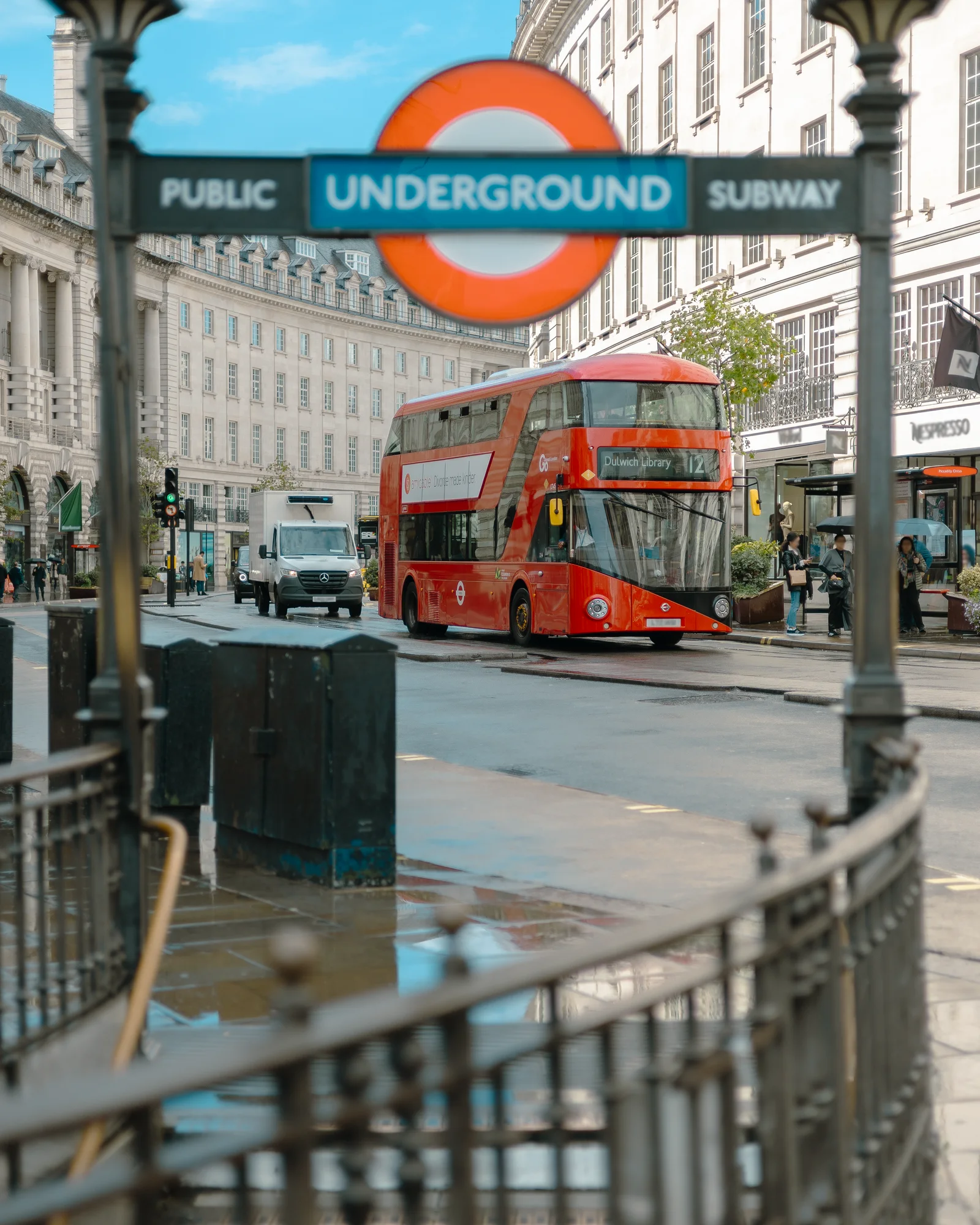
- Use a river bus or ordinary city bus when the route is convenient. It can be a calmer way to see London than another Underground journey.
- Do not assume every famous sight deserves the same amount of time. The Tower of London may justify half a day; Piccadilly Circus may need ten minutes.
How long would we stay?
Five days is a strong introduction to London. It allows time for the major historic sights, one or two museums, a theatre performance, several good meals and at least one neighbourhood that is not built around tourism. A shorter trip can cover the landmarks, but five days gives the city enough room to become more than a succession of famous views.
The main decision is how much structure you want. Book the experiences that genuinely matter to you, then leave the edges of each day open. London is at its best when the itinerary is clear enough to be useful but loose enough to let you stop for one more room, one more street or one more drink before dinner.