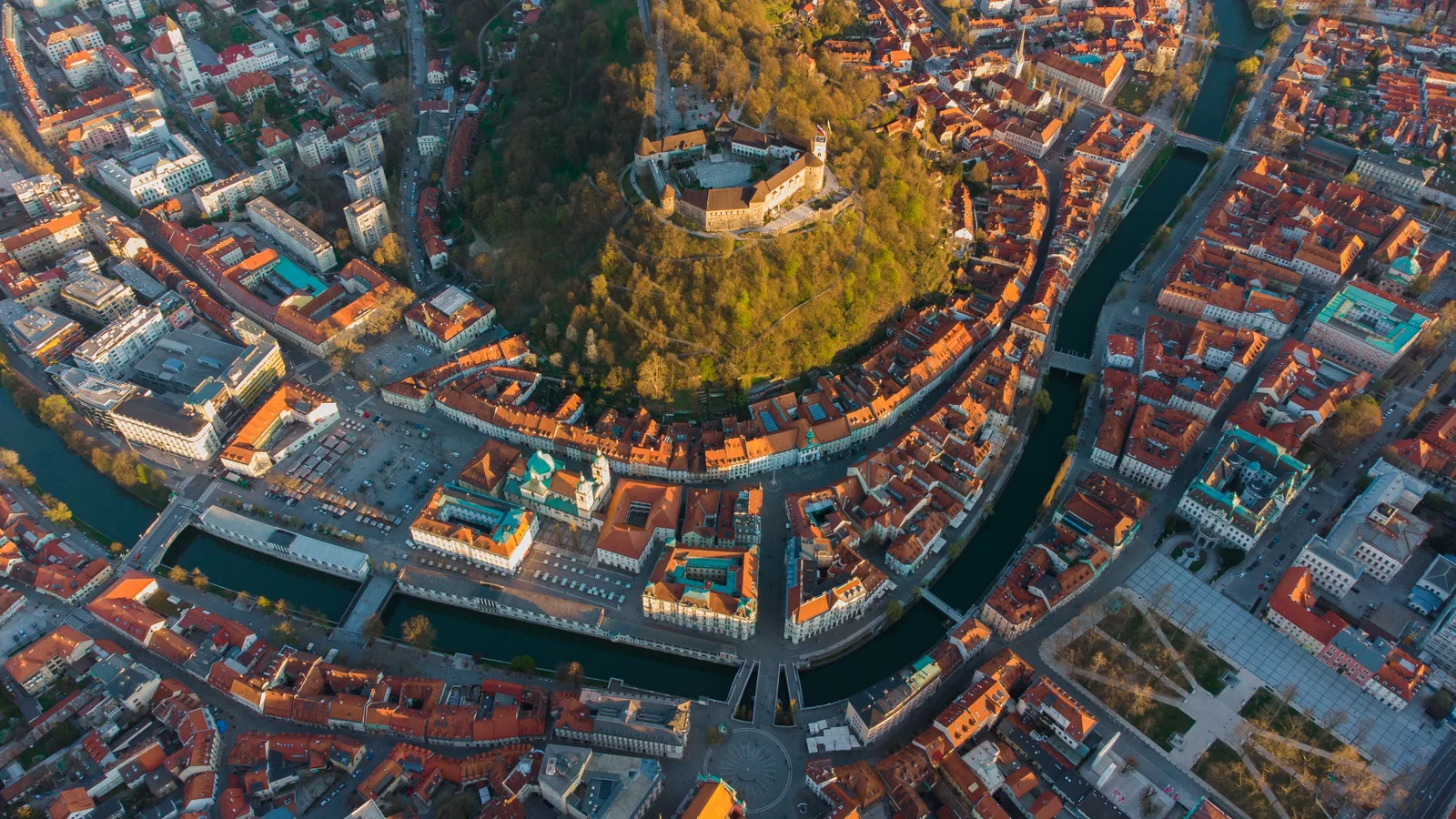
Ljubljana is one of those capitals that makes a short visit feel unhurried. The centre is compact, the river gives the city a natural rhythm and the most rewarding plans often involve little more than walking, stopping for coffee and choosing the longer route between two places. A good weekend here is not about collecting sights. It is about seeing the market before lunch, following the Ljubljanica beyond the prettiest bridges and leaving enough time for a neighbourhood that does not appear on every first-visit itinerary.
Friday evening: start beside the Ljubljanica
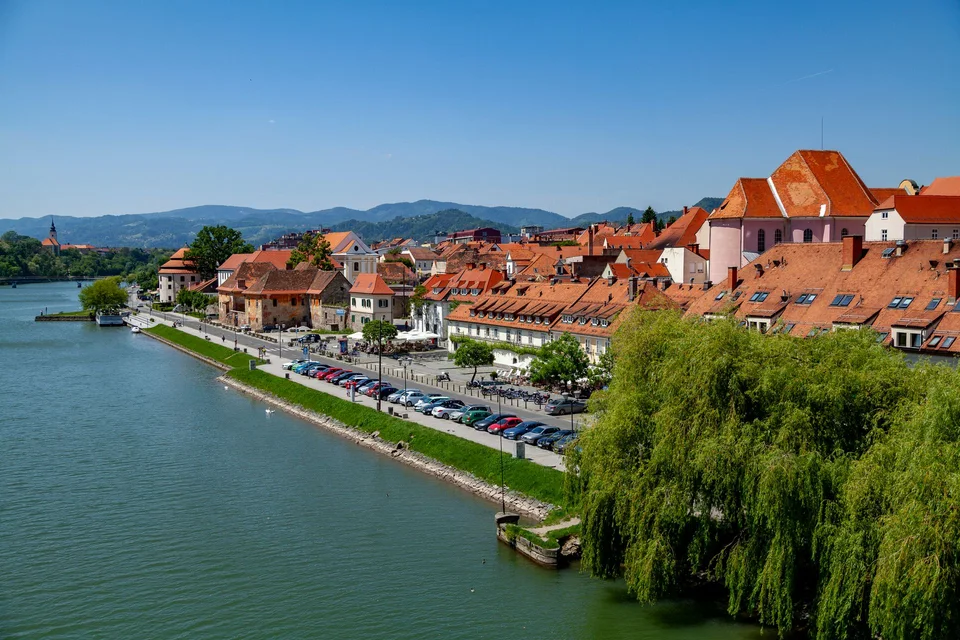
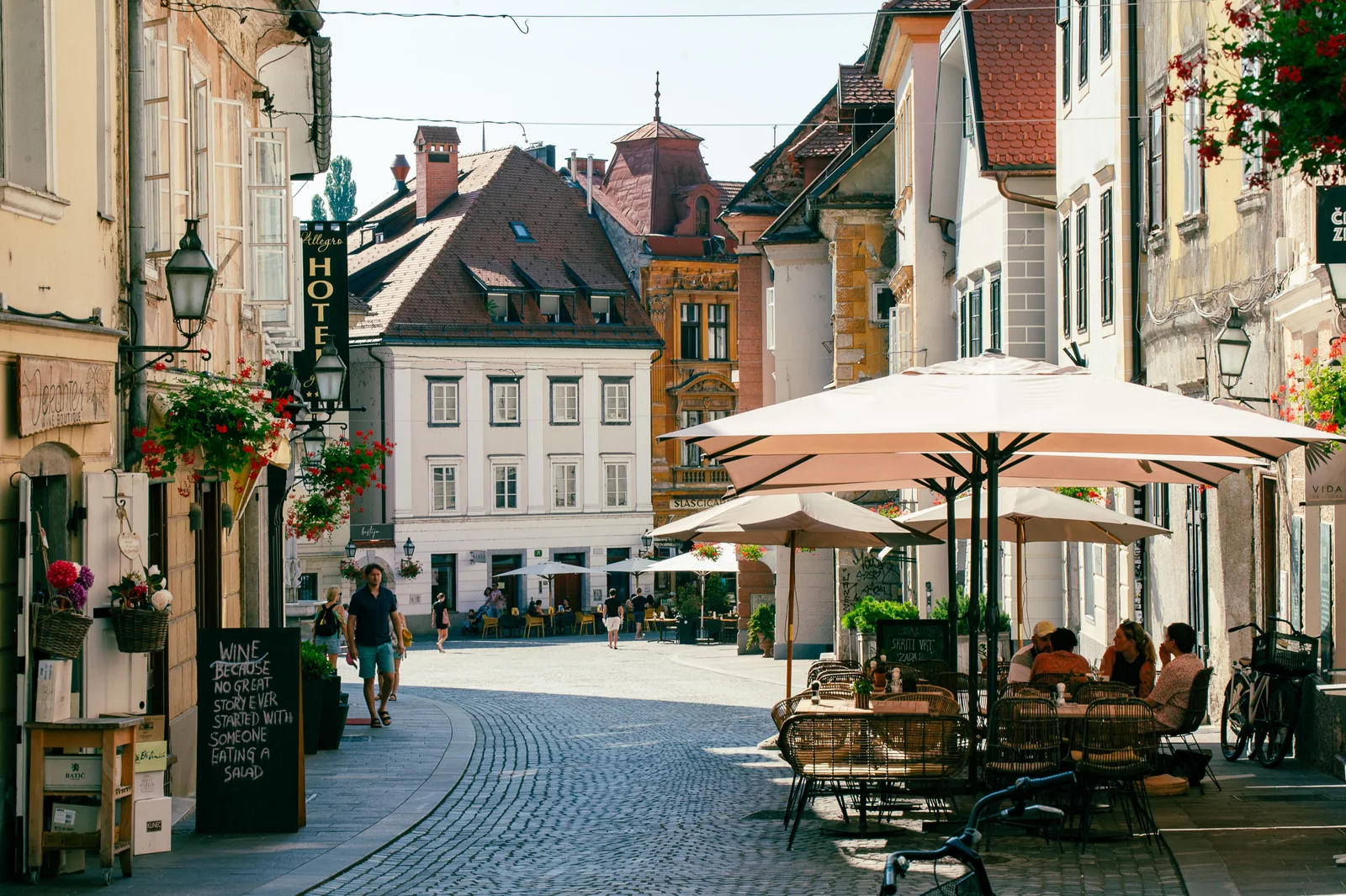
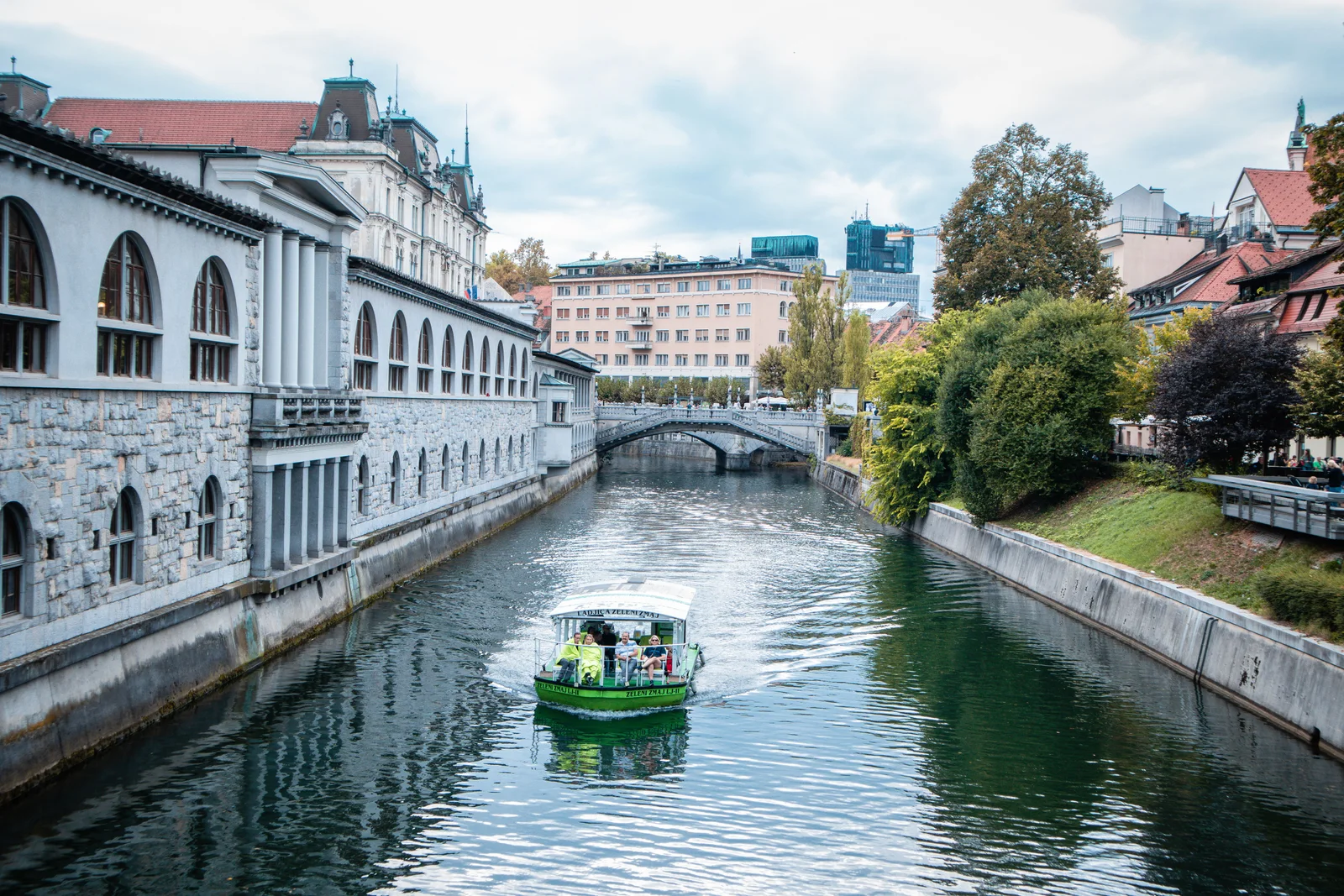
Arrive without a long list of tasks. Make your first walk along the Ljubljanica, beginning near Prešeren Square and crossing the bridges towards the old market area. The riverbanks are the city’s most sociable public spaces, lined with terraces, historic façades and the distinctive work of architect Jože Plečnik. The Triple Bridge, Cobbler’s Bridge and Dragon Bridge are close enough to see in one unhurried circuit.
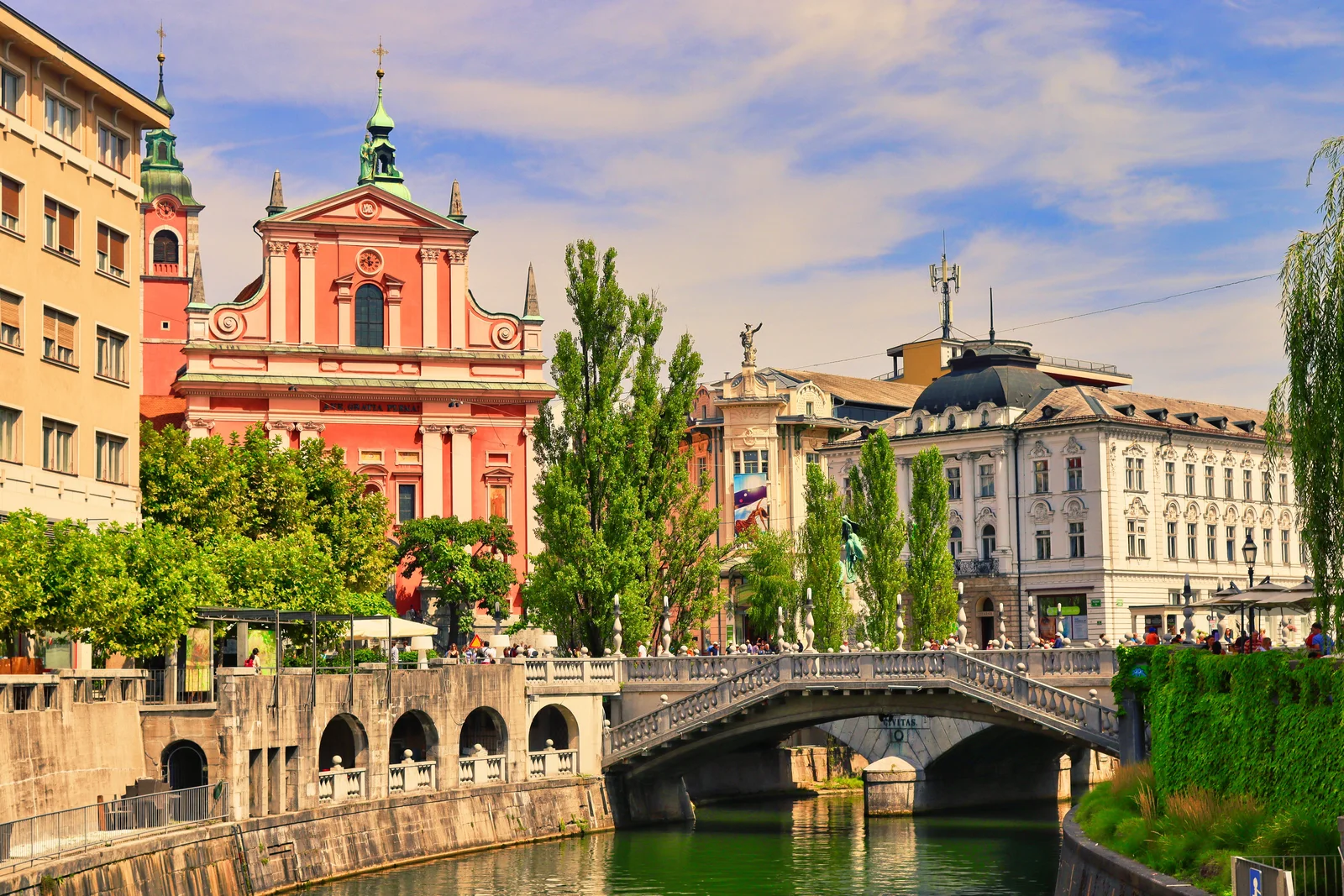
The best time is late afternoon, when the centre starts to soften into evening. Choose a table on the embankment, order something simple and let the city introduce itself gradually. Ljubljana’s café culture is as much about lingering with company as it is about coffee, so there is no need to rush towards dinner.
For an evening meal, look beyond the most obvious riverside tables if you want a more distinctive sense of the city’s food scene. The centre has a good range of Slovenian cooking, natural wine, contemporary European dishes and international restaurants. Trubarjeva Street is a useful area to keep in mind for a more varied, informal choice of restaurants, especially if you prefer a little more local movement than the main square provides.
Saturday morning: take the market seriously
Saturday morning belongs to the Central Market. The market stretches across Vodnikov trg and Pogačarjev trg, with covered sections and Plečnik’s riverside colonnade connecting the different parts. It is a practical place to see how the city eats, not simply a stop for photographs: seasonal produce, bread, cheese, flowers and small food stalls all contribute to the atmosphere.
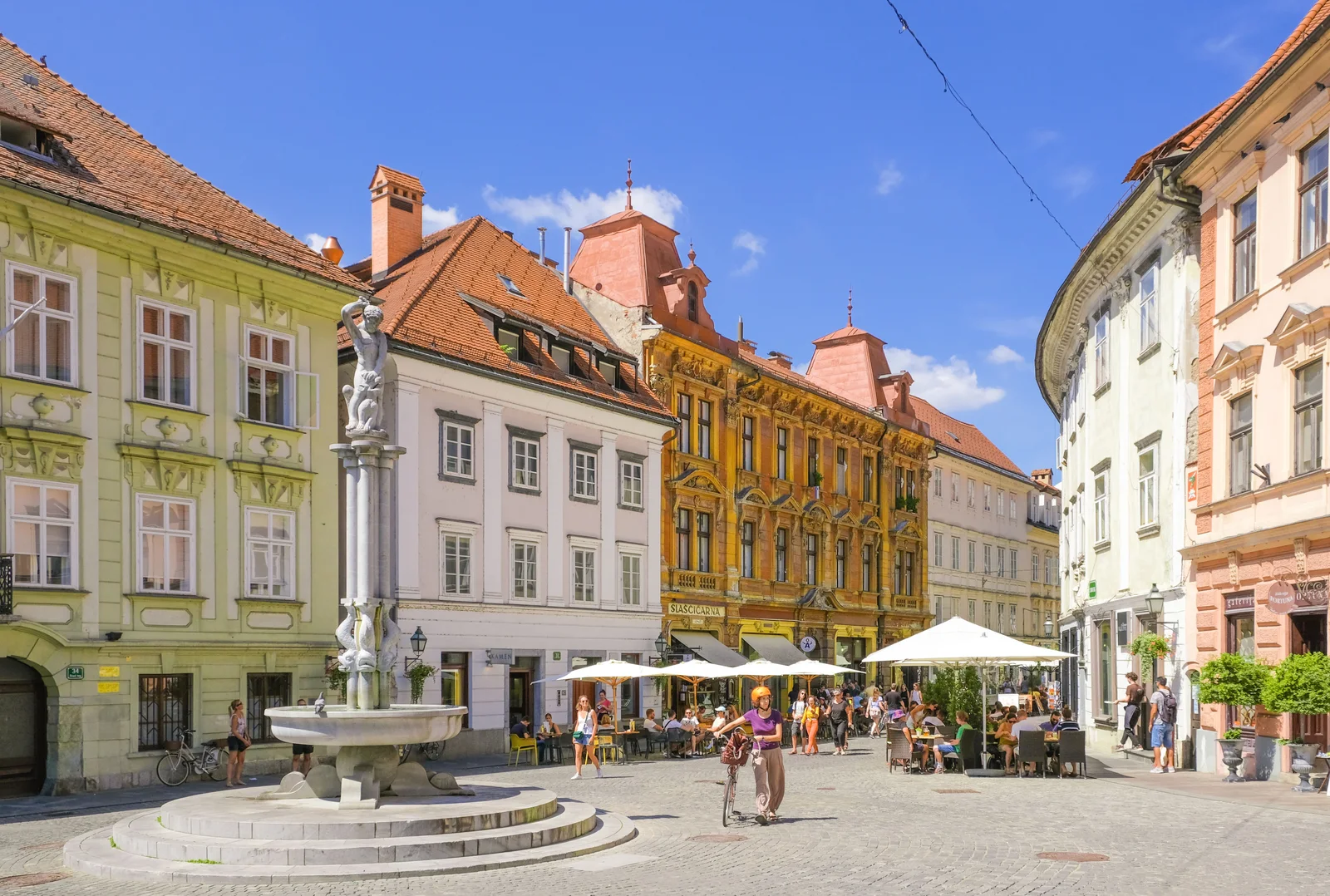
Go early enough to browse comfortably and leave time for a coffee afterwards. The market is most useful when treated as the beginning of the morning rather than a quick attraction between two larger sights. Pick up something small to eat, look through the covered arcades and cross the river without following a fixed route.
The market is primarily a weekday and Saturday experience, with Saturday trading ending earlier than on some weekdays. Opening hours can vary by section and season, so check the current official listing before your visit. Sunday is not the day to build a market itinerary around.
Plečnik’s Ljubljana, without turning it into a checklist
Plečnik’s influence is the thread that makes Ljubljana feel coherent. His work appears in the market arcades, bridges, embankments, public squares, the National and University Library and many smaller details that shape how people move through the city. You do not need to see every building to appreciate it. Pay attention to the way the river is framed, how colonnades create shelter and how small changes in pavement, trees and steps make the centre feel like a sequence of rooms.
A good route begins at the market, continues across the river and passes through the Old Town towards the National and University Library. From there, walk south towards Krakovo and Trnovo. This gives you a more complete sense of the city than staying among the busiest squares.
Trnovo, Krakovo and Prule: the city at a slower volume
Trnovo and Krakovo are close to the centre but feel more residential. Krakovo has a village-like character, with low houses and small gardens close to the water. Trnovo is associated with the river, local cafés and the southern edge of Plečnik’s Ljubljana. This is where a short city break starts to feel less like sightseeing and more like inhabiting the city for a few hours.
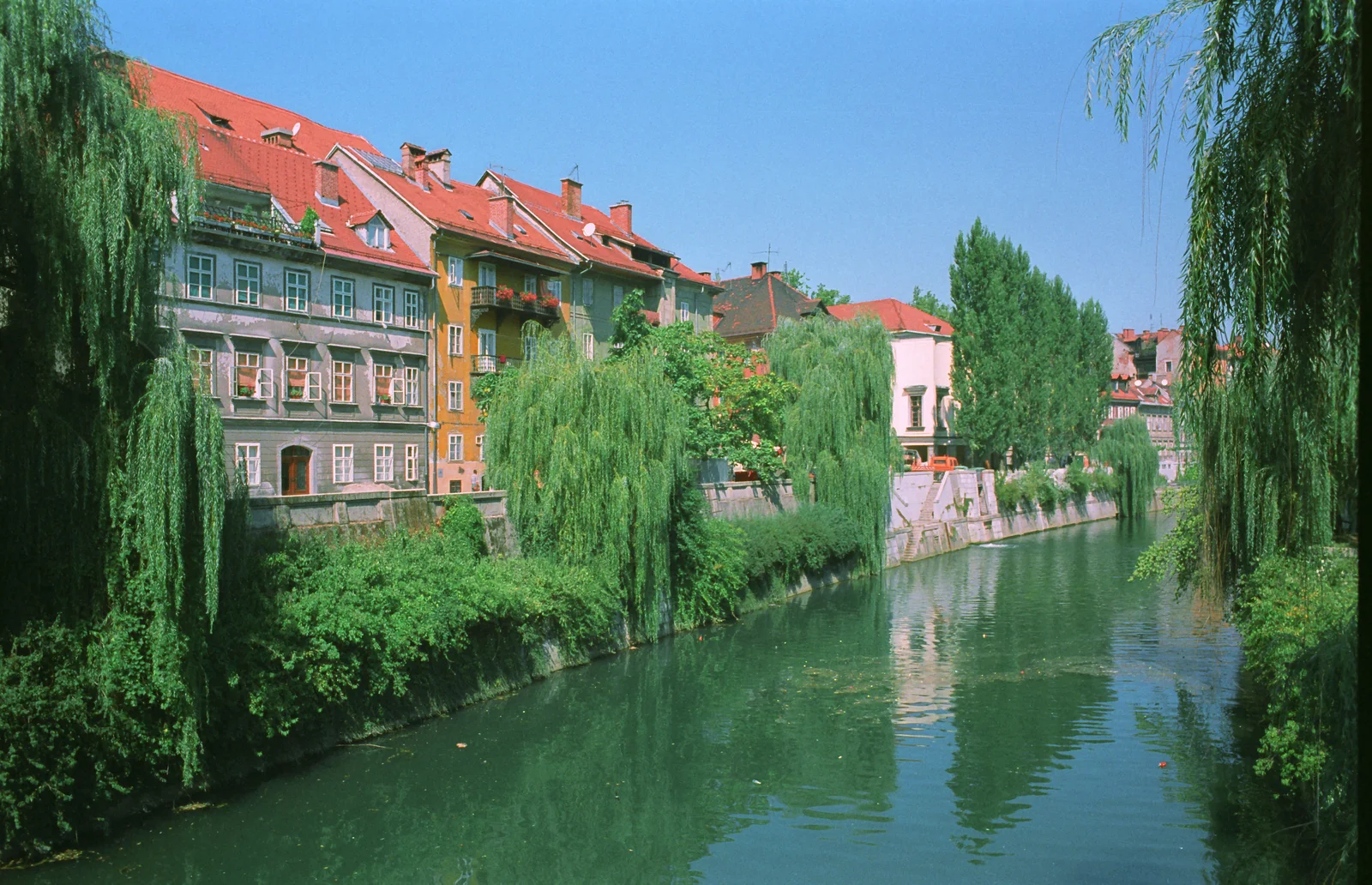
Prule, on the opposite side of the river, leads towards Špica, where the Ljubljanica opens into a broader green meeting point. A café stop here works particularly well in good weather. The atmosphere is more open than in the Old Town, with room to sit outside, watch people pass and continue along the river at your own pace.
Do not plan too much around this part of the day. A walk from the market through Krakovo and Trnovo to Špica is enough. Add lunch wherever the route looks inviting, then return towards the centre by a different riverside path.
A slower afternoon: choose one direction
Ljubljana is small enough that visitors often try to cover too much. After the market and southern riverbanks, choose one afternoon mood instead of adding another list of attractions.
- For architecture and design, continue following Plečnik’s work through the centre and towards Trnovo.
- For a quieter riverside walk, follow the Ljubljanica east towards Cukrarna and the Moste area.
- For green space, head to Tivoli Park and continue towards Rožnik if you want a longer walk.
- For an indoor afternoon, choose one museum or gallery rather than trying to fit in several.
The route east is particularly worthwhile for returning visitors or anyone who prefers cities with a little roughness around the edges. Cukrarna occupies a former industrial building and now functions as a contemporary art and cultural venue. Beyond it, the Moste and Fužine area offers a different view of Ljubljana: modernist housing, riverside paths, community spaces and a more mixed urban character.
This is not essential on a first weekend if your time is limited. It is a good choice when you have already seen the Old Town or want to understand how the city extends beyond its polished centre.
Sunday morning: Tivoli, Rožnik or one last coffee
Sunday suits Ljubljana’s green side. Tivoli Park begins close to the centre and gives the city more breathing room without requiring a full excursion. If you want to walk further, paths continue towards Rožnik, a wooded hill used by residents for an easy escape from the streets.
Allow more time than you think you need. The value of Tivoli is not a single landmark but the change of pace: broad paths, lawns, trees and the sense that the city is close without demanding your attention. You can make this a short morning walk or continue uphill for a longer outing.
If the weather is poor, keep the morning central. Choose a good bakery or café, walk through the covered market area and spend time in one cultural venue. Ljubljana works well in rain because much of the centre can be explored in short sections, with frequent places to pause.
Where to spend your limited time
For a first visit, prioritise the river, Central Market, Plečnik’s bridges and the walk through Krakovo and Trnovo. These places create the clearest picture of Ljubljana and fit naturally into one weekend.
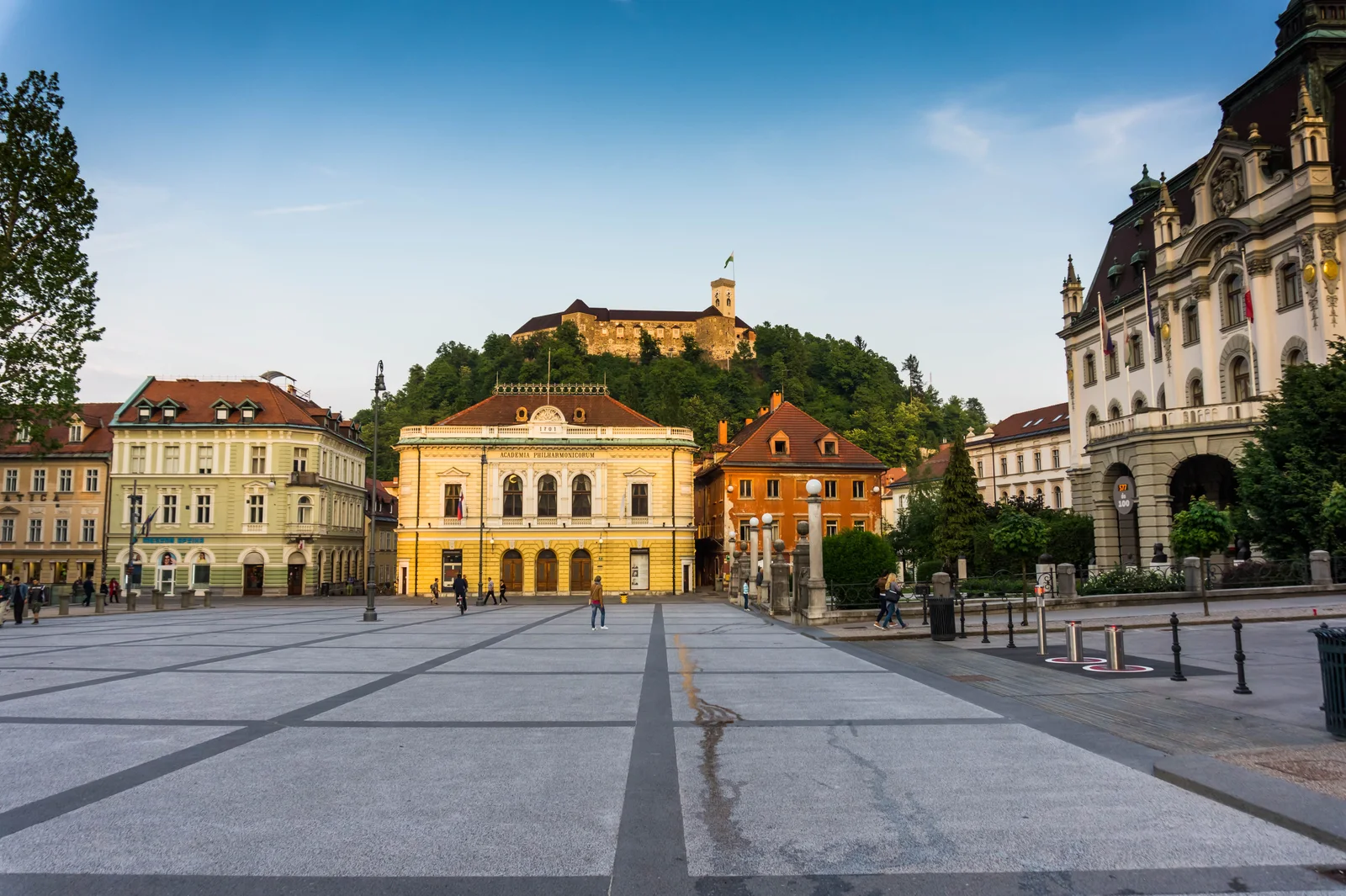
The castle is worth considering if you want a view over the city or an introduction to Ljubljana’s history, but it does not need to dominate the itinerary. The same is true of a boat trip: it can be pleasant, particularly if you want a different perspective on the bridges, but the riverbanks themselves are the more flexible way to experience the city.
Save Moste and Fužine for a second visit, a longer weekend or a day when you want contemporary culture and a less polished urban landscape. Tivoli and Rožnik deserve priority if green space matters to you. If food is the main reason for travelling, build the weekend around the Saturday market, Slovenian wine and one carefully chosen restaurant rather than trying to sample every popular address.
Practical notes for a slower weekend
- Stay within or close to the central area if this is your first visit. The city is compact and many of the best walks begin at the river.
- Wear comfortable shoes. The most satisfying routes connect several neighbourhoods and are better walked than rushed between by car.
- Visit the Central Market on Saturday morning and check current opening information before travelling, especially outside the main season.
- Keep an evening free for a terrace or wine bar. Ljubljana’s atmosphere is often strongest when there is no formal plan.
- If you want to cycle along the river or into the outer neighbourhoods, check local rental and route information in advance.
- For restaurants, reserve ahead for a specific dinner, but leave at least one meal open for a market stall, bakery or casual neighbourhood stop.
How long we’d stay
Two nights are enough for a focused introduction, provided you accept that some of Ljubljana will remain unexplored. Three nights give the city more room: one day for the centre and market, one for neighbourhoods and the river, and one for Tivoli, Rožnik or a longer cultural stop.
Ljubljana does not need to be stretched into a packed itinerary. Its appeal is the ease of moving from a market to a bridge, from a café to a residential street and from the centre to a wooded path without losing the thread of the city. Give it a weekend with enough space, and the experience becomes less about seeing everything than about choosing the right things to see slowly.