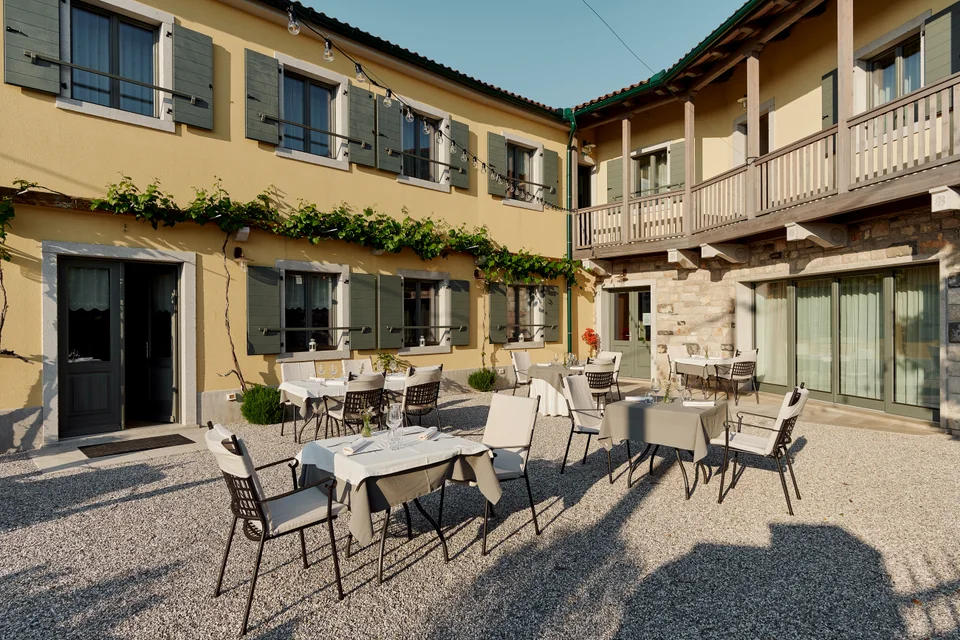
Most journeys through Slovenia happen above ground. We drive between Alpine lakes, vineyards and small stone villages, stop beside rivers impossibly clear and look towards mountains that seem to dominate every horizon.
But some of Slovenia’s most extraordinary landscapes are hidden underneath all of that.
This small country is one of the great cave destinations of Europe, and its relationship with the underground world goes far beyond tourism. The international word karst itself comes from Slovenia’s Kras region, where the scientific study of these limestone landscapes developed. Caves, disappearing rivers, sinkholes and underground waterways have shaped not only the geography, but also the history and identity of this part of the country.
And while most travellers have heard of Postojna Cave, limiting a trip to a quick excursion there means missing the bigger story.
This is a landscape worth travelling through slowly.
Start with Postojna – but look beyond the famous train
There is a reason Postojna Cave became Slovenia’s best-known underground attraction.
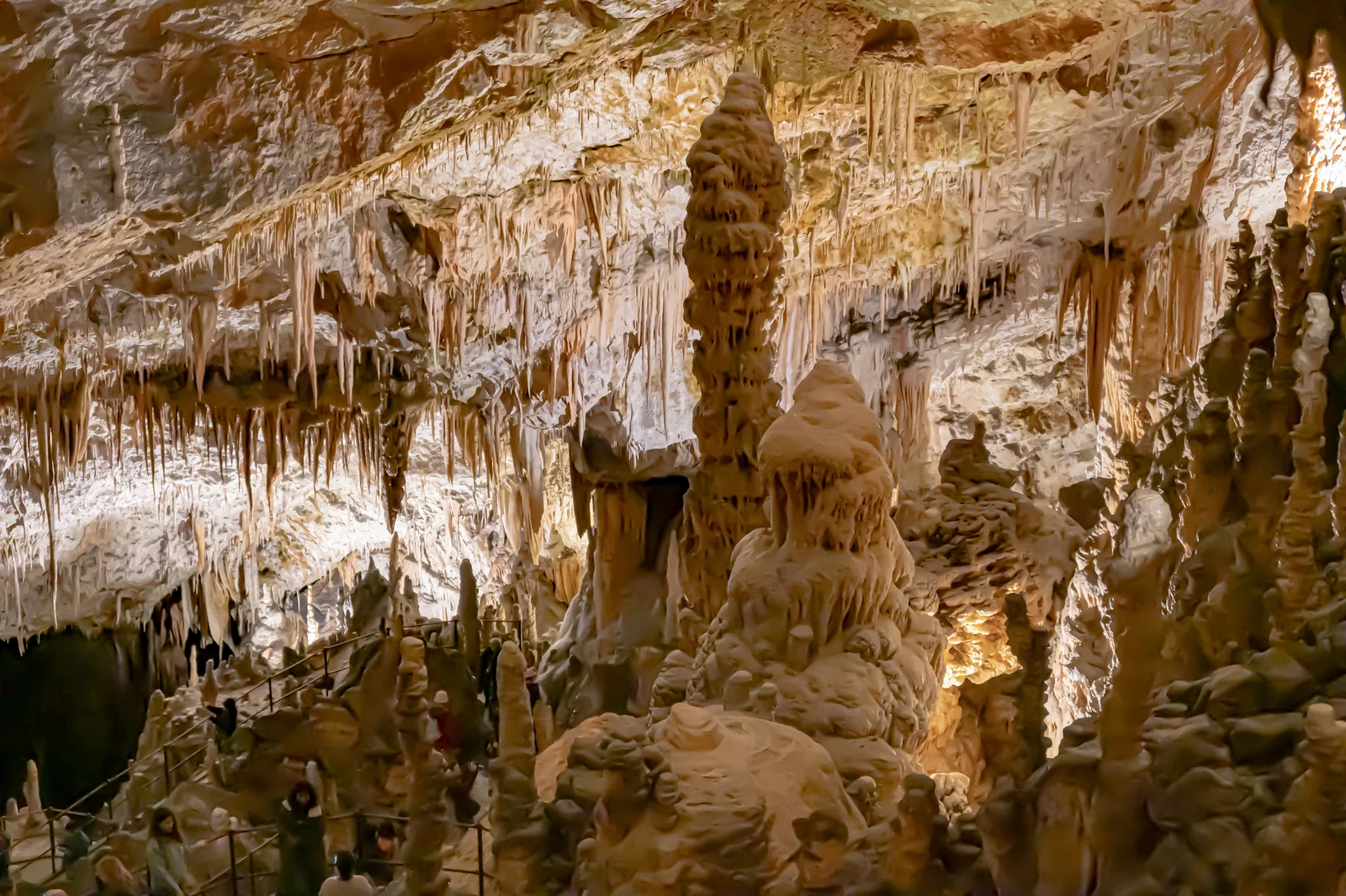
The experience begins almost theatrically, aboard the cave railway that carries visitors deep beneath the surface before continuing on foot through enormous chambers filled with stalactites, stalagmites and formations shaped over immense stretches of time. The railway remains one of Postojna's most distinctive features and is part of what makes the cave accessible even to travellers who would never normally think of themselves as cave explorers.
Postojna is polished, organised and undeniably touristy.
That does not make it less impressive.
For a first encounter with Slovenia's underground world, its scale is difficult to beat. It is also home to perhaps the country’s strangest celebrity: the olm, or Proteus anguinus, a pale cave-dwelling amphibian sometimes charmingly called the “baby dragon”.
But one of the things we like about Postojna is that you can use it as the beginning of a journey rather than the destination itself.
Because only a few kilometres away, things become considerably more cinematic.
Predjama Castle looks almost unreal – because it nearly is
There are castles on hills, castles beside lakes and castles surrounded by defensive walls.
And then there is Predjama Castle.
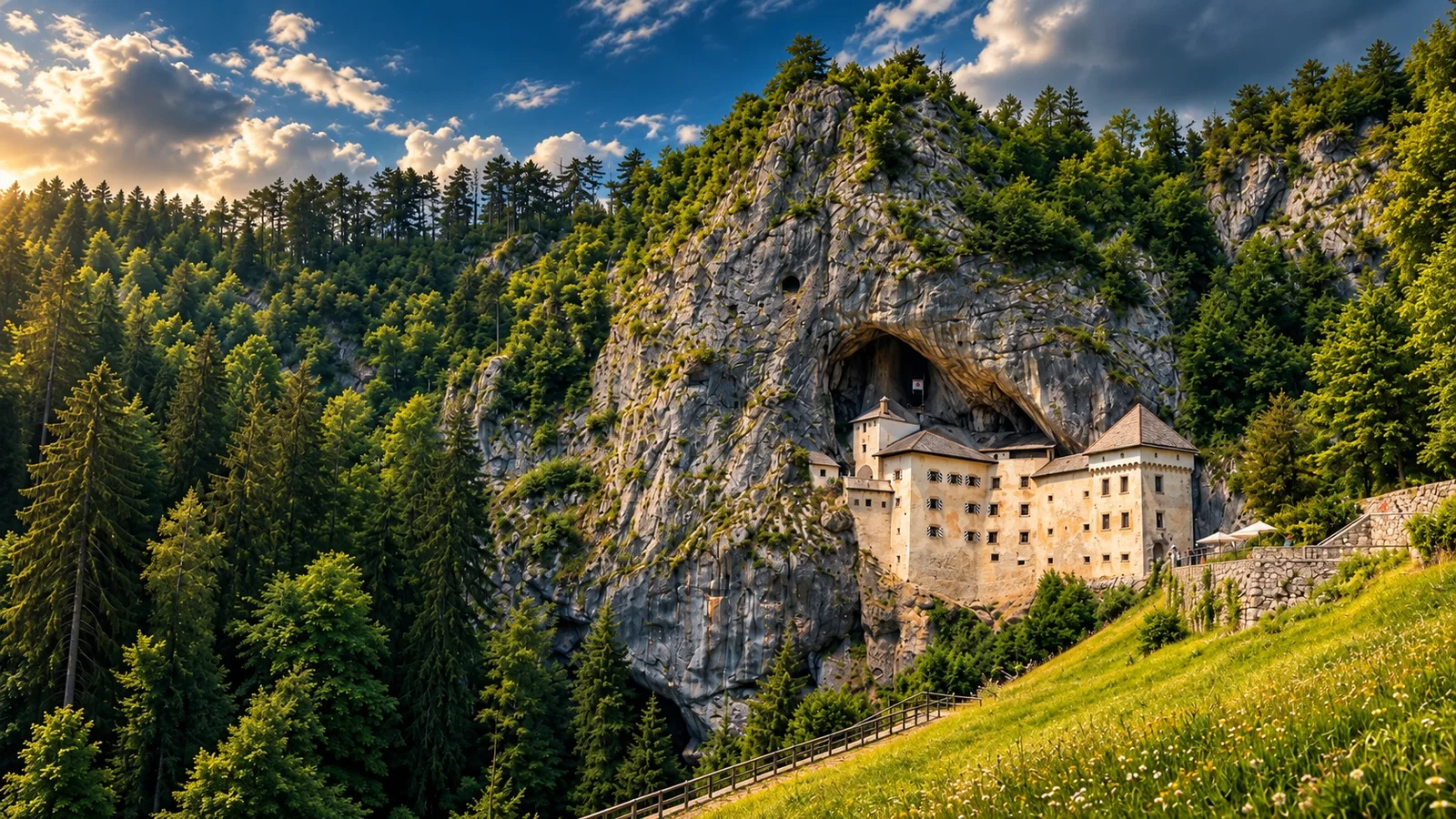
Built directly into the mouth of a 123-metre-high cliff, the medieval castle seems less constructed than inserted into the rock. Parts of the natural cave system behind it became part of the castle’s defences, and legends surrounding its most famous resident, the rebellious knight Erazem of Predjama, only add to the atmosphere.
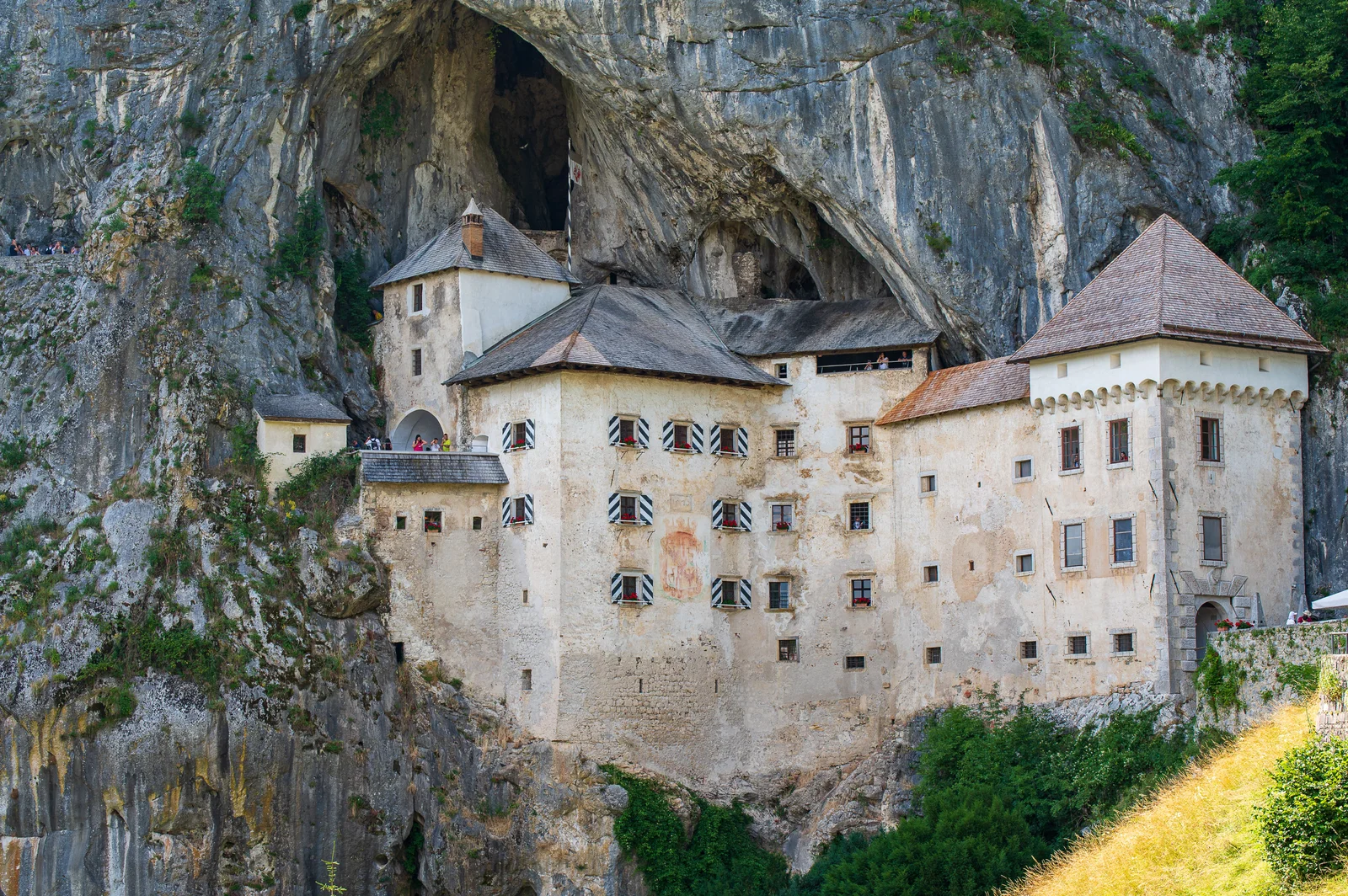
It is one of those places where arriving late in the afternoon changes the experience completely. Once the day-trip groups begin disappearing, the surrounding valley becomes quieter and the castle somehow feels much more isolated.
If you are visiting in the warmer months, there is another layer beneath the castle itself: a cave system extending for kilometres through the rock. The visitor section is intentionally simple, without permanent electric lighting, making it feel markedly different from Postojna's grand show-cave experience.
Our preference would be not to squeeze Postojna and Predjama between Ljubljana and the coast in a single rushed afternoon. Stay in the region overnight instead.
It completely changes the rhythm of the trip.
Then visit Škocjan – the cave that feels genuinely wild
If Postojna is theatrical, Škocjan Caves are elemental.
Water is the protagonist here.
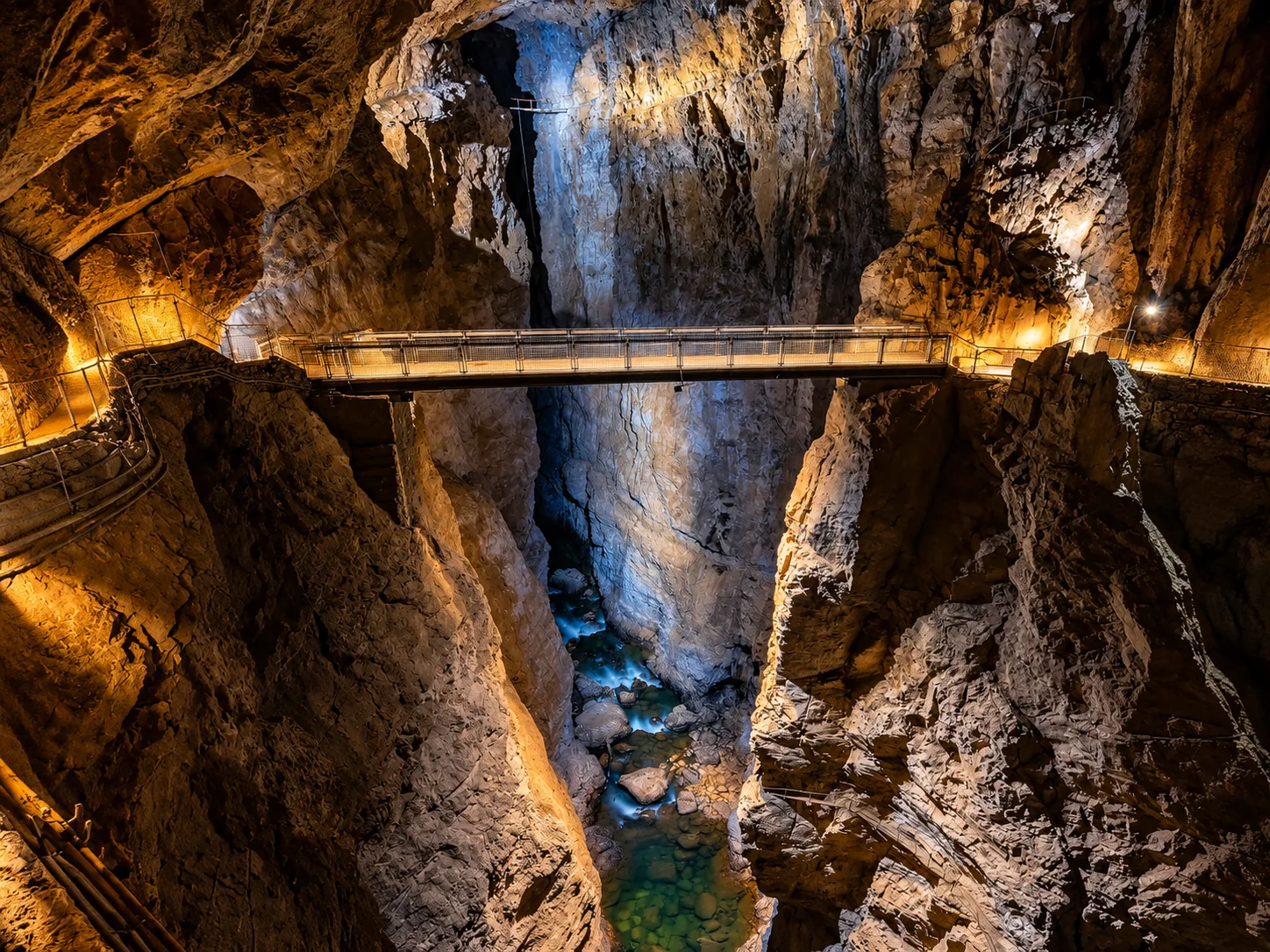
The Reka River disappears underground and has carved an enormous subterranean canyon through the limestone. UNESCO describes it as one of the world’s largest known underground river canyons, with sections reaching extraordinary dimensions. Škocjan has been on the UNESCO World Heritage List since 1986.
Walking through it feels very different from Postojna.
There is less emphasis on individual formations and much more on scale: cliffs disappearing into darkness, the sound of the river somewhere below and pathways crossing spaces that feel closer to a fantasy film set than a conventional tourist attraction.
The two caves therefore should not really be treated as competitors.
Postojna is about formations, biodiversity and the history of cave tourism. Škocjan is about water, geological scale and raw atmosphere.
If you have time, visit both.
For something quieter, go to Križna jama
Travellers looking for a more intimate experience should continue towards Križna jama.
This is a different kind of underground adventure altogether.
Instead of illuminated halls and large visitor groups, parts of the cave are explored across a chain of emerald underground lakes, accompanied by experienced guides. Access to some routes is deliberately restricted to help preserve the fragile cave environment.
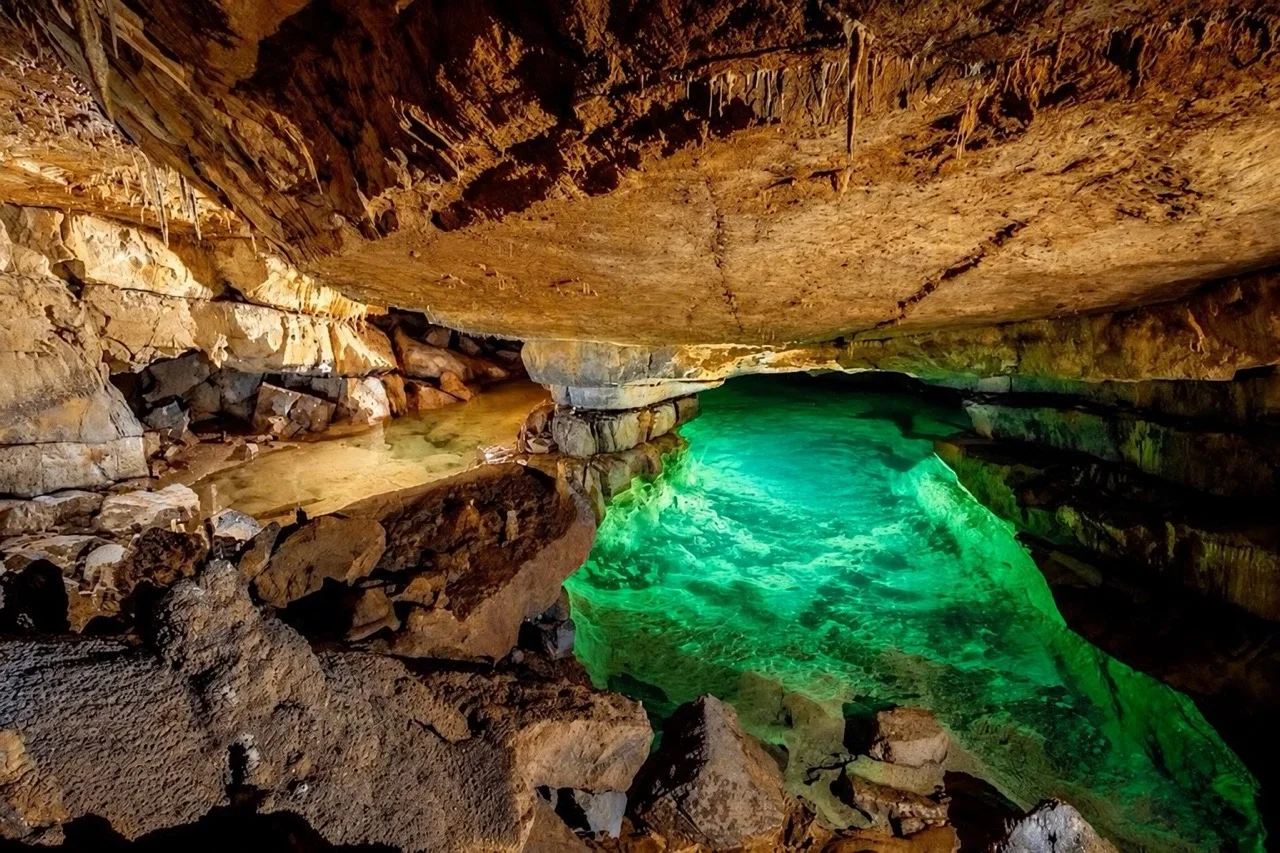
Remains of cave bears have also been discovered here, adding another reminder that Slovenia’s underground landscape holds much more than dramatic rock formations.
Križna jama feels closer to exploration than sightseeing.
And that is precisely its appeal.
Vilenica tells a different story
Then there is Vilenica Cave, whose significance is not primarily about size.
Records dating back to 1633 make it the first documented tourist cave in the world, giving this corner of Slovenia an organised cave-tourism tradition stretching back almost four centuries. Over time it attracted aristocrats, travellers and writers, and today its literary connection continues through the Vilenica International Literary Festival.
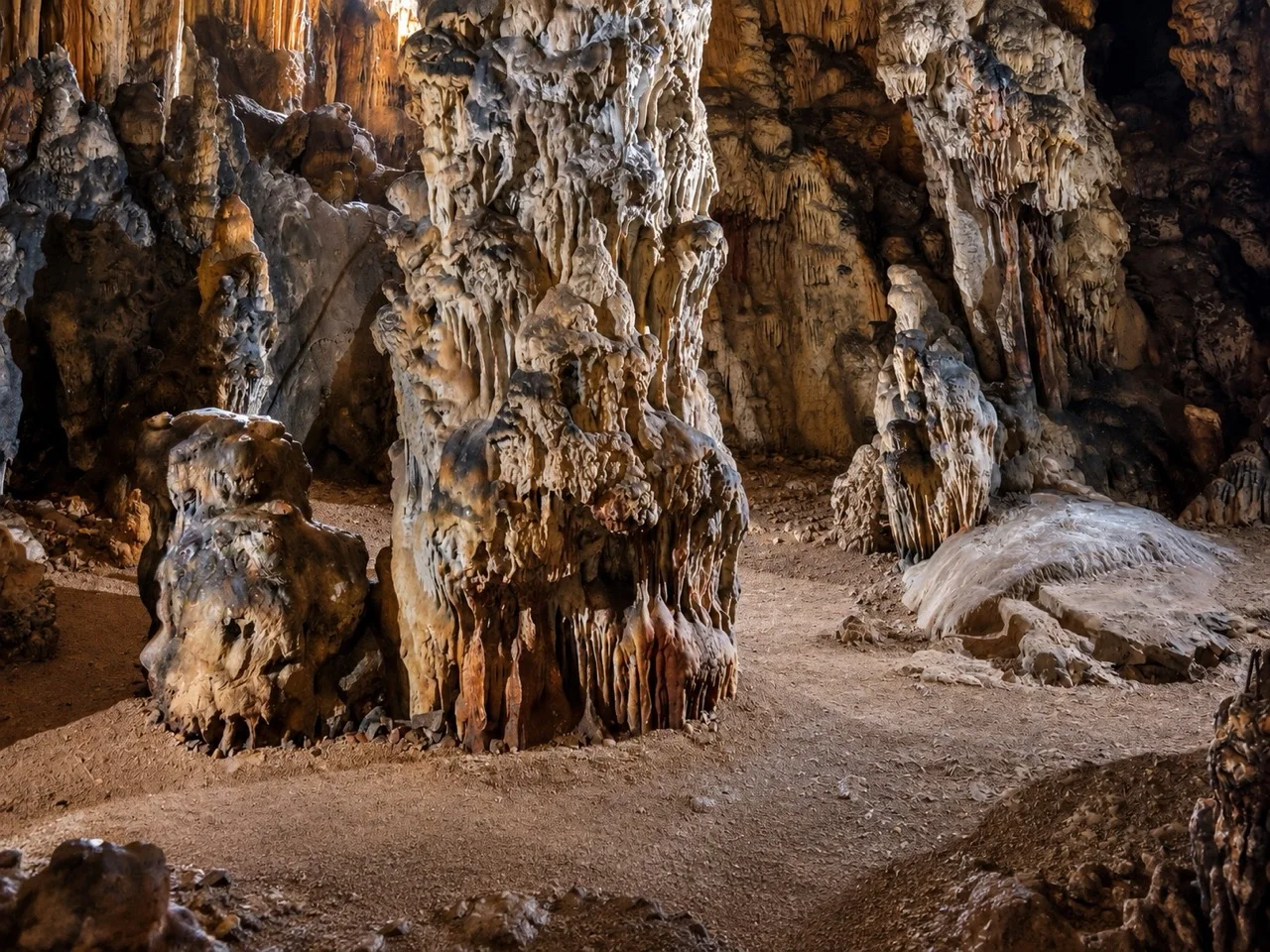
It is quieter than the country's headline attractions and works particularly well as part of a wider exploration of Kras rather than as a destination approached in isolation.
Which leads to perhaps the most important part of this trip.
Come back above ground.
The landscape above the caves is just as important
The underground world makes more sense once you spend time travelling across the landscape that created it.
Slovenia's Kras region is a place of pale limestone, dry-stone walls, vineyards, traditional houses and villages where Mediterranean influences begin to mix with Central Europe.
Instead of driving directly back to Ljubljana, continue towards Štanjel, one of the region's loveliest settlements.
Its stone houses climb across a hillside above the Karst plateau, connected by narrow lanes and terraces. There is no single blockbuster attraction demanding your attention here, which is exactly why it works so well after a day underground.
Walk. Have coffee. Stay for lunch longer than planned.
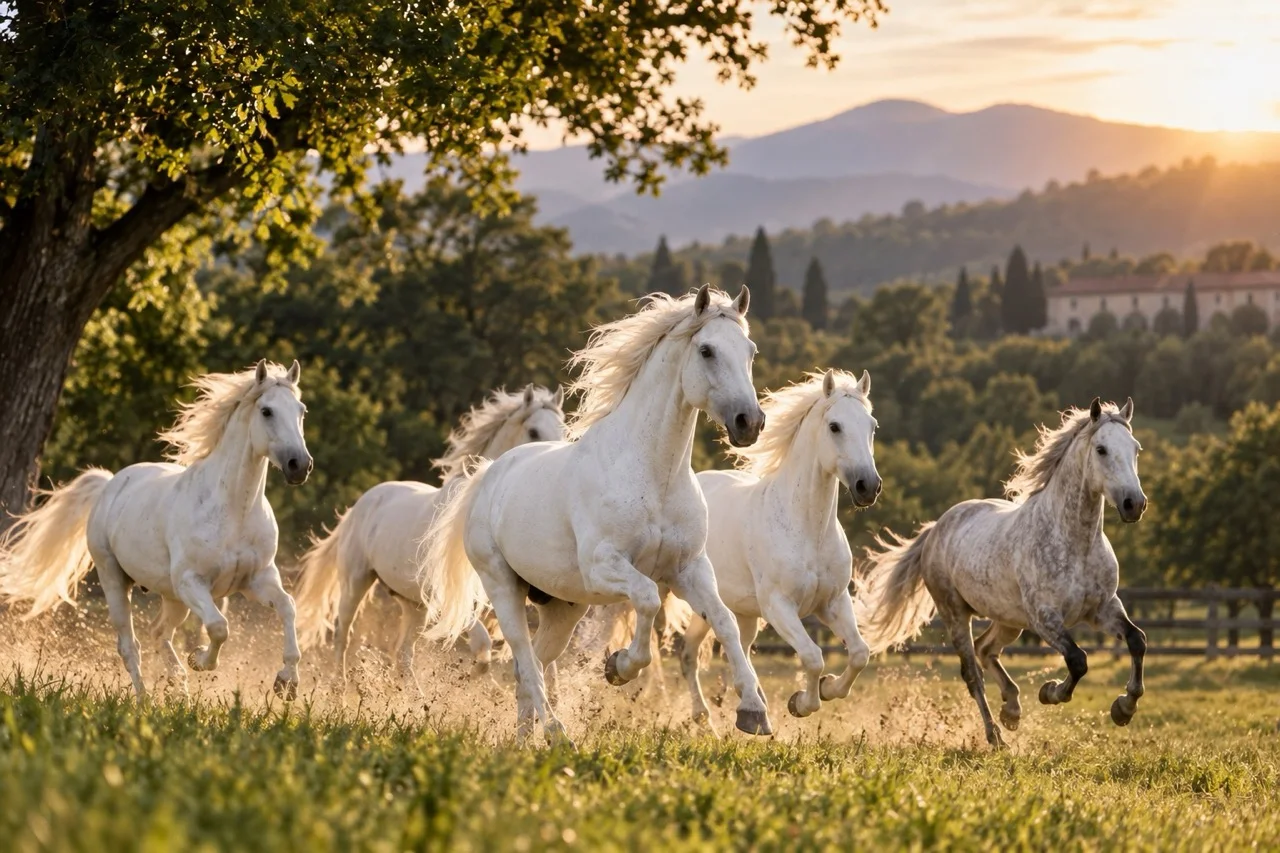
Then continue towards Lipica, famous for its connection with the Lipizzaner horse, or simply take the smaller roads between villages and vineyards.
This is also the landscape of Teran, the distinctive local red wine, and Karst prosciutto. The geology underneath your feet eventually finds its way into what you eat and drink above them. Slovenia’s tourism board itself suggests combining cave visits with Štanjel, Lipica, cycling or walking through Kras and the region’s food and wine traditions.
That combination is what makes the trip memorable.
Not another checklist of attractions, but one connected landscape.
A darker piece of Yugoslav history hides beneath Hotel Jama
There is even an unexpected Cold War chapter.
During renovations of Hotel Jama near Postojna Cave in 2016, hidden rooms containing surveillance and wiretapping equipment from socialist Yugoslavia were discovered.
They are now part of a guided experience that explores the hotel's former secret communications centre, using original equipment and recordings before taking visitors through areas connected with the cave system.
It might be one of Slovenia's strangest travel experiences: part history tour, part spy story and part underground adventure.
For travellers interested in Yugoslav history, it is arguably as intriguing as the caves themselves.
How we would turn it into a three-day slow trip
Rather than visiting Postojna as a day trip, we would give this region at least two nights.
Spend the first day around Postojna and Predjama, with enough time to enjoy the castle after the busiest part of the day. During the 2026 high season, a shuttle also connects Postojna Cave and Predjama Castle, with the journey taking around 20 minutes.
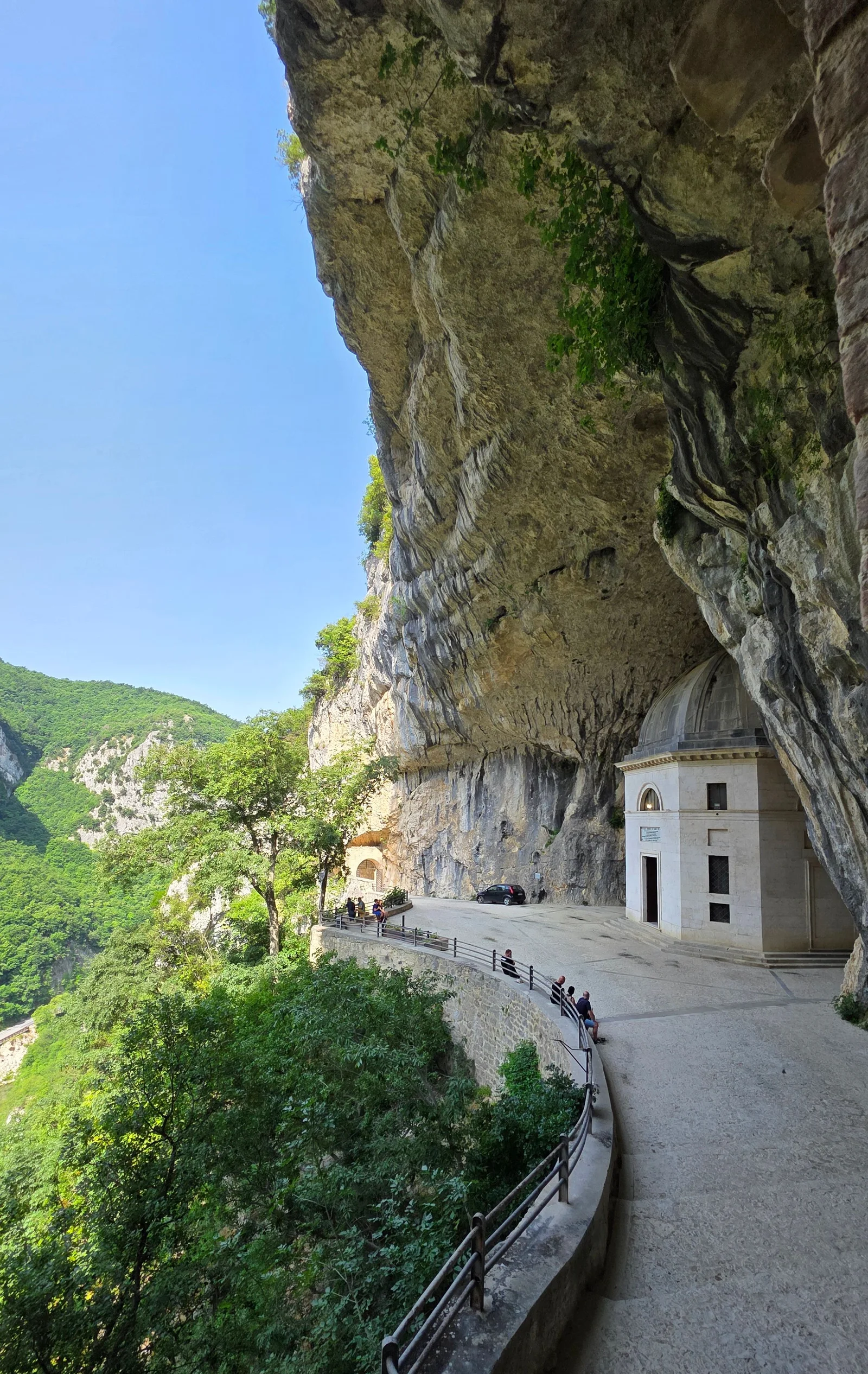
Use the second day for Škocjan Caves, followed by a slow afternoon around Štanjel and the Kras vineyards.
If you have a third day, choose Križna jama for a more adventurous underground experience or Vilenica for something quieter, then continue towards Lipica, the Vipava Valley or even the Slovenian coast.
Suddenly this stops being a trip about caves.
It becomes a road trip through one of Slovenia's most distinctive landscapes.
When to go
Spring and early autumn would be our first choices.
September in particular works beautifully here. The worst of the summer heat has usually passed, vineyards are moving towards harvest season and the landscape above ground becomes part of the experience rather than simply the space between attractions.
The caves themselves remain cool regardless of what is happening outside, so bring a light jacket and proper shoes even on a warm day.
And resist the temptation to schedule too much.
One major cave experience per day is enough.
The point of travelling through Kras is not simply to disappear underground as often as possible. It is to understand how everything connects: the limestone beneath the vineyards, the disappearing rivers, villages built from local stone, centuries of cave exploration and the food and wine produced on the surface.
Why this part of Slovenia deserves more than a day trip
Slovenia is often marketed through images of Lake Bled, Ljubljana and the Julian Alps.
They deserve the attention.
But Kras reveals another side of the country – quieter, stranger and in many ways more distinctive.
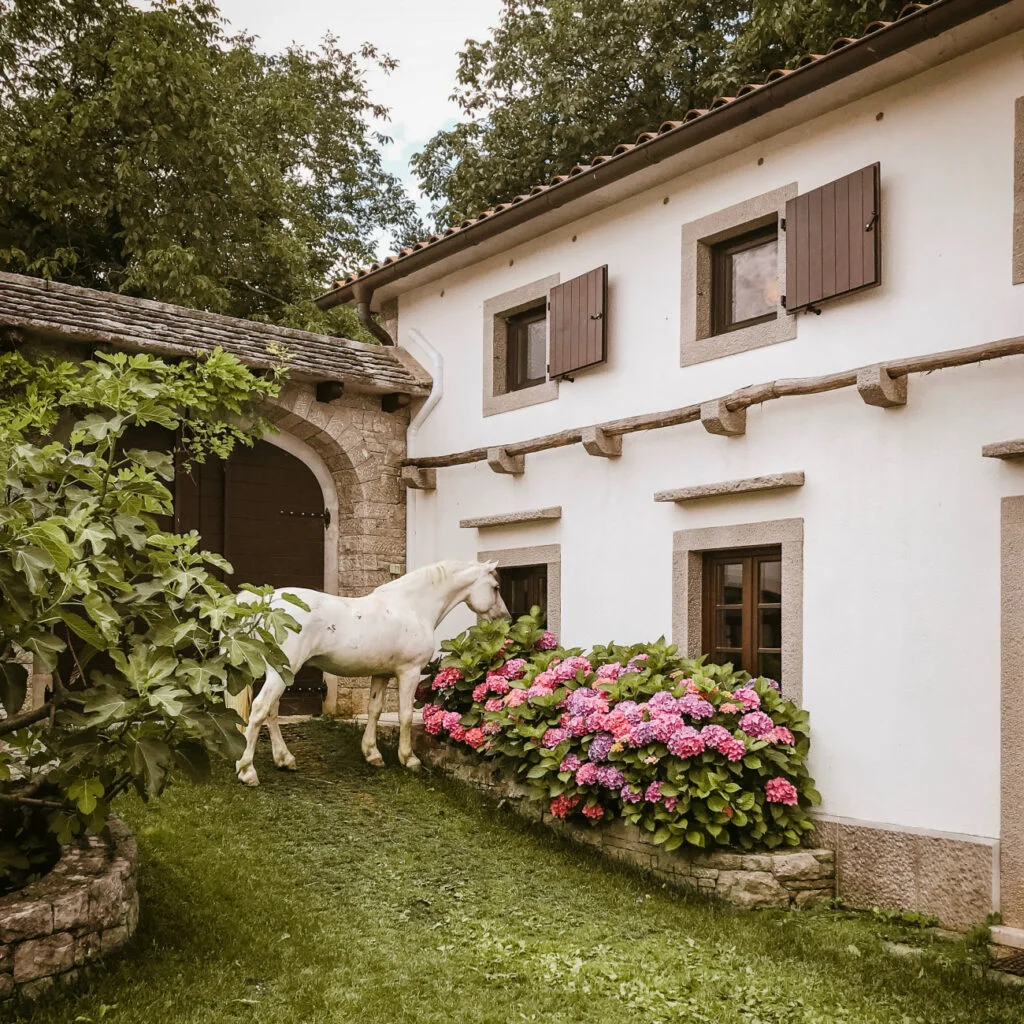
Here you can ride a train through one of Europe's most famous caves in the morning, stand inside a medieval castle built into a cliff after lunch, walk beside one of the world's great underground river canyons the following day and finish among vineyards drinking wine grown in the thin red soil above the same limestone system.
Few destinations connect geology, history, culture and food quite so naturally.
Sometimes the best way to understand Slovenia is simply to go beneath the surface.