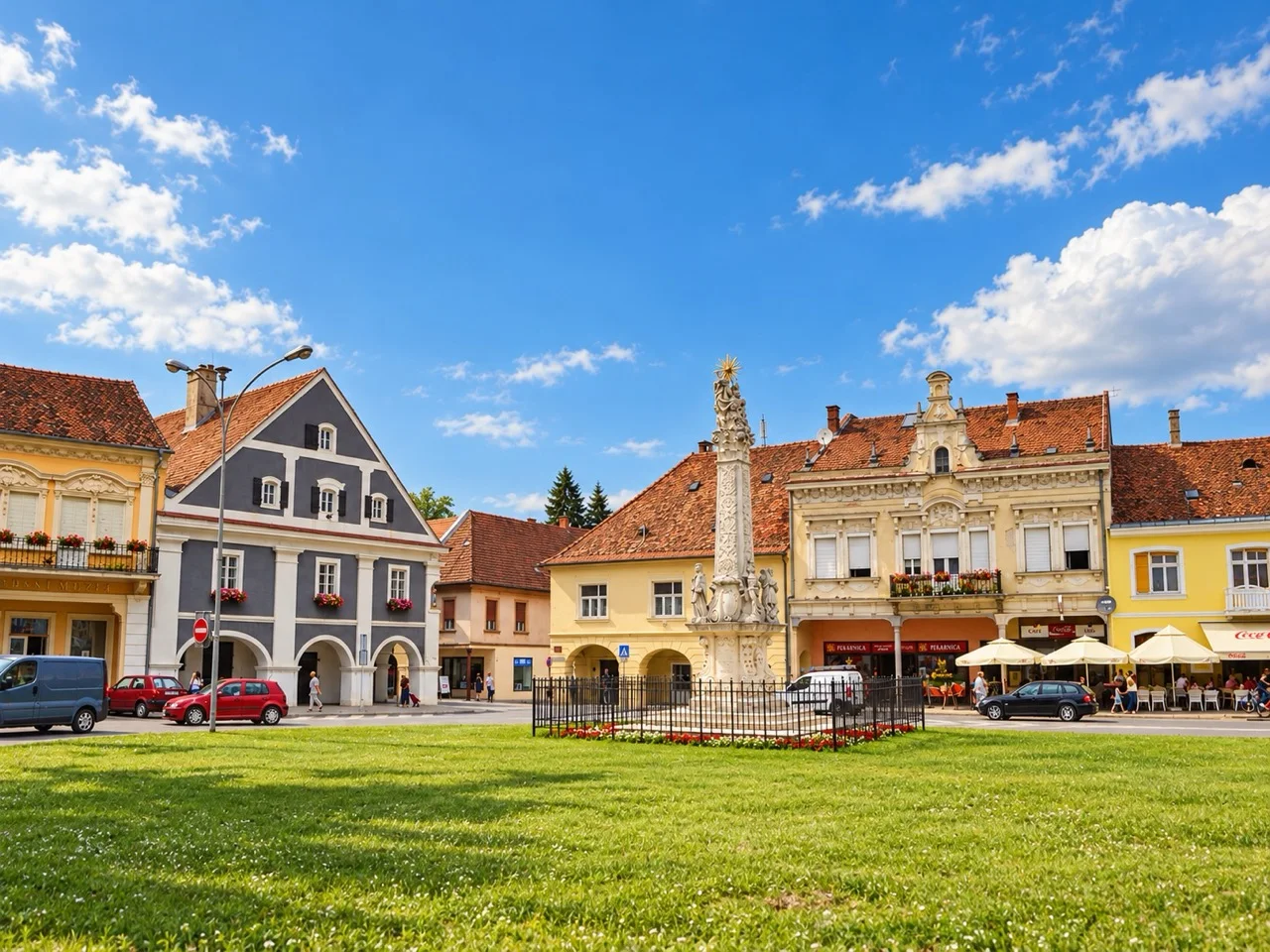
Požega is one of those Croatian towns that makes more sense once you slow down. There is a compact Baroque centre to walk, a layered history that reaches from the Middle Ages through 150 years of Ottoman rule, and a rural landscape shaped by vineyards, orchards and the wooded slopes of Papuk. Food matters here, too: the local table is built around excellent pork products, freshwater fish, seasonal vegetables and wines from nearby Kutjevo. A weekend is enough to understand the town, though adding a third day makes it easier to include Papuk without rushing.
Why Požega is worth a weekend
Požega sits in the middle of the Požega Valley, surrounded by Papuk, Psunj, Krndija, Dilj and Požeška Gora. The setting gives the town a character that is distinctly different from the flatter parts of eastern Slavonia. Vineyards climb the nearby hills, while the central streets remain easy to explore on foot. This is a place for travellers who prefer a manageable town with a strong local identity to a long list of major sights.
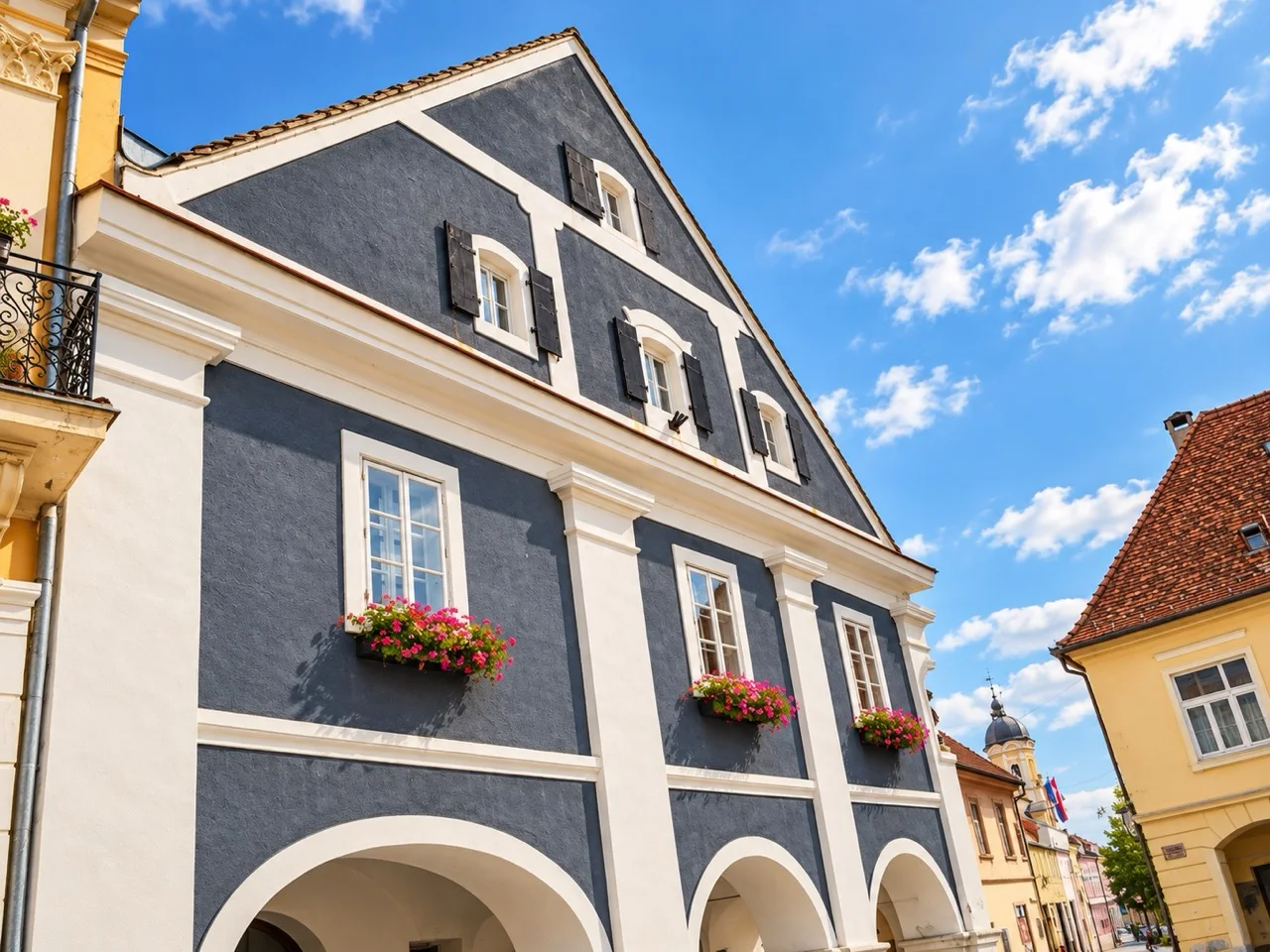
The centre is attractive without feeling over-designed for visitors. Holy Trinity Square is the natural starting point, with Baroque façades, arcades, the Holy Trinity monument and the former Jesuit complex. St Lawrence Church, the Cathedral of Saint Teresa of Avila and the plague column give the square enough historical weight for a proper visit, while cafés and shaded streets make it pleasant to return to later.
Begin with the Baroque centre
Start at Holy Trinity Square and take time to look above street level. Požega's 18th-century rebuilding left it with a handsome collection of Baroque townhouses, arcades and institutional buildings. The square's central column, known locally as the plague column, commemorates the citizens who died during the 18th-century plague epidemics.
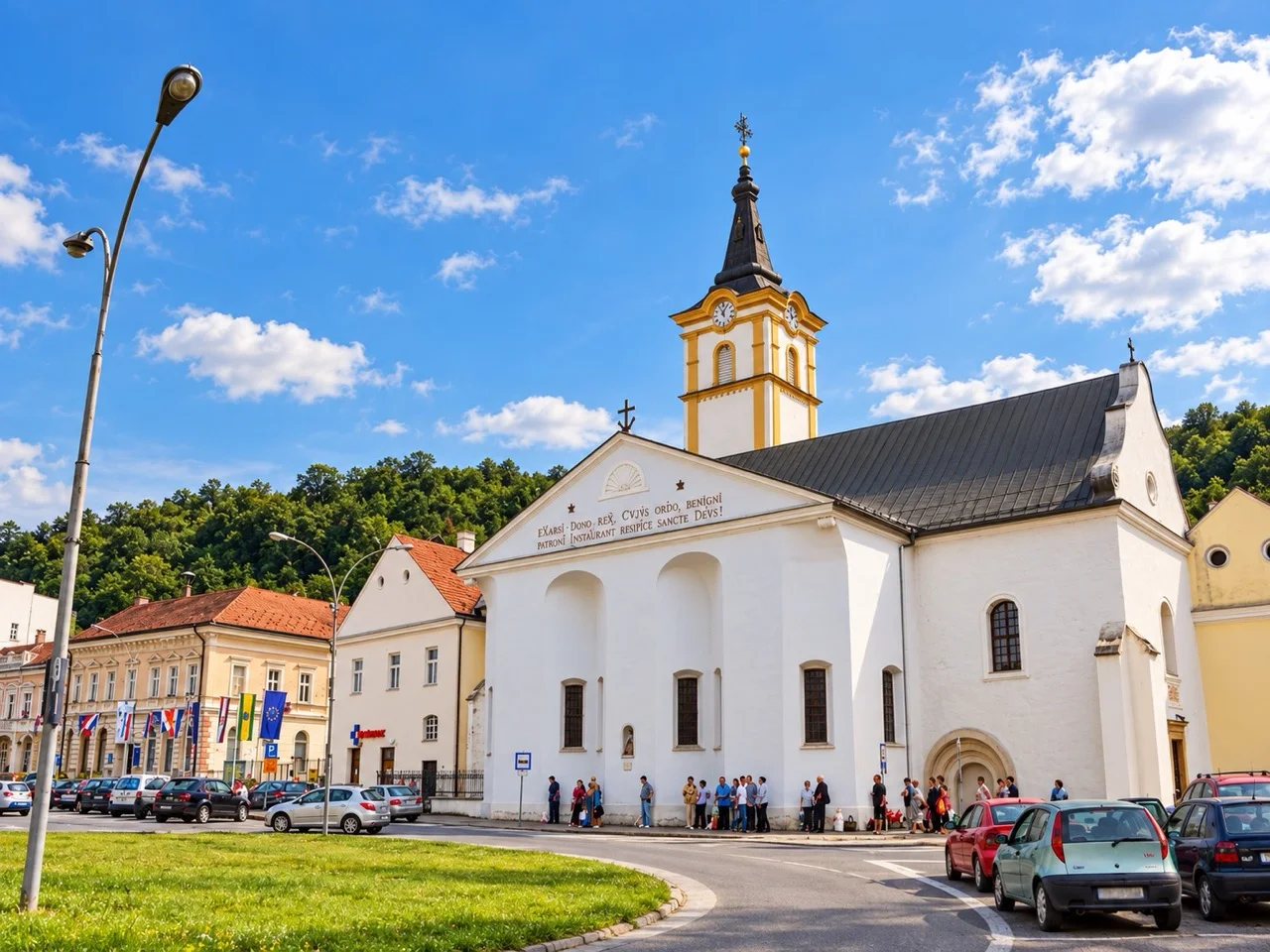
The Cathedral of Saint Teresa of Avila is one of the town's most recognisable landmarks. Nearby, a statue commemorates friar Luka Ibrišimović, the Franciscan associated with Požega's liberation from Ottoman rule in 1688. The details matter because they give the town's architecture a human scale: this is not an open-air museum, but a living centre where religious, civic and commercial buildings still define everyday movement.
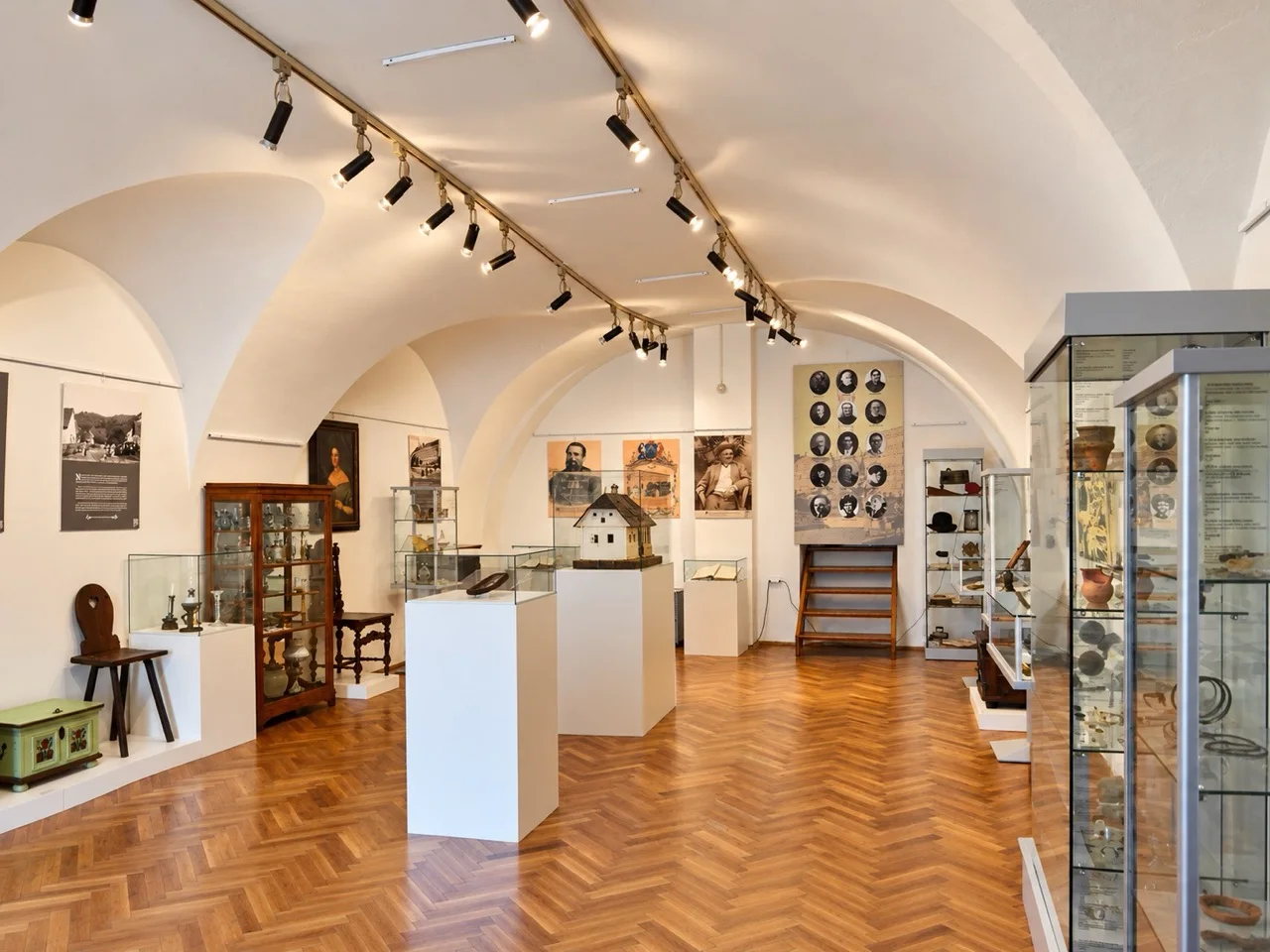
Allow time for the Požega City Museum if it is open during your visit. Its collections are useful for understanding the town beyond the polished Baroque centre, especially its medieval beginnings and Ottoman period. Opening hours can vary, so check the museum's current schedule before building your day around it.
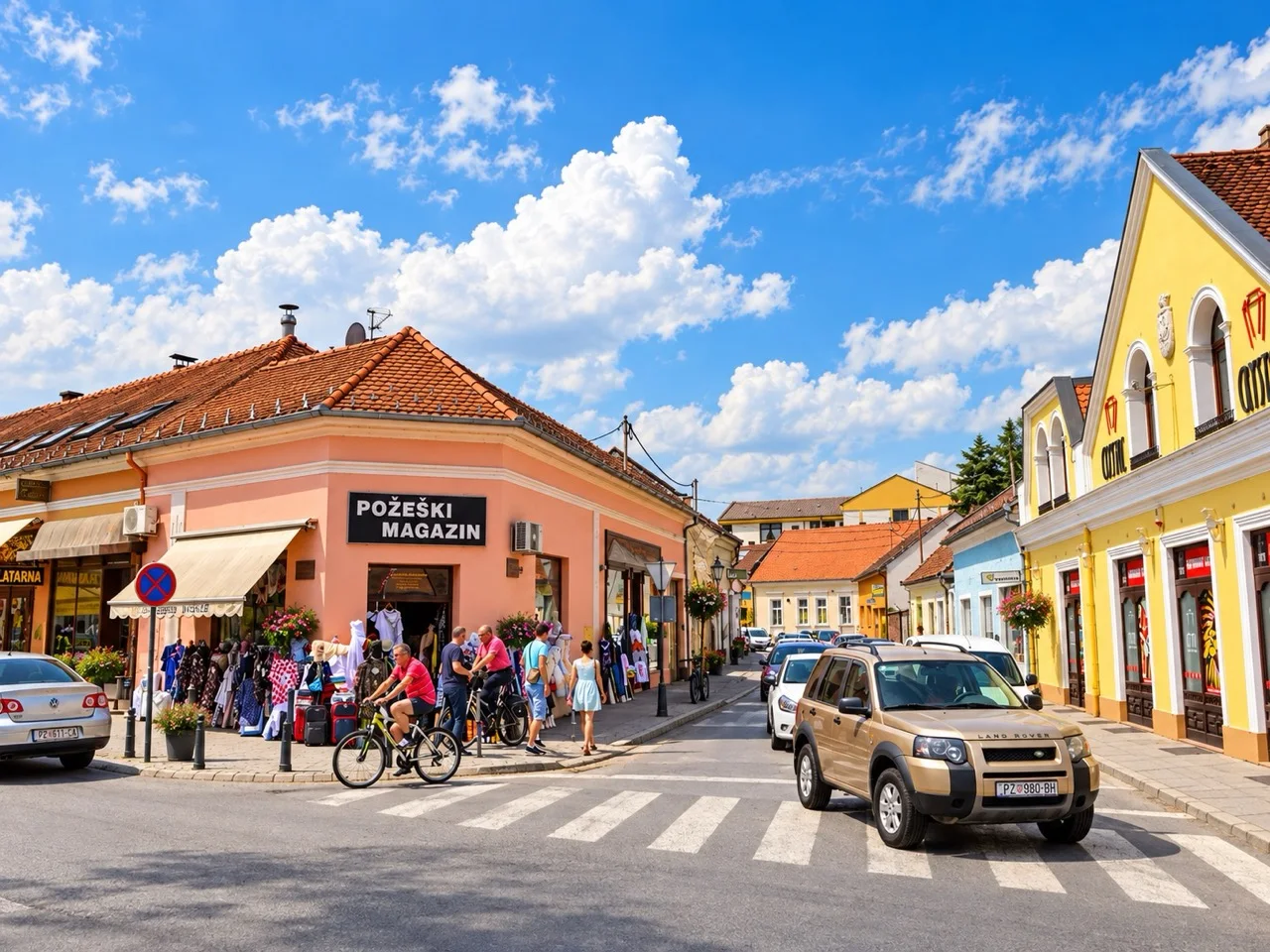
The Ottoman chapter of Požega's history
Požega's Ottoman history is central to understanding the town. The city was conquered in 1537 and became the seat of the Požega Sanjak, an Ottoman administrative and military district covering a large part of Slavonia. For roughly 150 years, the fortress and town were an important centre of Ottoman power in the region.
Much of the visible Ottoman architecture has disappeared, which makes the period easy to overlook if you only walk through the Baroque centre. The City Museum's interpretation of the Požega Sanjak helps fill that gap. It is also worth visiting the remains of Požega's old town on the hill above the centre. The medieval fortress was mentioned in written records as early as 1227 and later held Ottoman garrisons.
Požega was liberated in 1688, in an action associated with local citizens led by Luka Ibrišimović. The story is still present in the town's monuments and public memory, but the most interesting aspect is the broader transition that followed: Požega moved from a frontier stronghold into the Habsburg world, then developed the schools, guilds and Baroque institutions that shaped its later identity.
What to eat in Požega
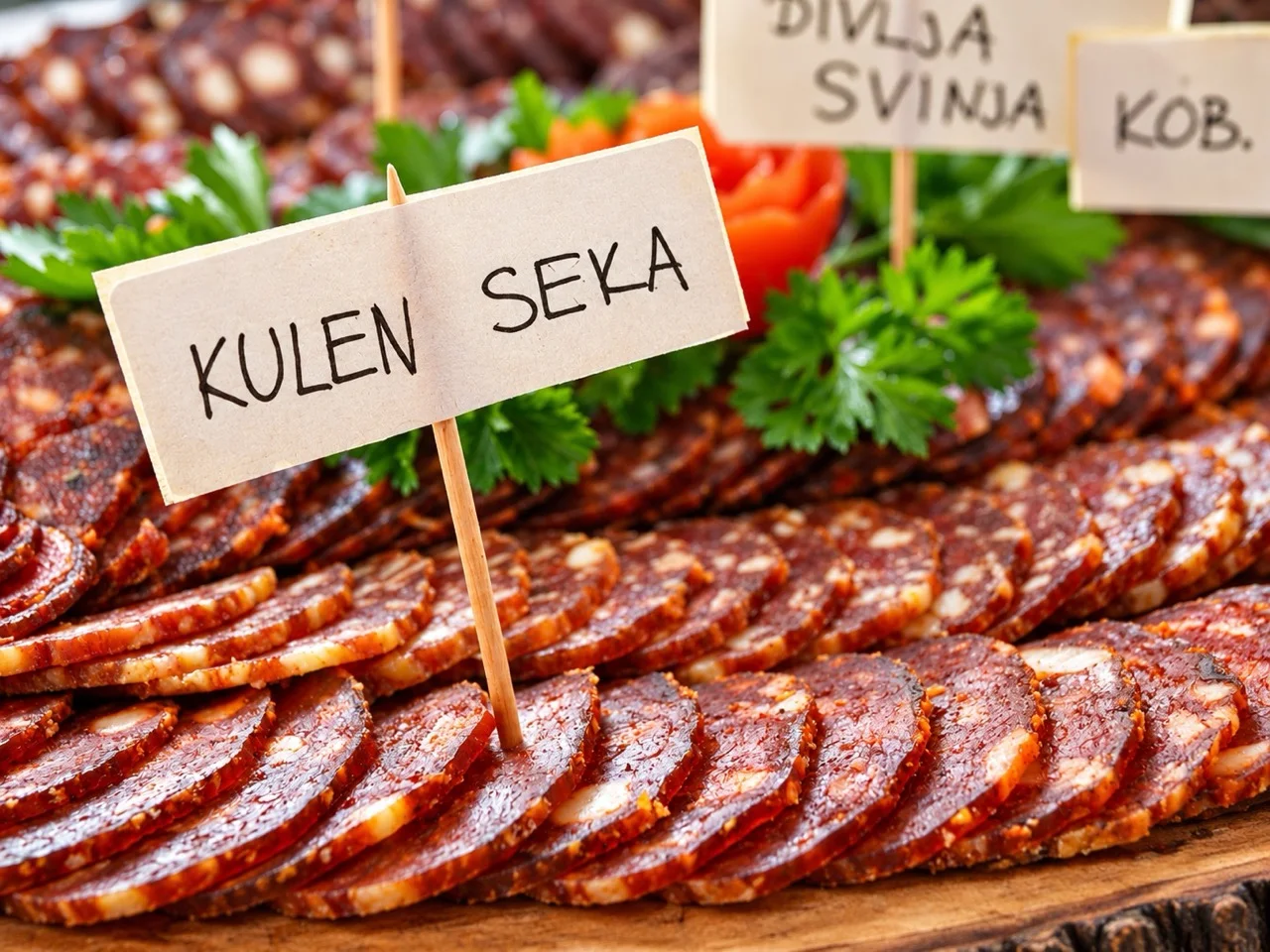
Come hungry. Slavonian food is generous, smoky, paprika-rich and designed for long meals. The most important thing to try is kulen, the region's celebrated cured sausage made from selected pork, paprika, garlic and salt. Good kulen is firm but tender, deeply savoury and pleasantly warm rather than aggressively hot. It is usually served in thin slices with bread, cheese, pickles or other preserved vegetables.
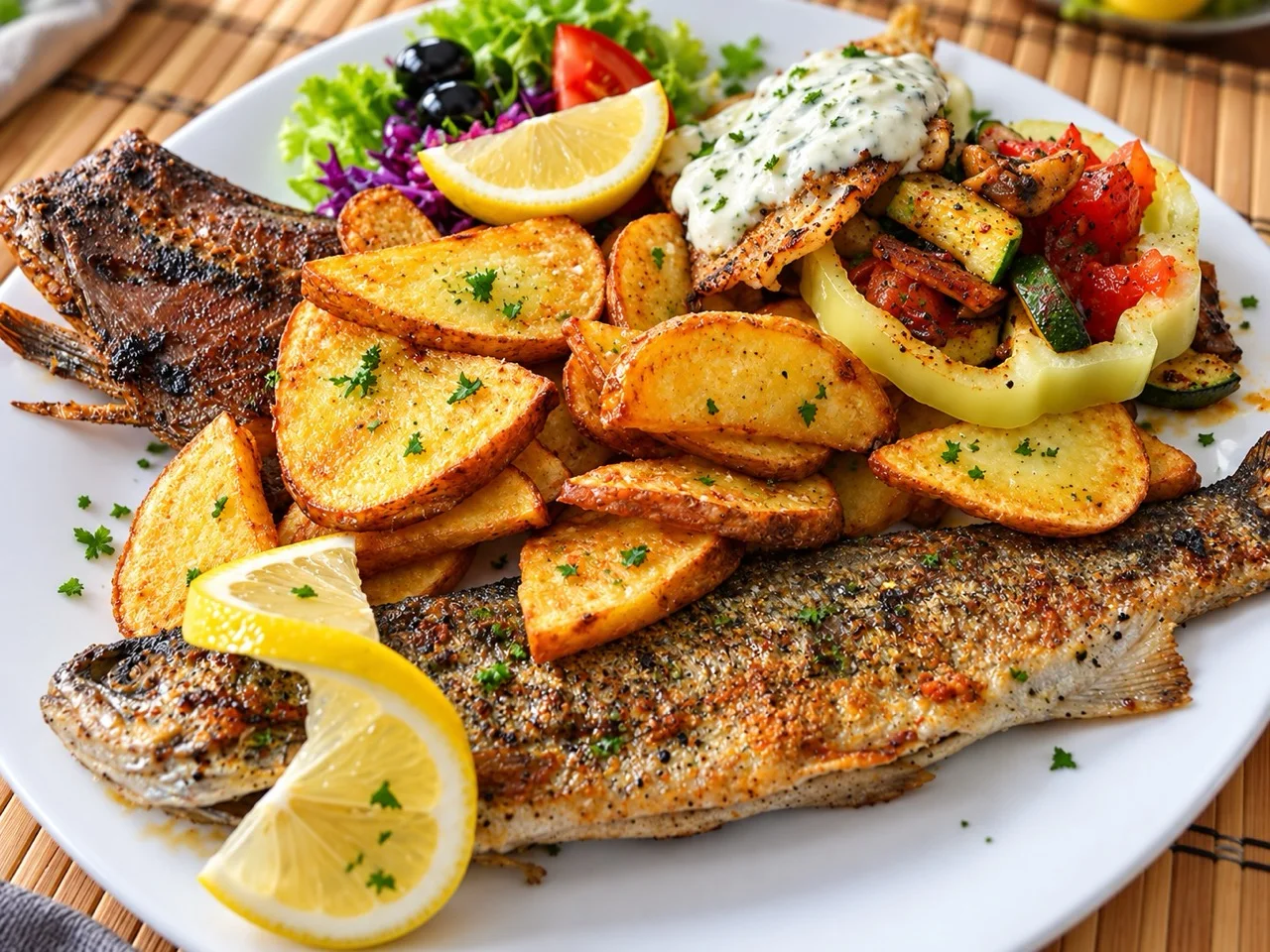
Also look for kulenova seka, a smaller and often more intensely seasoned sausage, as well as homemade sausages, šunka, čvarci and local cheeses. These are not side attractions to the region's cuisine; they are the basis of it. If a restaurant offers a Slavonian cold platter, it is often the most efficient way to taste several local products in one sitting.
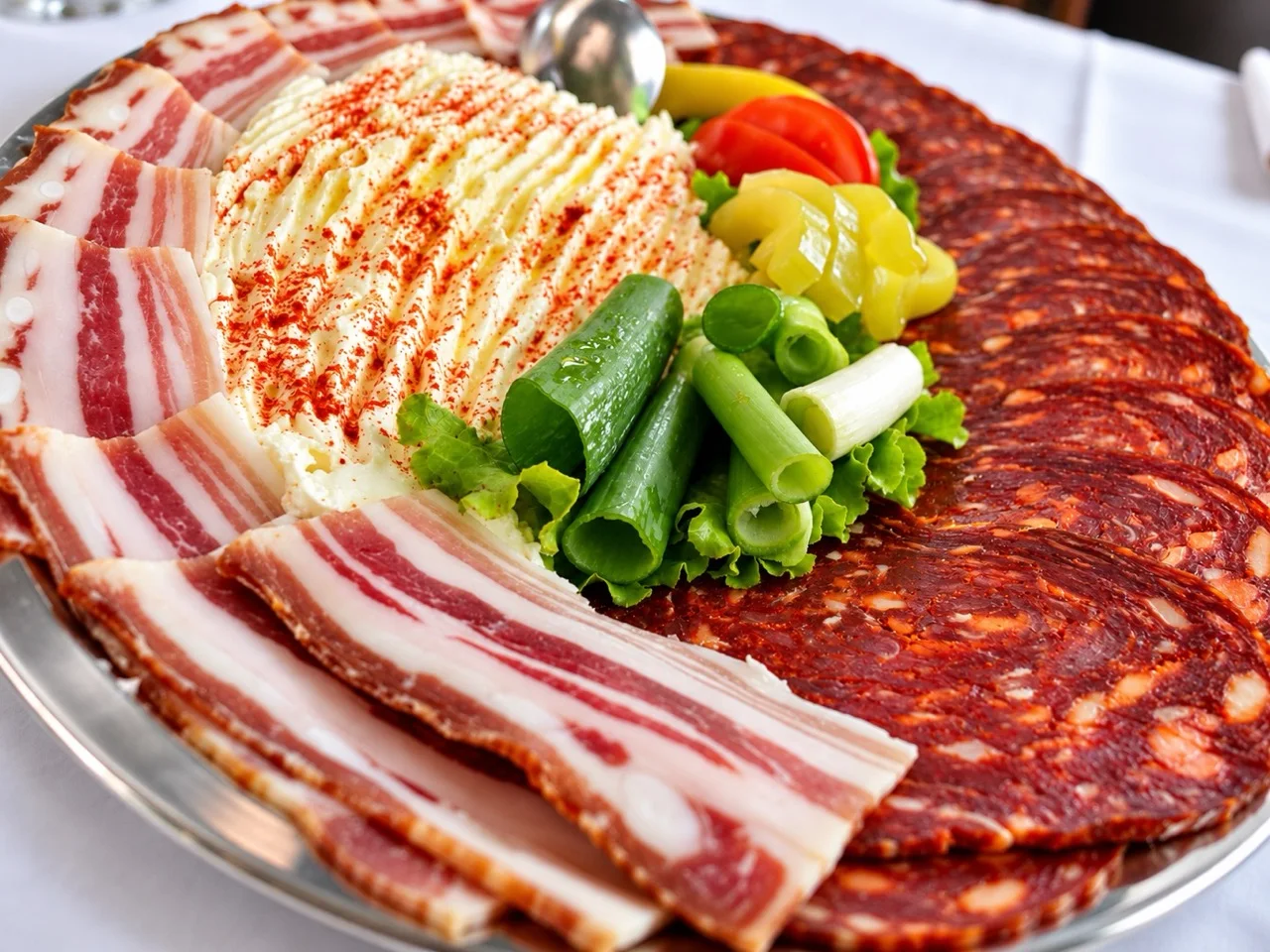
For a more substantial meal, try dishes built around pork, veal or freshwater fish. Fish paprikash is a classic Slavonian preparation with paprika, onion and river fish, while slow-cooked meat dishes are better suited to cooler months.
Seasonal menus may also include mushrooms, beans, cabbage and handmade pasta. Ask what is local that day rather than choosing only from the most familiar dishes.
- Kulen, served thinly sliced with bread and cheese
- Kulenova seka, for a smaller and more strongly seasoned sausage
- Čvarci and homemade sausages
- Fish paprikash or another freshwater fish dish
- Seasonal stews, beans, cabbage and local cheeses
- A dessert made with plums, walnuts or poppy seeds when available
The wines to taste
The Požega Valley is one of Croatia's most rewarding inland wine areas, with Kutjevo at its centre. Graševina is the essential first taste. The grape is widely planted across Central Europe, but the local versions can range from fresh, floral and uncomplicated to textured, late-harvest and richly aromatic.
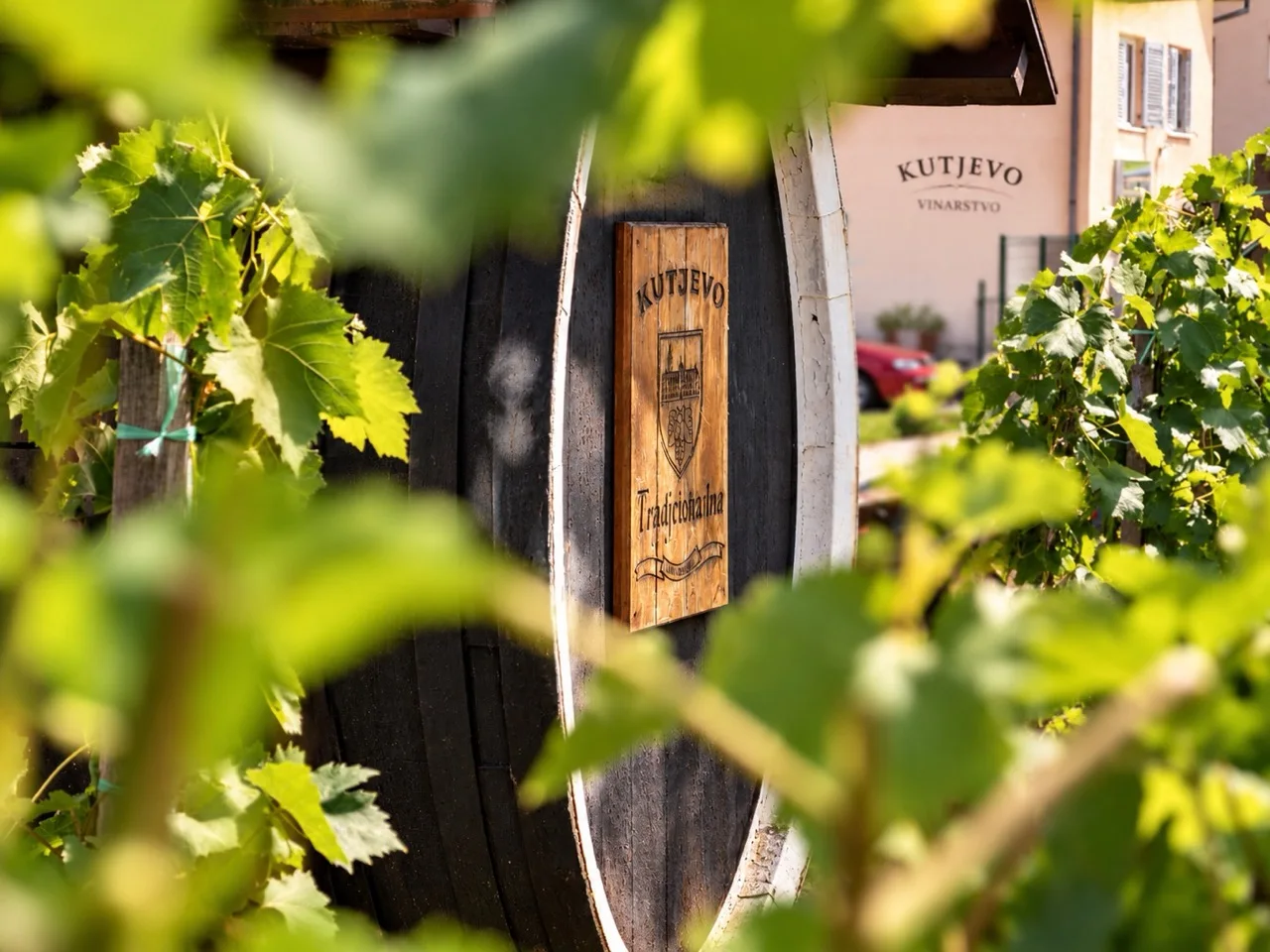
A good tasting should go beyond one standard white wine. Try a dry Graševina first, then compare it with a more mature or late-harvest style. Chardonnay and Riesling are also grown in the area, while Frankovka gives red-wine drinkers something more structured. Local producers may also make sparkling wines and sweet wines, depending on the season and their individual style.
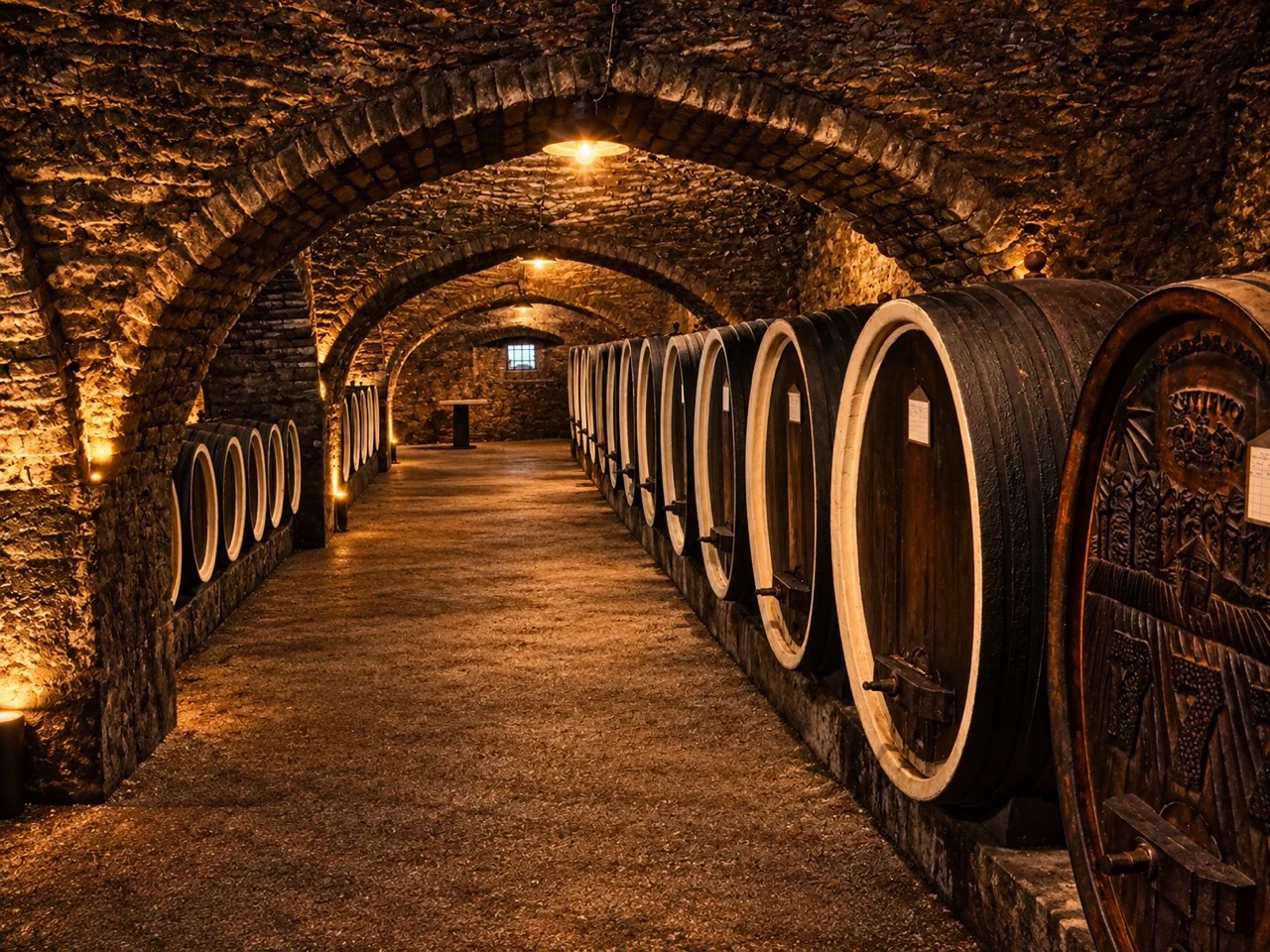
Kutjevo is close enough to Požega to make an easy half-day excursion. The town is known for its historic cellar, whose wine-making tradition reaches back to the medieval period, and for a concentration of tasting rooms. Krauthaker is a strong choice for a more structured, guided tasting, while Kutjevo's historic cellar is useful for understanding the area's long relationship with wine. Appointments are advisable, especially for small producers and weekend visits.
A half-day in Kutjevo
Kutjevo is the most obvious detour from Požega for anyone interested in wine. The town's historic cellar and surrounding vineyards provide enough material for a relaxed half-day, especially if you combine a tasting with lunch. The old cellar is closely tied to the area's medieval Cistercian heritage, and its long underground spaces give the visit a sense of continuity that newer tasting rooms cannot reproduce.
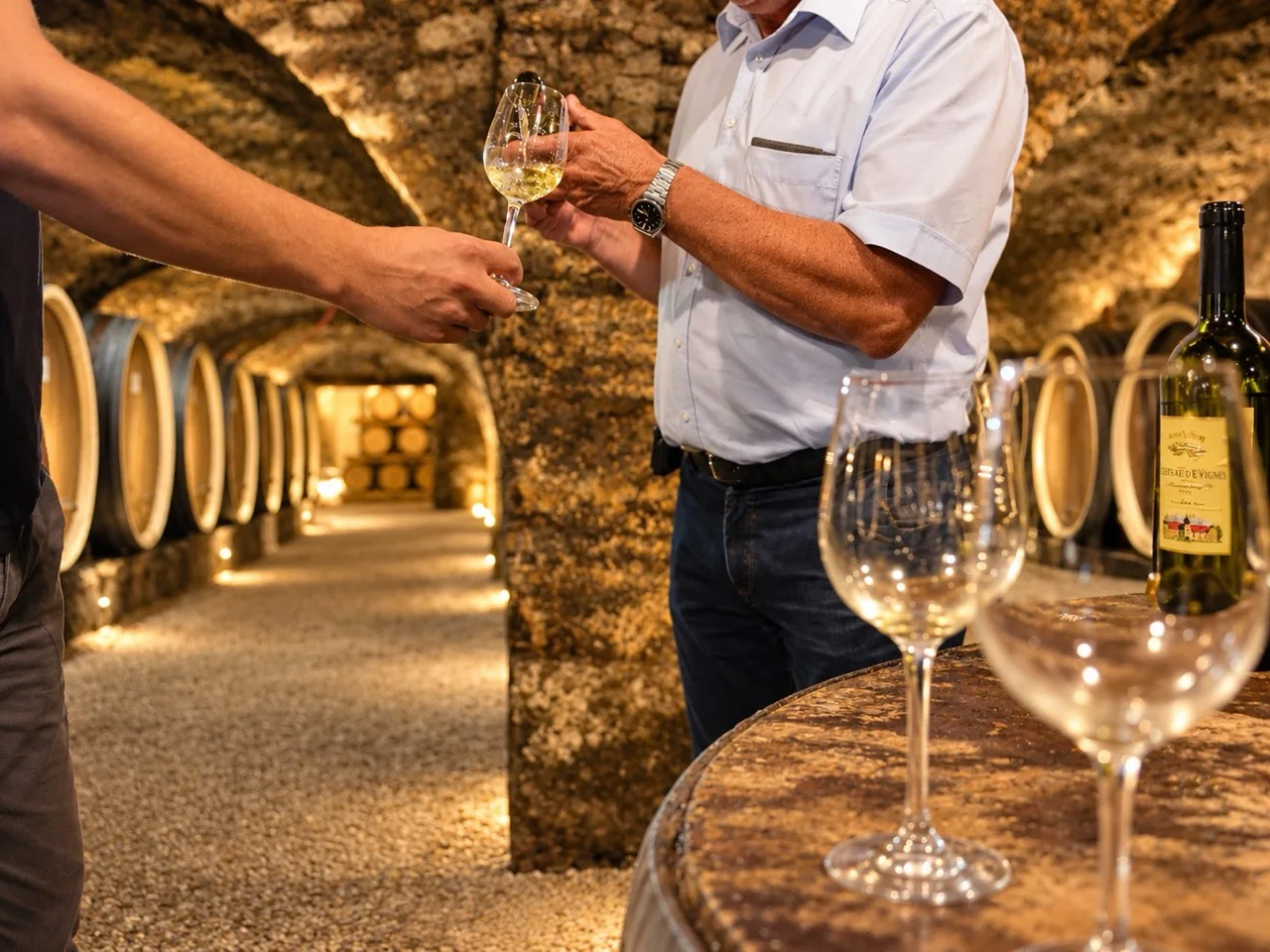
Do not try to visit too many wineries in one afternoon. Choose one established cellar and, if time allows, one smaller producer. The point is to compare approaches and spend time in the landscape, not to collect tasting stamps. Designate a driver or arrange transport in advance.
Papuk for forests, ruins and a change of pace
Papuk Nature Park begins close enough to make it part of a Požega weekend rather than a separate trip. The park is known for its geological diversity, beech forests, old fortifications and educational trails. It was Croatia's first geopark and remains one of the most distinctive mountain landscapes in inland Croatia.
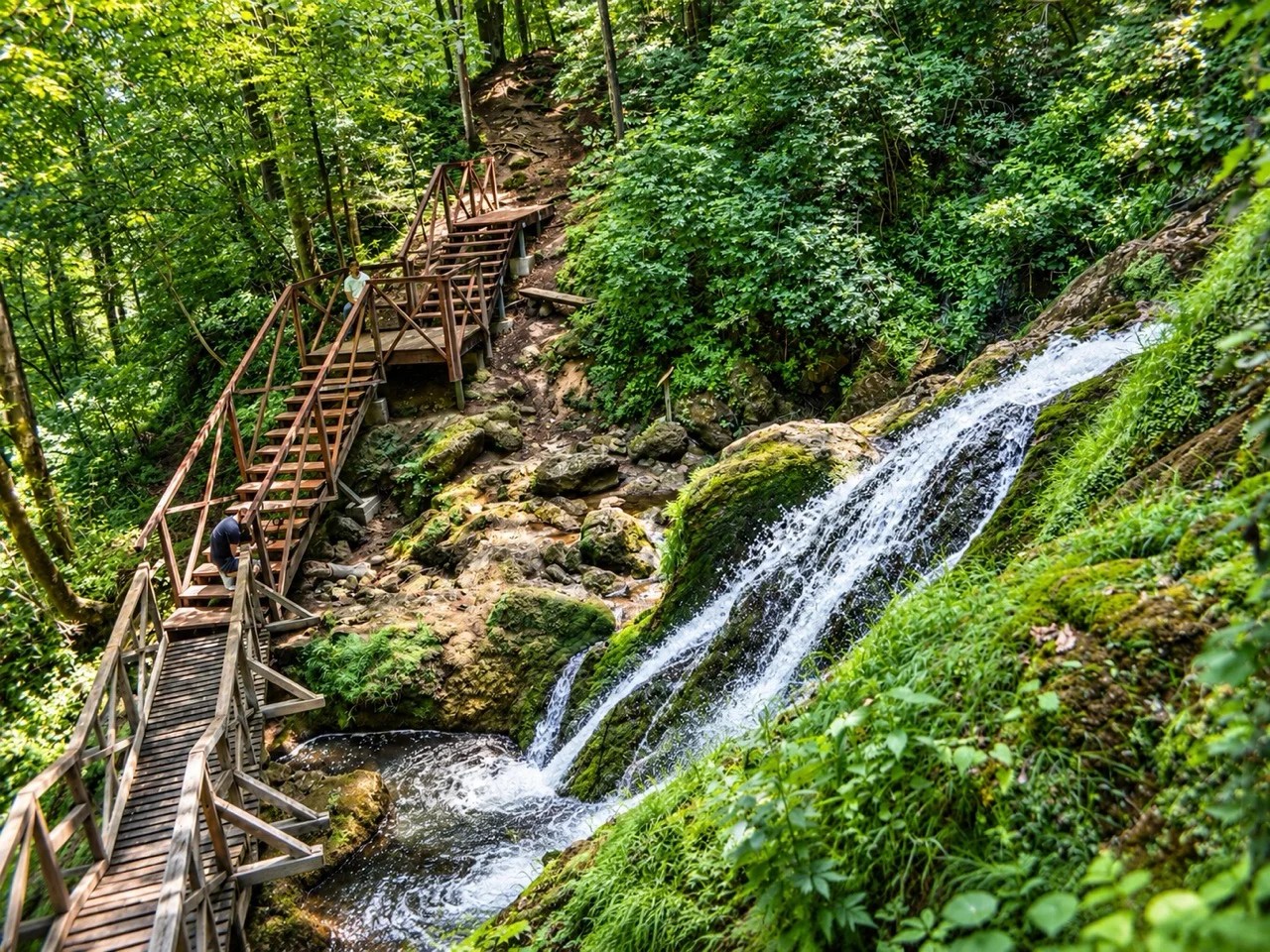
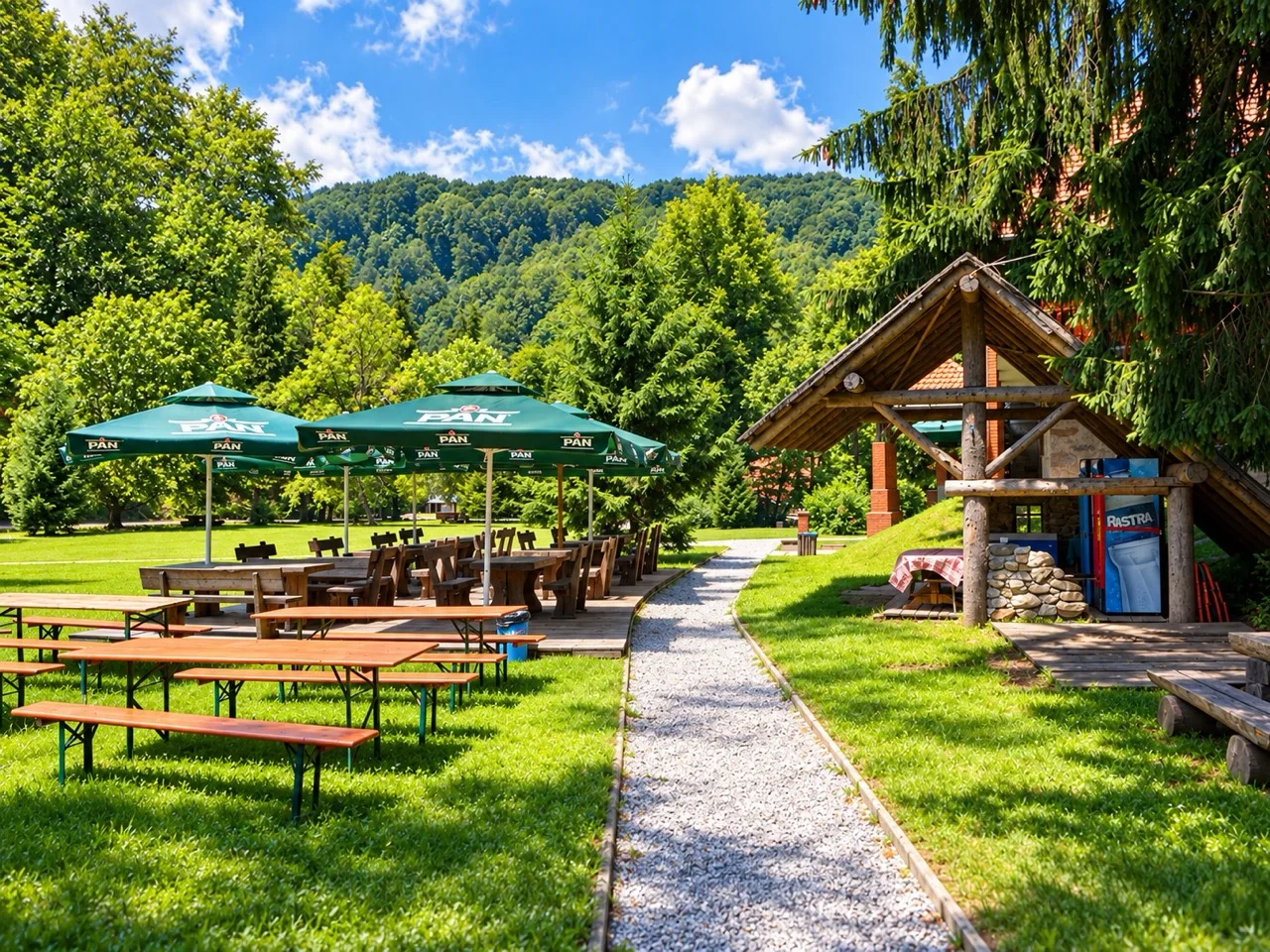
For a first visit, head towards Jankovac, the park forest best known for its walking paths, springs, waterfalls and lakes. It is a good choice when you want nature without committing to a demanding mountain day. The route can be adapted to the weather and your energy, although sturdy shoes are sensible after rain.
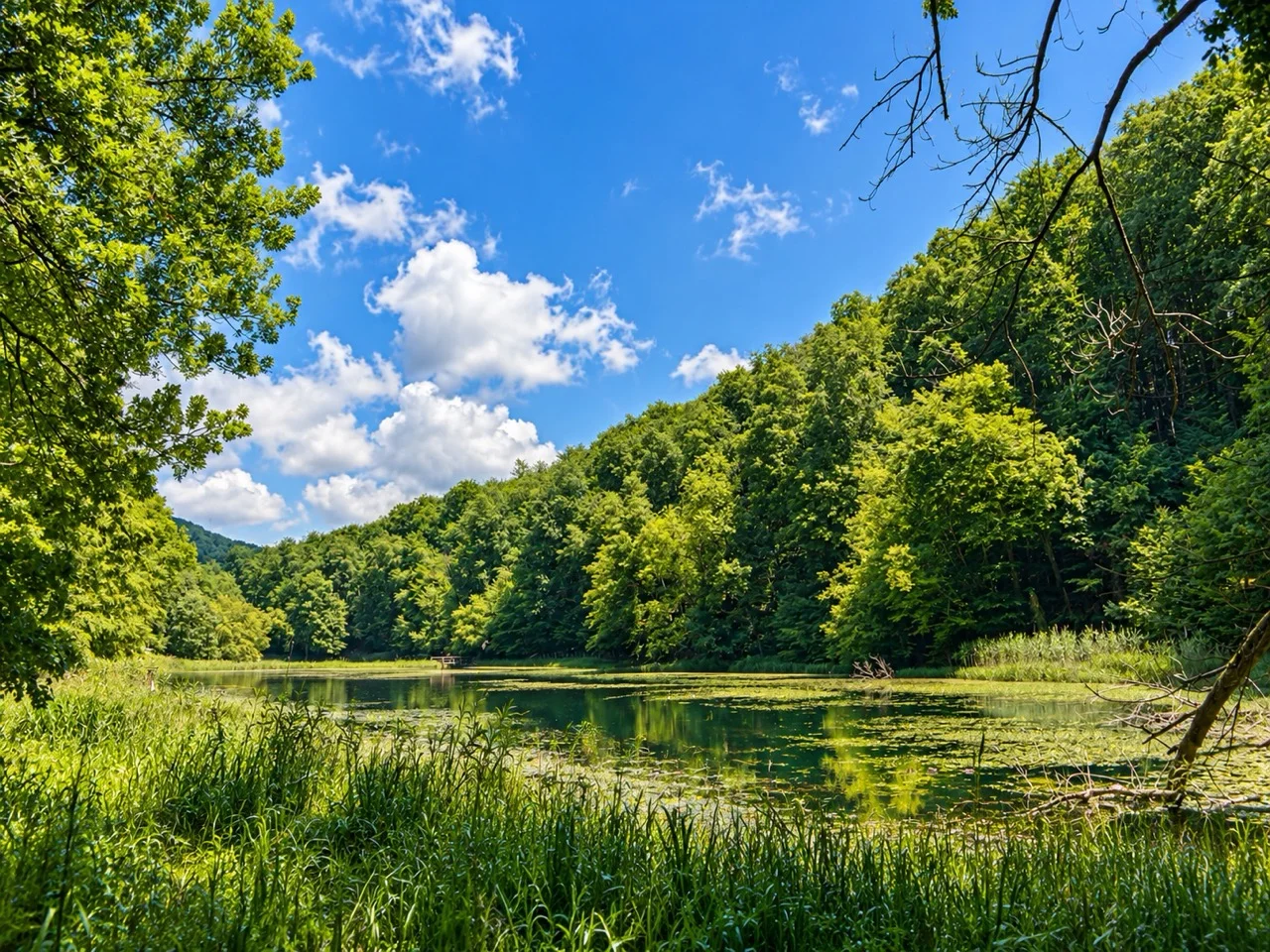
If you prefer history, consider Velika Old Town, a medieval fortification on the southern slopes of Papuk. The remains are modest, but the walk and the views across the Golden Valley are the reason to go. The combination of forest, ruined walls and open valley makes this a more satisfying outing than a quick photograph at a roadside viewpoint.
A useful weekend rhythm
Arrive on Friday afternoon and keep the first evening simple. Walk through the centre, have a drink around Holy Trinity Square and choose a restaurant where the menu includes local products. Požega is more enjoyable when the first night is not over-planned.
- Friday afternoon: check in, walk through the Baroque centre and visit Holy Trinity Square
- Friday evening: a Slavonian cold platter, kulen and a local glass of Graševina
- Saturday morning: City Museum, cathedral and the old town viewpoint
- Saturday afternoon: Kutjevo wine tasting and a late lunch, or Papuk and Jankovac
- Saturday evening: a slower dinner with a regional main course and local wine
- Sunday morning: choose the outing you missed, then leave time for coffee and a final walk
Where to base yourself
For a weekend without a car, stay in or close to the centre so that the square, museum, cathedral and restaurants are within walking distance. For a more rural stay, choose accommodation outside town or near the vineyards, but check transport arrangements carefully. The most attractive countryside options are often best suited to travellers arriving by car.
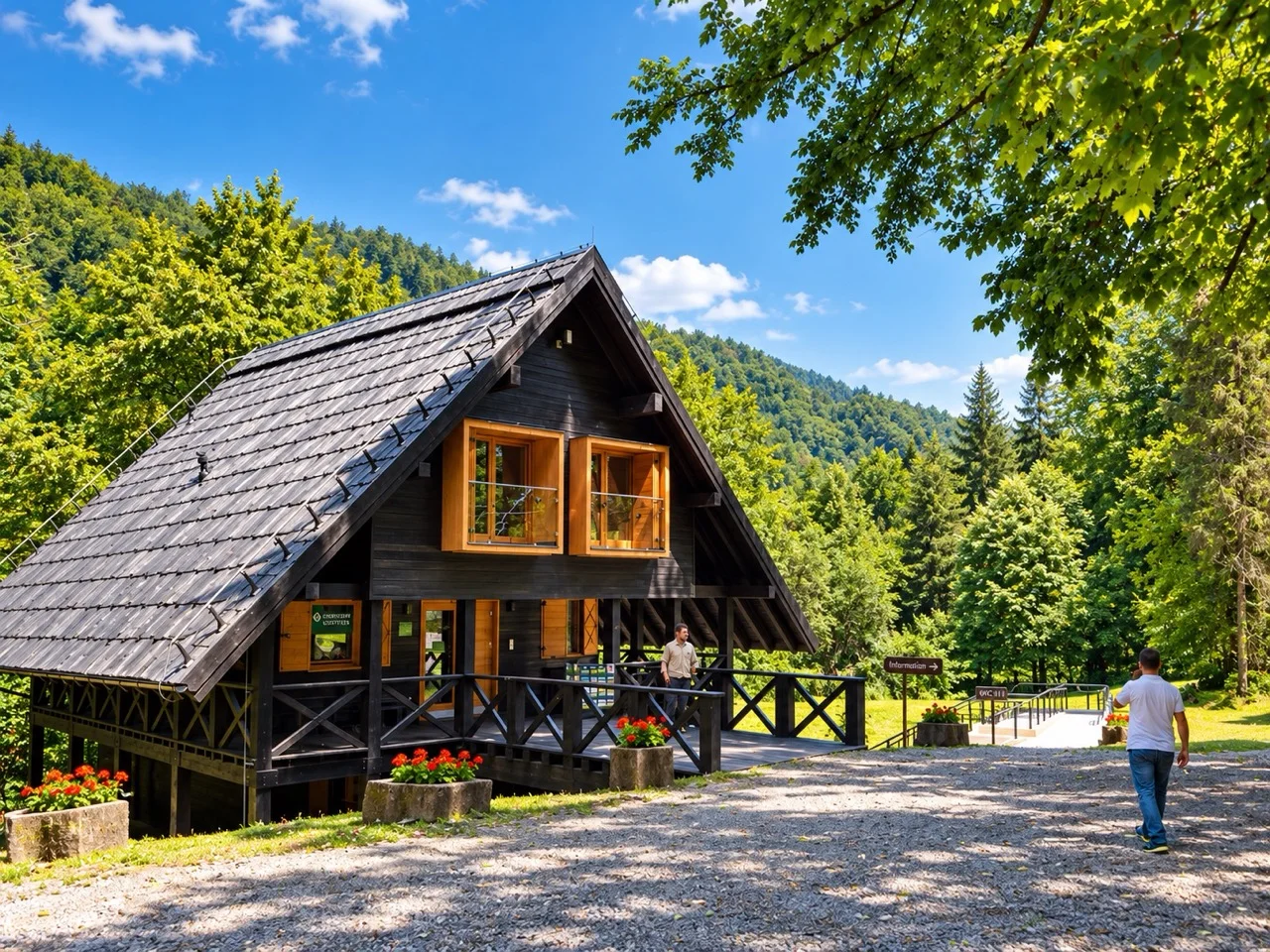
Požega is not a destination where the hotel needs to be the main event. Location, parking and a quiet room matter more than an extensive list of facilities. If you plan wine tastings, ask your accommodation whether they can help arrange a taxi or local transfer.
Practical notes
- A car is useful for Kutjevo, Papuk and smaller wine producers; public transport is less convenient for combining several stops.
- Book winery tastings ahead, particularly at weekends and outside the main tourist season.
- Check current museum, cellar and park opening information before travelling, as schedules can change by season.
- Wear comfortable shoes for the old town hill, Velika Old Town and Papuk trails.
- Plan wine tastings conservatively and arrange a designated driver or local transfer.
- Summer is good for vineyards and forest walks, while autumn brings a particularly appealing combination of wine, cooler air and seasonal food.
How long we'd stay
Two nights are enough for a first visit if you choose either Kutjevo or Papuk as your main excursion. Three nights are better for travellers who want the town, a proper wine tasting and time in the mountains. More than that makes sense only if you are using Požega as part of a wider Slavonian road trip.
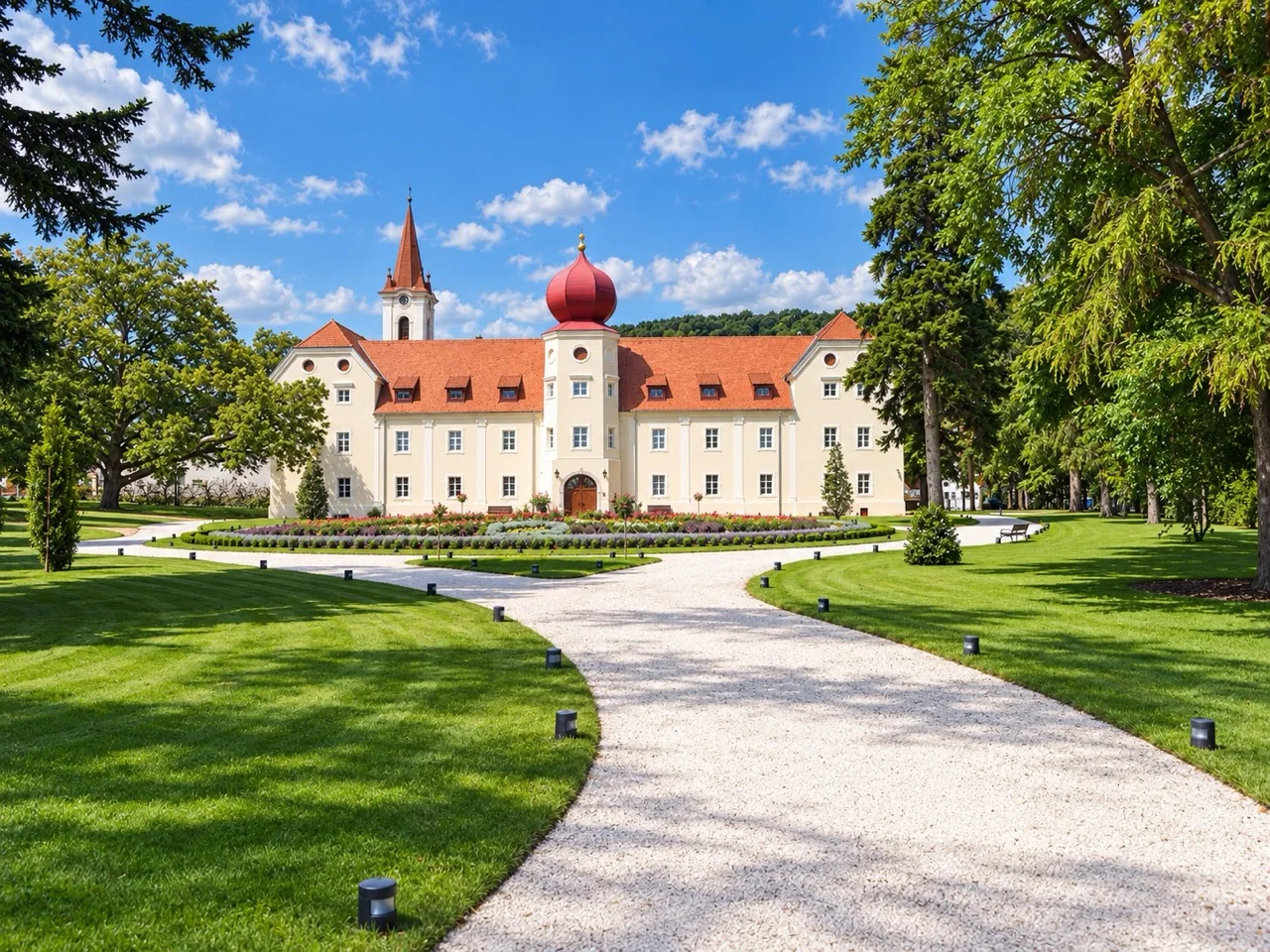
Požega is worth your time because it brings several elements together without making any one of them feel staged: a compact historic centre, a complicated past, serious local food, nearby vineyards and a mountain landscape within easy reach. It is a small destination, but the weekend does not feel small.
For more inspiration, travel tips and practical information to help you plan your visit, explore the official websites of the Požega Tourist Board and Visit Slavonia. From local experiences and cultural events to accommodation, wine routes and hidden gems, both are excellent starting points for discovering Požega and the beautiful landscapes of Golden Slavonia.