Turin makes particular sense in October. The light is softer, the avenues begin to turn gold and the city’s cafés become as appealing as its museums. This is a place for walking without rushing: beneath long covered arcades, through grand squares, into bookshops and galleries, then back outside for a slow stretch along the Po. Two days are enough to understand its character, provided you resist the temptation to treat the city as a checklist.
The best version of Turin is a composed city break rather than an intensive sightseeing weekend. Choose one major museum, leave room for coffee, and keep an afternoon open for the parks and neighbourhoods that give the city its rhythm. Turin is elegant without being overly formal, rich in history without feeling preserved under glass, and particularly good at making ordinary pauses feel worthwhile.
Why October suits Turin
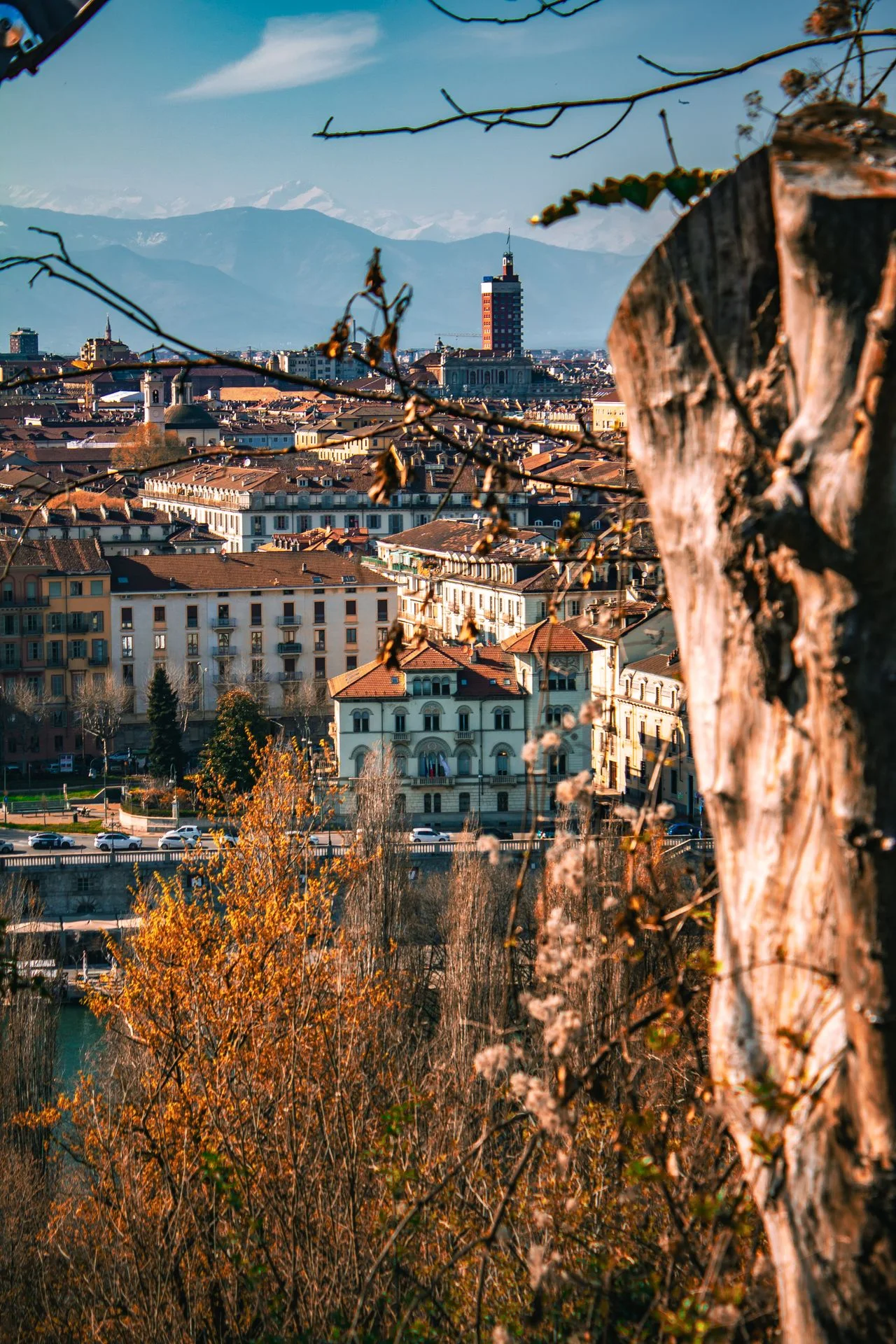
Turin’s architecture can seem imposing in summer, when broad squares and formal avenues hold the heat. In October, the proportions feel more welcoming. The arcades offer shelter from an occasional shower, the cafés are ready for longer visits and the parks take on the copper and russet colours that make the city feel closely connected to the Piedmontese landscape beyond it.
Autumn also brings a fuller cultural calendar. Exhibition seasons begin, theatres and concert halls return to their regular programmes, and food festivals make use of the region’s mushrooms, chestnuts, pumpkins and wine. Exact events change each year, so it is worth checking Turin’s official calendar before booking. In 2026, Portici di Carta is scheduled for 10 and 11 October, when bookshops and publishers fill a long stretch of the city’s arcades.
Day one: cafés, arcades and the centre
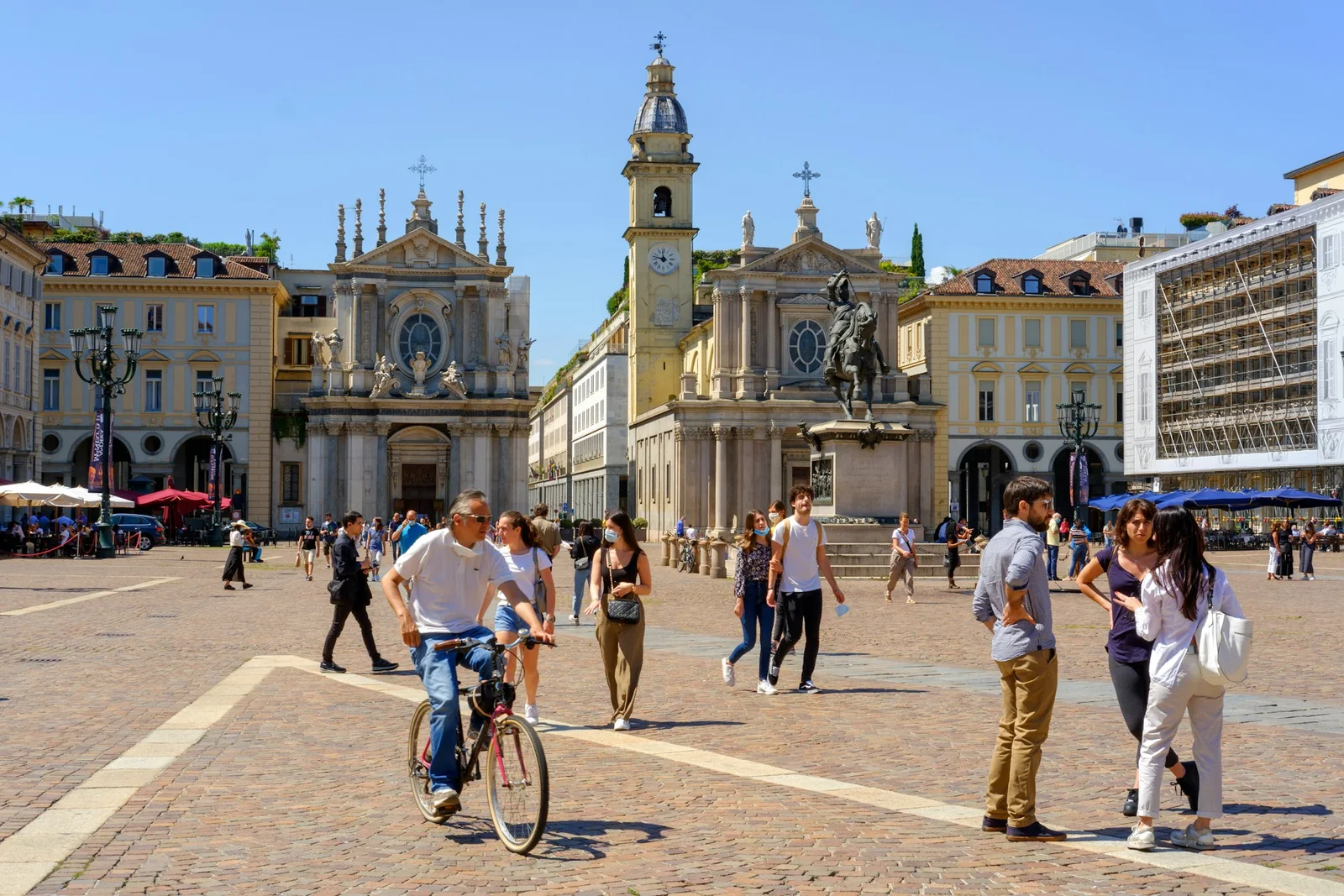
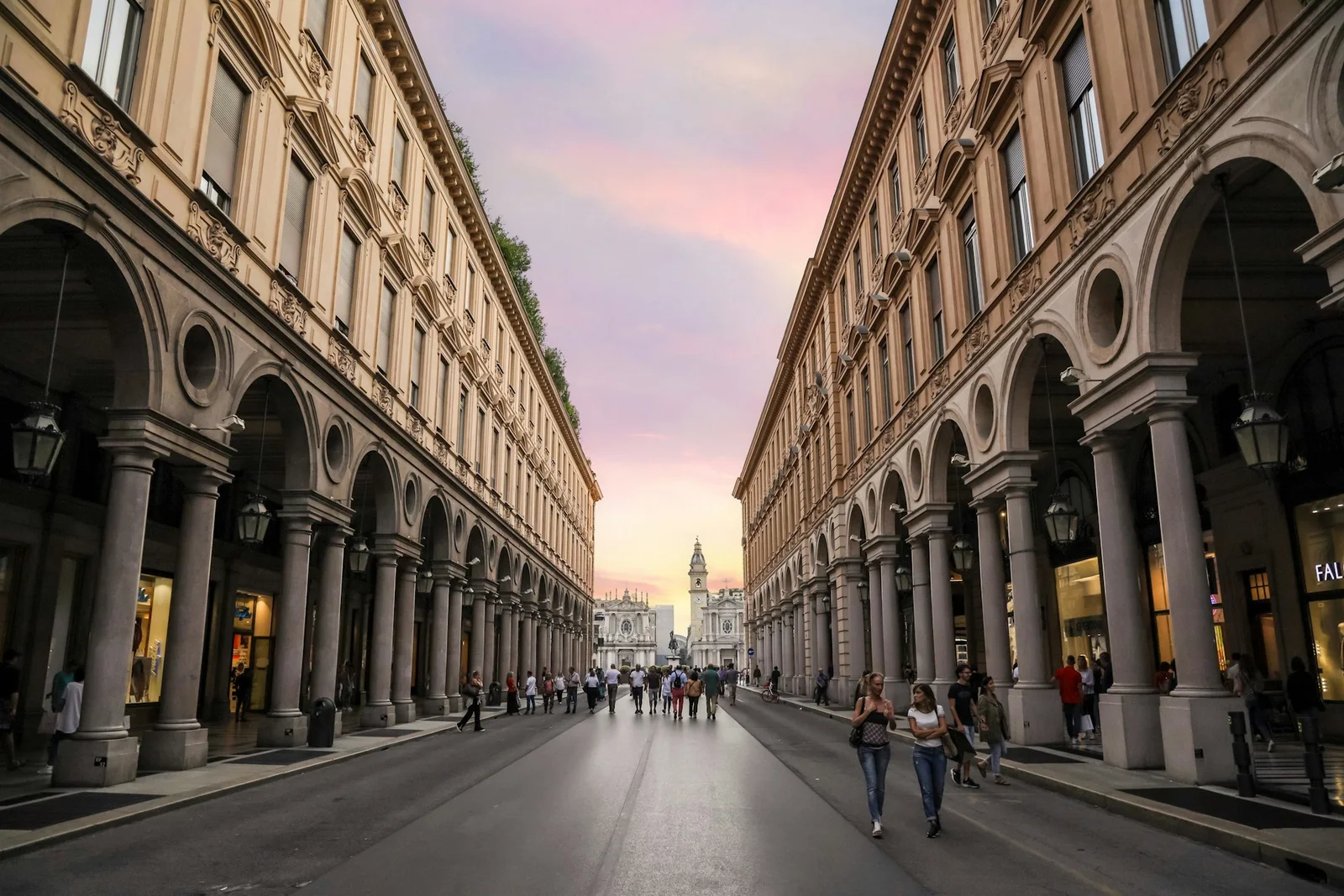
Begin at Piazza San Carlo, Turin’s most graceful square and one of the best places to understand the city’s sense of order. The twin churches at its southern end frame the space, while cafés and arcades create a continuous edge for walking and people-watching. Early morning is quiet enough to notice the details: the repeated columns, polished shopfronts and the long view towards Piazza Castello.
This is the right moment for a traditional Turin breakfast or mid-morning coffee. The city’s historic cafés are part of its cultural landscape, not simply decorative stops. Order a bicerin, the local combination of coffee, chocolate and cream, if you want something distinctly Turin. A simple espresso is equally appropriate. The important thing is to sit down rather than treat coffee as fuel between attractions.
Caffè Torino, Caffè Baratti & Milano and Caffè Mulassano are among the names most associated with the city’s café tradition. They differ in atmosphere and location, but all make sense as short pauses during a central walk. Choose one rather than trying to visit several. Turin’s pleasure lies in lingering long enough for the city to become familiar.
Walk from Piazza San Carlo to Piazza Castello
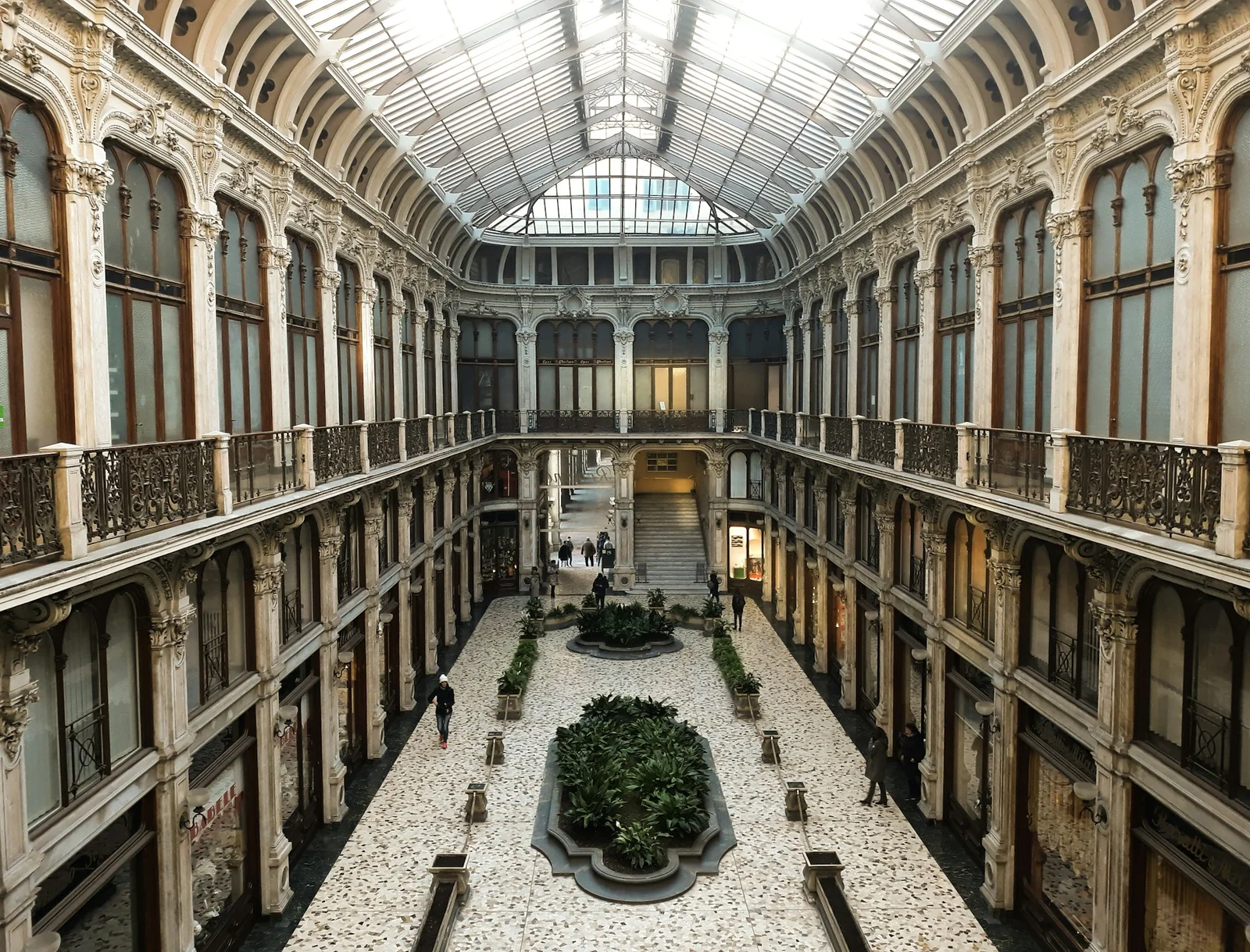
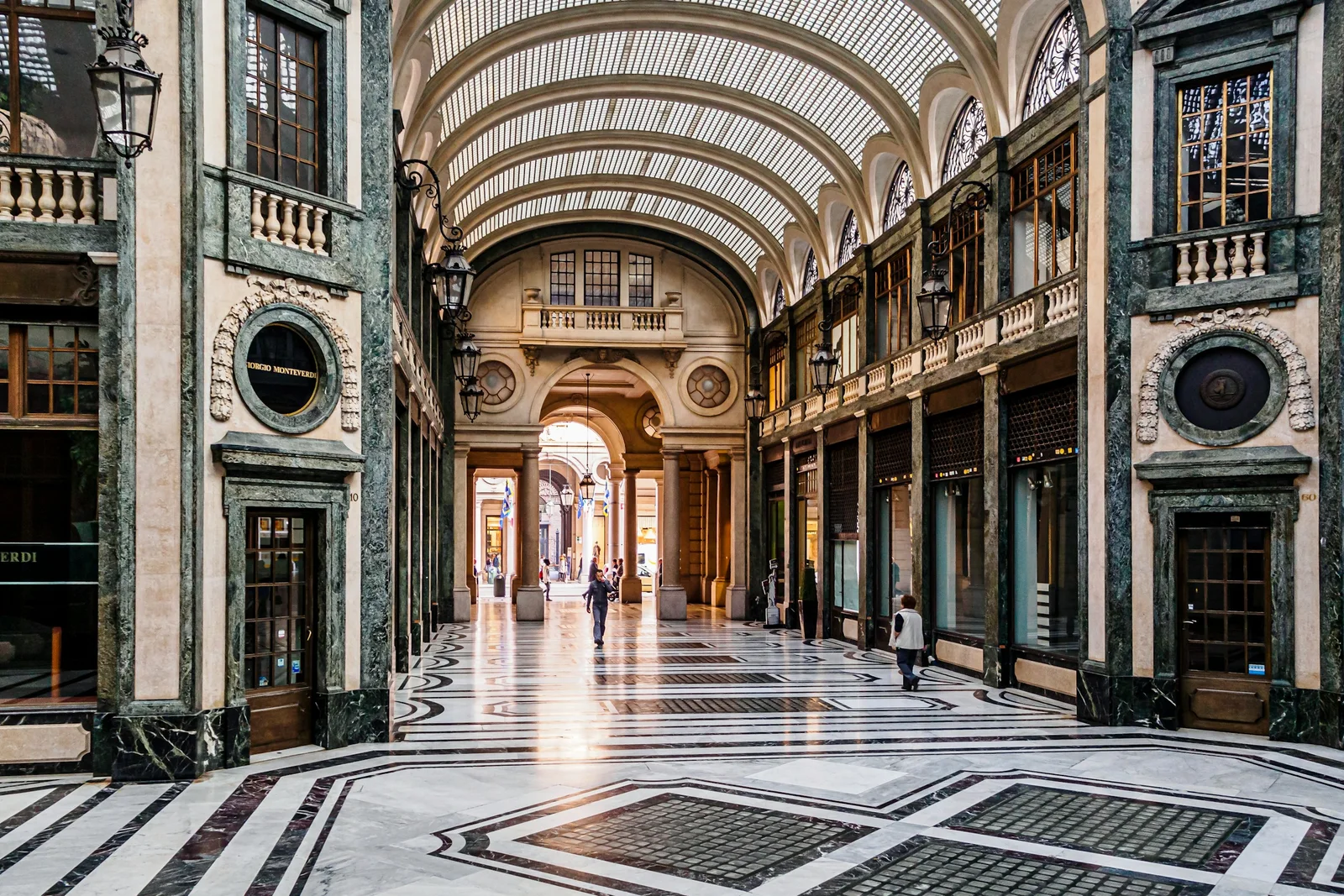
Continue north along Via Roma, then turn towards Piazza Castello. The route is polished and central, but it does not feel like a single commercial strip. Look into the galleries and side passages, especially Galleria San Federico and Galleria Subalpina, where shops, cafés and old cinemas give the walk a slightly theatrical quality.
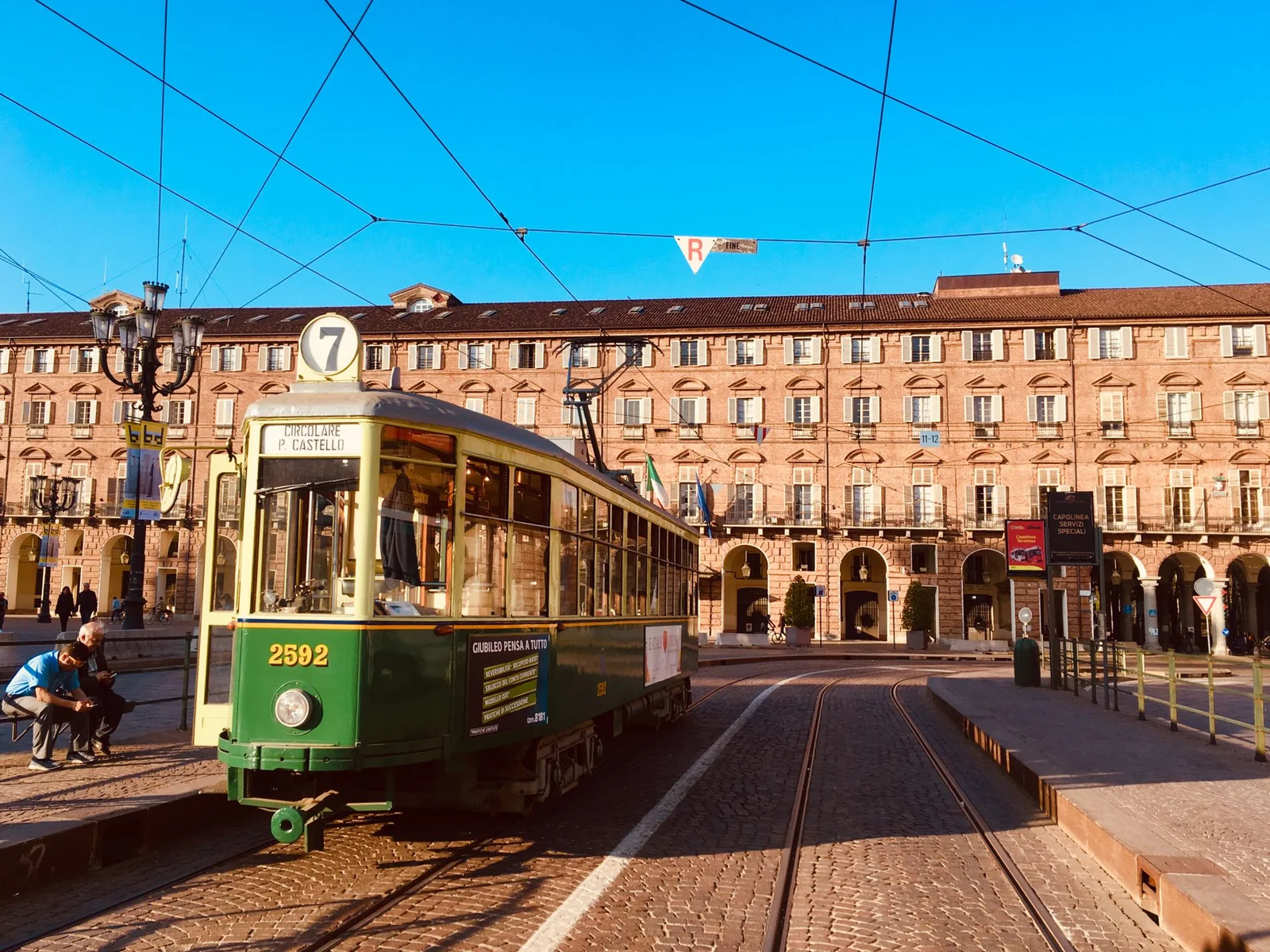
Piazza Castello is the natural centre of historic Turin. Palazzo Madama stands at its heart, combining medieval foundations with a Baroque façade, while the Royal Palace occupies the northern side. You could spend much of a day visiting the surrounding museums, but that is not the best use of a short October break. Choose one interior and leave the rest for another visit.
A bookshop pause
Turin has a literary side that is easy to miss if you move only between headline attractions. Make time for a bookshop. Libreria Luxemburg, close to Piazza Carignano, is a useful central stop for English-language books and a wider selection of Italian titles. Other independent shops around the centre are worth exploring if you have a particular interest in art, politics, design or regional history.
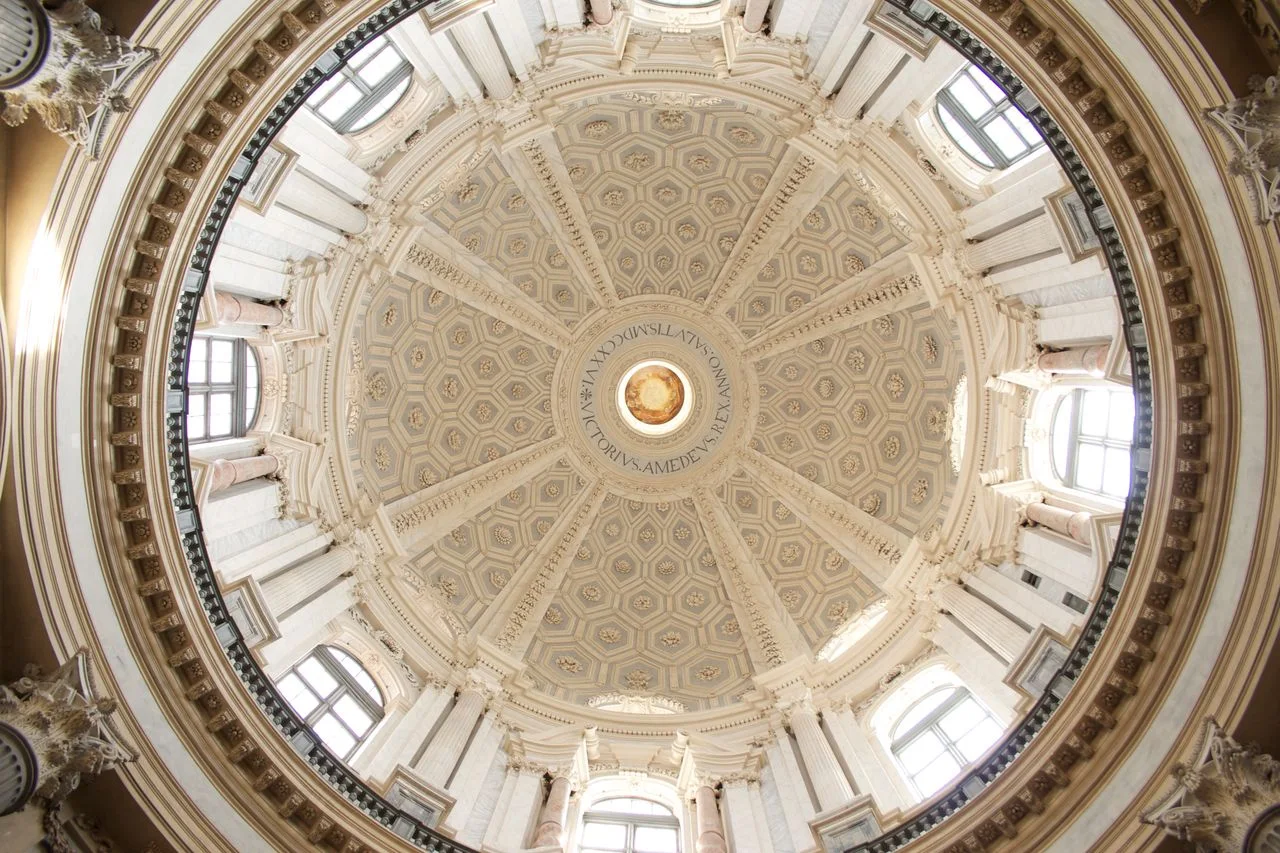
October is especially good for this kind of wandering because the arcades make browsing possible in almost any weather. If your visit coincides with Portici di Carta, the city’s book festival, the event is worth prioritising. It turns the central arcades into a temporary literary quarter, with booksellers, publishers and talks spread between Piazza Castello and Porta Nuova.
Lunch in the Quadrilatero Romano
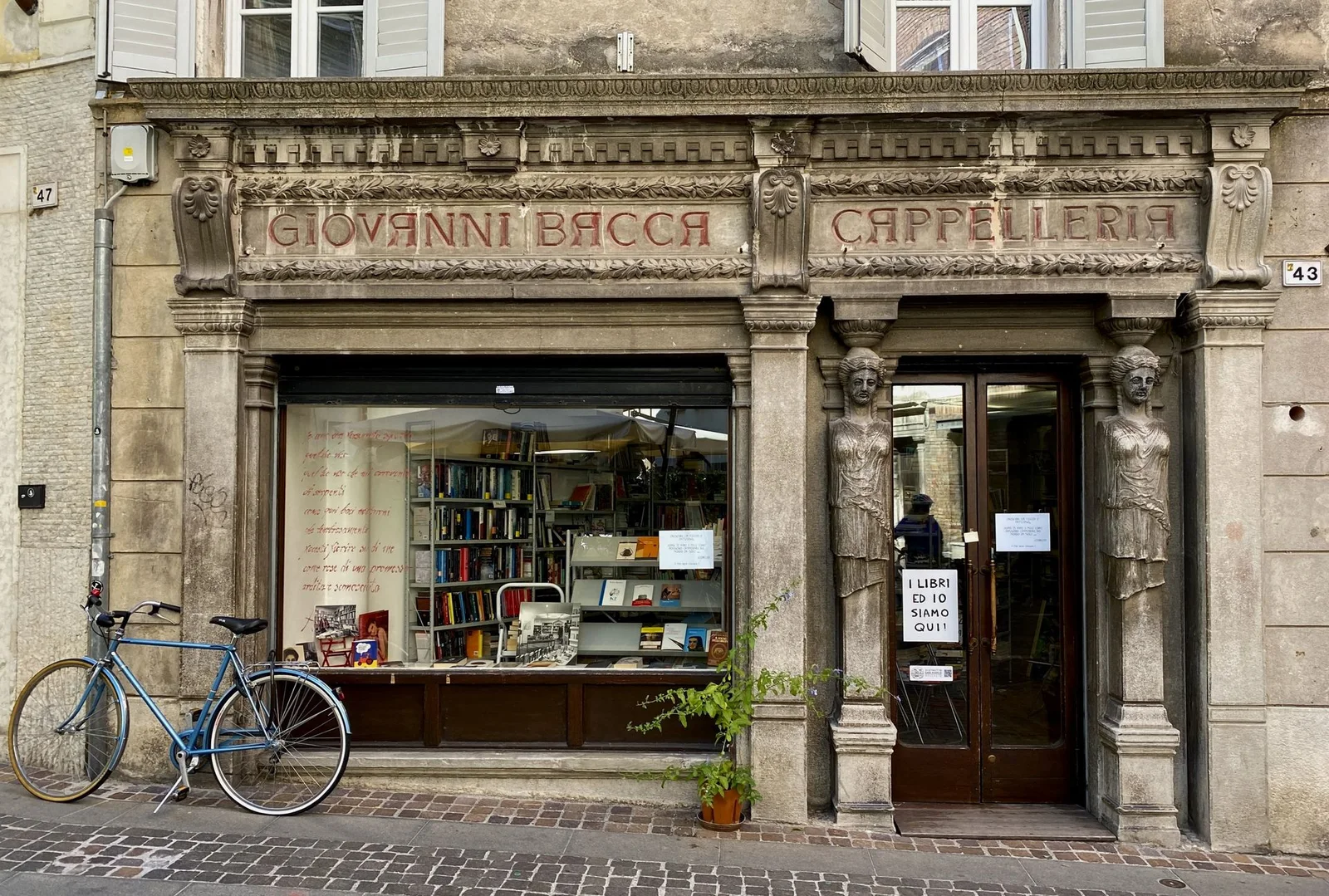
For lunch, walk towards the Quadrilatero Romano, the compact district of Roman streets, small squares and restaurants just north of the centre. It is livelier in the evening, but daytime is calmer and better suited to looking at the façades and slipping into a long lunch.
Piedmontese cooking is generous without being showy. Look for agnolotti del plin, vitello tonnato, seasonal vegetables, local cheeses and dishes built around autumn produce. Turin is also a good city for a light lunch followed by an afternoon coffee; there is no need to turn every meal into a formal occasion. Ask for regional wine if you want to understand the surrounding countryside through the table.
The Mole Antonelliana and a decision about museums
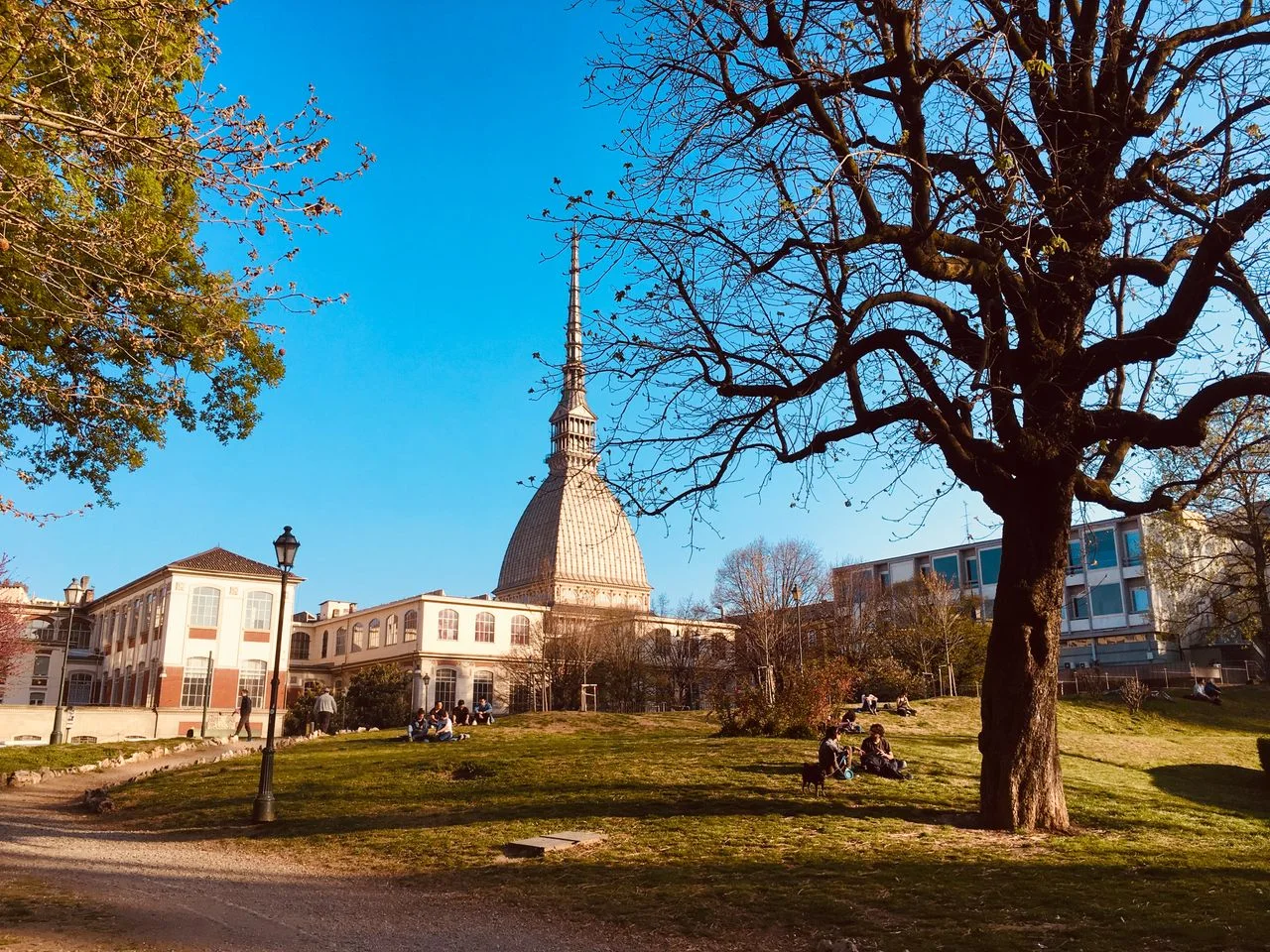
In the afternoon, walk along Via Po towards the Mole Antonelliana. The route passes beneath some of Turin’s most impressive arcades and opens towards Piazza Vittorio Veneto, one of the city’s broadest urban spaces. The Mole is Turin’s unmistakable landmark, and the National Museum of Cinema inside it is a good choice if you enjoy visual culture, film history and unusual interiors.
The building itself is often the reason to go. Its soaring interior gives the museum a dramatic vertical quality, while the panoramic lift offers views across the rooftops and, on a clear day, towards the Alps. Check current access arrangements before visiting, particularly if you want to use the lift. If heights and queues are not appealing, the exterior and surrounding streets are enough to justify the walk.
An aperitivo beneath the arcades
Return towards Piazza Vittorio Veneto or Piazza San Carlo for aperitivo. Turin has a strong connection with vermouth, and the early evening is when the city’s café culture becomes most sociable. Choose somewhere with a comfortable interior or a sheltered table beneath the arcades. October evenings can be cool, so atmosphere matters more than an outdoor view.
Keep dinner relatively close to the centre. Turin is a city that suits a second walk after dark, when the arcades, squares and illuminated palazzi feel quieter. A restaurant in the Quadrilatero Romano works well for a more atmospheric evening; a traditional dining room near Piazza Carignano is better if the meal itself is the main event.
Day two: royal Turin and the river
Start the second day with the Royal Museums, but be selective. The complex includes the Royal Palace, the Royal Gardens, the Armoury, the Sabauda Gallery, the Royal Library and other royal spaces. It is substantial enough to absorb several hours, yet trying to see everything can leave the visit feeling like an exercise in endurance.
The most satisfying approach is to choose a small number of rooms and then spend time outside in the gardens. The palace explains Turin’s political and dynastic history; the gardens restore a sense of space and movement. October light suits both. Check the official museum website for opening days, temporary closures and ticket arrangements before setting out.
Afterwards, walk towards Piazza Carignano. The square is one of Turin’s most concentrated architectural scenes, with Palazzo Carignano and the theatre creating a setting that feels grand without becoming remote. It is also a good area for lunch, especially if you prefer a central restaurant with a little more character than the busiest streets around the main squares.
An afternoon in Valentino Park
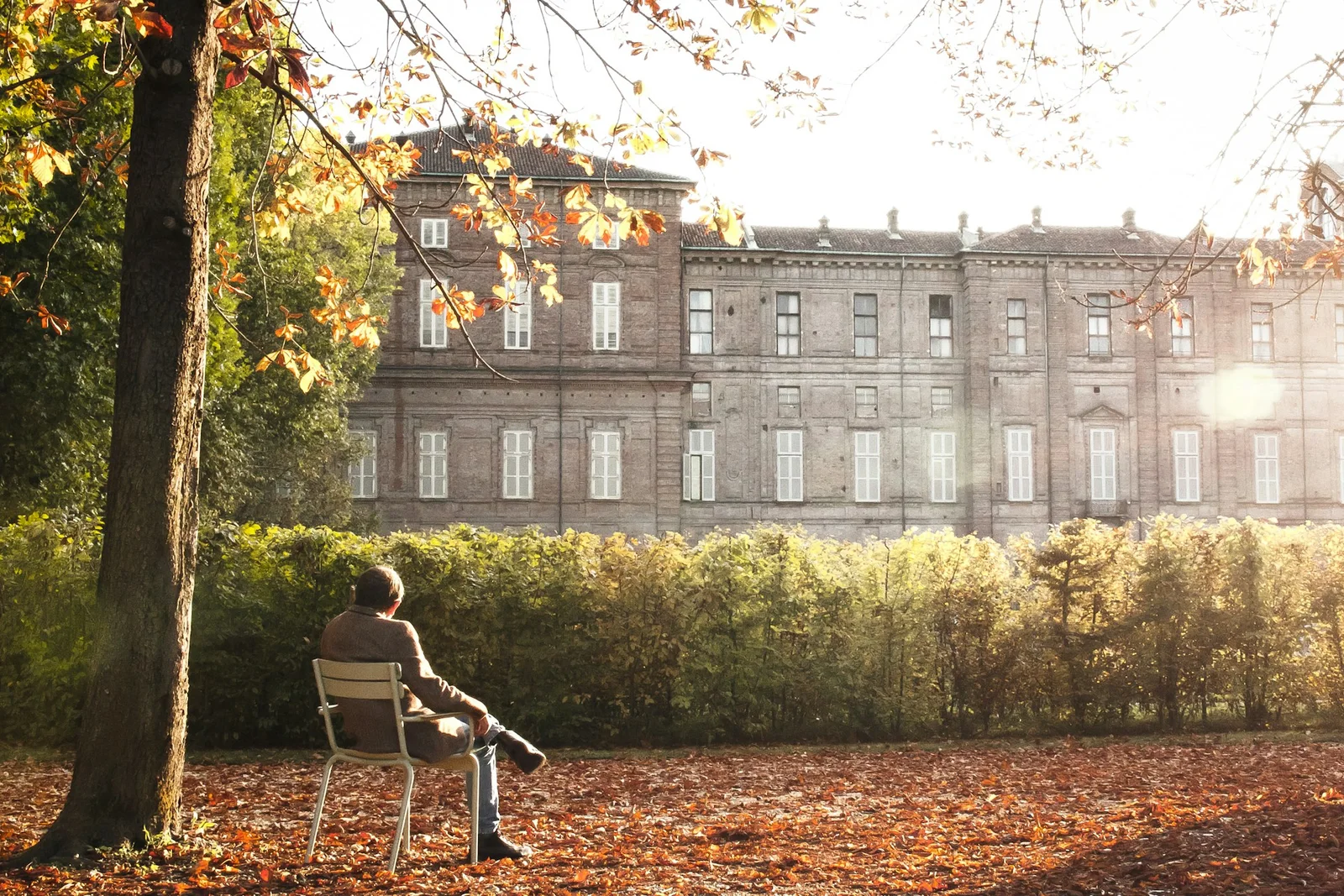
Spend the afternoon in Valentino Park, along the Po. This is where Turin becomes less ceremonial. Paths run through lawns and mature trees, and the river gives the city a more relaxed edge. In October, the park is especially pleasant for a long walk when the leaves begin to change but the days may still be mild.
The park contains the Castello del Valentino, associated with the House of Savoy and now used by the Polytechnic University, as well as the Borgo Medievale, a nineteenth-century recreation of a medieval village. The village is interesting for its gardens and atmosphere, but it does not need to dominate your afternoon. The strongest reason to come is the walk itself.
If you want to extend the route, continue along the river or cross towards the Borgo Po district. Alternatively, stop at a café and let the itinerary end early. Turin is one of those cities where an unplanned hour can be more memorable than a final attraction added out of obligation.
What to eat in two days
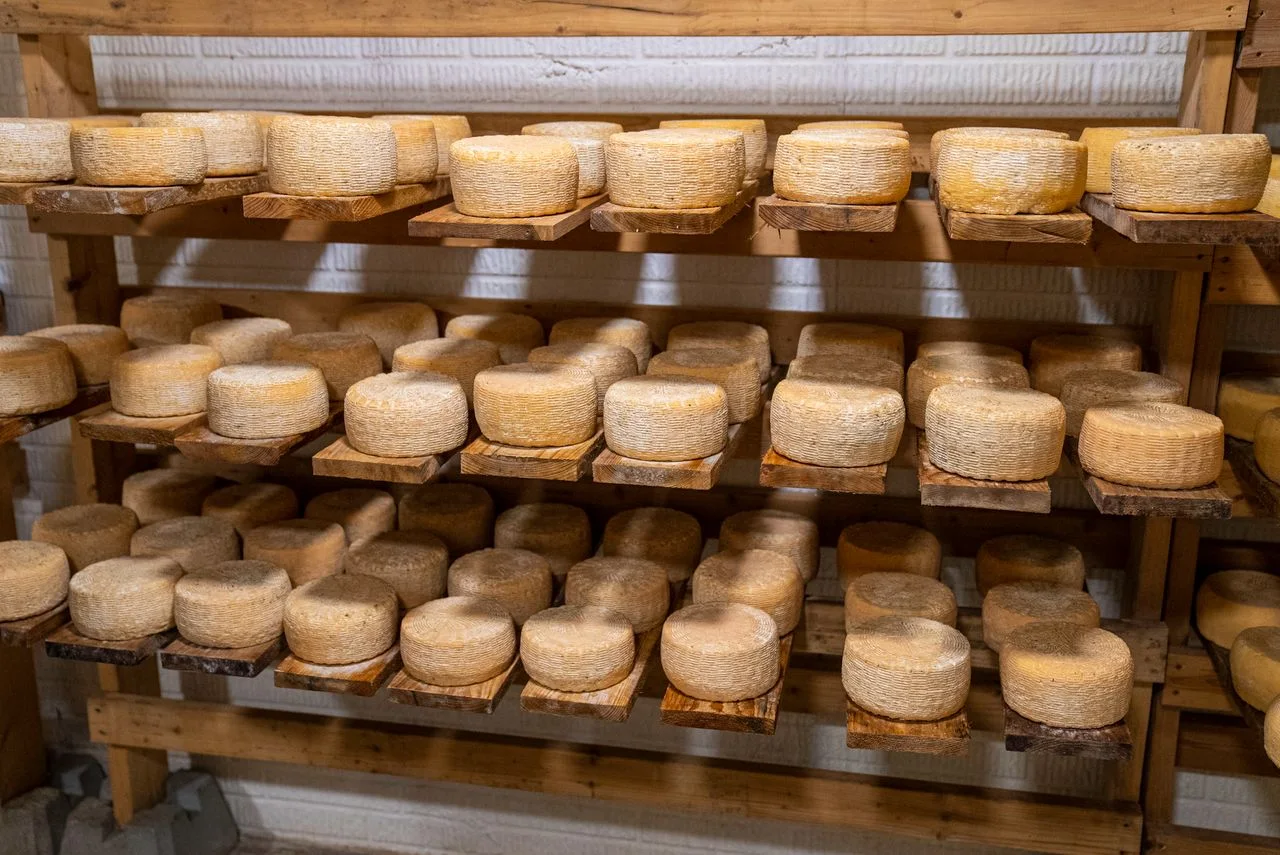
A short visit does not require a complete survey of Piedmontese cuisine. Focus on a few things that belong to Turin and its region: a bicerin, agnolotti del plin, vitello tonnato, Piedmontese hazelnuts, local cheeses and a glass of vermouth or regional wine. Chocolate is part of the city’s identity too, and the historic cafés remain the best setting for trying it.
Look for restaurants that change their menus with the season rather than places built entirely around a fixed idea of regional tradition. In October, mushrooms, pumpkin, chestnuts and autumn vegetables may appear on menus, although availability varies. Reservations are sensible for a carefully chosen dinner, especially on Friday and Saturday evenings.
What to skip on a short visit
Do not try to combine every major museum with an excursion outside the city. The Royal Palace, Egyptian Museum, National Museum of Cinema and a day trip to Venaria Reale could each justify substantial time. On a two-day break, choosing two major cultural visits is enough.
Venaria Reale is the clearest addition if you have a third day and want royal architecture with gardens and open space. It is a stronger choice for visitors who enjoy palace interiors, formal landscapes and a more expansive excursion. For a first two-day visit, however, staying within Turin usually creates the more coherent experience.
Where we’d stay
The historic centre is the practical choice for this itinerary. Around Piazza San Carlo and Piazza Castello, you can reach most of the main sights on foot and return easily to the hotel between walks. Via Po is a good base if you prefer a slightly more urban, lived-in setting with direct access to Piazza Vittorio Veneto and the Mole.
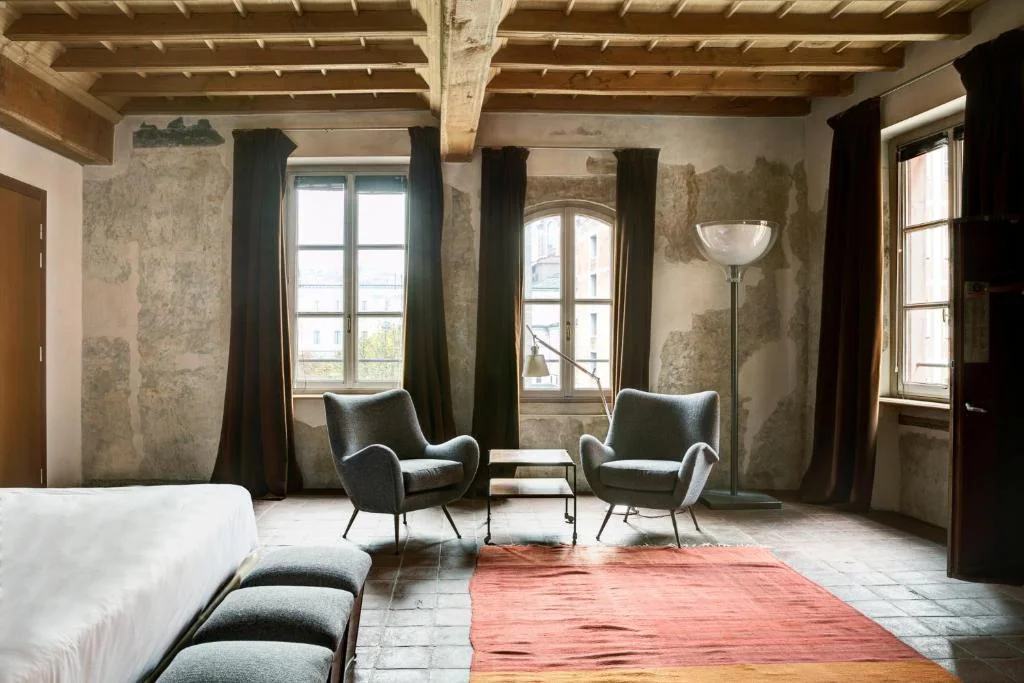
The Quadrilatero Romano suits travellers who want restaurants and evening atmosphere nearby. It can feel busier at night, while the streets immediately around the Royal Palace are quieter and more formal. Choose the area according to the kind of evenings you prefer; the distance between them is small enough that location is mainly about mood.
Practical notes for October
- Pack layers and a light waterproof jacket. October can bring mild afternoons, cool evenings and occasional rain.
- Use the arcades as part of the route rather than treating them only as shelter. They connect many of the central sights and make walking easier in unsettled weather.
- Book popular museums and restaurants ahead when possible, then leave open space around them.
- Check official museum and event websites for current opening days, ticket rules and temporary exhibitions.
- If you want an Alpine or countryside excursion, add a third day rather than compressing the city into a series of rushed stops.
- Allow time for coffee, aperitivo and bookshops. They are not extras in Turin; they are part of the reason to come.
Our take
Turin is worth two days in October because it offers a rare balance: enough cultural substance to fill a weekend, and enough everyday ease to keep the itinerary from becoming tiring. The city’s strongest pleasures are close together but not repetitive. A palace leads to a garden, a bookshop to a café, an arcade to a river walk.
Come for the museums if you like, but leave room for the city between them. Turin is at its best when the schedule loosens: coffee in an old room, leaves along the Po, a late walk beneath the portici and dinner chosen because the street looked inviting. That is the October version of the city, and it is the one most worth your time.
20 things to see and do in Turin
Turin rewards wandering, so treat this as a menu rather than a checklist. For a first visit, choose a museum or two, then leave time for the cafés, arcades and river.
- Piazza Castello — Start in the city’s grand central square.
- Palazzo Reale — Step into Turin’s royal past at the former Savoy residence.
- Palazzo Madama — Admire the contrast between its medieval towers and Baroque façade.
- Museo Egizio — Make time for one of Turin’s most absorbing museums.
- Piazza Carignano — Pause among elegant buildings before moving on to the next sight.
- Palazzo Carignano — Visit for its striking architecture and Italy’s unification story.
- Piazza San Carlo — Sit down for a coffee and watch the city go by.
- The historic cafés — Try bicerin, Turin’s layered chocolate and coffee drink.
- Mole Antonelliana — Look for the city’s unmistakable landmark above the rooftops.
- The National Museum of Cinema — Explore the museum inside the Mole, or take the panoramic lift for the view.
- Via Po — Walk beneath the arcades towards the river.
- Piazza Vittorio Veneto — Stop at this broad square before crossing the Po.
- Monte dei Cappuccini — Go in the late afternoon for a view back across Turin.
- Parco del Valentino — Slow down with a walk beside the river.
- The Quadrilatero Romano — Explore the old streets, small shops and places to eat.
- Porta Palazzo market — See a livelier, everyday side of the city.
- Borgo Dora — Wander its streets and browse the antique stalls when the market is on.
- San Salvario — Come for its neighbourhood atmosphere and an evening drink.
- Basilica di Superga — Head up to the hilltop basilica when you have time to venture beyond the centre.
- Lingotto and Pinacoteca Agnelli — See a different side of Turin through its industrial and design heritage.
For a short stay, we would start with the historic centre, choose either the Egyptian Museum or the Cinema Museum, and save an unhurried walk to Monte dei Cappuccini for the end of the day.