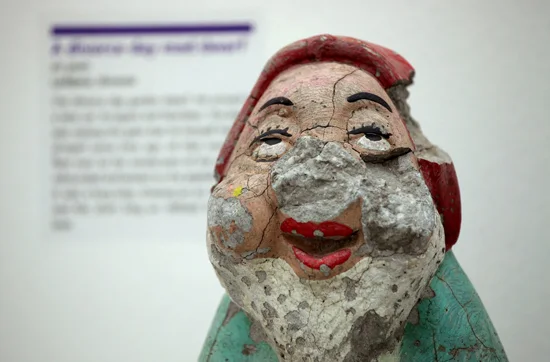
There are museums devoted to empires, inventions, battles and masterpieces. Then there is the Museum of Broken Relationships Zagreb, where the collection may include a wedding dress, a kitchen appliance, a child’s toy, a key or an object so ordinary that it would pass unnoticed in any other room. Here, however, each thing carries a story about an ending.
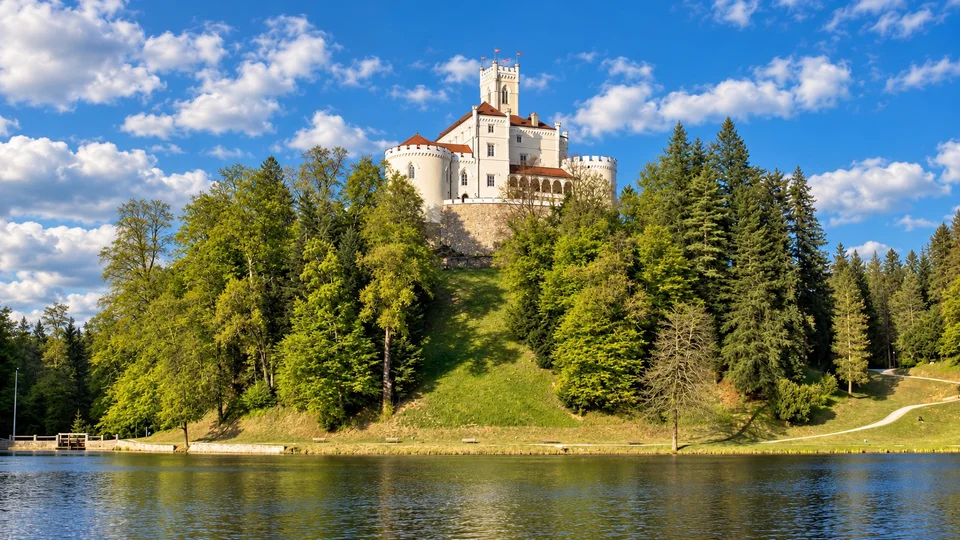
The museum occupies a baroque palace in Zagreb’s Upper Town, close to St Mark’s Church and the Lotrščak Tower. Its setting is formal and historic; its contents are intimate, contemporary and often disarmingly small. The contrast is part of the experience. In rooms that resemble a conventional museum, visitors encounter the emotional debris of lives lived elsewhere: gifts that outlasted their givers, souvenirs that became unbearable, and possessions preserved because forgetting proved more difficult than expected.
A museum born from an ending
The idea began with Croatian artists Olinka Vištica and Dražen Grubišić, who had been a couple before their relationship ended. Rather than dividing or discarding the objects left behind, they imagined giving them another life as an exhibition. What began as a temporary artistic project in 2006 grew into a travelling collection and eventually found a permanent home in Zagreb in 2010.
That origin matters. The museum is not presented as a clinical study of failed romance, nor as a shrine to misery. It is closer to a ritual of reclassification. An object that once belonged to two people becomes part of a public archive. The private meaning is not erased, but it is placed in a new context—one where strangers can recognise something of themselves in it.
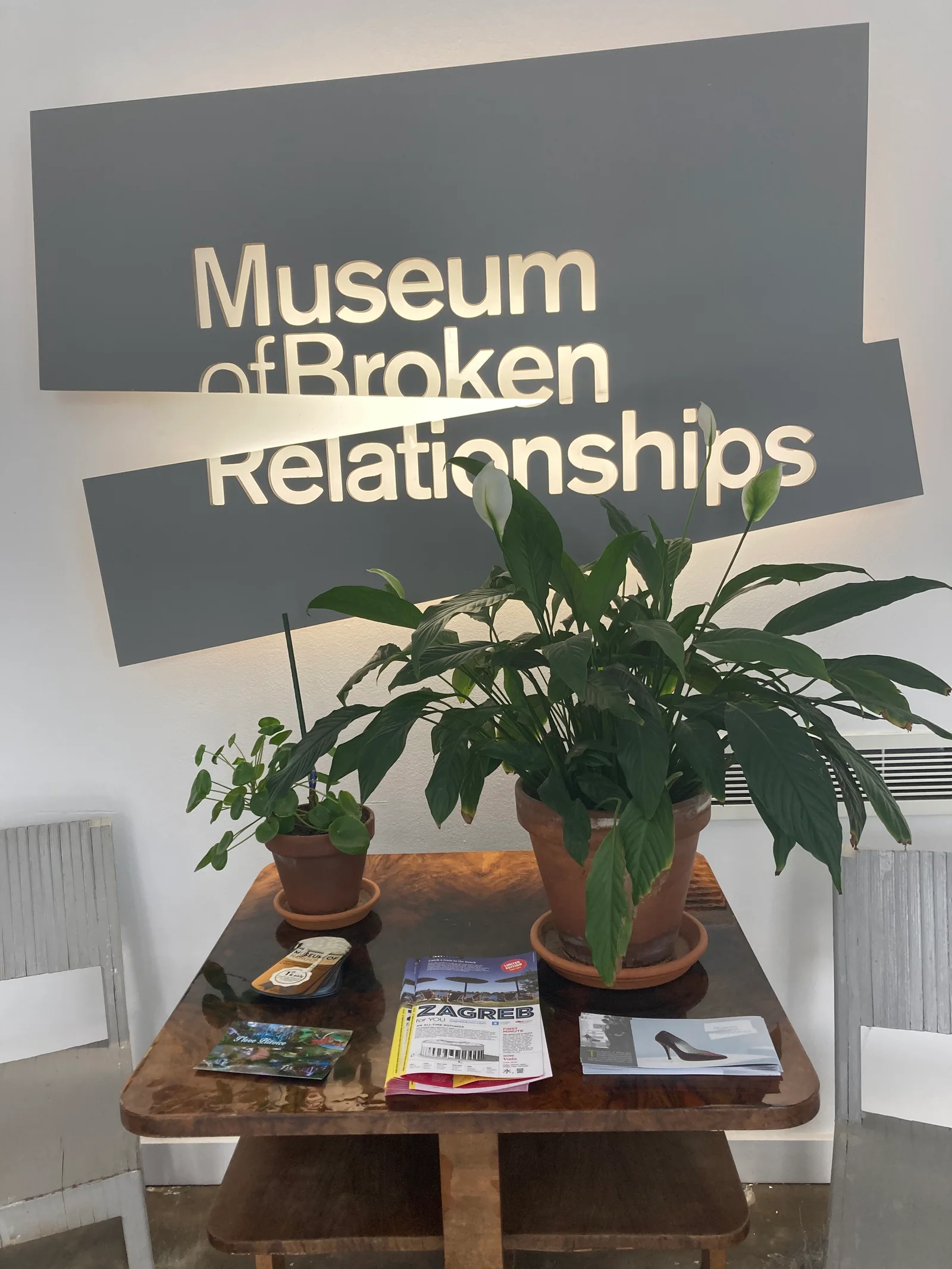
The museum’s wider collection has continued to grow through donations from people around the world. The contributors are generally anonymous, and the objects are displayed with short texts that explain what happened, or at least what the donor chose to remember. Some accounts concern romantic relationships; others touch on friendships, family ties, brief encounters, possessions and forms of attachment that do not fit neatly into a single category.
The power of the ordinary object
The Museum of Broken Relationships works because it understands that memory rarely attaches itself to the grandest objects. A diamond may symbolise a marriage, but so can a chipped mug. A photograph may preserve a face, while a discarded household item can preserve the atmosphere of an entire period of life.
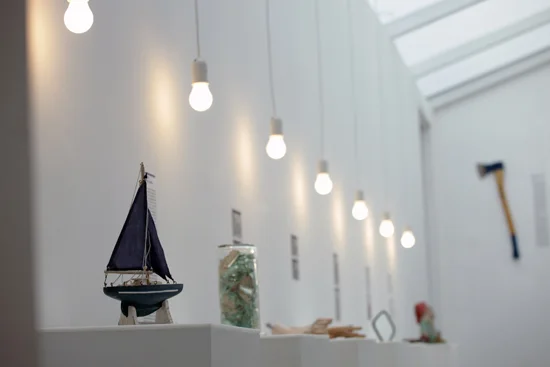
The objects on display are often visually unremarkable. Their significance emerges through the accompanying text, which supplies a fragment of the relationship’s geography: where the couple met, what they believed would last, what changed, and why this particular thing survived the breakup. The writing is concise, leaving gaps that visitors instinctively fill with their own experiences.
That restraint is important. The museum does not offer complete biographies or tidy resolutions. It offers evidence. A possession, detached from its original home, becomes a kind of emotional artefact. Its value is no longer monetary or practical; it lies in its ability to make an invisible history briefly tangible.
Heartbreak, with room for humour
A visit is not an unbroken descent into sadness. The collection moves through grief, anger, tenderness, embarrassment, relief and absurdity. Some stories are devastating; others are funny in the way that only hindsight can make them funny. A few objects seem almost comically disproportionate to the events they represent, which is precisely the point. Emotional importance has never followed a rational scale.
Humour also gives the museum breathing room. Visitors may move from a story of profound loss to one about an unwanted souvenir or a seemingly trivial domestic disagreement. The change in tone reflects the unpredictability of real relationships. Love does not end in a single emotional register, and neither does the process of remembering it.
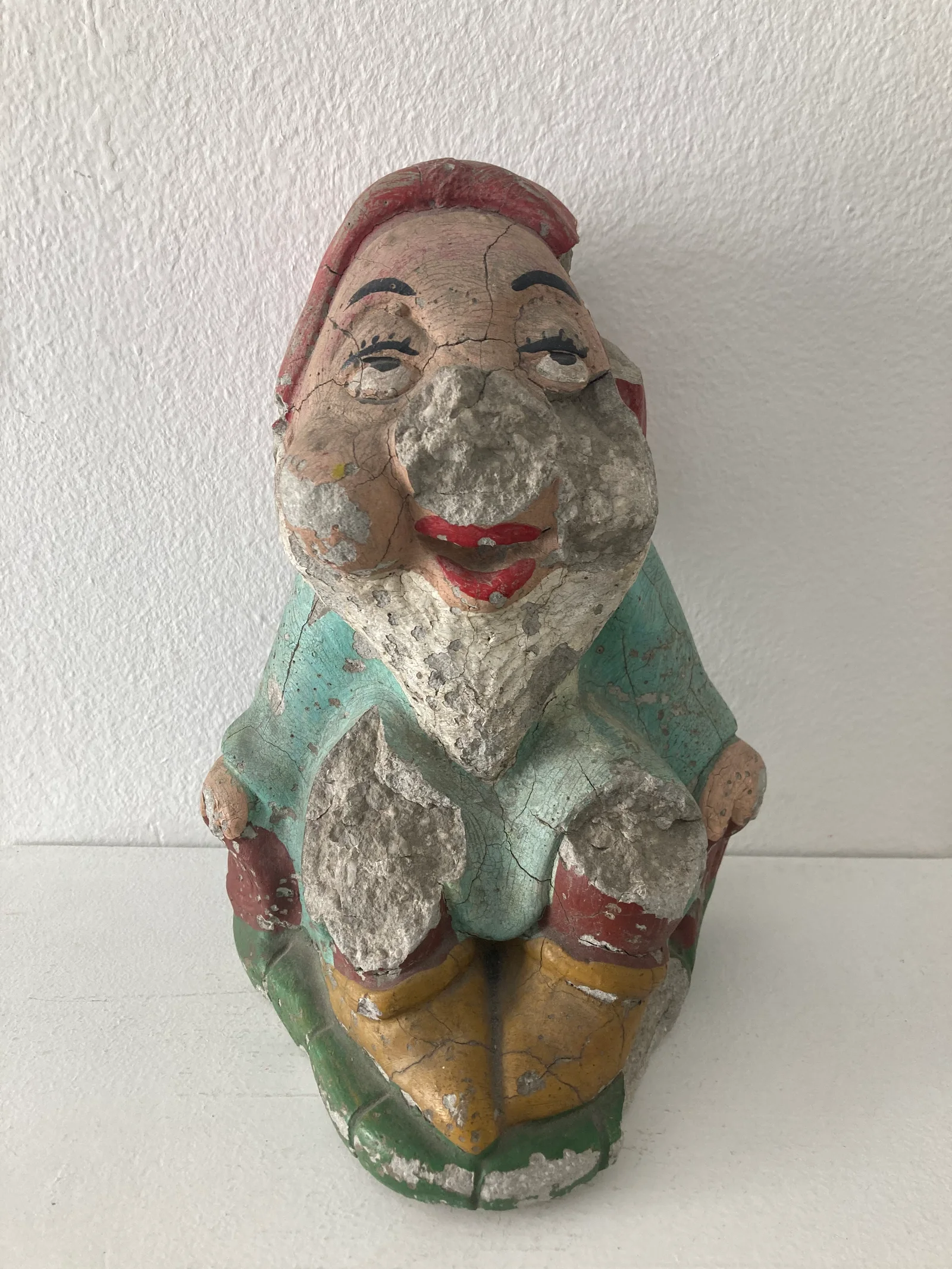
The result is unusually humane. The museum neither romanticises every past relationship nor treats failed love as a punchline. Instead, it allows contradictory feelings to coexist. Something can have been foolish and meaningful, painful and formative, over and not entirely gone.
A shared archive of private lives
Most museums begin with the assumption that an object has public significance. This one asks visitors to reconsider that hierarchy. Why should a famous painting deserve preservation while an everyday object connected to a private life does not? The museum’s answer is not that every possession belongs in a gallery. It is that personal experience can produce its own form of history.
The anonymous labels create an unusual intimacy. There are no celebrity names to distract from the stories and no social status to determine whose memories matter. A donor from one country may recognise the emotional logic of an object donated from another. The details differ, but the patterns repeat: the promise that seemed permanent, the item kept after the person left, the moment when an object changed from beloved to unbearable.
This is where the Museum of Broken Relationships Zagreb becomes more than a collection of curiosities. It is a democratic archive of attachment. Its exhibits suggest that the history of love is not only recorded in letters, portraits and public monuments. It is also stored in drawers, cupboards and boxes—the places where people keep what they are not yet ready to understand.
The emotional rhythm of the rooms
The museum does not demand a single correct reaction. Some visitors move through it in silence. Others talk quietly, laugh at familiar absurdities or find themselves unexpectedly moved by a line of text. The atmosphere can shift from room to room, depending on the mix of exhibits and the crowd around you.
Because the stories are short, the experience has a particular rhythm. You encounter an object, read its account, imagine the absent relationship and then continue. That sequence repeats, gradually creating an emotional accumulation. No single exhibit needs to explain heartbreak. Together, they show its many forms.
The museum’s intimacy can also make it feel different from a standard sightseeing stop. This is not a place to rush through while checking off an attraction. It asks for a measure of attention and discretion. The stories may belong to strangers, but they are not merely content. They are offered remnants of real lives.
Why the setting in Zagreb matters
The museum is located in the Upper Town, one of Zagreb’s most atmospheric areas. Medieval streets, historic churches, tiled roofs and steep lanes provide a textured backdrop for a collection concerned with memory and change. The walk up from the central square, whether by foot or by Zagreb’s short funicular route, creates a small transition from the city’s commercial centre into a quieter historic quarter.
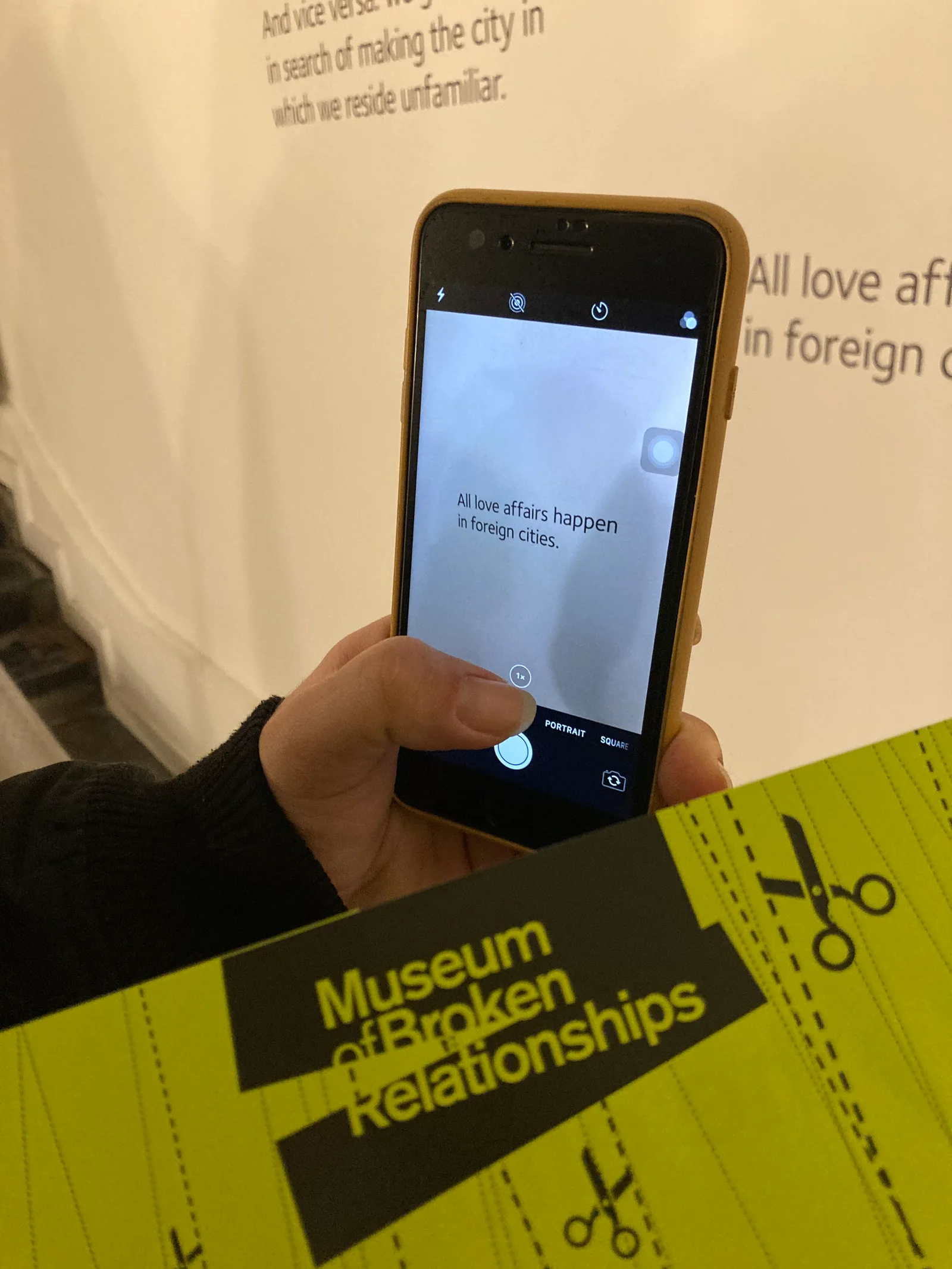
Inside the museum, the city’s architectural past meets the emotional present. The palace gives the objects a sense of permanence, while the stories insist that every relationship is subject to time. A broken romance is not preserved because it continued; it is preserved because it happened.
Afterward, the surrounding Upper Town is well suited to reflection. St Mark’s Church, Lotrščak Tower, St Catherine’s Church and the nearby streets can be explored on foot. The museum also has a shop, and the broader area offers cafés and places to pause before returning to Zagreb’s busier central streets.
A visit for couples, solo travellers and the recently heartbroken
The museum is sometimes treated as an unusual date destination, and it can be one—provided both people are comfortable with its subject matter. It can also be a memorable stop for friends, families or solo travellers. The experience does not depend on having a dramatic breakup story of your own. Even visitors in happy relationships may recognise the vulnerability, projection and hope that the objects contain.
For someone in the immediate aftermath of a breakup, the museum may feel either consoling or too close to the wound. There is no virtue in forcing the experience. The collection is not therapy, and it does not promise closure. What it can offer is perspective: the reminder that intense private pain is part of a much larger human pattern, and that an ending can eventually become something other than an ending.
The museum is especially effective for travellers who enjoy places that complicate the usual idea of a cultural attraction. It is not grand in scale, and it does not rely on rare objects or spectacular interiors. Its appeal is conceptual and emotional. You leave with no masterpiece to photograph, but perhaps with a changed understanding of the things people keep.
What to know before you go
The Museum of Broken Relationships is at Ćirilometodska 2 in Zagreb’s Upper Town. It is generally easy to include in a walking itinerary that begins around Ban Jelačić Square and continues through the historic centre. The funicular provides another route toward the Upper Town, although walking is also straightforward for visitors comfortable with hills and steps.
Allow roughly 45 minutes to an hour if you want a focused visit, and longer if you tend to read every account carefully. The museum is not large, but its emotional density can make it feel slower than its footprint suggests. Visitors with limited time should prioritise the stories rather than trying to memorise the objects.
- Check the museum’s official visitor information shortly before travelling, as opening hours, holiday closures and admission arrangements can change.
- Expect an indoor visit with written stories as the main interpretive format.
- Bring patience rather than a strict timetable; the most affecting exhibits may not be the most visually striking.
- Treat the displays respectfully and avoid turning intimate stories into photo opportunities.
- Combine the museum with a walk through Zagreb’s Upper Town, including nearby historic landmarks and cafés.
The museum shop and the afterlife of objects
The museum’s shop extends its central idea into the world of souvenirs. Rather than selling only conventional Zagreb mementoes, it offers playful and sometimes bittersweet objects connected to memory, heartbreak and the act of letting go. The tone is lighter than the exhibition, but the relationship is clear: even a souvenir can become a future artefact.
This is not simply commercial decoration. It reflects the museum’s interest in transformation. A breakup leaves behind objects, but objects can also be redesigned, reinterpreted or given a new role. The shop’s products suggest that remembrance does not always have to be solemn. Sometimes the first step toward moving on is being able to make something strange, useful or funny out of what once hurt.
What remains after the relationship ends
The most moving insight of the Museum of Broken Relationships Zagreb is that a relationship does not disappear simply because it ends. Its physical traces may be removed, sold or donated, but its influence remains in habits, stories, places and objects. The museum gives those traces a temporary public home.
That does not mean the collection asks us to preserve every memory forever. On the contrary, donation can be understood as a form of release. The object is no longer required to perform its old role. It need not be hidden, displayed in a home or thrown away in anger. It can become evidence of a chapter that mattered, even if the chapter could not continue.
In a city already rich with formal history, the museum offers another kind: small-scale, anonymous and emotionally exact. Its archive is made not of kings or generals but of people trying to decide what their past means. The objects are modest. The feelings are not.
That is why the museum lingers after the visit. You may remember an especially strange exhibit or a line that made you laugh, but you are just as likely to think about something in your own home: an old ticket, a piece of clothing, a key, a book, a photograph. The museum quietly asks what those objects are doing there—and whether they are keeping the past alive, or helping you place it somewhere new.
The final impression
The Museum of Broken Relationships is an unusual attraction because it does not offer escape from human feeling. It offers recognition. In its rooms, private heartbreak becomes a shared story without losing its privacy, and ordinary possessions acquire the weight of testimony.
For travellers in Zagreb, it is a thoughtful counterpoint to the city’s grander sights: a museum about absence in a place shaped by history, a collection of endings housed in a building designed to endure. Come for the curiosity, stay for the stories, and leave with a more generous understanding of what people carry—and what they eventually choose to put down.