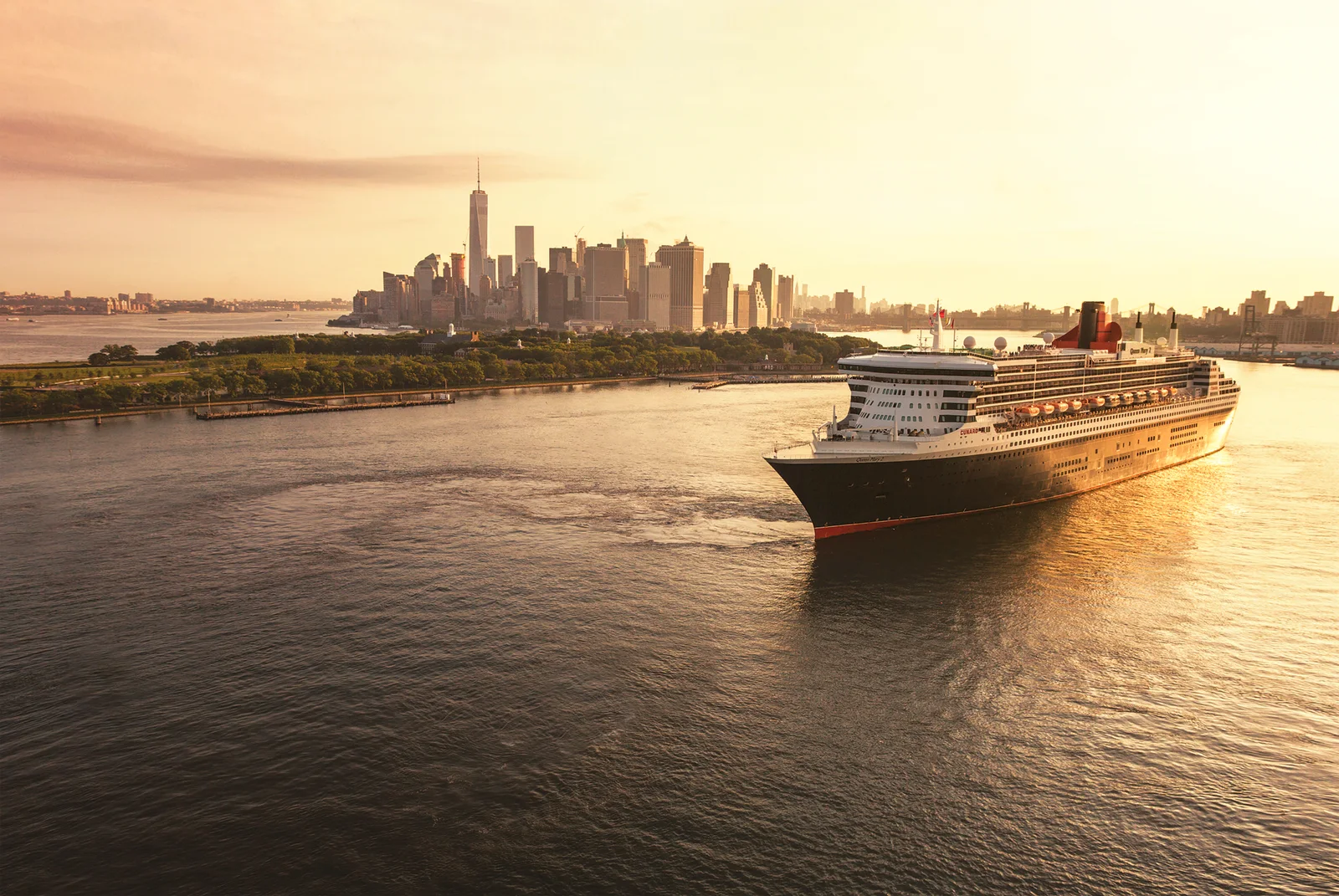
A Queen Mary 2 crossing is one of the few journeys where the route matters as much as the arrival. Cunard’s flagship was built for the Atlantic, and the seven nights between Southampton and New York are deliberately free of ports, transfers and sightseeing schedules. The reward is time: time to read, dress for dinner, walk the deck, listen to a lecture or simply watch the horizon change. It is a strong choice for travellers who enjoy a sense of occasion and are happy to let the days unfold slowly. It is less suitable if you need constant novelty or prefer a holiday built around excursions.
Route: Southampton to New York, or the reverse
Duration: usually seven nights, with six full sea days after departure or before arrival
Ship: Queen Mary 2, Cunard’s purpose-built ocean liner
Best for: travellers who value atmosphere, space, ceremony and unhurried days
Our view: choose the crossing for the experience of being at sea, not simply as an alternative to flying
Price guide: Cunard’s published fares vary by date, cabin and offer. A seven-night Southampton–New York sailing in September 2027 was advertised from $1,529 per person in a Britannia inside stateroom, based on two people sharing and including taxes and fees. Prices change frequently, so treat this as a guide rather than a fixed fare.
Why Queen Mary 2 still feels different
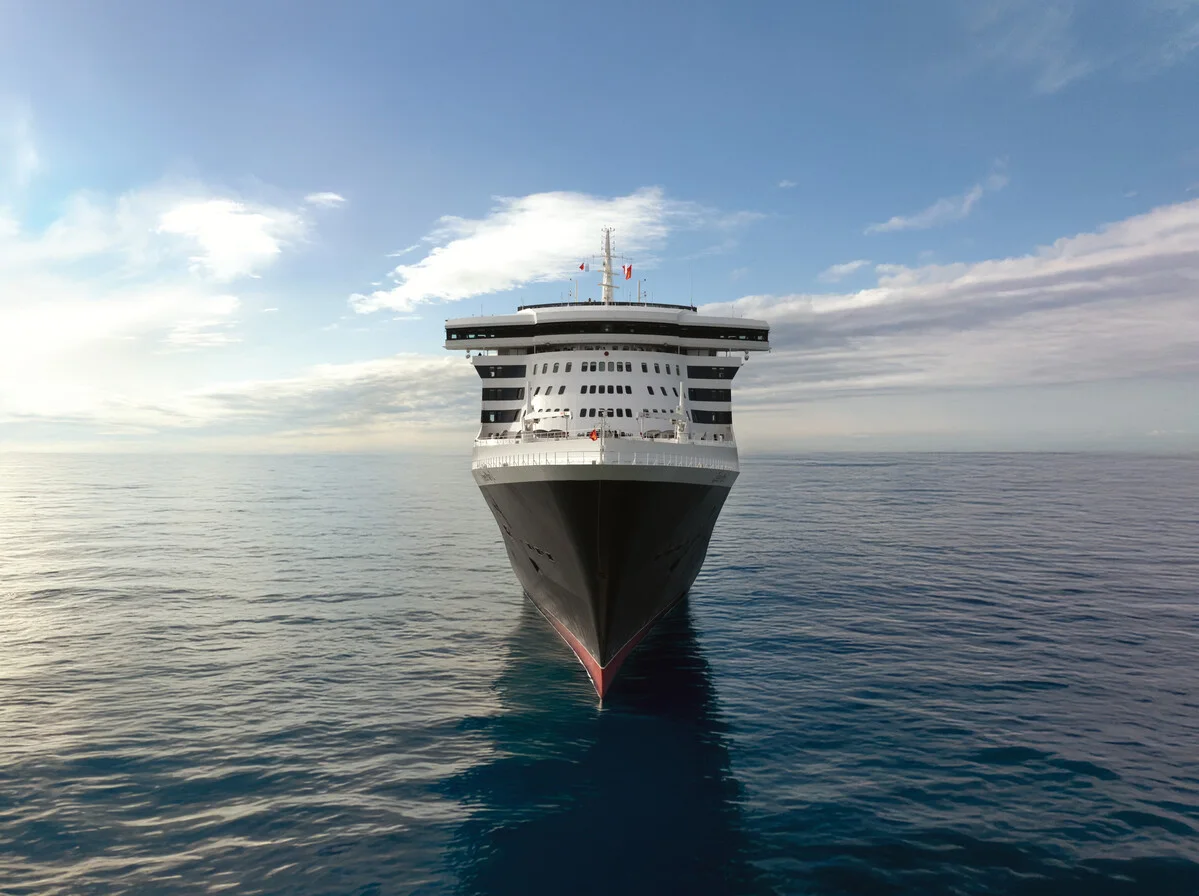
Queen Mary 2 is not simply a cruise ship with an Atlantic itinerary. She is an ocean liner, designed for long-distance passages, open water and a faster, more stable crossing than a vessel intended mainly for island-hopping. Her scale is considerable, but the atmosphere is more residential than resort-like. There are broad decks, a proper library, lounges with comfortable seating and enough corners to disappear into for an afternoon.
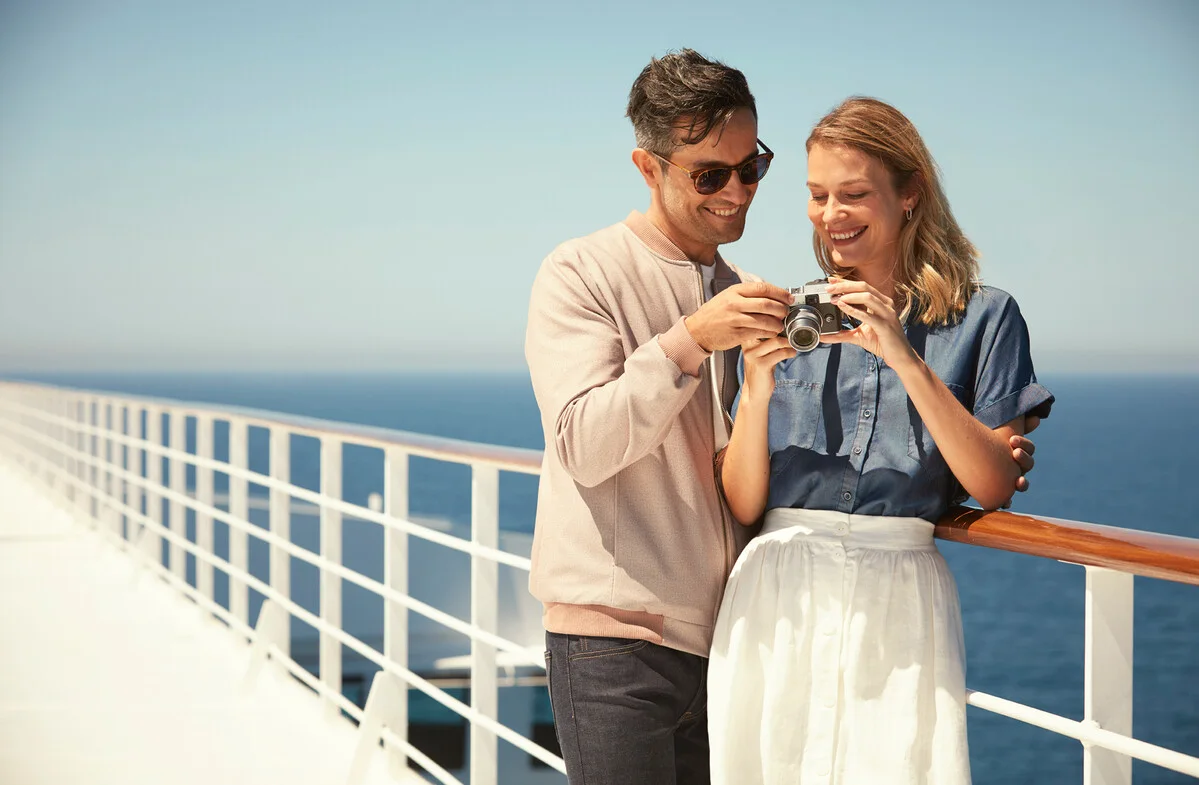
That distinction shapes the experience. Sea days are not an interruption between destinations; they are the main event. You can fill them with activities, but you do not have to. The best moments may be the less organised ones: a coffee before breakfast, a walk around the promenade deck, a book in the library or a late drink while the ship moves steadily through the dark.
Cunard’s long Atlantic story
Cunard’s connection with the North Atlantic began in the nineteenth century. The company’s first regularly scheduled transatlantic steamship service began in 1840, linking Britain and North America at a time when ocean travel was transforming communication, commerce and migration. The great liners that followed became part of the social and cultural history of the Atlantic, carrying passengers between Southampton and New York in an age when the crossing itself was a significant event.

Queen Mary 2 was conceived as a modern continuation of that tradition. Construction began in 2002 at Saint-Nazaire in France, and she entered service in 2004 after being christened by Queen Elizabeth II. She was designed to be the largest, longest and most expensive ocean liner of her time and remains the only liner offering regularly scheduled transatlantic crossings between Southampton and New York.
The historical references are present without turning the ship into a museum piece. There are formal dinners, afternoon tea in the Queens Room, traditional public rooms and a strong sense of dress in the evenings. At the same time, the ship has contemporary entertainment, wellness facilities, restaurants, a cinema and a planetarium. The balance is part of the appeal: the past is visible, but the experience is not preserved in amber.
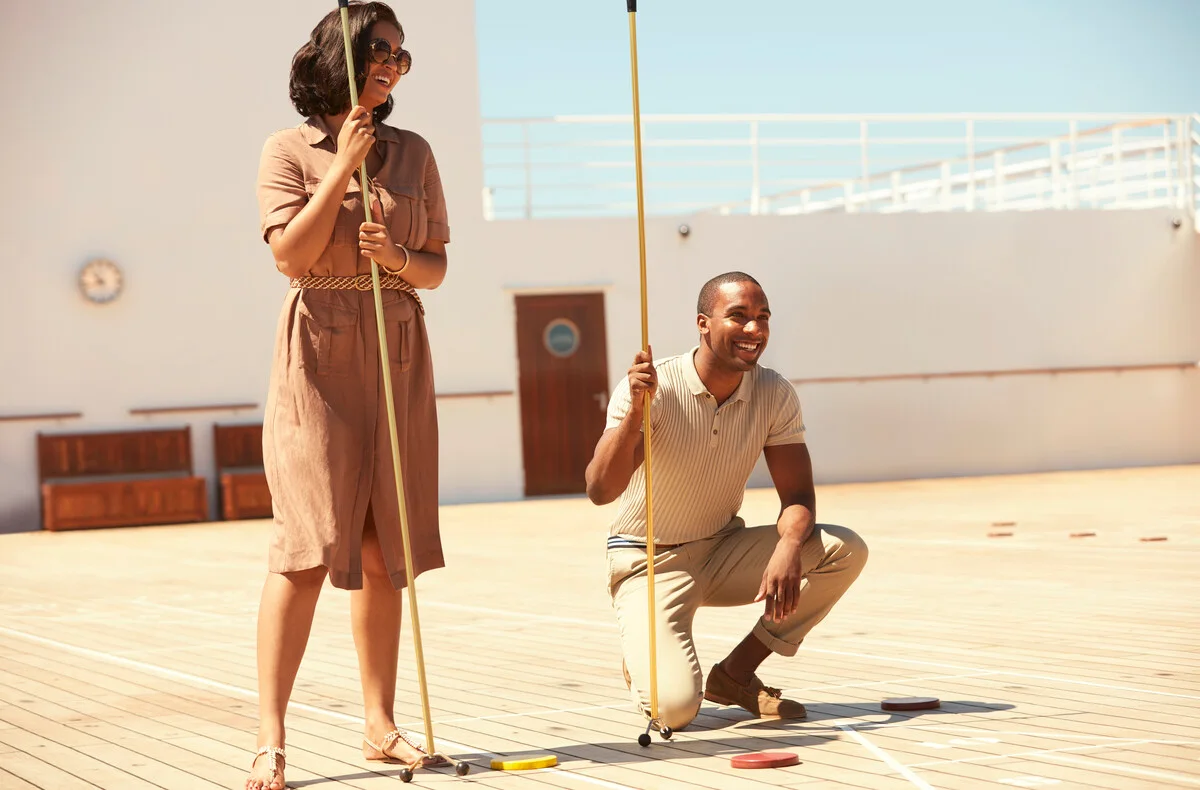
A day on board
There is no single correct way to spend a day on Queen Mary 2. Cunard publishes a daily programme with talks, classes, tastings, performances and social activities, but the schedule works best as a menu rather than an obligation.
Begin slowly with breakfast in the dining room or in your stateroom, followed by a walk around the wraparound promenade deck.
Choose one daytime activity, such as a lecture, cookery demonstration, quiz, fitness class or film in Illuminations.
Make time for the library. It is one of the ship’s most convincing spaces and gives the sea day a quieter rhythm.
Have afternoon tea in the Queens Room if the ritual appeals to you. It is one of Cunard’s signature traditions and a good reason to dress slightly smarter than usual.
Use the late afternoon for the spa, a swim, a second walk or an unplanned hour in a lounge. The ship is large enough that you will rarely feel confined.
Dress for dinner according to the evening’s programme. Formal nights are central to the Cunard experience, not an optional theatrical extra.
End the day with live music, a theatre performance, a drink in the Chart Room or Commodore Club, or a final walk outside if the weather allows.
The pace is particularly attractive for people who enjoy structure without being hurried. There is always something available, but the ship does not require you to keep moving. You can have an active day and still feel as if you have rested.
What deserves your time
The promenade deck is the essential starting point. It gives you a sense of the ship’s proportions and makes the Atlantic visible as a constantly changing presence rather than a backdrop behind a balcony door. Go early in the morning, before breakfast, when the deck is usually at its quietest.
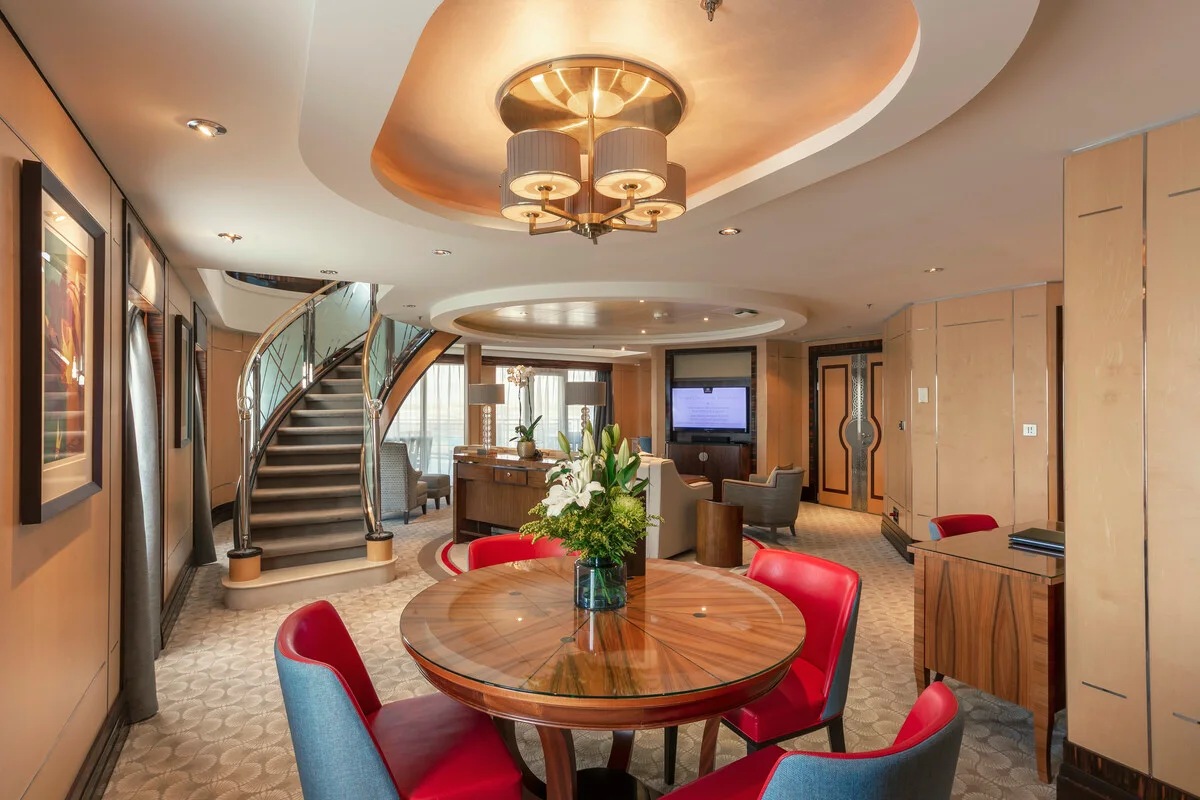
The Queens Room is worth seeing even if you are not drawn to afternoon tea or ballroom dancing. It is one of the grander public spaces on board and helps explain Cunard’s particular style. The library is another priority, especially on a crossing when you have the time to use it properly. A lecture or an evening performance can also add shape to the days, though the quality and subject matter will vary by sailing.
Food, dining and the dress code
Dining is an important part of the Cunard identity. Main dining is included in the cruise fare, while some speciality restaurants, drinks and selected experiences cost extra. The best approach is to understand what is included before booking, then decide whether the speciality options add something meaningful to your trip.
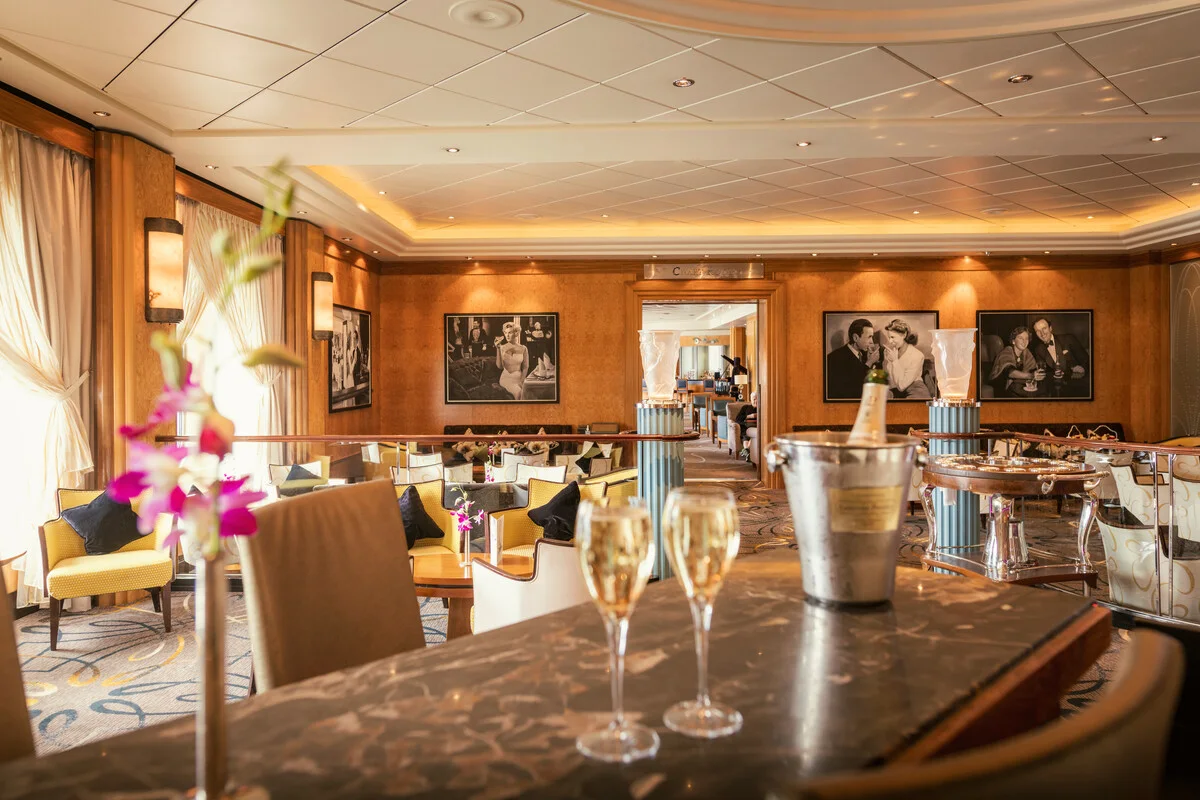
The formal evenings are a genuine part of the crossing rather than a decorative suggestion. Cunard’s dress guidance varies by sailing, but passengers should expect some evenings to be more polished, with suits, dinner jackets, dresses and eveningwear common in the public rooms. You do not need an entirely new wardrobe, but you should be comfortable with the idea that dinner may involve making an effort.
This will appeal to some travellers and irritate others. If you dislike dressing for dinner or prefer an entirely informal ship, Queen Mary 2 may feel too traditional. If you enjoy the small ceremony of changing for the evening, it gives the crossing a satisfying sense of occasion.
Choosing a cabin
The right cabin depends on how you expect to use the ship. An inside stateroom can make financial sense because much of the crossing takes place in public spaces, and the ship offers plenty of places to sit with a sea view. An oceanview cabin adds daylight but may not provide the same outdoor feeling as a balcony. A balcony is most valuable if you know you will use it for quiet mornings, private reading or room service.
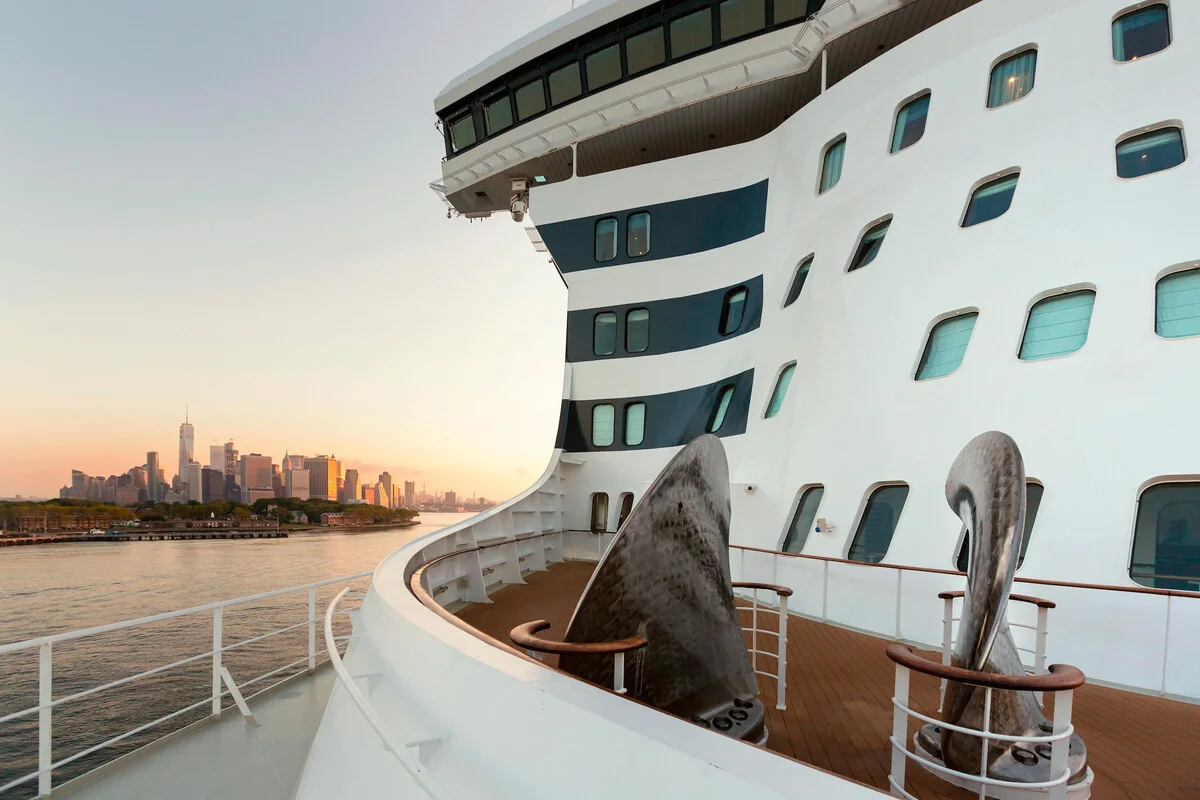
For most first-time passengers, we would put the money into the overall voyage rather than stretching for the highest cabin category. The Grills experience, which includes Princess Grill and Queens Grill accommodation with more exclusive dining and service, is a different proposition and can be worth considering for a special occasion. It is not necessary to understand what makes Queen Mary 2 distinctive.
How much does Southampton to New York cost?
Fares change according to season, demand, cabin type, booking conditions and promotions. Cunard’s American website lists fares in US dollars, generally based on two people sharing, with taxes and fees included in the displayed fare. A published seven-night Southampton–New York sailing in September 2027 was listed from $1,529 (approximately €1,365) per person in a Britannia inside stateroom. This provides a useful price benchmark, but it should not be treated as a standard fare for every departure. For travellers with flexible dates, last-minute deals can sometimes offer exceptional value, with seven-night crossings advertised for as little as £619 (approximately €735) per person.
However, these offers are subject to availability and can change quickly.The cheapest fare is not always the best value. Check what the booking includes, whether it is refundable, which dining arrangements apply and whether drinks, gratuities, Wi-Fi, excursions or speciality dining are additional. A slightly higher fare can be preferable if it gives you more flexible conditions or a cabin location you actually want.
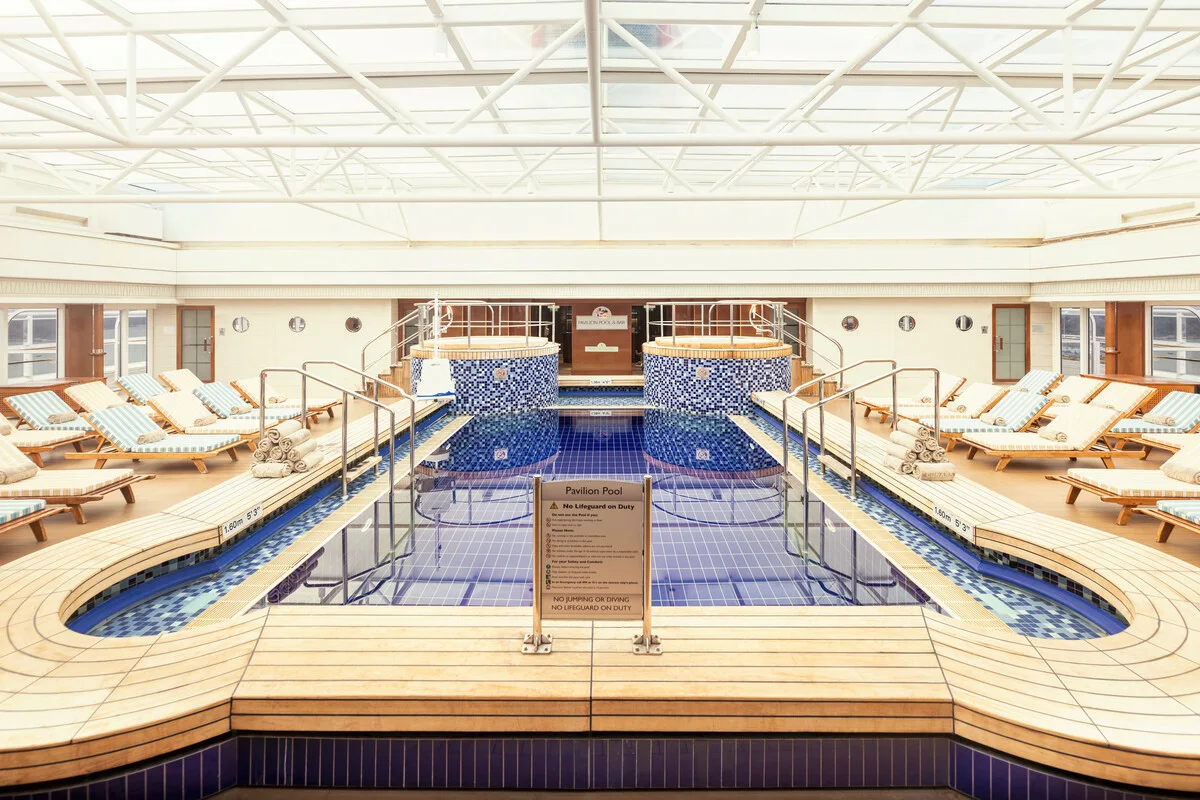
The timing of the booking matters too. Popular summer departures, themed sailings and crossings linked to special anniversaries can sell quickly. If your dates are fixed, book early enough to have a reasonable choice of cabin. If your dates are flexible, compare several crossings and look at the total cost rather than the headline fare alone.
You can find more information here.
The planned 2027 refurbishment
Cunard has announced a substantial refurbishment of Queen Mary 2 for 2027. The plans include refreshed accommodation, updated Britannia and Britannia Club staterooms, redesigned bathrooms in selected areas, new interiors and bathrooms in the Grill Suites, improved wellness and beauty facilities, redesigned boutiques and an enhanced entertainment programme.
The kennels will also be upgraded for guests travelling with dogs, one of the features that makes Queen Mary 2 unusual among major passenger ships. Cunard has presented the work as a careful modernisation rather than a reinvention. That is the right approach for this ship: her character depends on the public rooms, proportions and sense of ceremony, so replacing those elements with a generic contemporary cruise aesthetic would weaken the experience.
If you are travelling after the refurbishment, confirm the sailing dates and the areas affected before booking. Refit schedules and the exact availability of facilities can change, and not every cabin or public space will necessarily receive the same treatment at the same time.
Who should skip it?
A transatlantic crossing asks for patience. There are no ports to break up the journey, and the weather can change the atmosphere of the sea days. Some passengers find the lack of visual variety deeply restful; others become restless after two or three days. If your ideal holiday involves early starts, multiple destinations and a long list of sights, a Queen Mary 2 crossing may feel slow rather than restorative.
It is also worth knowing that Cunard’s traditional style is part of the package. Service is formal, public spaces can feel grand and the evening dress code is more pronounced than on many contemporary cruise lines. That is precisely why many passengers choose it, but it should be a conscious decision.
Our take
Queen Mary 2 is worth the time if you see the Atlantic crossing as the destination. The ship offers enough history and ritual to make the voyage feel distinct, while its library, decks, lounges and daily programme give the seven nights a comfortable rhythm. The experience is not about collecting activities or maximising value by the hour. It is about allowing a familiar route to become a proper journey.
For a first visit, seven nights is the right length. It gives you time to understand the ship, settle into the routine and enjoy several days at sea without making the experience feel endless. We would choose a cabin within a sensible budget, reserve the crossing around the atmosphere we wanted, and leave enough space in the itinerary for the most important plan of all: having nowhere else to be.