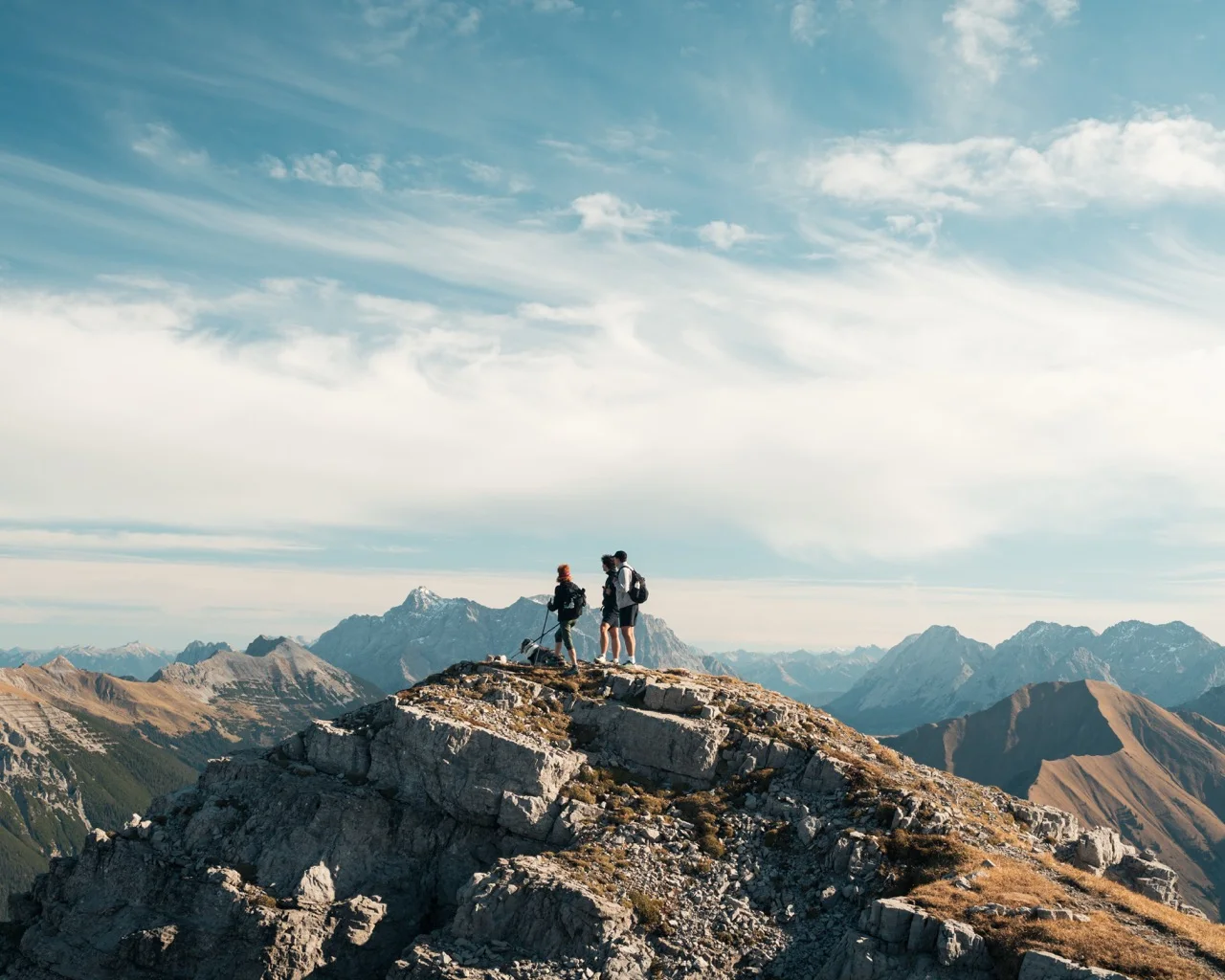
Autumn brings a useful mix to Austria: colourful Alpine landscapes, harvest traditions, seasonal food and cooler days for exploring its cities. Hiking and cycling remain possible in many regions, while wine taverns, local festivals and autumn menus give the season its own character. Depending on dates and availability, travellers may also find quieter trails and better hotel value than in high summer.
These are the reasons we would prioritise when planning an autumn trip to Austria — and the experiences worth making time for.
1. The Austrian Alps are at their most colourful
Late September and October bring turning leaves, mild temperatures and often clear skies to the Austrian Alps. The landscape changes quickly, from green mountain pastures to forests in shades of gold, amber and red. This is a particularly good season for travellers who want Alpine scenery without the intensity of the summer months.
2. Hiking and biking are especially enjoyable
Austria offers hiking and cycling throughout the year, but autumn combines cooler temperatures with colourful surroundings and, in many places, quieter trails. There is a wide choice of terrain and difficulty.
Hikers can follow the legendary Streif in Kitzbühel, explore the High Mountain Nature Park Zillertal Alps or take on the three-day Arlberg Trail, which connects Lech, Zürs, Stuben, St. Anton and St. Christoph. For families, St. Johann in Tirol is a strong option. Mountain bikers should look to Paznaun-Ischgl and Schladming-Dachstein, home to a designated Bikepark.
3. Almabtrieb brings the mountains to life
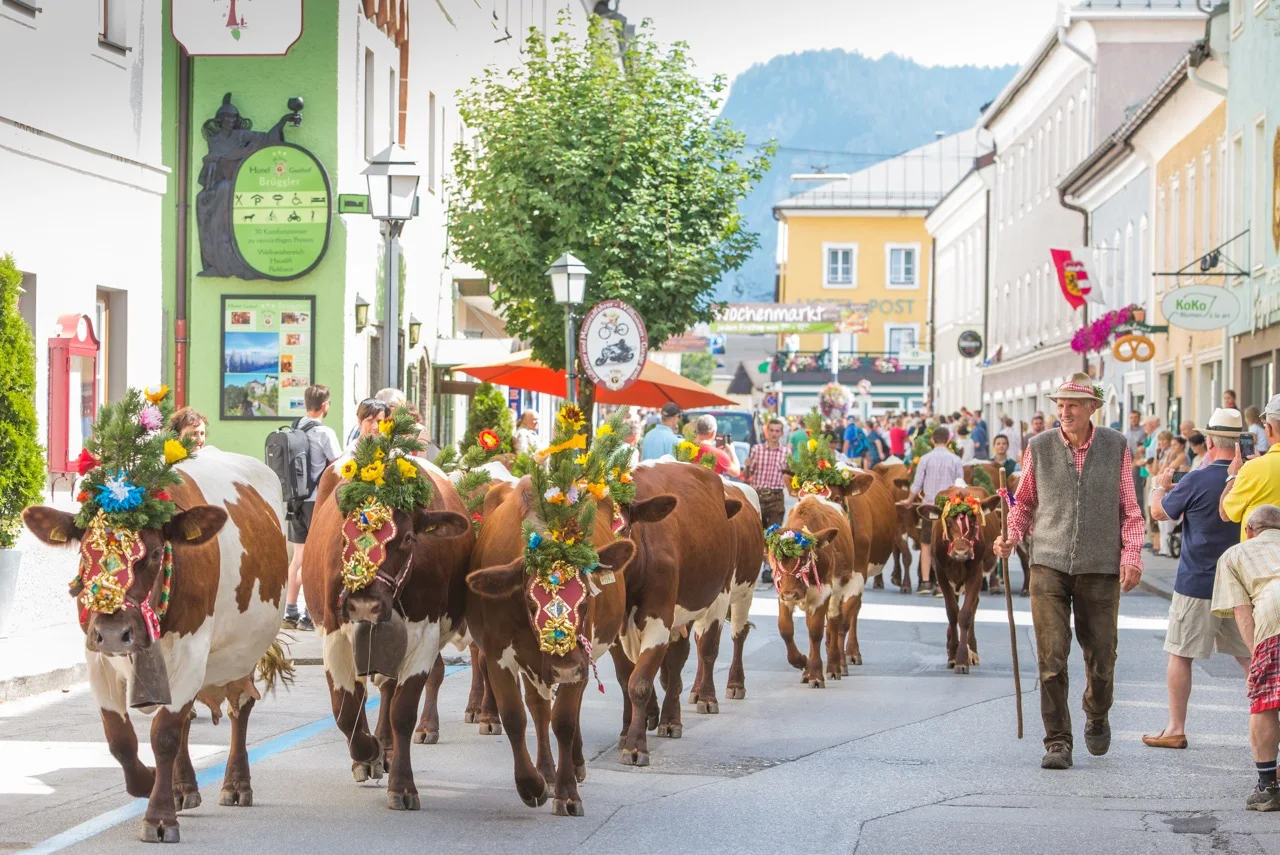
For centuries, cattle have spent the summer grazing on high Alpine pastures before returning to the valleys as temperatures fall. This annual descent, known as Almabtrieb, is marked by decorated cattle, bells, music, regional food and dancing.
Events take place across Austria. Popular places to see them include Hintersee in the Salzkammergut, Wildschönau in Tirol and Fügen-Kaltenbach in Tirol’s Zillertal. The descent of the Lipizzaners in Piber, near Graz, offers a related tradition centred on horses.
4. It is Sturm season
Sturm is a partially fermented grape juice available during the harvest season. It has a low alcohol content and comes in white, red and rosé varieties, with a sweet, lightly acidic taste created by the fermentation process.
The best setting is often a vineyard tavern, or Heuriger. The Styrian Wine Roads are a natural place to try it, while Vienna has a long wine-growing tradition and plenty of wine taverns within the city. Local drinking etiquette varies, so it is worth following the lead of your hosts.
5. Harvest festivals and game menus bring the season to the table
September and October are good months for tasting Austria’s regional produce. Harvest festivals take place in both the countryside and the cities, from Vienna to SalzburgerLand. Expect farm products, regional dishes, food stalls, music and, at some events, traditional dress and dancing.
October and November also bring game weeks to many restaurants. Seasonal menus may include venison ragout, roast wild boar and other preparations of deer. For travellers who plan around food, this is one of autumn’s strongest reasons to visit.
6. The Alpine event calendar stays busy
Many mountain regions continue their cultural and sporting programmes well after summer. Golden Summit in Paznaun-Ischgl combines sports competitions, concerts and food experiences. In Zell am See-Kaprun, Tones of Autumn includes an Oktoberfest-style celebration, hikes, city tours and a children’s festival.
St. Anton am Arlberg hosts the Mountain Yoga Festival in September, while trail-running enthusiasts can take on the Mayrhofen Ultraks, with routes reaching up to 101 km. Food-focused travellers should look to the Dumpling Festival in St. Johann in Tirol, where 26,000 dumplings made from 27 recipes are served along a 595-metre table. Kitzbühel’s KITZ Kulinarik x Piemont brings together producers and chefs from both regions.
7. Autumn makes city breaks easier
Austria’s cities are enjoyable in summer, but the cooler autumn weather is better suited to long days of sightseeing. Queues may also be shorter outside the busiest periods, although this varies by attraction and date.
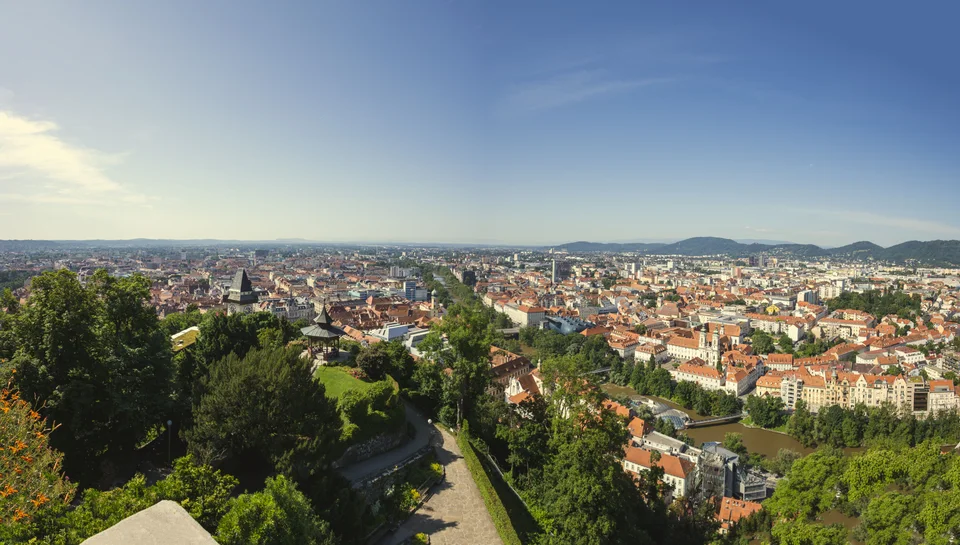
Innsbruck is particularly convenient for combining a city visit with the mountains, thanks to the cable cars connecting the centre with the Nordkette. Graz works well for travellers interested in food, culture and an excursion to the South Styrian Wine Road. In Vienna, film enthusiasts can plan around the Viennale, one of Europe’s established film festivals, held in October.
8. Off-peak offers can improve hotel value
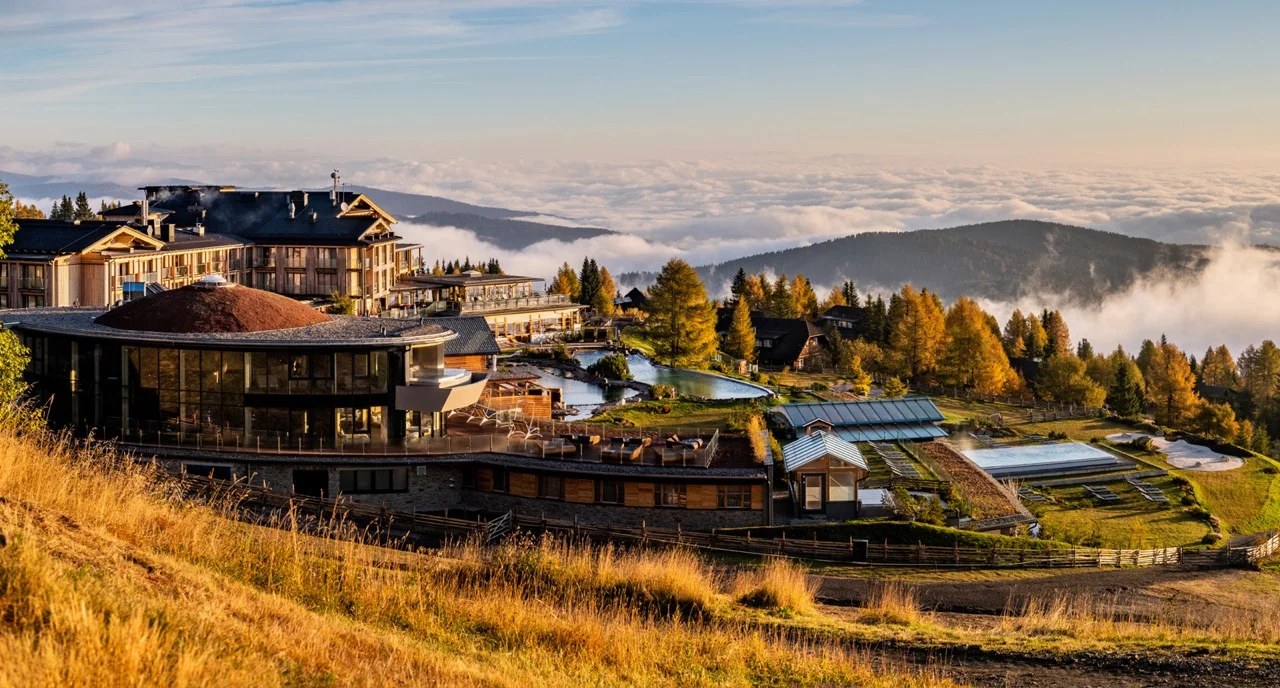
After the main summer season, some hotels introduce autumn packages. Offers change frequently, so availability, prices and inclusions should be checked before booking. Current examples include the following:
- Nesslerhof in Großarl offers five nights for the price of four with full board and spa access on selected autumn dates, from €950.
- At Krallerhof in Leogang, one child up to the age of 14 stays free when booking five nights or more, with full board and spa included, from €1,485.
- Hotel Feuerberg in Carinthia offers a “Colourful Family Autumn” package for three to seven nights, including full board, spa access and activities; the price is available on request.
- In Vienna, Hotel Sans Souci offers an “Artsy Autumn” package with a tour of its private Roy Lichtenstein collection and museum tickets, from €528.
For a first autumn trip, we would prioritise the Alps for hiking, a harvest event or seasonal meal, and a few days in one of the cities. That combination makes the most of the season without trying to cover the whole country.
Main photo: © Austrian National Tourist Office / Stefan Strasser