For many visitors, the most surprising part of an Austrian spa is not the mountain view or the thermal water. It is the sign asking you to remove your swimsuit. In Austria, sauna culture is usually textile-free, shared and quietly matter-of-fact. It is connected to a broader approach to leisure that values time outdoors, physical wellbeing and proper rest.
That does not mean the sauna is an exhibitionist space. The atmosphere is generally calm and practical. People go in to sit, sweat, cool down and relax. Once you understand the basic rules, the experience is much less intimidating than it may sound.
Why are people naked in Austrian saunas?
There are two simple reasons: tradition and hygiene. Austrian sauna culture developed around the idea that the body should be exposed evenly to heat, without damp swimwear or clothing holding sweat against the skin. A swimsuit can also feel uncomfortable in high temperatures, particularly when it is made from synthetic fabric.
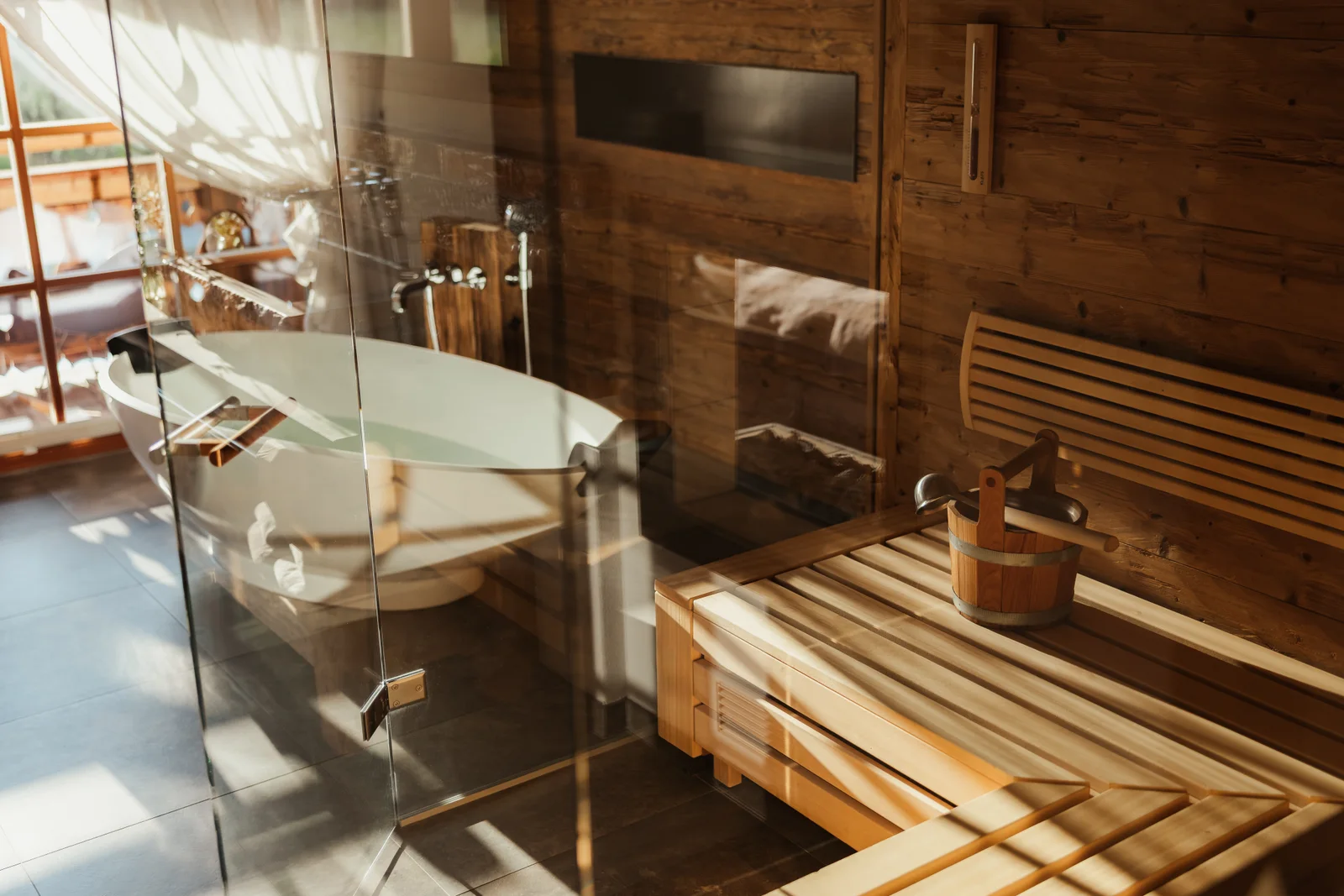
The more important point is social rather than medical. Nudity in the sauna is treated as neutral. The room is not a place for displaying yourself or examining other people. Everyone follows the same rule, and the focus stays on the ritual: heat, quiet, cooling down and rest.
You should also be cautious about claims that sauna nudity is essential for dramatic health benefits or that swimwear becomes dangerously toxic when heated. The practical reasons are enough: swimwear is often against the house rules, it can be uncomfortable and it is less hygienic in a shared hot room.
What does textile-free actually mean?
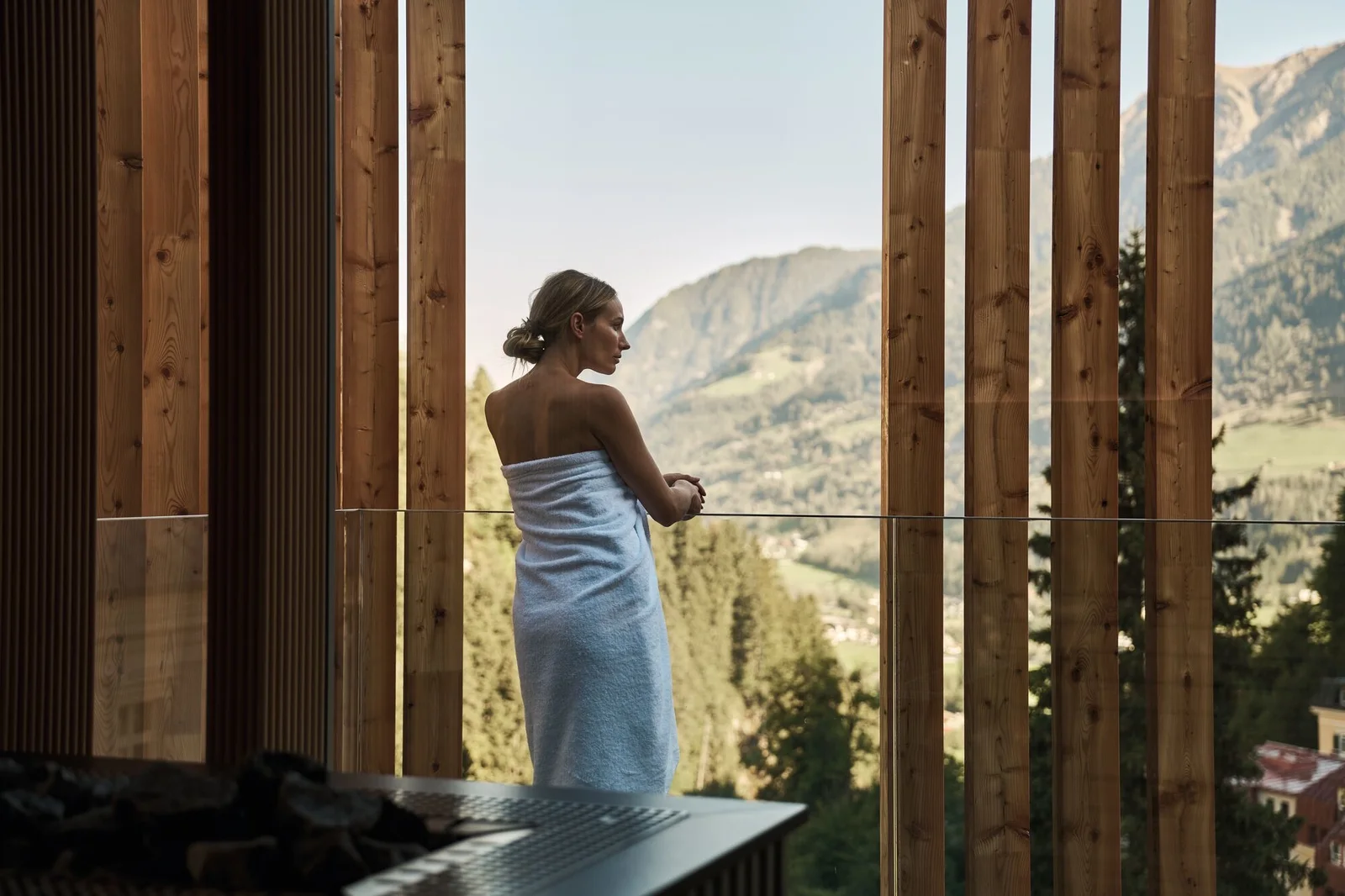
Textile-free usually applies to the sauna cabins and, in many facilities, the plunge pools within the sauna area. You do not normally walk through the entire spa naked. Bathrobes, towels or wraps are worn in corridors, relaxation rooms and other shared areas.
The main exception is a designated textile sauna, where swimwear is permitted. Some thermal baths also have a separate pool area where swimsuits are required. Look for signs marked textile-free, nude area, FKK or textile sauna. If you are unsure, ask at reception rather than guessing.
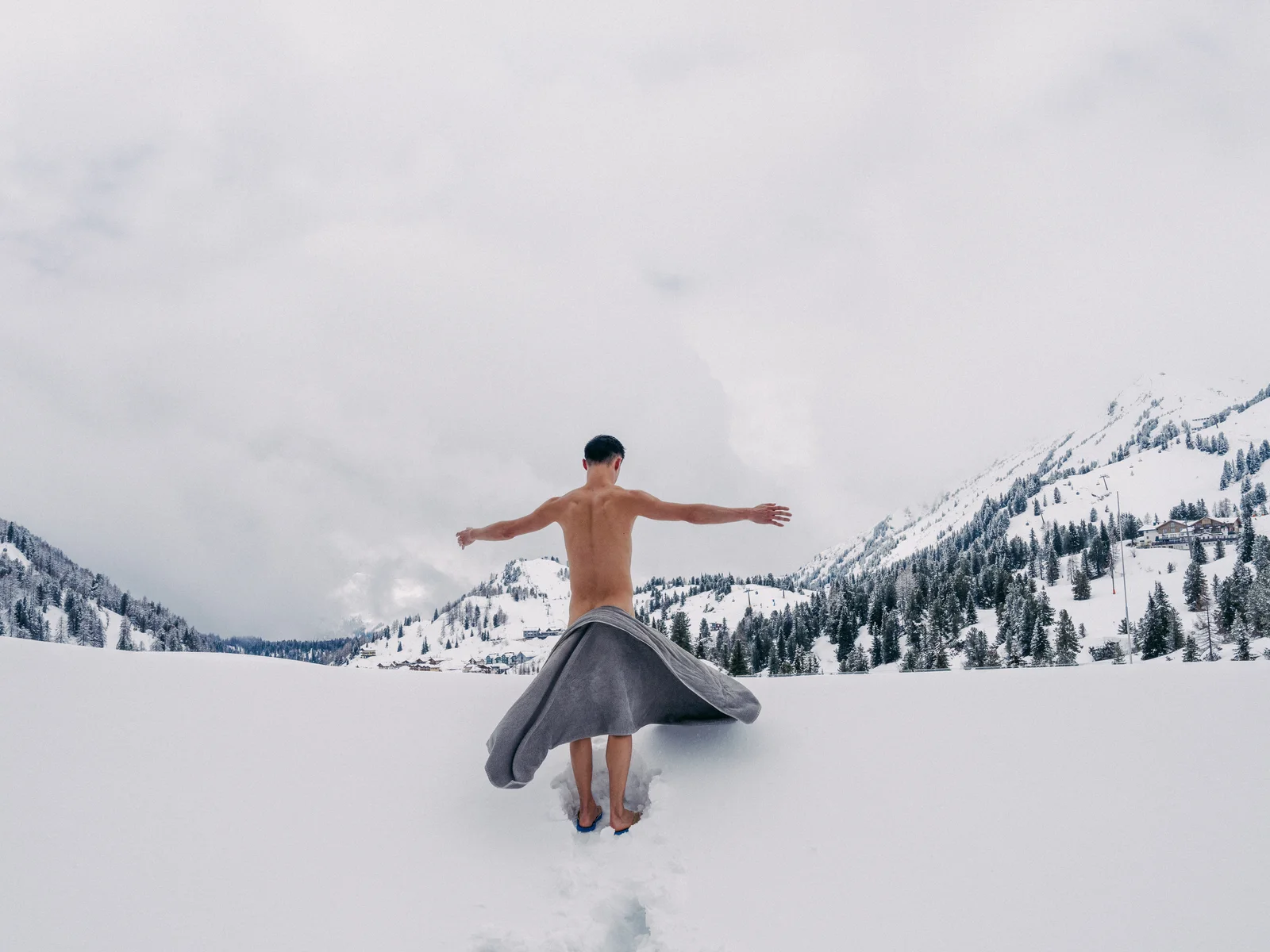
The basic etiquette
- Shower before entering the sauna. Remove sweat, chlorine, perfume, body lotion and sunscreen first.
- Dry yourself before going into a dry sauna. A wet body can make the heat feel sharper and leaves water on the benches.
- Take a large towel with you and place your entire body on it, including your feet. Do not allow sweat to touch the wood.
- Leave your bathrobe, slippers and phone outside the sauna cabin unless the venue specifically says otherwise.
- Keep your voice low. Saunas are generally quiet spaces, although conversation may be acceptable in some relaxation areas.
- Do not reserve loungers with a towel while you are elsewhere. Many spas ask guests not to hold places.
- Follow the venue’s instructions for Aufguss, the practice of pouring water or scented water over hot stones. During a scheduled session, leaving may be discouraged unless you feel unwell, in which case you should always leave.
- Shower again before entering a swimming pool or thermal pool after a sauna session.
What should you bring?
A robe, two towels and a bottle of water are usually enough. One towel is for sitting or lying on in the sauna; the other is useful for drying off. Many hotels and thermal baths provide towels and robes, but this is not universal, so check before you go.
A towel can also make the first visit easier psychologically. You may sit on it and use part of it to cover yourself while walking between the changing room and the sauna. Once inside, the important rule is that the towel should cover the bench beneath you.
How to approach your first session
Start with a milder sauna or a shorter stay rather than trying to prove that you can tolerate the hottest cabin. Sit on a lower bench, leave when the heat becomes uncomfortable and allow yourself time to cool down afterwards. Fresh air, a lukewarm shower and then a cooler rinse are all common parts of the routine.
Do not enter immediately after heavy exercise, a large meal or alcohol. Drink water between sessions and take a proper break. If you feel dizzy, nauseous or unwell, leave the cabin straight away. Sauna etiquette is never more important than your comfort and safety.
Where to try it in Austria
Austria has everything from small hotel saunas to large thermal complexes with several heat rooms, steam baths, plunge pools and outdoor relaxation areas. The right choice depends on the kind of experience you want.
Aqua Dome, Längenfeld
In the Ötztal Valley, Aqua Dome combines a large thermal complex with a distinctly Alpine setting. Its sauna world includes several themed cabins and relaxation spaces, while the wider resort is known for its outdoor thermal pools and views towards the surrounding mountains. It is a strong choice if you want a full wellness day after hiking or skiing rather than a small, intimate sauna.
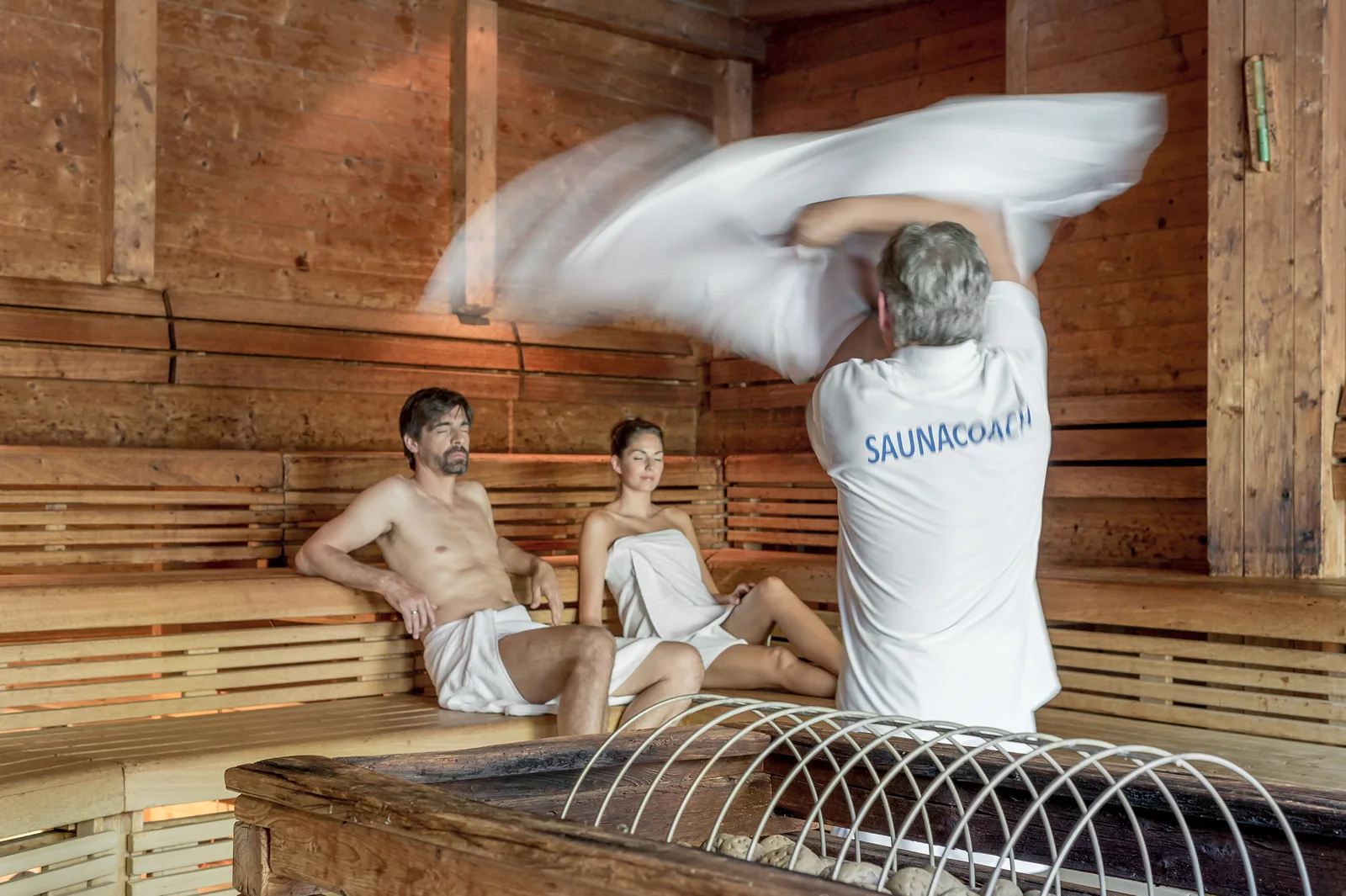
A smaller Alpine hotel sauna
For a quieter experience, choose a well-run mountain hotel with a compact sauna area. These are often less elaborate than the major thermal baths, but the rhythm can feel more natural: a walk or ski in the afternoon, a short sauna session, a cold rinse and dinner afterwards. Check the house rules carefully, as smaller properties may have specific hours or mixed textile and textile-free areas.
Zillertal sauna world, Fügen
The sauna area at Erlebnistherme Zillertal offers a broad selection of sauna styles, steam rooms and gentler heat experiences. It suits visitors who want variety and a more conventional thermal-bath setting, particularly after time in the Zillertal Alps.
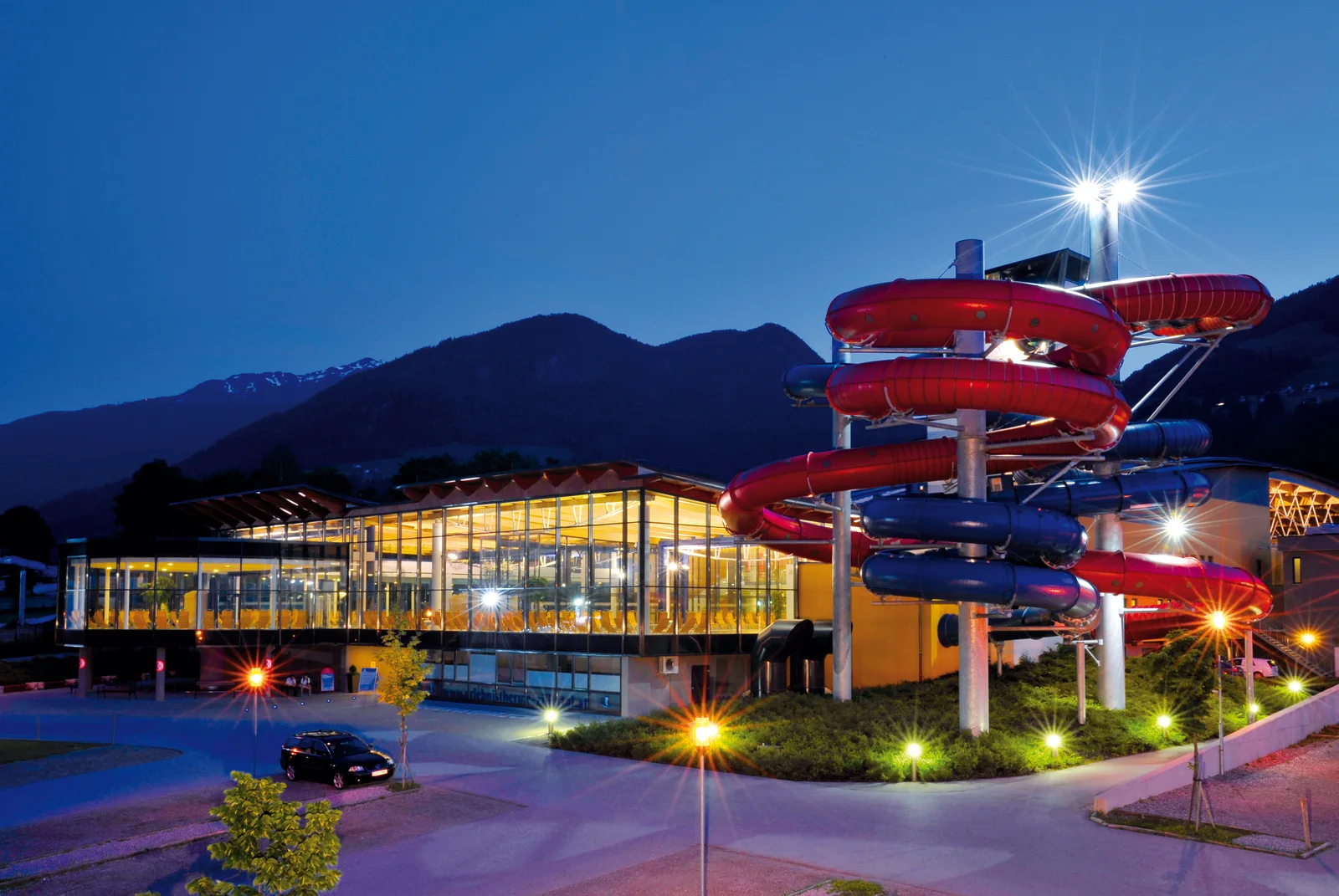
Is it worth making time for?
Yes, particularly after a day outdoors. You do not need to devote an entire holiday to wellness, and a sauna visit does not need to become an endurance test. Two or three gentle sessions, with generous breaks between them, are enough for most visitors to understand why the ritual is so established in Austria.
The main adjustment is cultural. Once you realise that nobody is treating the lack of clothing as remarkable, the experience becomes much simpler. Follow the rules, respect the quiet and give yourself time to settle into the rhythm. That is the Austrian sauna etiquette in essence.