Naples asks for a little patience and a clear sense of what deserves your time. The historic centre is noisy, crowded and dense with visual detail, while the city's museums and archaeological sites offer a deeper understanding of its past. Add excellent pizza, lively markets and easy access to Pompeii, and three days make a strong introduction to southern Italy.
This itinerary focuses on the old city, Napoli Sotterranea, the National Archaeological Museum and a full day at Pompeii. Capri and the Amalfi Coast are included as extensions, rather than rushed additions. Naples also works well as a base for a longer trip, but there is enough here for a focused city break.
Day one: the historic centre and a serious pizza stop
Begin in the historic centre, around Spaccanapoli and Piazza San Gaetano. The narrow streets are lined with small churches, bars, shops and street altars, while laundry hangs above the lanes and espresso is part of the daily rhythm. It is busy and untidy in places, but this is the part of Naples that gives the city its character. Stay here if being close to the main sights matters more than quiet evenings.
For pizza, L’Antica Pizzeria da Michele remains one of the best-known addresses. At Via Cesare Sersale 1, the pizzeria is associated with a deliberately short menu of margherita and marinara. The queues can be long, so go outside the busiest meal periods and check the current arrangements before setting out. Its appearance in Eat, Pray, Love helped make it internationally famous, although the restaurant's appeal does not depend on the film.
After lunch, leave time for an unplanned walk through the old centre. This is a good day for taking in the city at street level rather than trying to fit in every major attraction. For more food recommendations, see our article on Naples street food.
Day two: underground Naples, the bay and the archaeology museum
Start with Napoli Sotterranea, whose guided tour explores tunnels and aqueducts beneath the city. The route includes Roman-era infrastructure and spaces later used as shelters during the Second World War. It begins at Piazza San Gaetano and includes narrow passages, so it is best avoided by anyone uncomfortable in confined spaces. Check the current tour language, timings and price before visiting.
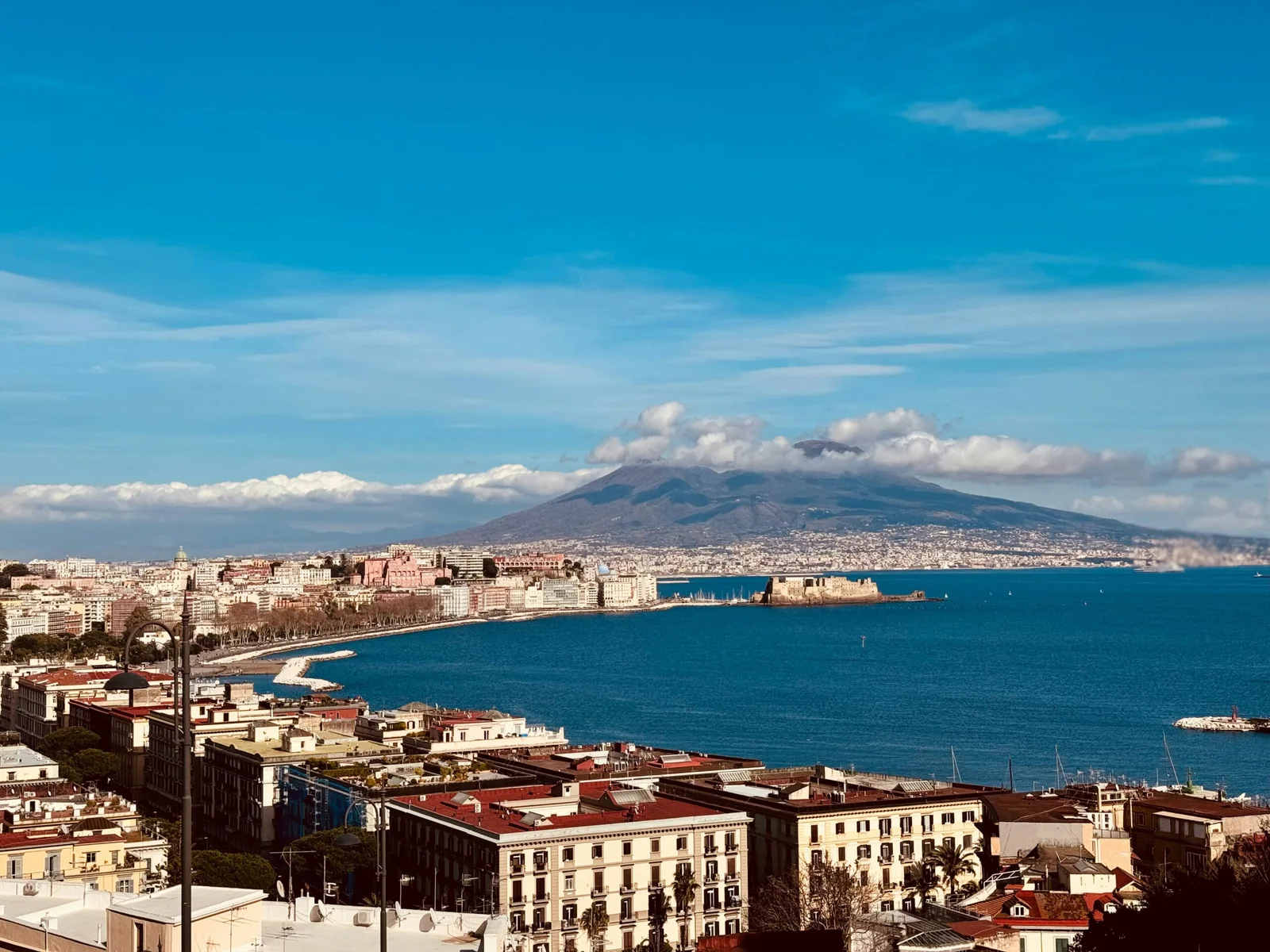
Continue towards Castel dell’Ovo and the seafront. The castle stands on the former island of Megaride, connected to the mainland by a promenade, and offers views across the bay towards Capri. The source information states that the castle is currently closed to visitors, so confirm its status before planning an interior visit. The surrounding waterfront is a sensible place for a seafood lunch; look for dishes such as impepata di cozze and fresh pasta with seafood.
Spend the afternoon at the Museo Archeologico Nazionale di Napoli. Its collection includes sculptures, mosaics and objects from Pompeii and Herculaneum, making it one of the most useful museums to visit before or after the archaeological sites themselves. Allow several hours if Roman history is a priority, and check the official site, mannapoli.it, for current tickets and opening hours.
Day three: give Pompeii the time it needs
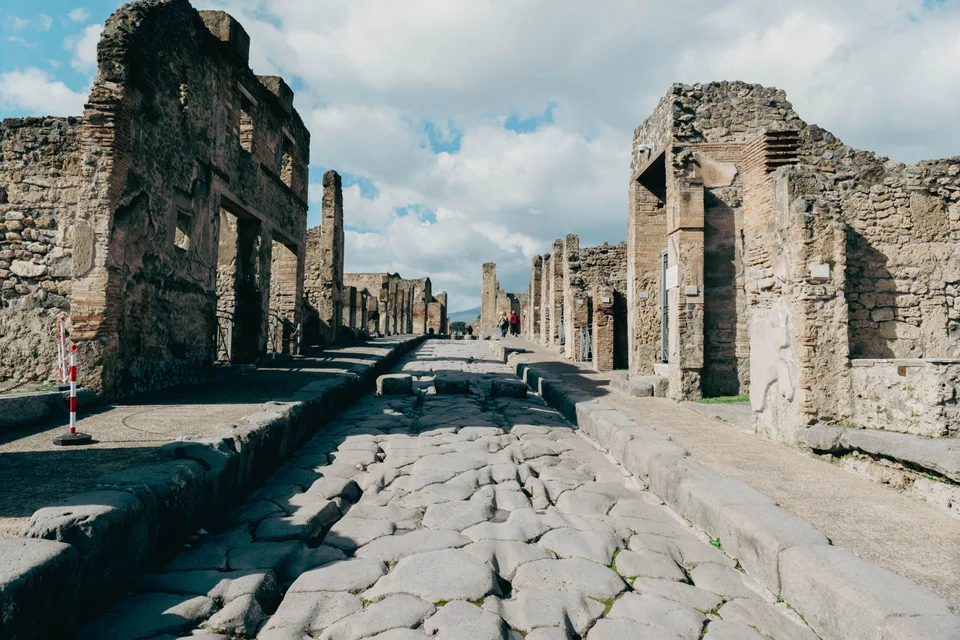
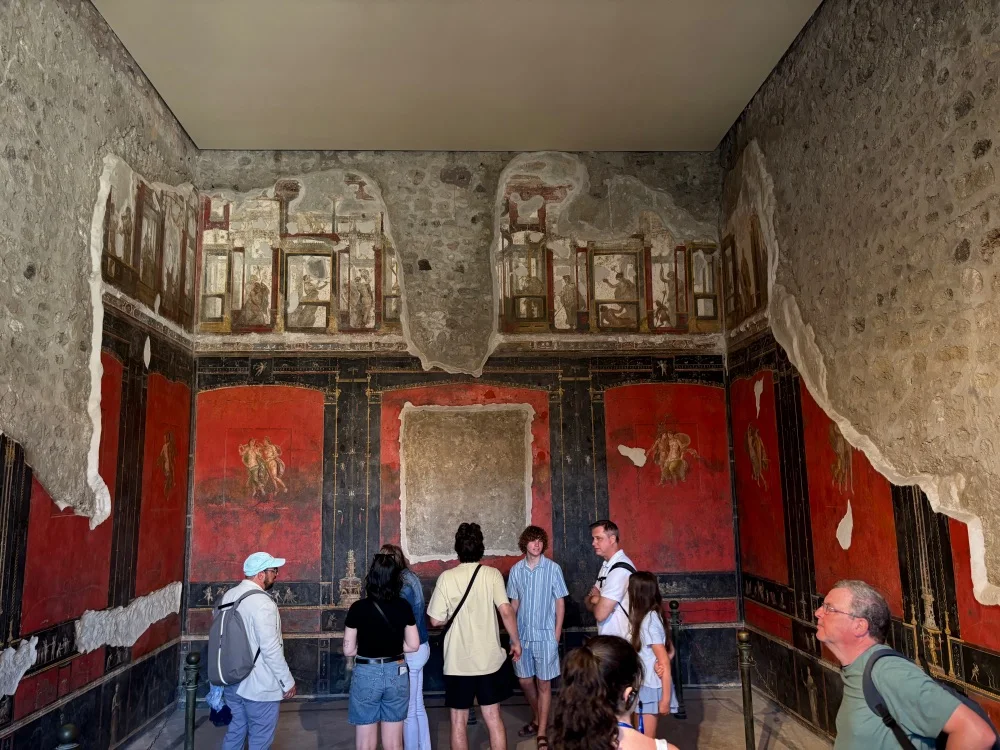
Pompeii deserves a full day, especially if this is your first visit. The ancient city was buried by the eruption of Vesuvius in 79 AD, and its streets, houses, frescoes and mosaics make the site unusually legible. It is a large archaeological park rather than a single monument, so a rushed visit can become tiring and unfocused.
The source itinerary uses the Circumvesuviana train from Napoli Garibaldi to Pompei Scavi – Villa dei Misteri. Journey times, fares and service patterns can change, so check the current operator information before travelling. An audio guide or live guide is worth considering: the site is more rewarding when its buildings and streets are placed in context.
Among the sections often prioritised are the House of the Faun, the Forum, the amphitheatre, the Lupanar and the Villa dei Misteri. You will also see wheel tracks in the paving, kitchens, thermal baths and inscriptions that make everyday Roman life unusually tangible. The paths can be exposed and dusty, so bring water, a hat and sunscreen. Four to five hours is a reasonable minimum for the main areas, although visitors interested in archaeology may want longer.
If you return to Naples with time left in the day, walk through the Spanish Quarter. It is close enough to combine with another central stop, although there is no need to force it into the Pompeii day if you are tired.
Markets, shopping and the best extensions
Mercato di Porta Nolana, near the main station, is the more useful choice for a glimpse of everyday food shopping, with fish, seafood, olives and spices among the stalls. Mercato di Poggioreale is associated with clothing, shoes and inexpensive goods; verify its current format before making a special journey.
For a more conventional walk through the city, follow Via Toledo towards Galleria Umberto I. The gallery's glass roof and mosaic floor make it worth seeing even if shopping is not on your list. The area around Via Toledo is busier and more commercial than the historic centre, so treat it as a short architectural and shopping stop rather than a destination in itself.
With more than three days, choose one major extension rather than trying to combine several. Capri is the simpler boat trip: the source information points to departures from Molo Beverello, with an early start advisable. The Blue Grotto and the route up towards Monte Solaro are among the island's main draws, but check current boat schedules, ticket prices and sea conditions before committing to the day.
The Amalfi Coast needs more time and careful planning. Sorrento, Positano and Ravello each have a different character, and travelling between them can take longer than the map suggests. From Naples, the route may involve a train to Sorrento followed by a bus, boat or organised tour. It is better treated as a separate extension than squeezed into a three-day Naples itinerary.
Getting around Naples
For the historic centre, walking is usually the most practical option. The metro is useful for longer journeys, and Line 1 is known for its individually designed stations, including Toledo. Taxis can be inconsistent, so allow extra time and confirm the current airport options if you have an early flight. The source information says that the metro may not operate before 5 a.m. and that a taxi or ride-hailing service may be necessary; check the current timetable before departure.
Three days are enough to understand why Naples divides opinion. Give the city time at street level, choose one or two serious historical visits, and leave Pompeii a full day. Capri and the Amalfi Coast are better saved for a longer stay. That balance leaves room for the city's noise, food and ordinary rhythms without turning the trip into a checklist.