Genoa is easy to overlook in a country full of famous cities. That is part of its appeal. This Ligurian port combines grand palazzi, a dense medieval centre, a working waterfront and a food culture built around focaccia, pesto and simple seafood. It feels less polished than Florence or Venice, but more rewarding for readers who like cities that still feel lived-in.
Allow at least two days for a first visit. That gives you time to walk the historic centre, spend an afternoon by the port and make room for Boccadasse or one of the city’s higher viewpoints. A shorter stop can work, but Genoa is best experienced at walking pace.
A historic centre with real texture
The Palazzi dei Rolli offer the grandest expression of Genoa’s past. These aristocratic residences reflect the wealth and influence of the former maritime republic, while the streets around them quickly become narrower, darker and more lived-in.
The historic centre is among Europe’s largest medieval urban areas, although its scale is less important than its atmosphere. In the caruggi, laundry crosses the lanes, small piazzas open unexpectedly and centuries-old doorways sit beside everyday shops and bars. This is the part of Genoa worth exploring without a fixed route, provided you are comfortable with a little disorder and keep practical awareness in busy areas.
The port, the aquarium and the city’s maritime identity
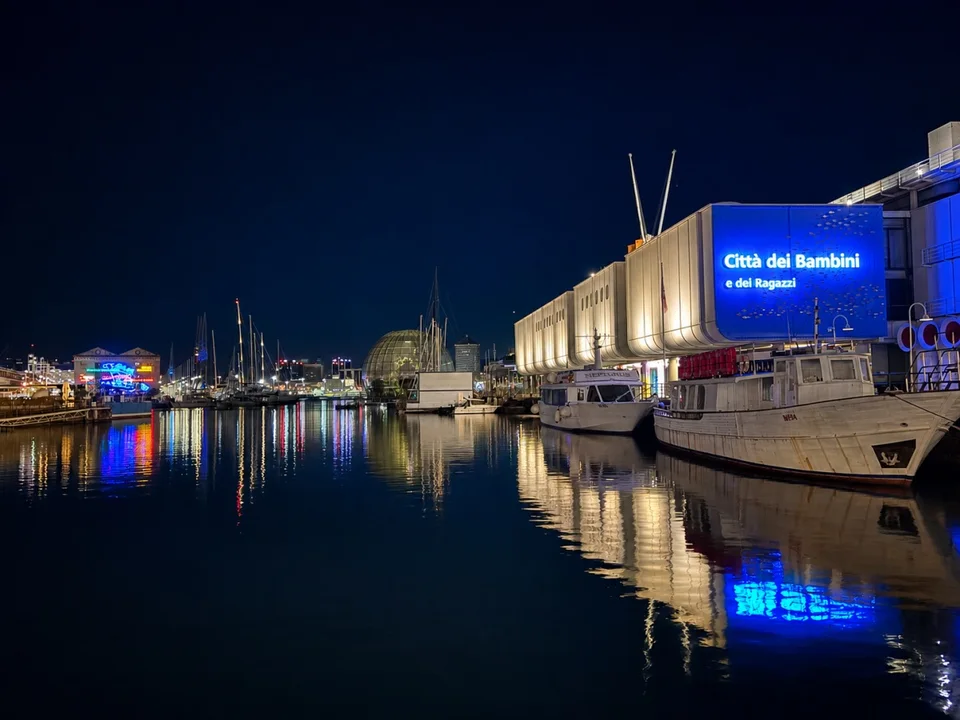
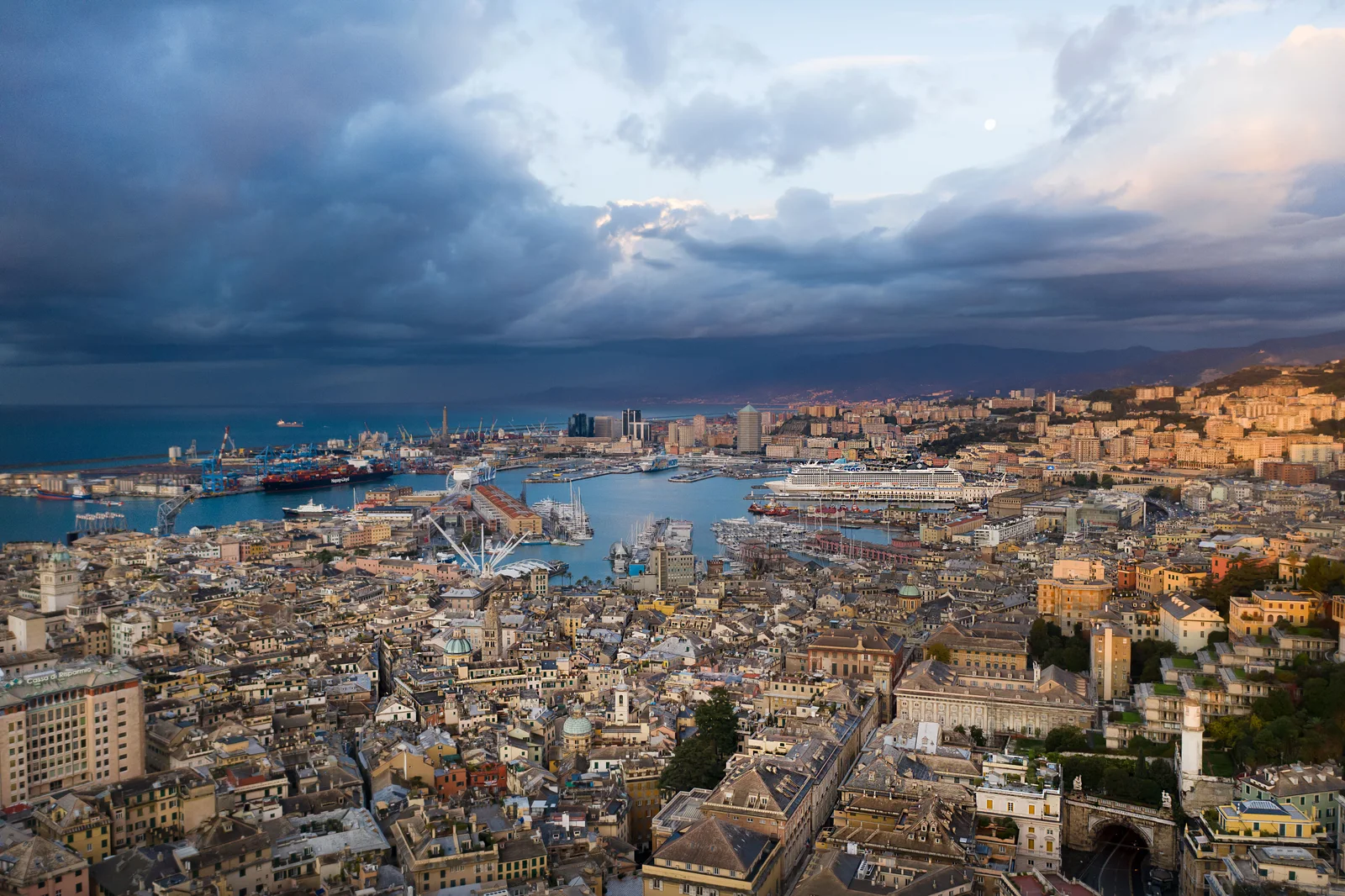
Genoa’s port is still a working part of the city, not merely a scenic backdrop. Historic ships, ferries, cruise traffic and waterfront restaurants make the area busier and more commercial than the old town, but it remains useful for understanding Genoa’s relationship with the sea.
The Genoa Aquarium (Acquario di Genova) is close to the port and is an easy choice for families, marine-life enthusiasts or a rainy afternoon. It can also be worthwhile for adults, although it is a substantial attraction rather than a quick add-on. On a short visit, prioritise the old town and waterfront first unless the aquarium is a particular interest.
A brief Columbus connection
Genoa is traditionally identified as the birthplace of Christopher Columbus, who is generally believed to have been born there around 1451. The Casa di Colombo, near the old city walls, is associated with his family and offers a compact historical stop.
It is worth treating this as a short visit rather than a central reason to come to Genoa. The city’s maritime history is much broader than one famous figure, and the surrounding old town offers more atmosphere than the house itself.
Eat focaccia, pesto and trofie
Food is one of Genoa’s strongest reasons to visit. Start with focaccia: salty, olive-oil-rich and often enjoyed as a quick breakfast or snack. Try it plain before moving on to versions with onions or cheese.
Pesto alla Genovese is the other essential taste. Look for it with trofie, the short twisted pasta traditionally associated with Liguria, or with another local pasta shape. In Boccadasse, a meal with pesto, seafood or a glass of Ligurian white wine fits naturally into an afternoon by the water. The best approach is simple: choose places with a local crowd and leave room for a second focaccia stop.
Where to slow down above the centre
Genoa’s compact historic core can become intense, especially in the warmer months. Two viewpoints provide a useful change of pace.
Villetta Di Negro is a small park above the city, with greenery, sculptures and waterfalls. It is a practical pause between visits to the centre’s museums and palazzi. Spianata Castelletto is the stronger choice for a broad city view, particularly late in the day. It is popular with locals and visitors, so arrive before sunset if you want a good position.
Boccadasse for a seaside finish
Boccadasse is a former fishing village within Genoa, known for its pastel houses, small harbour and rocky shoreline. It feels distinct from the dense centre and is the clearest choice when you want sea air without leaving the city altogether.
Come for a swim when conditions allow, an aperitivo by the water or an unhurried meal overlooking the bay. Boccadasse is compact, so it does not require a full day unless you plan to linger. Combine it with a relaxed afternoon rather than treating it as another checklist stop.
Is Genoa worth your time?
Yes, especially if you prefer port cities, layered history and food that belongs to the place. Genoa is less immediately graceful than Italy’s better-known art cities, and parts of the centre can feel rough around the edges. That is also what gives it character.
For a first visit, we would prioritise the caruggi, the Palazzi dei Rolli, focaccia and pesto, one viewpoint and an evening in Boccadasse. The aquarium and Casa di Colombo are worthwhile additions for particular interests, but neither needs to displace the city’s streets, food and waterfront from a short itinerary.