Istanbul is better for browsing old things than for shopping from a fixed list. The city’s flea markets and antique districts are spread across different neighbourhoods, and each has its own character: open-air stalls in Feriköy, second-hand goods in Kadıköy, furniture in Horhor and more considered dealers around Çukurcuma. The best choice depends on what you want to find and how much time you have. For a first visit, we would prioritise Feriköy on Sunday, then choose one of the more specialised neighbourhoods.
Best overall: Feriköy Antika Pazarı on Sunday morning.
Best on the Asian side: Kadıköy’s Hasanpaşa market area.
Best for furniture: Horhor Antikacılar Çarşısı.
Best for a slower, more curated browse: Çukurcuma and Kadıköy’s Tellalzade Street.
Market hours can change, so check the latest local listing before setting out.
Feriköy and Bomonti: the best starting point
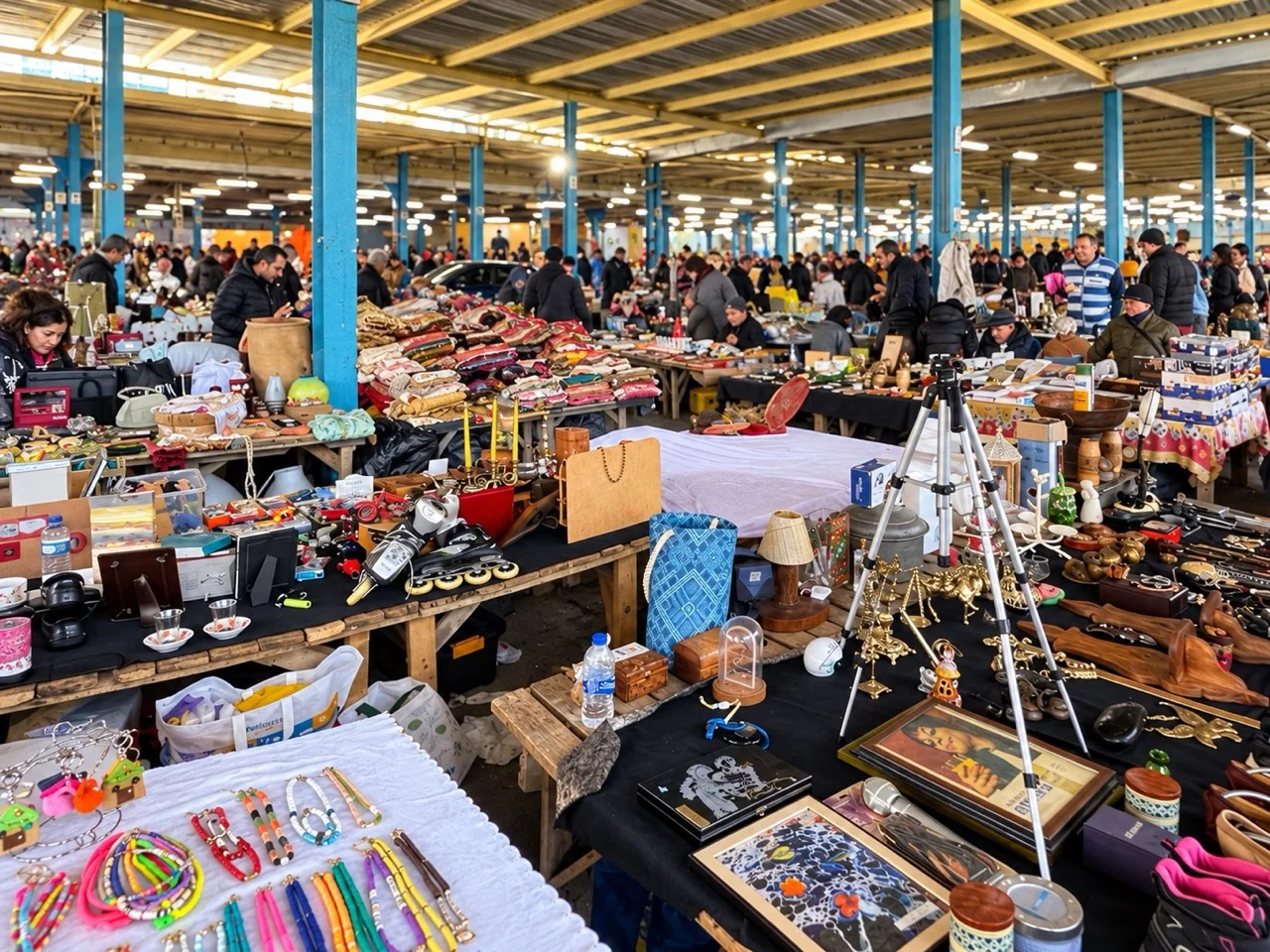
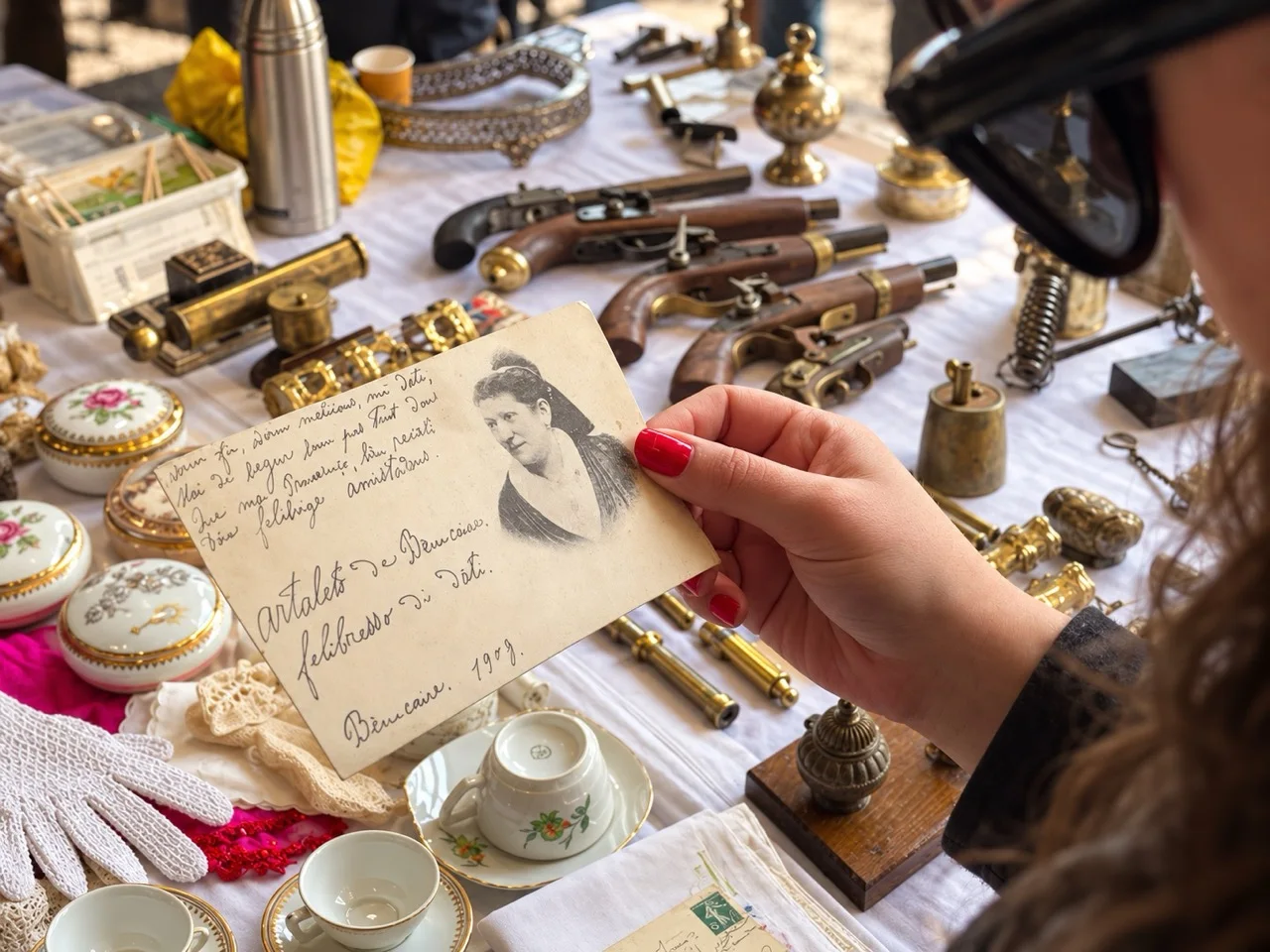
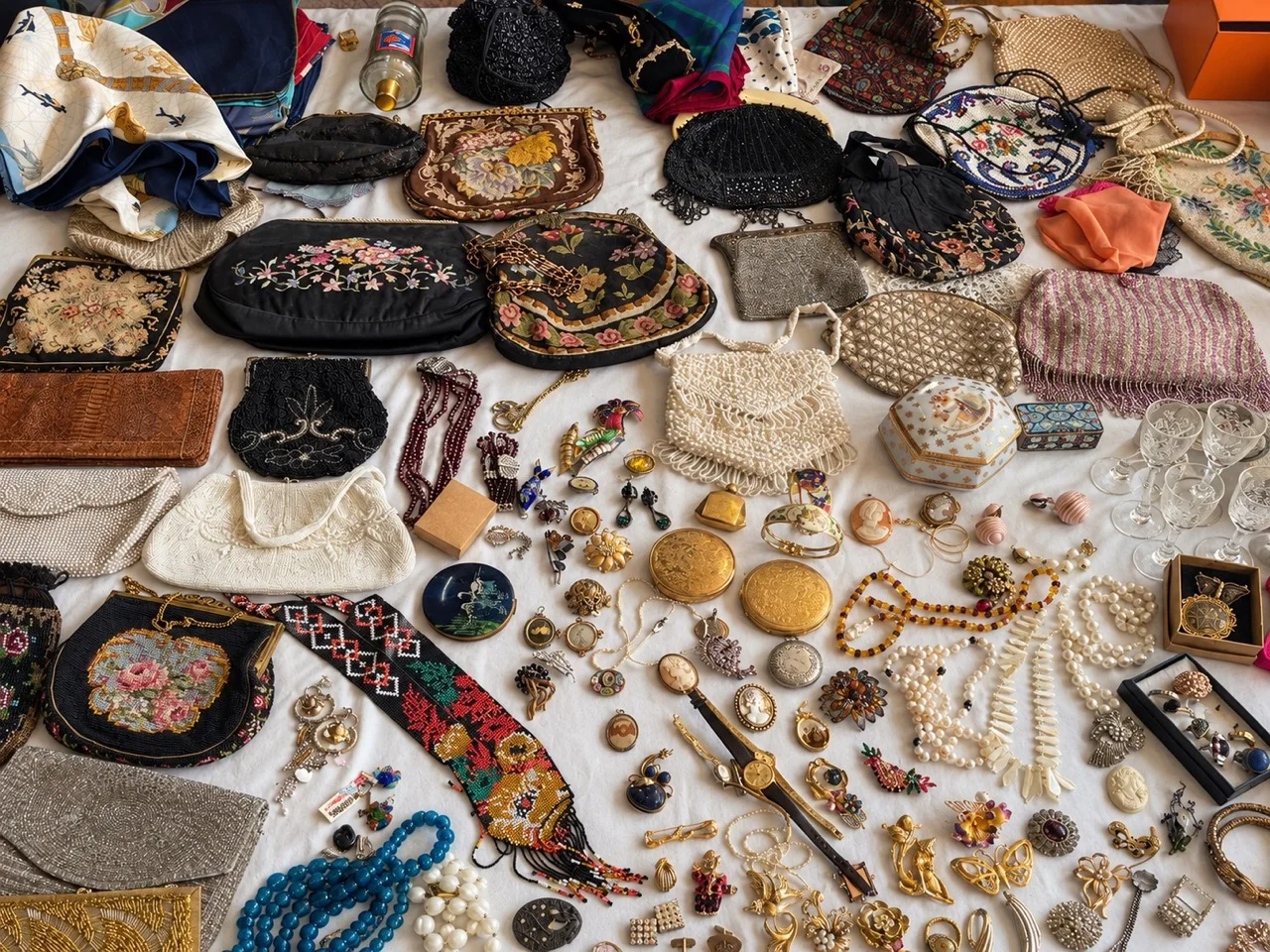
Feriköy Antika Pazarı is Istanbul’s clearest answer to a traditional flea market. It takes place on Sundays in the Şişli area, close to Bomonti, with stalls selling old books, records, postcards, cameras, watches, crockery, lamps, photographs, toys and small decorative objects. The quality varies from table to table, which is part of the appeal. You may find a genuine collector’s piece beside an ordinary household object or an obvious reproduction.
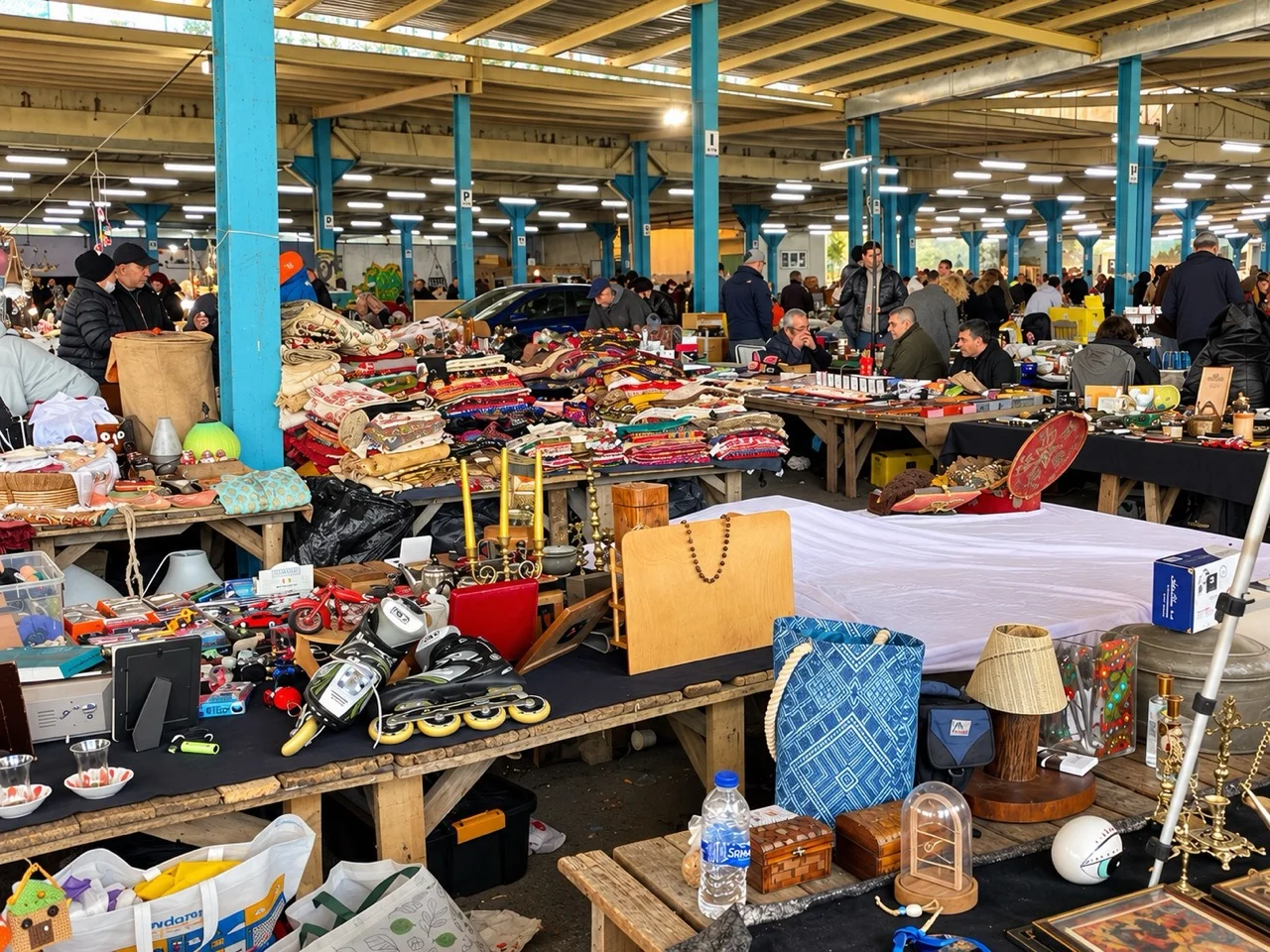
Feriköy has always been one of our favourite places to spend a Sunday in Istanbul. We love both the market itself and its location in Bomonti, which makes it easy to combine antique hunting with a relaxed morning in the neighbourhood. Over time, we have bought quite a few brass decorations here for our apartment. Some were things we had been looking for, while others were completely unexpected finds. That is probably what we enjoy most about Feriköy: you never quite know what you will discover.
The market’s own published information gives Sunday hours of approximately 09:00–18:00. Current third-party listings are inconsistent about additional operating days and exact conditions, so verify the market’s current social-media or local listing before travelling, especially around public holidays. Individual sellers may arrive later or begin packing up before the official closing time. Go in the morning for the widest choice. By early afternoon, the market is usually busier and the most interesting small objects may already have gone.
Feriköy works especially well as a half-day plan. Browse the stalls, then continue towards Bomonti for coffee or lunch. The surrounding streets are residential and quieter than central Beyoğlu, so the market feels like part of a neighbourhood morning rather than a visitor attraction.
Kadıköy: the most useful Asian-side option
Kadıköy’s large market area in Hasanpaşa is more practical and less polished than the antique streets of central Istanbul. It is worth choosing when you are already staying on the Asian side, or when you want second-hand clothes, household objects, tools, textiles and the occasional piece of vintage bric-a-brac rather than carefully displayed antiques.
The official Kadıköy Municipality listing confirms that the Tarihi Salı Pazarı operates on Tuesdays and Fridays at Hasanpaşa Mahallesi, Uzunçayır Caddesi No. 32. Friday is generally the more relevant day for second-hand and flea-market browsing, while Tuesday is more focused on the regular neighbourhood market. Do not plan around a regular Sunday market at this site unless a current local announcement confirms one.
Kadıköy is the better choice for a less curated, more everyday experience. Prices can be negotiable, but the stalls are uneven and the search takes patience. If you are only interested in beautiful objects for a suitcase, Feriköy or Çukurcuma will probably be more rewarding.
Tellalzade Street: small dealers and a slower browse
Tellalzade Sokak in Caferağa is known as Kadıköy’s antique-dealer street, with small independent shops rather than a formal flea market. Shops set their own schedules, so daytime browsing is safest and individual closures are possible. Instead, a series of small dealers sell furniture, records, decorative objects, old photographs and curiosities from shopfronts and compact interiors.
One afternoon, we stepped into a small antique shop on Tellalzade Street intending to browse for just a few minutes. Instead, we found ourselves looking through old photographs and postcards of Istanbul, trying to recognise streets and buildings that had changed over the decades. We left without buying anything, but the experience stayed with us. Sometimes the most interesting part of antique shopping is discovering small fragments of a city's everyday history.
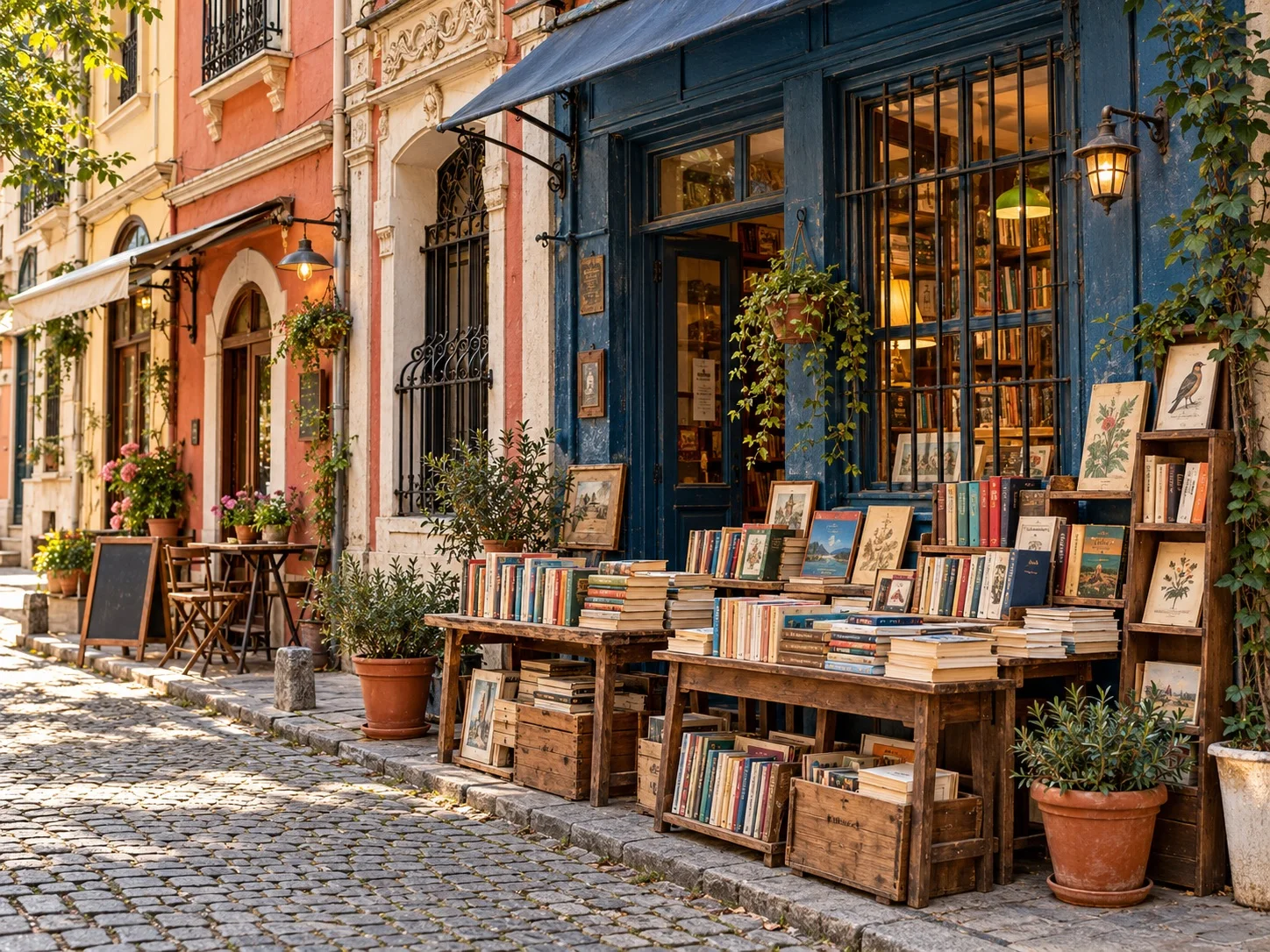
Tellalzade is a good alternative when you prefer to look at fewer things with more context. The street is easy to combine with Kadıköy’s market, food stalls and waterfront, but prices may be higher than at open-air flea markets. Allow around one to two hours, depending on your interest in records, furniture or collecting.
Çukurcuma: the most atmospheric antique district
Çukurcuma is where Istanbul’s antique shopping becomes more considered. The shops are concentrated around Çukurcuma Caddesi, Faik Paşa Sokak and Turnacıbaşı Sokak, with a natural extension towards Cihangir. Expect furniture, mirrors, chandeliers, ceramics, textiles, paintings, old suitcases and objects from the mid-century decades.
We once planned to spend about an hour exploring Çukurcuma, but the neighbourhood kept us occupied for most of the afternoon. Every few metres, another shop window caught our attention, whether it was filled with old mirrors, unusual lamps or vintage furniture. Eventually, we stopped for coffee nearby before continuing our walk. That is what makes Çukurcuma particularly enjoyable for us: even when we have no intention of buying anything, we still find plenty of reasons to linger.
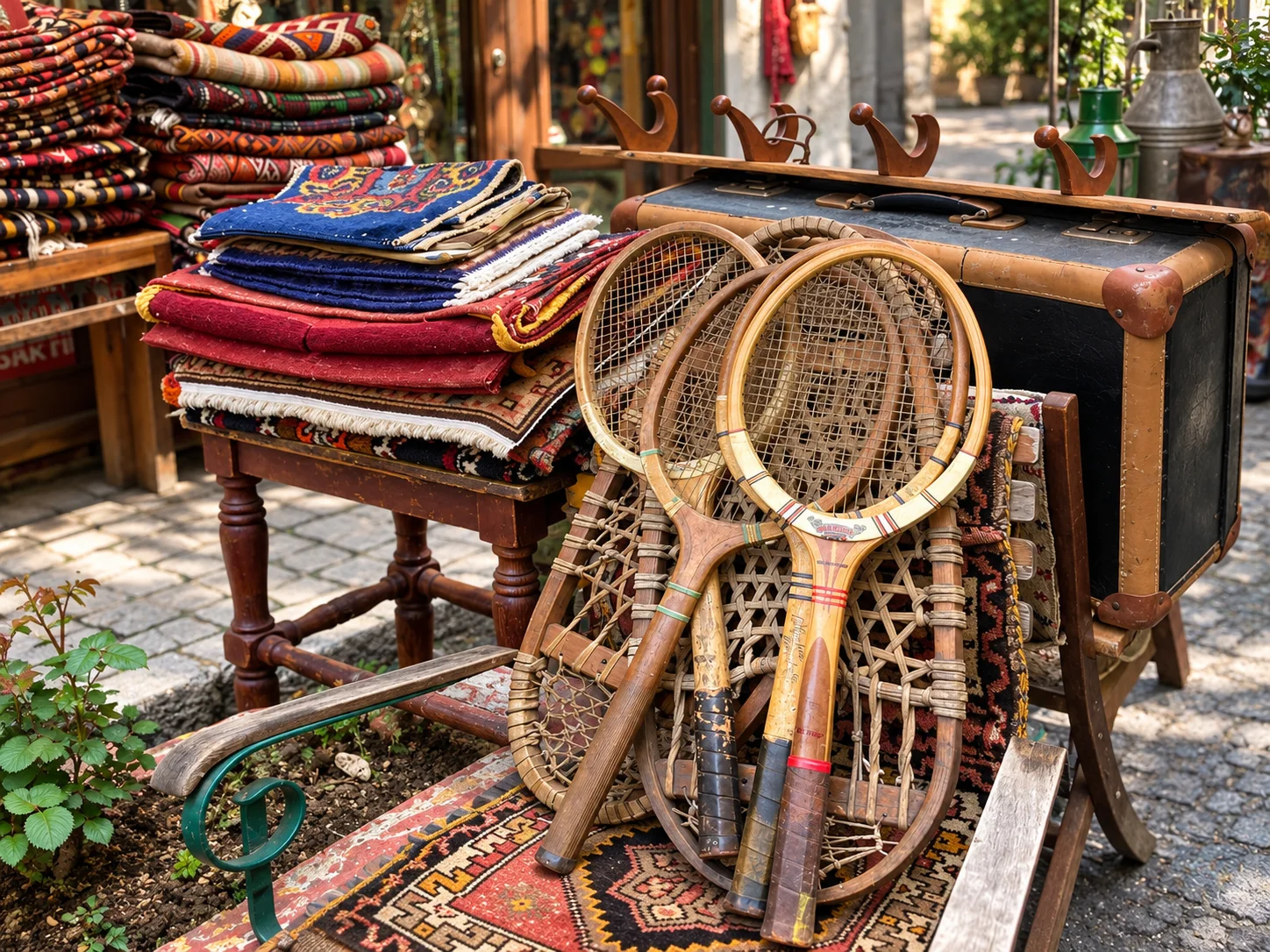
This is a neighbourhood for browsing rather than bargain hunting. Many pieces are displayed with care, and dealers tend to know more about their stock. Prices are usually higher than at Feriköy, but the selection is more coherent and the walk itself is pleasant. The Museum of Innocence is in the area, and the cafés of Cihangir make an easy finish.
We would choose Çukurcuma for a relaxed afternoon, especially if you enjoy interiors, architecture and cafés as much as shopping. It is less useful if your priority is finding the lowest price.
Horhor: Istanbul’s furniture-heavy antique centre
Horhor Antikacılar Çarşısı in Fatih, at İskenderpaşa Mahallesi, Kırma Tulumba Sokak No. 1, is a large indoor antiques centre with many dealers gathered under one roof. The emphasis is on furniture, mirrors, lighting, rugs, decorative pieces and larger objects. It feels more like a trade centre than a casual flea market, and much of the stock is intended for serious buyers, decorators or collectors.
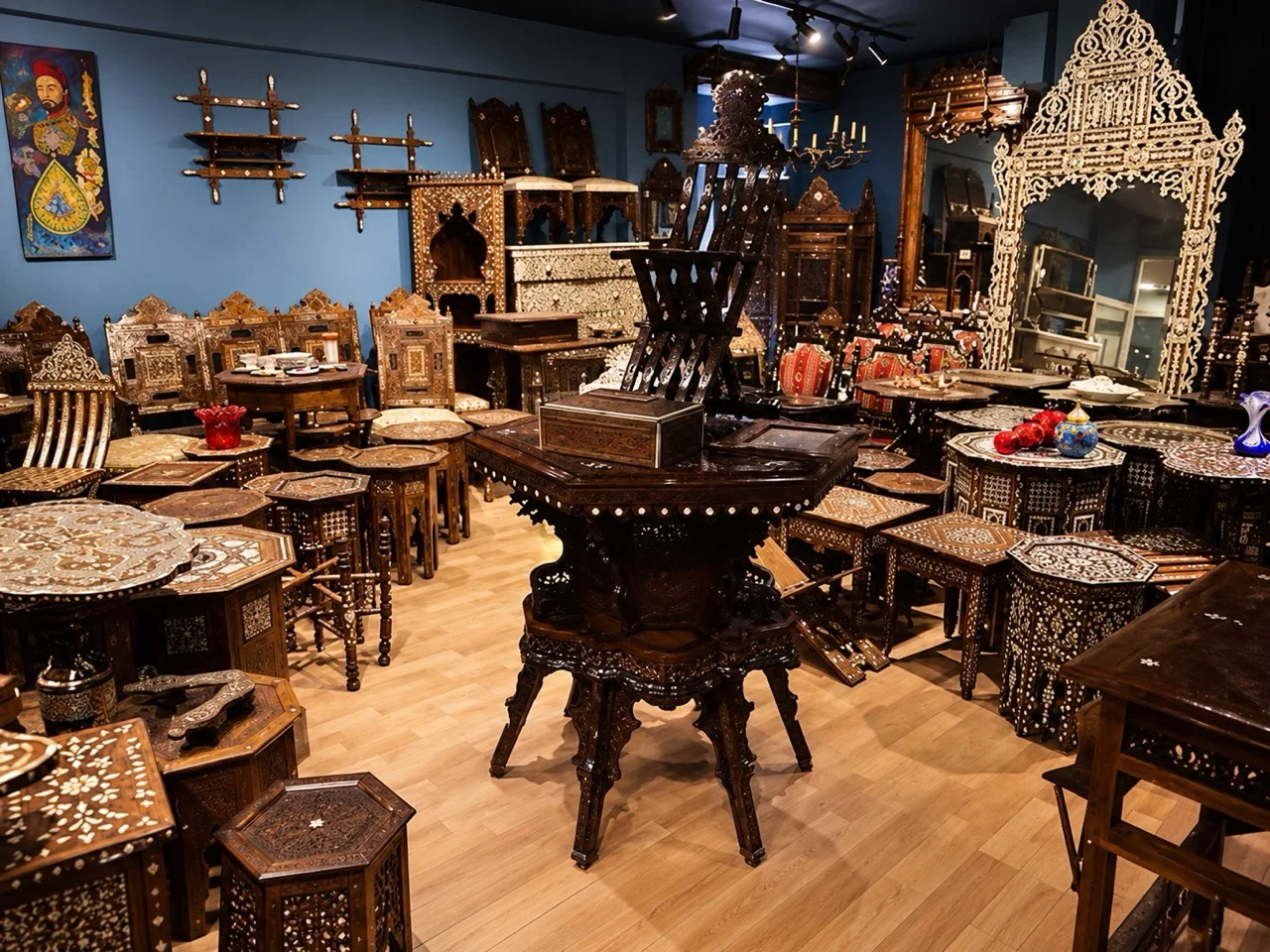
Horhor is worth the detour if you are looking for a statement piece or want to compare several furniture dealers in one visit. It is less satisfying for a traveller hoping to find small, inexpensive souvenirs. The building is also useful on a rainy day, although it can feel dense and slightly overwhelming.
What to know before you buy
- Carry Turkish lira in small denominations. Cards are more common in established antique shops than at open-air stalls.
- Compare prices before negotiating. Ask for the “son fiyat”, meaning the final price, and be prepared to leave if it does not suit you.
- Inspect clothing, leather, ceramics and electrical objects carefully. Flea-market condition is part of the price.
- If an object is described as Ottoman, archaeological or especially old, use an authorised dealer, ask for a detailed receipt and ask whether a museum certificate or export documentation is required. Turkish law strictly restricts the export of cultural property: some objects cannot be exported at all, while others may require official assessment or documentation before departure.
- For furniture or fragile pieces, ask whether the dealer can arrange professional packing and shipping.
- Do not plan around an exact closing time unless the market or dealer has confirmed it. Weather, public holidays and local arrangements can affect opening days.
How we would plan it
For one market-focused morning, choose Feriköy on Sunday and arrive early. For an Asian-side day, combine Kadıköy’s Hasanpaşa market area with Tellalzade Street, then return to the centre for lunch and the waterfront. For a more design-led afternoon, walk from Taksim or Şişhane through Çukurcuma and Cihangir. Horhor deserves a separate visit if furniture is the main reason you are looking.
The most useful approach is to choose one market according to your interests instead of trying to cover them all. Istanbul has plenty of places to browse. The better finds usually come when you give one neighbourhood enough time.