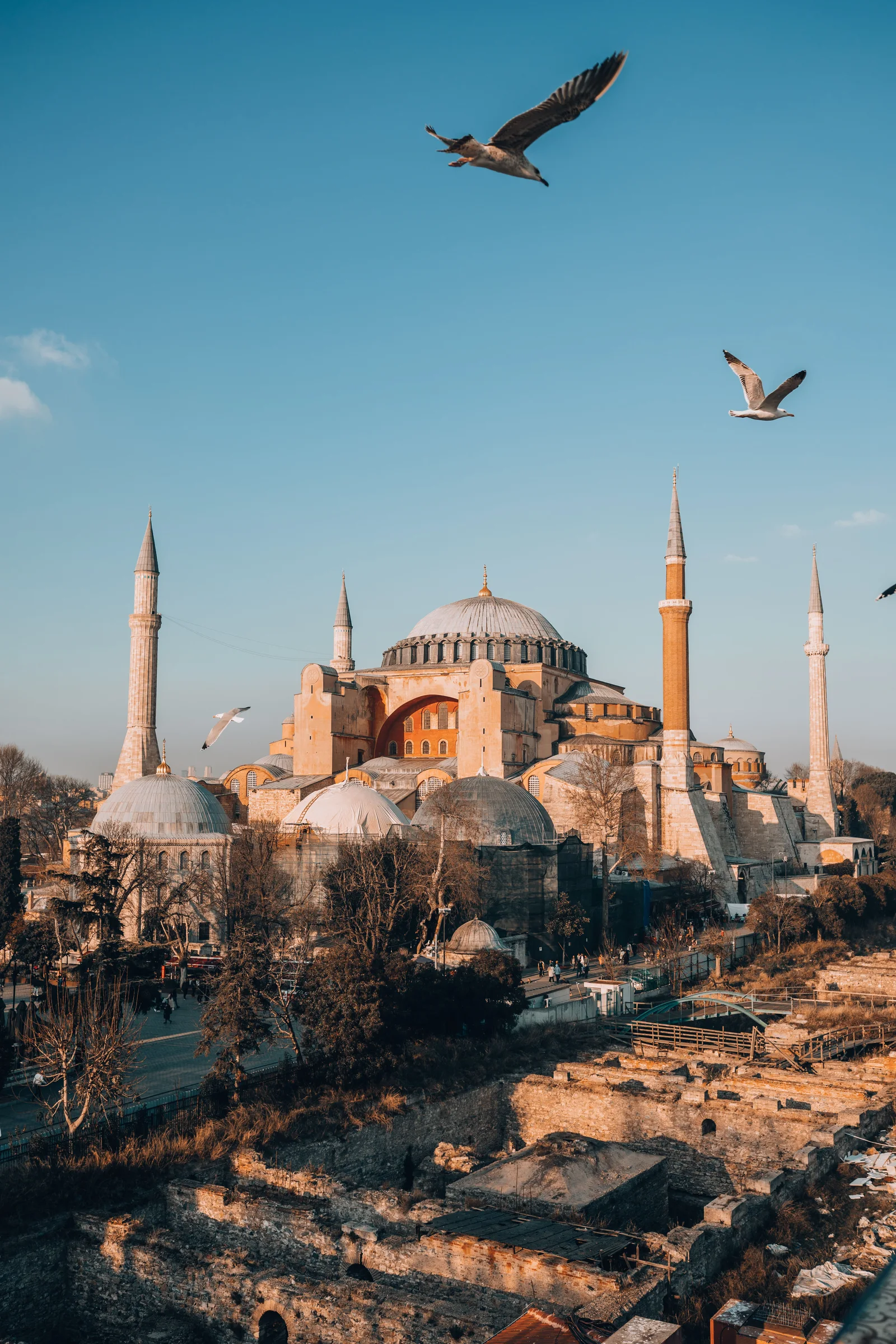
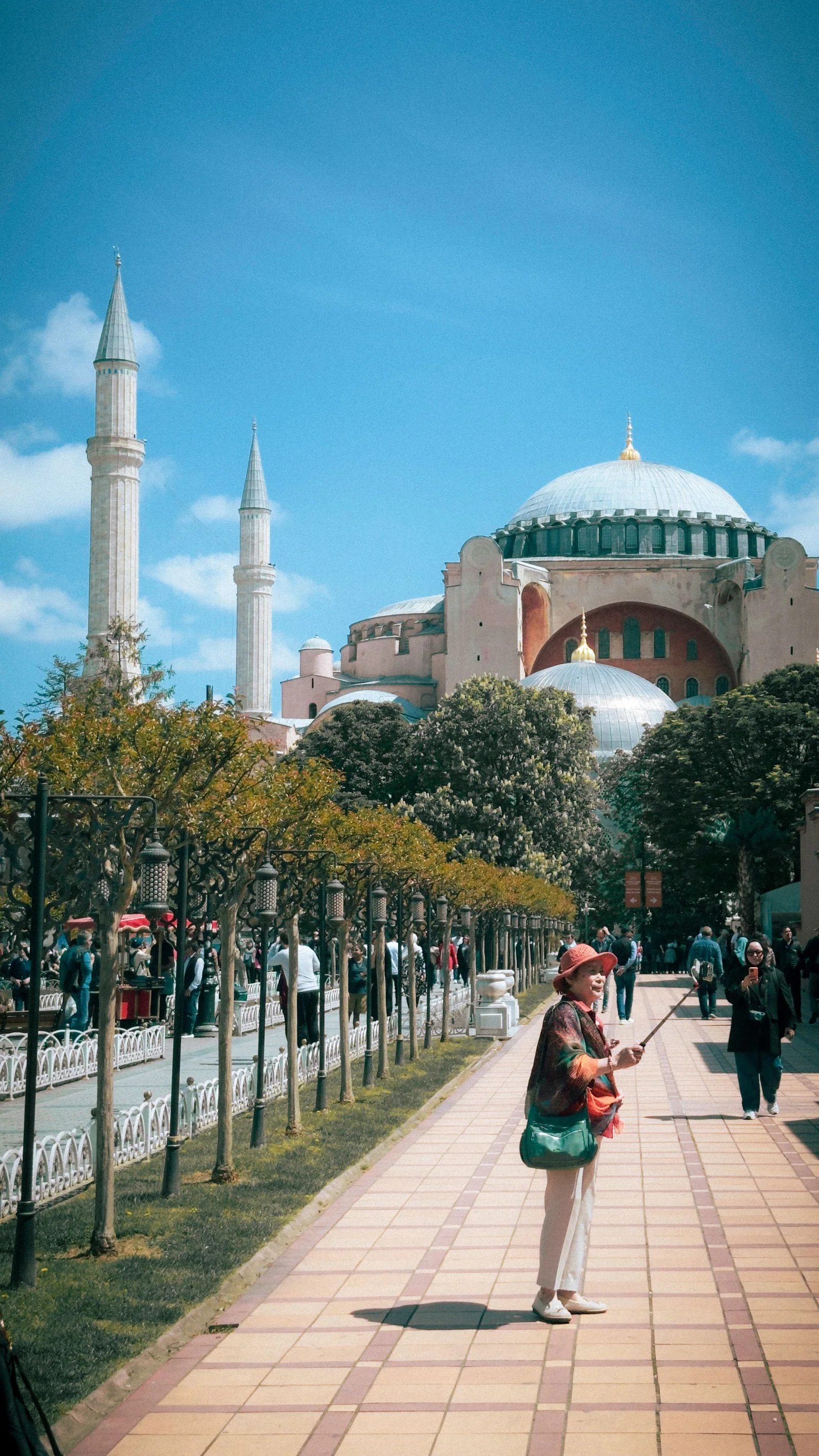
Hagia Sophia is one of Istanbul’s most layered landmarks. The present building was commissioned under Emperor Justinian and constructed between 532 and 537, on the site of earlier churches. Its vast dome, surviving mosaics and Ottoman additions reflect the building’s long history as a church, mosque and museum.
It is still an active mosque, and tourist access is currently organised through a designated, ticketed visitor-gallery route on the upper level. Worshippers use the prayer areas without a tourist-gallery ticket, while visitor access can be restricted around prayers and religious occasions. Check the current official visitor information before setting out, since hours, queues, restoration work and accessible areas can change.
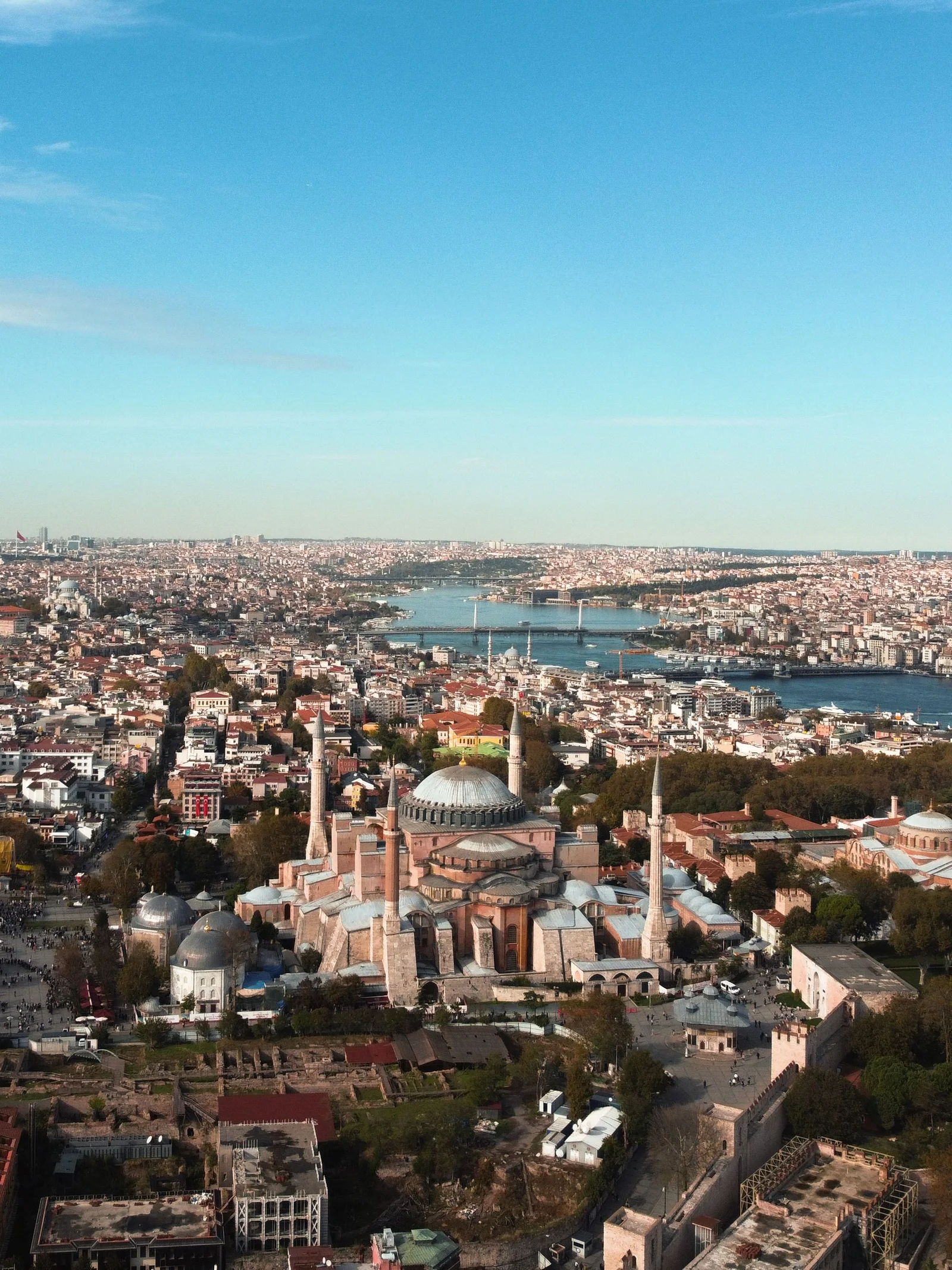
Why Hagia Sophia matters
The name Hagia Sophia comes from the Greek for Holy Wisdom. For almost 1,000 years, the building served as an Orthodox church and an important centre of Byzantine religious and imperial life.
An earlier church stood on the site between 408 and 415. After that building was destroyed, the present structure was designed by Anthemius of Tralles and Isidore of Miletus during the reign of Justinian. The scale and engineering of the sixth-century building remain its defining qualities.
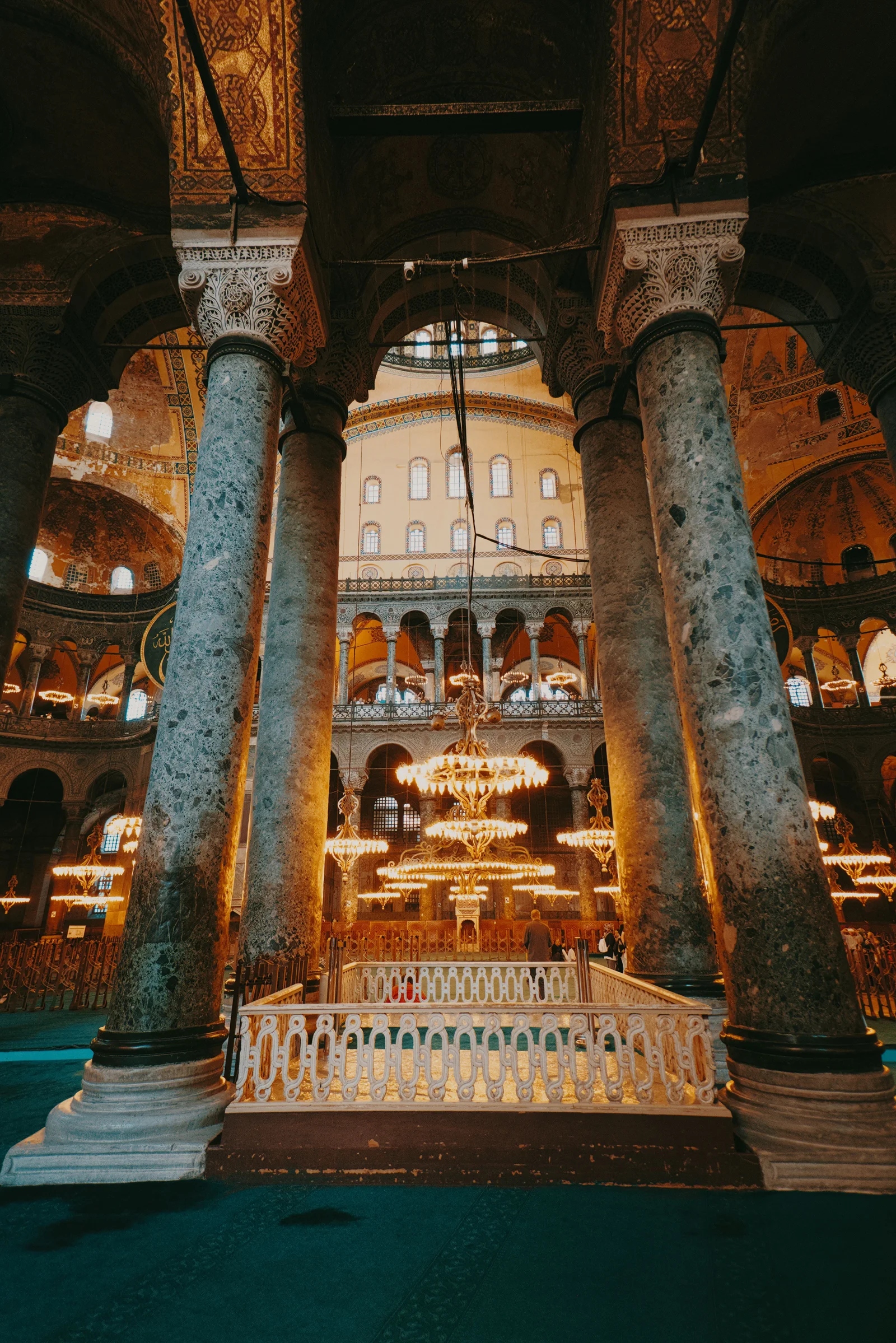
From imperial church to Ottoman mosque
Hagia Sophia was an imperial building, closely connected with the Byzantine court and clergy. It was also associated with the coronation of Byzantine emperors until the Ottoman conquest of Constantinople in 1453.
After Sultan Mehmed II took the city in 1453, Hagia Sophia was converted into a mosque. The mosaics were covered or concealed in accordance with mosque use, and four minarets were added over time. Many Christian images were uncovered during the twentieth-century museum period, although what visitors can see today depends on the current visitor route, prayer arrangements and ongoing conservation work.
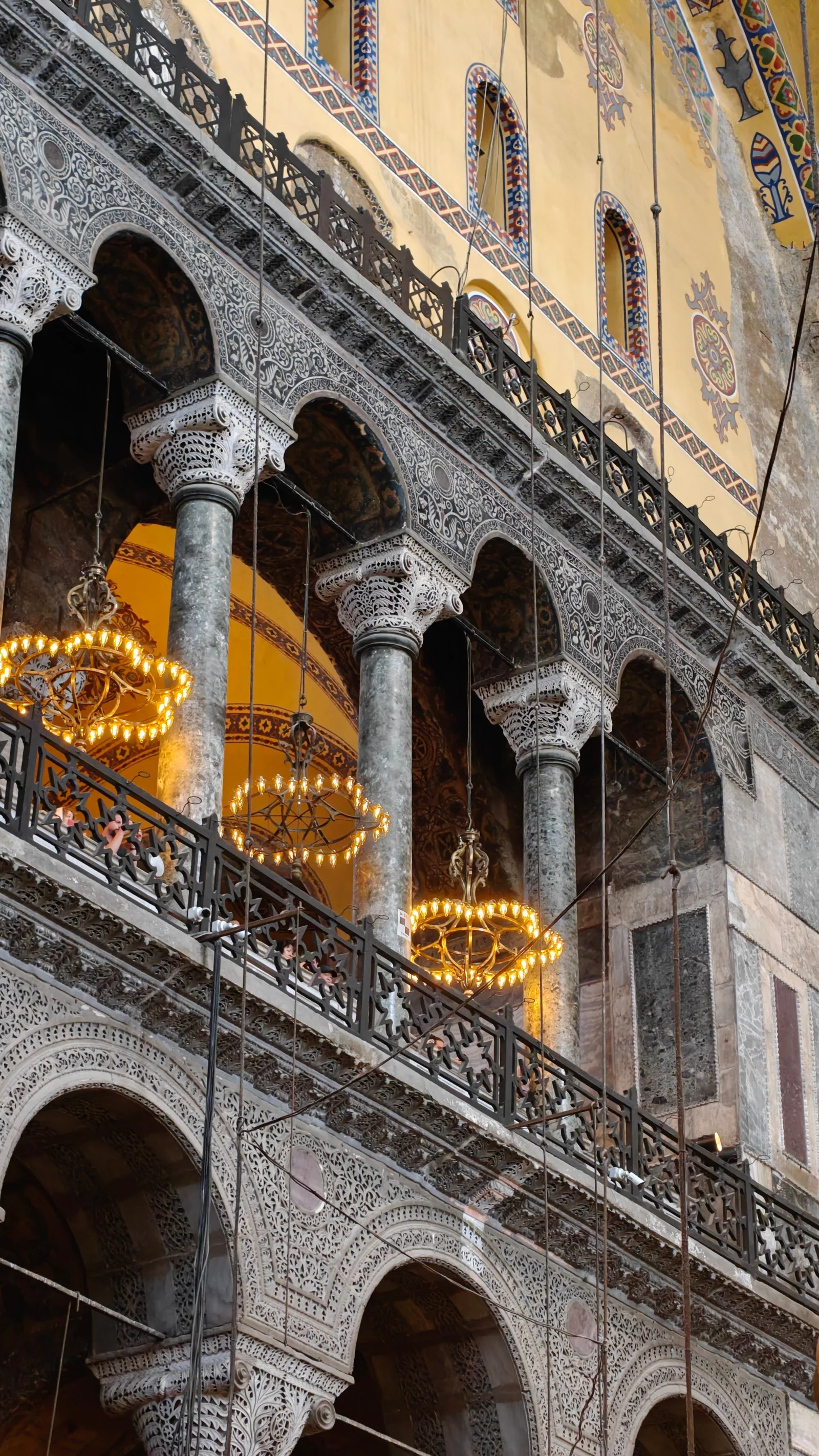
The museum years and its present status
Hagia Sophia was made a museum during the twentieth century, allowing its Byzantine mosaics and Ottoman layers to be viewed together. It was converted back into a mosque in 2020 and remains a place of worship.
That change matters when planning a visit. The main prayer hall is not the normal tourist sightseeing route; non-worship visitors currently enter through a paid upper-gallery route, while prayer access is separate. The visitor gallery is listed as open daily from 09:00 to 19:30, but prayer periods, religious holidays, security procedures and restoration can affect access. Check the current official visitor information before you go rather than relying on older museum-era travel information.
Little Hagia Sophia
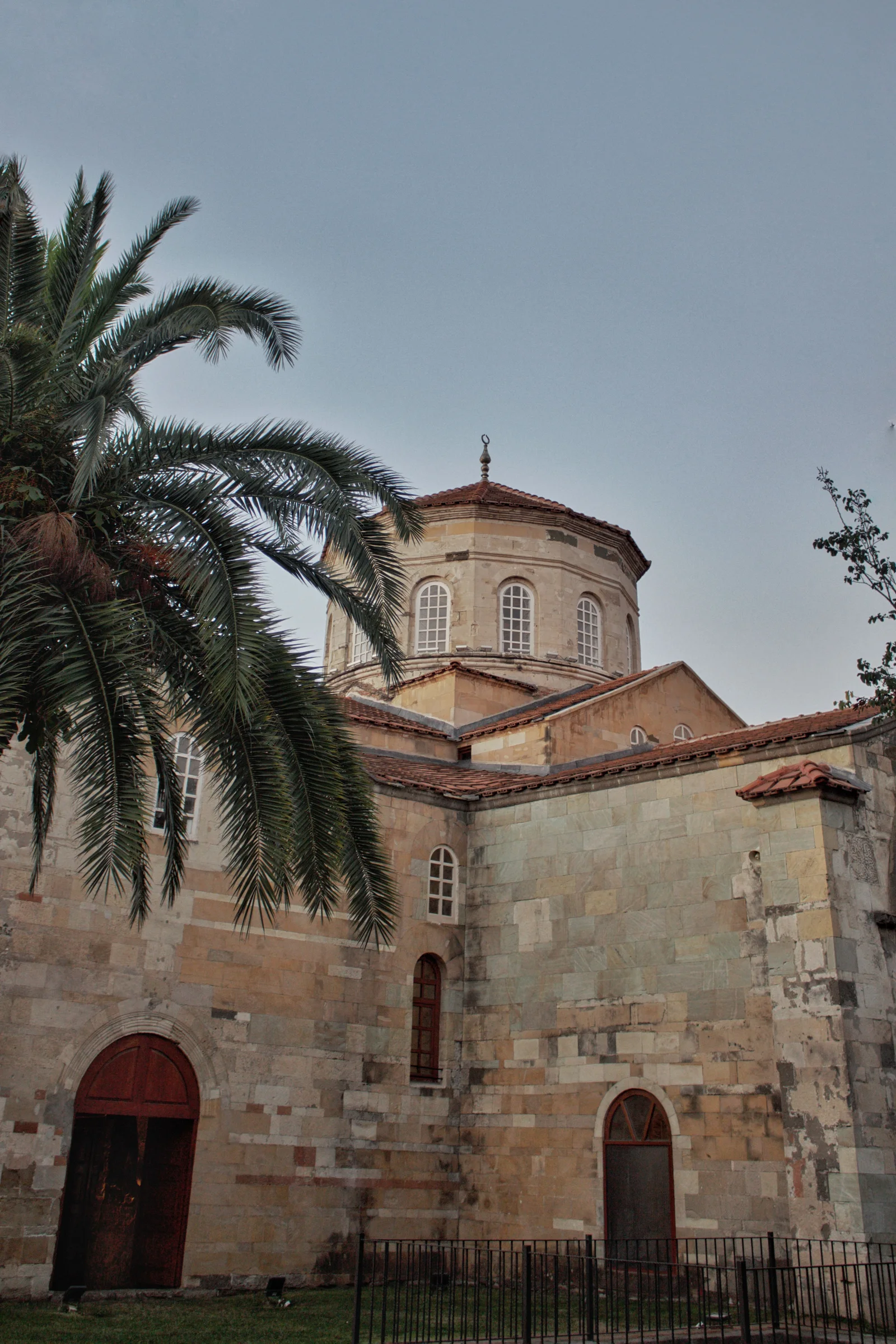
Little Hagia Sophia was built between 527 and 536 and is named for its resemblance to the larger monument. It is traditionally associated with the same architectural circle and is a useful addition if you want to see another early Byzantine structure without committing to a full museum visit.
The walk from Hagia Sophia is often described as taking around 15 minutes, but allow extra time for the streets and your route. As it is also a mosque, avoid arriving during prayer and verify its current opening arrangements locally before making it part of a fixed itinerary. Do not assume that its access rules or hours match those of Hagia Sophia.
What to know before you go
Allow around an hour to an hour and a half for the current Hagia Sophia visitor-gallery route, with additional time for security checks and queues. The nearby Hagia Sophia History and Experience Museum is a separate attraction, not the same as the mosque’s visitor gallery; allow roughly half an hour or more if you choose to visit it. Check its current ticket and hours independently.
Visitors should dress modestly and follow the site’s current mosque instructions. Head coverings may be required for women in worship areas, and shoes must be removed where visitors enter carpeted prayer spaces. The paid tourist route is separate from ordinary worship access, so follow staff directions rather than assuming that the rules or entrance route are the same for every visitor. Bring a scarf if you prefer not to rely on coverings provided near the entrance.
Our take
Hagia Sophia deserves a place in a first Istanbul itinerary because its architecture and history are unusually concentrated in one building. You do not need a full day for it: an hour and a half is a sensible starting point, with extra time if you want to study the details or encounter a queue.
Prioritise the current upper-gallery visitor route and its surviving architectural layers, while keeping expectations realistic during restoration. Add Little Hagia Sophia if you have time and an interest in early Byzantine design. A guide can be useful for the history, but choose one carefully and verify current access arrangements independently. For current planning, expect a paid tourist-gallery ticket of about €25 for foreign visitors, daily listed visitor-gallery hours of 09:00–19:30, and possible interruptions or restrictions caused by prayer, religious events, security procedures or restoration.