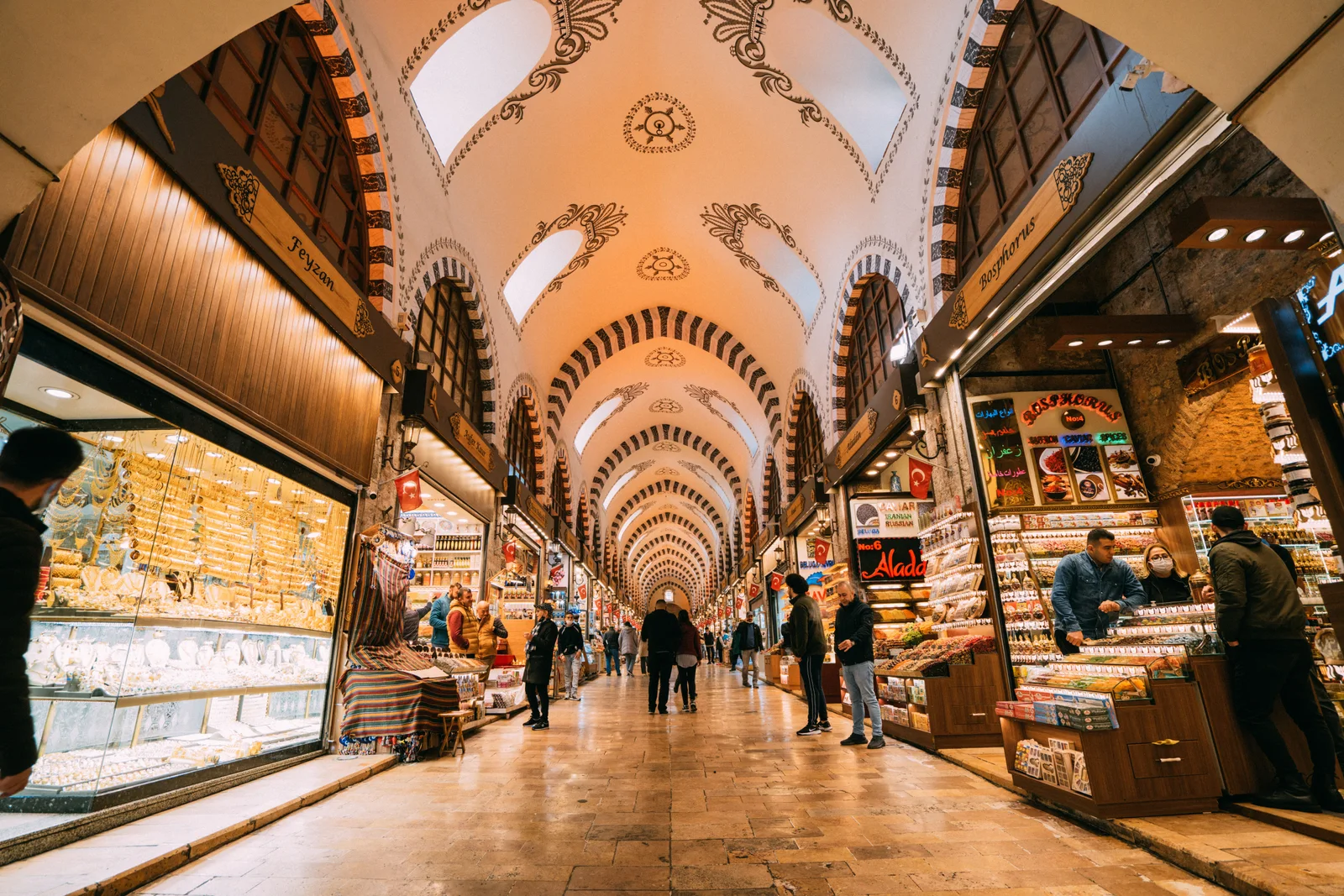
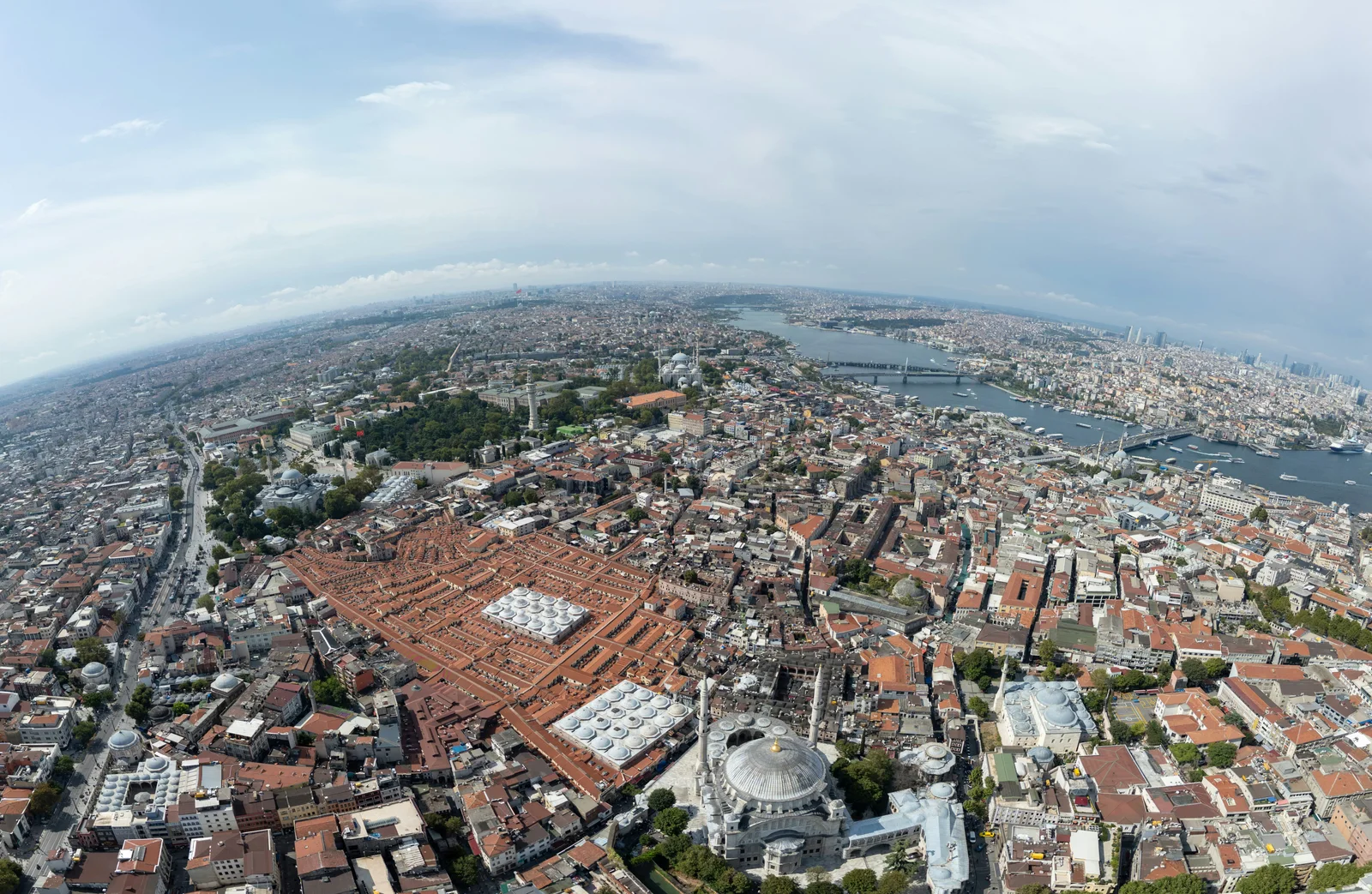
The Grand Bazaar, or Kapalıçarşı, is one of Istanbul’s places that deserves a little strategy. It can feel overwhelming at first: covered lanes, hundreds of shopfronts and several competing invitations to come inside. Go with a clear idea of what you want to notice, buy or skip, and the experience becomes far more enjoyable.
Did you know it dates back to 1461?
The bazaar was founded after Sultan Mehmed II’s conquest of Constantinople. Its present form developed gradually around two historic bedestens — vaulted halls originally used for valuable goods. The market has expanded, burned, been repaired and changed over the centuries, but it remains a working centre of trade rather than a preserved museum.
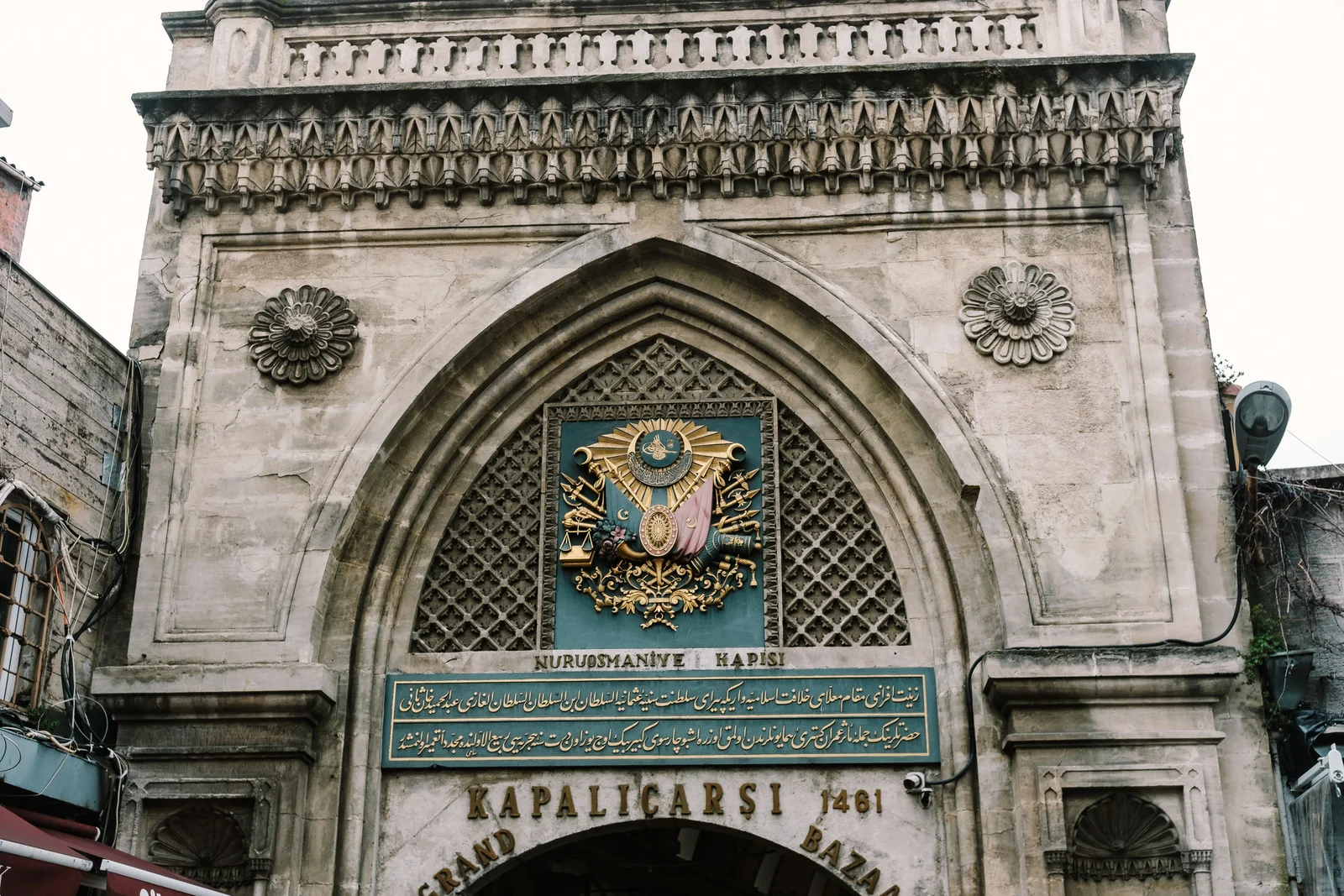
It is a small district under one roof
The exact figures vary depending on what is counted, but the Grand Bazaar covers dozens of streets and contains more than 3,000 shops. There are also hans, courtyards, fountains, cafés and places of worship within the wider complex. Allow at least two hours if you want to browse without rushing; a quick walk through the main lanes can be done in much less time.
The street names still remember old trades
Many parts of the bazaar were historically organised by guild. Street names refer to trades such as jewellery, leather, slippers or textile work. That arrangement is less strict today, but it explains why similar shops often appear in clusters rather than being scattered randomly throughout the market.
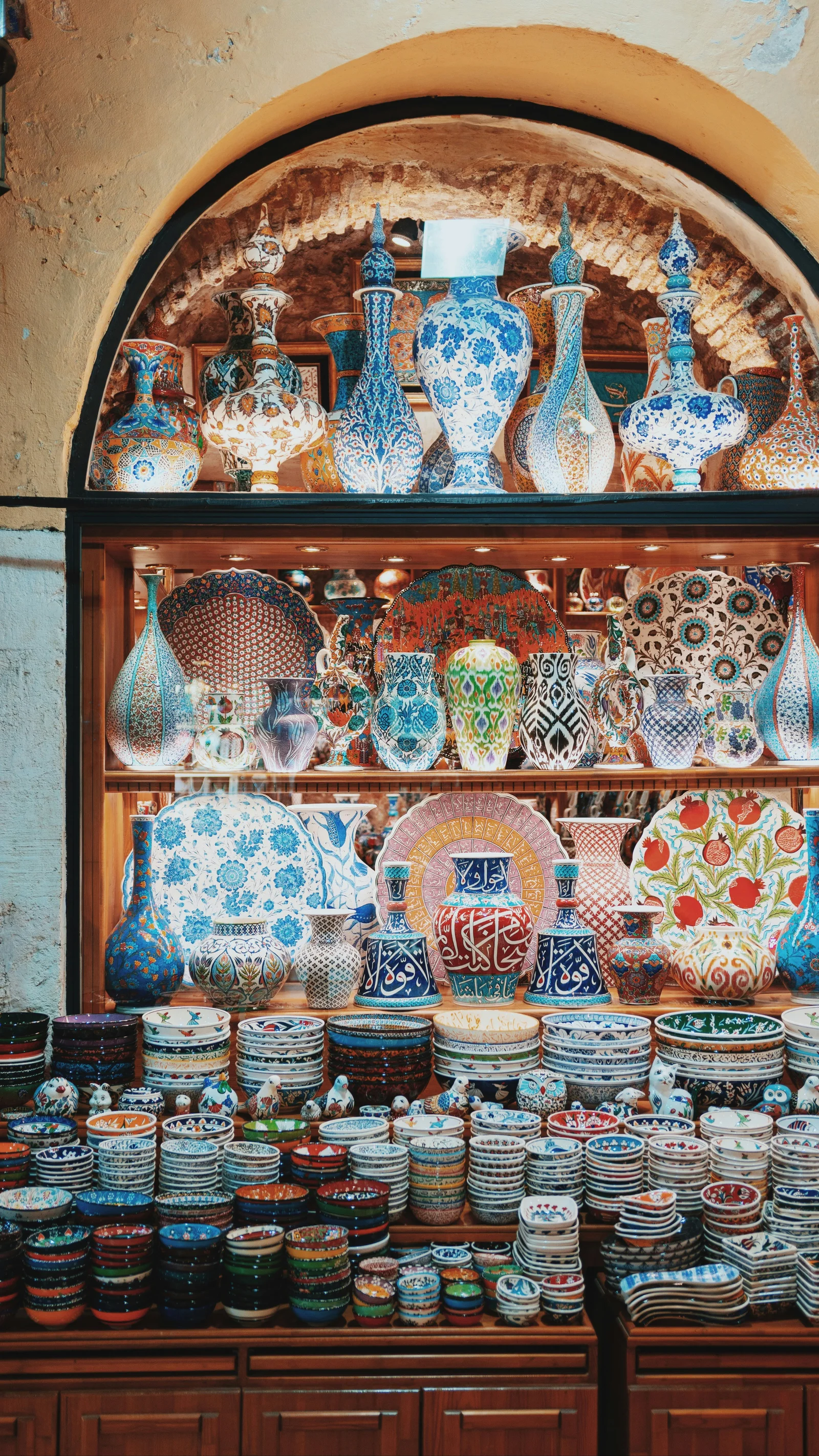
The first price is usually an opening point
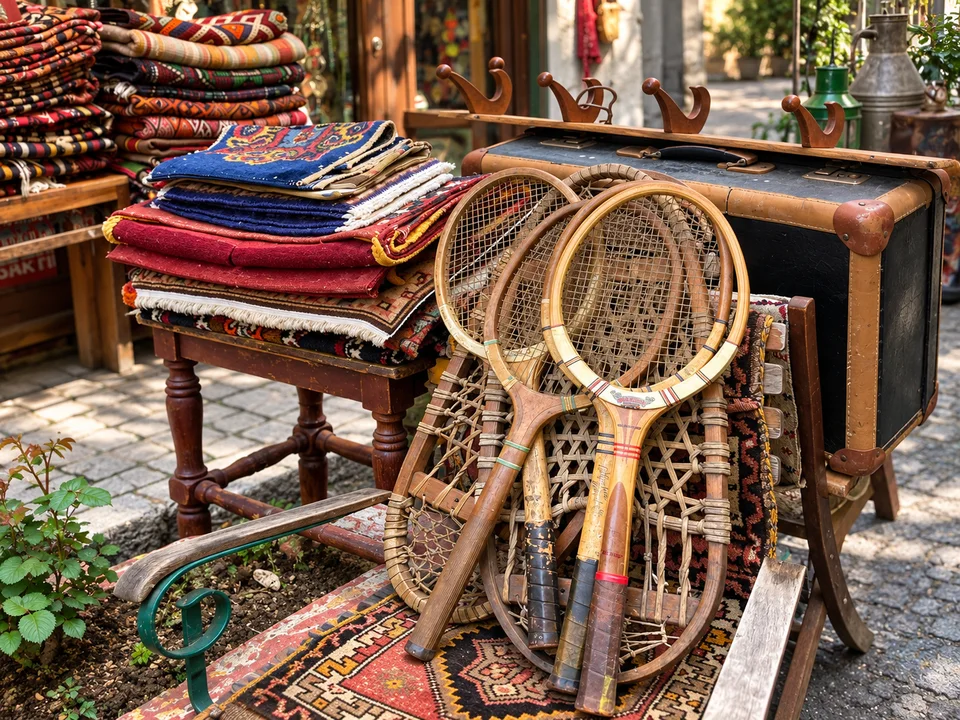
Bargaining is part of the shopping culture, especially for carpets, leather, textiles, decorative objects and souvenirs. Take your time, compare a few shops and decide what an item is worth to you before negotiating. A polite refusal is enough if you are not interested. If the conversation becomes tiring, you are allowed to leave.
- Do not begin bargaining unless you are genuinely considering the purchase.
- Ask whether the price is for the exact item you are holding.
- Compare quality as well as price, particularly with carpets, jewellery and leather.
- Agree the final price clearly before payment.
- Keep your belongings close in crowded lanes.
Go earlier if you want a calmer visit
Mid-morning on a weekday is generally more comfortable than the busiest part of the afternoon. The market is usually closed on Sundays and some public holidays, but opening arrangements can change, especially around religious festivals. Check current hours before planning your visit.
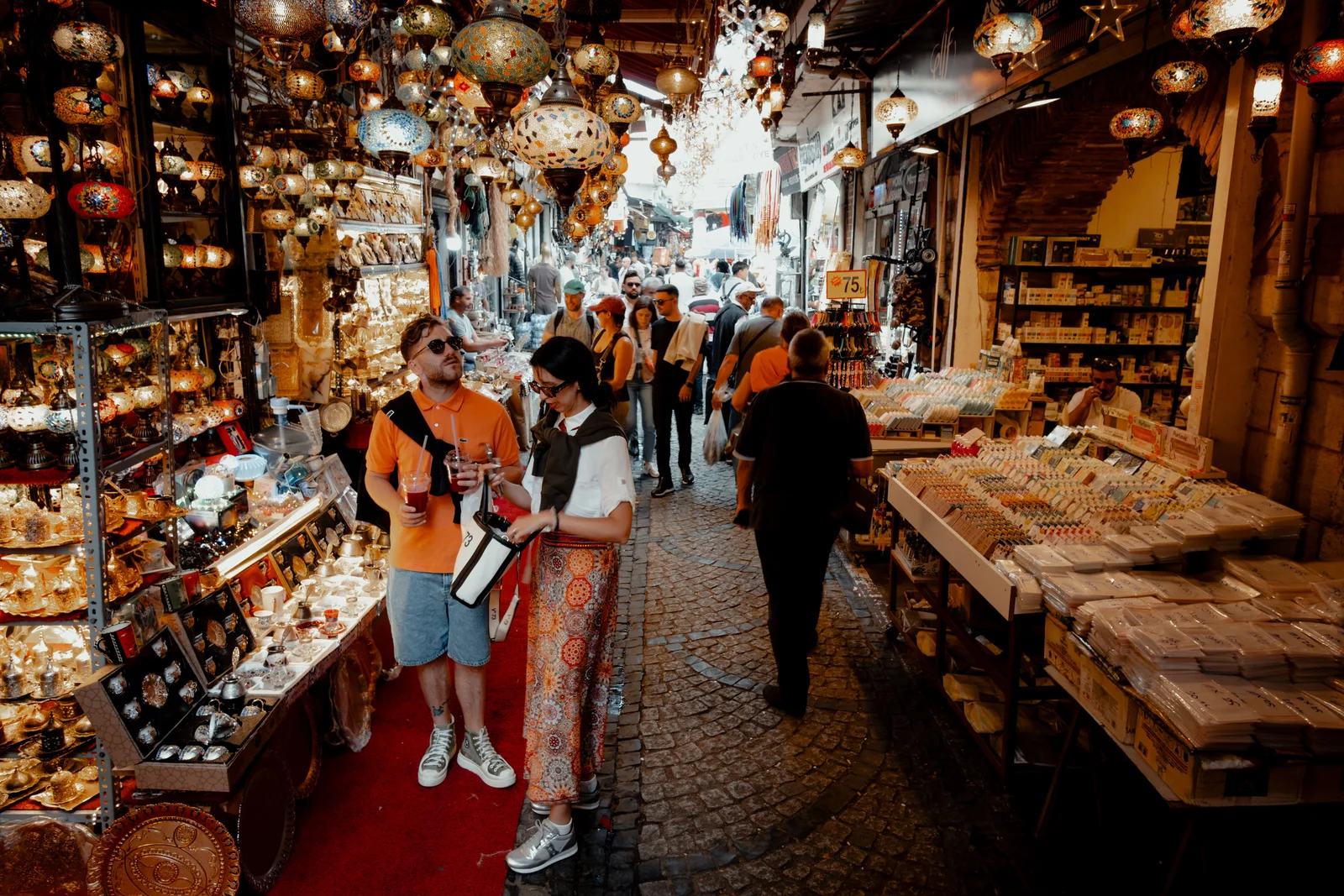
You do not need to buy anything
Entry to the bazaar is free, and browsing is part of the experience. You can come for the domed passages, the old commercial layout and the atmosphere of a market that has been trading for centuries. It is worth visiting even if you leave without a bag.
A simple way to visit
- Arrive through the Beyazıt-Kapalıçarşı area or one of the main historic gates.
- Walk through the busiest central lanes first to get your bearings.
- Step into quieter hans and side passages before deciding where to shop.
- Take a short break outside the market if the noise and crowds become tiring.
- Combine the visit with nearby historic sites, but avoid scheduling too many major attractions immediately afterwards.
The Grand Bazaar does not need to be conquered. Give it a little time, notice how the market is organised and buy only what you would still want once you are back home. That is usually the difference between a hurried tourist stop and a worthwhile Istanbul experience.