Peru at a thoughtful pace: markets, mountains and Andean kitchens
Peru itineraryMachu PicchuCuscoSacred ValleyArequipaPeruvian foodAndean cultureMarkets
This 11-day route links Lima, Arequipa, Cusco, the Sacred Valley and Machu Picchu without trying to cover the whole country. It gives you Peru’s strongest cultural and food experiences, with room for altitude adjustment, unhurried meals and a few quieter corners beyond the headline sights.
The trip works best with one domestic flight from Lima to Arequipa and another from Arequipa to Cusco, followed by trains and shared vans through the Sacred Valley. At a total budget of $5,000 for two, choose simple, well-located hotels, casual restaurants and standard-class trains; international flights are not included in that estimate.
DAY 1
Lima’s old centre and first taste of Peru
Centro Histórico de Lima
Sight
Plaza de Armas and Lima Cathedral exterior
Begin with the colonial core around the main square, keeping the morning light and flexible after travel. Look for the contrast between Spanish-era façades and the city’s older urban layers.
A compact, atmospheric introduction to Lima’s viceregal history. Join a guided visit if available, as much of the value lies in the stories behind the architecture.
Make this your first serious meal: ceviche, causas or a simple arroz con mariscos are more useful introductions to Lima than an elaborate tasting menu on arrival day. Ask what is freshest rather than ordering broadly.
Take an easy late-afternoon walk between the historic squares, stopping whenever the streets feel busy or tiring. Use a registered taxi for the return if you are carrying luggage or staying outside the centre.
Keep dinner relaxed in Barranco, where small restaurants and bars make a gentler first evening than a destination meal across town. Try one shared starter and a pisco sour if you feel rested.
Plan BIf the historic centre is unusually hot or crowded, spend the afternoon at the Museo Larco instead and dine in Pueblo Libre.
DAY 2
Markets, contemporary Lima and the Pacific edge
Miraflores and Barranco
Breakfast
Breakfast at a local market
Choose a market near your hotel and order a fresh juice, tamal or bread with avocado. Go early for the clearest sense of daily shopping and the widest produce selection.
A manageable cultural stop with modern and contemporary Peruvian art. Check the current exhibition programme before committing, as temporary displays shape the visit.
Walk the quieter residential streets toward the bridge and the cliff-top paths. This is a good place to slow down, rather than treating Barranco as a checklist of photo stops.
Look for a busy neighborhood restaurant serving lomo saltado, ají de gallina or seco. Portions are often generous, so sharing makes the budget and the afternoon easier.
Follow the clifftop promenade for ocean views and a low-effort afternoon outdoors. Stay on the main paths and use a taxi between districts rather than attempting the entire city on foot.
Dinner at a neighborhood picantería-style restaurant
Choose a place known for Peruvian regional cooking rather than an international menu. Reserve only if necessary; otherwise ask hotel staff where locals eat nearby.
Plan BLima’s grey weather is normal; replace the malecón with the Museo Nacional de Arqueología, Antropología e Historia del Perú if the coast is unpleasant.
DAY 3
Arrival in the White City
Arequipa Historic Centre
Other
Flight from Lima to Arequipa
Take a morning domestic flight and keep the rest of the day intentionally light. Arequipa sits at roughly 2,335 metres, so hydrate, walk slowly and avoid planning a strenuous excursion on arrival.
Lima to Arequipa · about half a day including airport time
Start with Arequipa’s regional cooking: rocoto relleno, chupe de camarones when in season, or a lighter adobo-style dish. Ask for a small portion if you are still adjusting to altitude.
Give this extensive monastic complex time rather than rushing through it. Its lanes, courtyards and painted walls are among the most rewarding architectural experiences in southern Peru.
Return to the main square when the stone façades soften in the evening light. The surrounding streets are compact and well suited to an unstructured wander.
Choose a traditional picantería for local dishes and a more grounded atmosphere than a hotel restaurant. Keep the evening short if either of you develops a headache or feels unusually tired.
The viewpoint’s carved sillar arches frame Misti volcano when the sky is clear. Walk through the surrounding residential streets for a quieter perspective before returning downtown.
This focused museum explains the archaeology and ritual context behind the Inca child sacrifice discoveries in the Andes. Treat it as a serious historical visit rather than a curiosity stop.
Browse fruit, cheese, herbs and prepared foods before choosing a busy stall. Keep valuables secure and follow local hygiene cues when selecting juices or cooked dishes.
Explore the streets around the cathedral and Compañía de Jesús, noticing how volcanic sillar shapes doorways, arcades and courtyards. Leave time for coffee in a shaded plaza.
Plan BIf visibility is poor, concentrate on Santa Catalina, Compañía de Jesús and the city’s small galleries rather than chasing volcano views.
DAY 5
From Arequipa to Cusco, with a gentle landing
Cusco Historic Centre
Other
Flight from Arequipa to Cusco
Fly rather than attempting the long overland journey within an 11-day trip. Cusco is around 3,400 metres above sea level, so make this a low-pressure arrival day and avoid alcohol until you know how you feel.
Arequipa to Cusco · most of the morning including airport time
Choose soup, quinoa, potatoes or another simple meal near the hotel. Coca tea is commonly offered, but rest, fluids and a slower pace matter more than any single remedy for altitude.
Take a short orientation walk around the square, Loreto Street and the San Blas edge. The route is steep in places; pause often and do not mistake a short distance for an easy walk at altitude.
Choose a small, well-reviewed kitchen serving Andean ingredients rather than a heavy tasting menu. A quiet evening will make tomorrow’s walking much more enjoyable.
Plan BIf altitude symptoms are noticeable, skip the museum and spend the afternoon resting, with only a short walk around the main square.
DAY 6
Cusco’s Inca foundations and everyday markets
Cusco Historic Centre and San Pedro
Market
Breakfast at Mercado de San Pedro
Browse fruit, grains, breads and breakfast stalls, then choose a cooked dish with a high turnover. It is a lively, practical market rather than a polished food hall.
Study the surviving Inca masonry and the later colonial church built over the temple complex. A guide can help explain what is architectural evidence and what is later interpretation.
Follow Hatun Rumiyoc and the nearby streets at an easy pace, looking closely at the joining of Inca masonry with colonial construction. Avoid blocking doorways or treating residential streets as a performance space.
Try a menu del día or a simple plate featuring trout, quinoa, potatoes or corn. Keep lunch moderate; rich food can feel heavier while you are still acclimating.
This compact collection gives useful visual context for the cultures that preceded and surrounded the Inca state. It is a good complement to the more site-based history of the morning.
Look for a restaurant using native potatoes, local corn, ajíes or native grains. Ask for a table away from amplified music so dinner remains part of the day rather than another activity to endure.
Plan BFor rain, spend more time at the Museo de Arte Precolombino and Museo Inka, linking them with short taxi rides rather than a long walk.
DAY 7
Cusco’s hillside archaeology and a restorative afternoon
Saqsaywaman and San Blas
Historic site
Saqsaywaman
Take a taxi uphill and walk down gradually, rather than climbing from the centre. The scale of the cyclopean walls and the views back toward Cusco make this a worthwhile half-day outing.
If energy and ticket access allow, add Q’enqo or another nearby archaeological site. Do not force every site in the circuit; the landscape and walking between them are part of the experience.
Book a modest, reputable spa treatment rather than an elaborate resort package. This is a useful reset before moving through the Sacred Valley, especially after several high-altitude days.
Browse studios and small shops, looking for clear information about materials and origin. Buy one considered piece rather than treating the neighborhood as a market sweep.
Plan BIn wet weather, replace the hillside sites with the Museo Histórico Regional and a longer spa break.
DAY 8
Sacred Valley: salt terraces, villages and a slower night
Chinchero, Maras and Urubamba
Other
Shared transfer toward the Sacred Valley
Use a small group day tour or arrange a private taxi shared with another couple. The route is geographically coherent if you visit Chinchero, Maras and the salt terraces before continuing to Urubamba or Ollantaytambo.
Chinchero archaeological site and textile demonstration
Chinchero combines Inca terraces, colonial architecture and living textile traditions. Buy directly only if you are comfortable with the price and can identify the material honestly.
The salt pans are a working landscape, not just a viewpoint. Stay on designated paths and check local access conditions, which can change with weather and community management.
Choose a valley restaurant or a simple local meal based on seasonal produce. This is a good day for corn, broad beans, trout and native potatoes rather than another high-end interpretation.
Use the afternoon for a low-key walk and a change in climate. The valley is lower and generally easier on the body than Cusco, though sun protection remains important.
Stay in Ollantaytambo to avoid backtracking and make the next morning’s train easier. Choose a small dining room near the central lanes and pack only what you need for Machu Picchu.
Plan BIf rain affects the salt terraces, spend more time in Chinchero and continue to Ollantaytambo for its archaeological site and village lanes.
DAY 9
Ollantaytambo and the journey to Machu Picchu
Ollantaytambo and Machu Picchu Pueblo
Historic site
Ollantaytambo archaeological site
Explore the terraces and ceremonial sector before the train, allowing time for steep steps and pauses. Ollantaytambo is one of the Sacred Valley’s most satisfying places to understand how landscape and Inca planning worked together.
Book a standard train and travel with a small daypack. PeruRail’s current policy allows one small backpack or carry-on for the Machu Picchu route, with storage available for larger luggage at designated stations. (perurail.com)
Ollantaytambo to Machu Picchu Pueblo · about 2 hours, depending on service
Settle into the town, find the bus departure point and walk beside the Vilcanota River. Avoid adding a strenuous hike today; tomorrow’s timed entry is the main event.
Browse the town market for fruit, snacks and practical supplies for the morning. Keep purchases light, as you will be carrying everything on the bus and through the entry process.
Choose a simple meal and confirm your entry time, bus arrangements and return train. Current 2026 access uses timed circuits and sub-circuits, with capacity varying between high- and low-season periods, so reservations should be made well ahead. (perurail.com)
Plan BIf the valley is wet, keep the Ollantaytambo visit short and use the afternoon for the train journey and rest.
DAY 10
Machu Picchu, then back to Cusco
Historic Sanctuary of Machu Picchu and Cusco
Historic site
Bus and timed entry to Machu Picchu
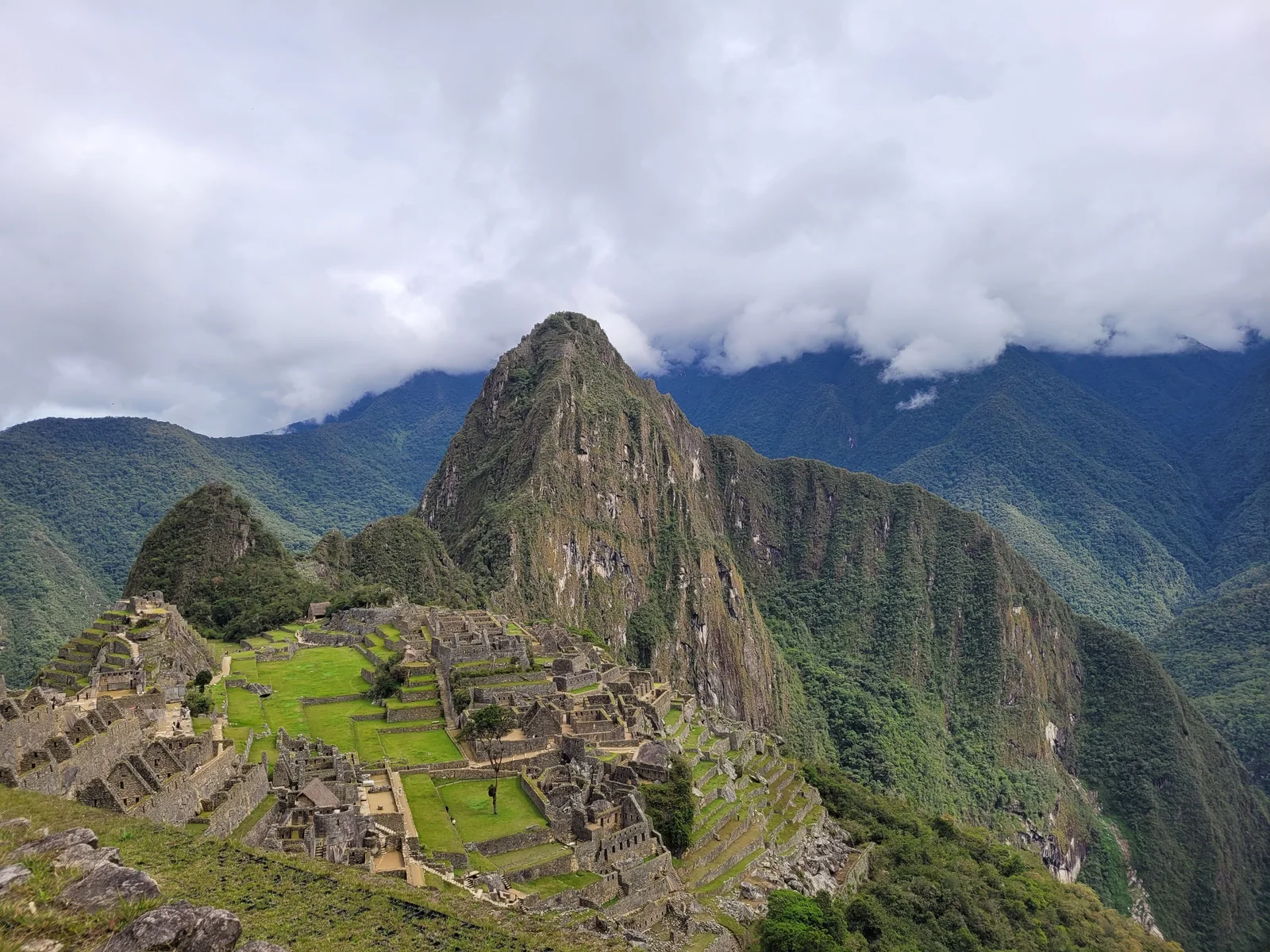
Use the circuit assigned to your ticket and follow the one-way route rather than trying to improvise. The sanctuary combines archaeological remains with protected mountain forest and is managed as a mixed cultural and natural heritage site. (whc.unesco.org)
Take the bus down and leave time for a drink or early lunch. Do not schedule a tight same-day connection: train delays, queues and weather can all affect the return.
Return by train to Ollantaytambo, then continue by shared van or taxi to Cusco. Keep your larger luggage stored in Cusco if possible; the train baggage allowance is limited. (perurail.com)
Plan BIf Machu Picchu visibility is poor, continue with the visit rather than postponing automatically; mist is part of the mountain environment, but ask staff about official weather-related changes.
DAY 11
A final Cusco morning and departure
Cusco Historic Centre
Breakfast
Slow breakfast and café stop
Keep the final morning close to the hotel, with time to repack and check transport. A light breakfast is sensible before the airport or a long onward journey.
Choose one final cultural stop rather than squeezing in another distant ruin. Museo Casa Concha is particularly useful for reflecting on the Machu Picchu story and its movement through museums and collections.
Return to San Pedro or a neighborhood shop for coffee, cacao, dried herbs or a small textile. Pack food purchases carefully and check airline restrictions before buying fresh produce.
Have one final plate of Andean food, preferably somewhere with a calm terrace or courtyard. Leave generous time for the airport transfer because traffic around Cusco can be unpredictable.
Use a prearranged taxi or a trusted hotel transfer. If your international flight leaves from Lima the same day, build in a substantial buffer or spend the final night in Lima instead.