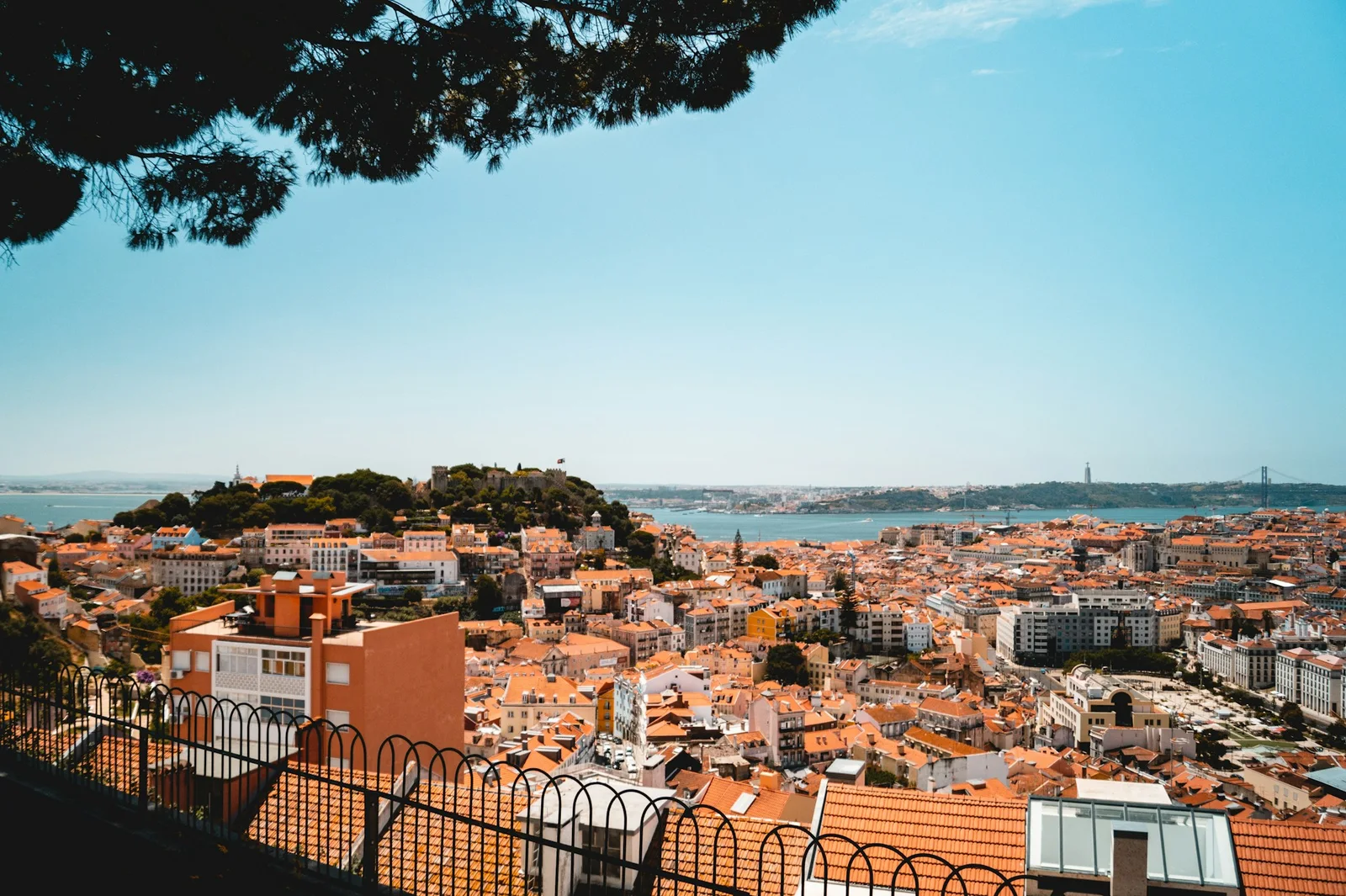
Lisbon in Five Days: Tiles, Tables and Modernist Lines
Lisbon itineraryPortugal travelFood and diningArchitectureTile museumsFadoWalking toursDesignCultural travel
Lisbon suits a couple who want to cover ground without turning the trip into a checklist. This plan moves through compact neighbourhoods on foot, using public transport only when the hills or distance make it worthwhile, with time set aside for long meals, pastry stops and unhurried people-watching.
The emphasis is on local texture: tiled façades, small food markets, historic streets, Portuguese painting and contemporary architecture. September is a good month for an active city break, but keep the order flexible around museum closures and reserve sought-after dinners or workshops ahead.
DAY 1
Baixa, Chiado and the riverfront
Baixa and Chiado
Breakfast
Breakfast in Baixa
Start with coffee and a pastry at a traditional pastelaria near Praça do Rossio or Praça da Figueira. Keep breakfast light; Lisbon’s best eating is often spread across several small stops.
Walk south through the Pombaline grid, looking up at the façades, shopfronts and patterned pavements. Continue to Praça do Comércio for an open view toward the Tagus before the square becomes busiest.
Explore Rua Garrett, Rua do Carmo and the smaller streets around Largo do Chiado. Browse Portuguese design, stationery, ceramics and old bookshops rather than trying to visit every major store.
Have lunch in or around Mercado da Ribeira, choosing a stall or nearby restaurant that focuses on Portuguese cooking. Treat the market as a useful introduction to regional ingredients, not as the only food destination of the trip.
Follow the river promenade west and pause on the steps or by the water. This is a deliberately low-pressure afternoon after the morning’s central-city walking.
Choose a contemporary Portuguese restaurant or a well-regarded neighbourhood tasca. Book ahead for a special meal, but leave room for a short evening walk through Bica afterward.
Plan BIf rain is persistent, spend the afternoon at the Museu do Chiado or another central gallery, then move dinner earlier.
DAY 2
Alfama, tiled history and fado
Alfama and Mouraria
Breakfast
Breakfast near São Vicente
Begin uphill, before the heat builds, with coffee and something savoury or sweet near São Vicente. Wear shoes with good grip; Alfama’s slopes and polished cobbles are tiring.
Visit the church and monastery complex if open, then drift through Alfama toward the viewpoints at Portas do Sol and Santa Luzia. Focus on the street plan, laundry, tiled walls and river glimpses rather than rushing between viewpoints.
Use the Fado Museum to understand the music’s history and social setting before hearing it live. Check the museum’s calendar before fixing this day, as opening schedules can change.
Book a small, reputable fado house rather than choosing a venue solely from a busy tourist street. Arrive for the first performance and keep conversation low while musicians are playing.
Prioritise the cloister and church, allowing time to notice the Manueline stonework. Buy or reserve entry in advance if your travel dates coincide with a busy weekend.
Walk through the gardens toward the Padrão dos Descobrimentos and Belém Tower. The tower is best treated as an exterior landmark unless you have confirmed current access and are willing to queue.
Have lunch before the museum portion of the afternoon. Choose a restaurant slightly back from the riverfront for a calmer meal and more reliable service.
Visit MAAT for contemporary art, architecture and the building itself. Its riverside setting makes it a strong match for your design interests; verify the exhibition programme close to departure.
Walk or take the tram back toward Alcântara, then choose dinner near the river or return to the centre. Keep the evening simple after a full day in Belém.
Plan BBelém has several indoor options close together, including MAAT, the Coach Museum and the Belém Cultural Centre; choose two rather than trying to do all three.
DAY 4
Markets, tiles and a hands-on food experience
Graça, Intendente and Marvila
Shopping
Feira da Ladra and São Vicente
If this falls on a Tuesday or Saturday, browse Feira da Ladra early, when vintage objects, books and household pieces are easiest to inspect. Otherwise, use the morning for a quieter walk through Graça.
Spend the late morning at the former Madre de Deus convent, where the collection gives useful context for Lisbon’s tiled streets and interiors. Confirm reopening and ticket information immediately before the trip, as the museum has been affected by renovation work.
Move back toward Intendente for lunch in one of the area’s Portuguese, Cape Verdean, Indian or other immigrant-run restaurants. This is a good day to follow the menu rather than a preselected cuisine.
Book a small-group class focused on dishes such as petiscos, cod, seafood or pastries. Ask whether the class includes a market visit and whether the meal is prepared and eaten by participants.
Treat the food workshop as dinner if it is substantial. If not, have a light meal and Portuguese wine in Intendente or Graça rather than crossing the city again.
Plan BIf the Tile Museum is closed, replace it with the National Museum of Contemporary Art in Chiado or an additional indoor workshop.
DAY 5
Gulbenkian, Avenidas Novas and a final long lunch
Avenidas Novas and Campo de Ourique
Breakfast
Breakfast around Saldanha
Start in the less touristed north-central city with coffee, fresh bread and fruit. The area is convenient by metro and gives the final day a different rhythm from the historic centre.
Allow time for both the collection and the landscaped grounds. The museum is particularly rewarding for painting and decorative arts, while the garden provides a calm pause between galleries.
Take the tram or a short taxi ride to Campo de Ourique for a neighbourhood lunch. Mercado de Campo de Ourique is useful for choice, while the surrounding streets offer a more conventional sit-down meal.
Visit the former home of Fernando Pessoa for a compact literary and cultural stop. Pair it with a slow walk through Campo de Ourique rather than adding another distant museum.
Return toward the centre for a final coffee and a viewpoint such as São Pedro de Alcântara. Use the pause to revisit a neighbourhood or shop you missed instead of adding another headline sight.
Choose the meal you most want to remember: a polished modern Portuguese restaurant, a classic seafood address or a small tasca. Reserve a table and keep the rest of the evening unscheduled.
Plan BThe Gulbenkian collection and Casa Fernando Pessoa provide enough shelter for a wet day; replace the viewpoint with a longer café stop or an additional gallery.
Mindful Vacation
Want a trip built around you?
Tell us where you are going, what matters to you and how you like to travel. We will build a personal itinerary around you.