
Sweden
Sweden rewards travelers who leave room in the day: for a quiet fika, a forest path, or a ferry through the archipelago. Its cities are polished but rarely overwhelming, while long summer light and snowy northern winters shape very different kinds of journeys. Plan around distance, weather, and your preferred pace.
Sweden is a country of generous distances and sharply changing seasons. Stockholm, spread across islands, is an easy starting point for museums, waterfront walks, and the city’s efficient public transport. Gothenburg feels more maritime and relaxed, while Malmö works well as a compact base for southern Sweden and nearby Denmark.
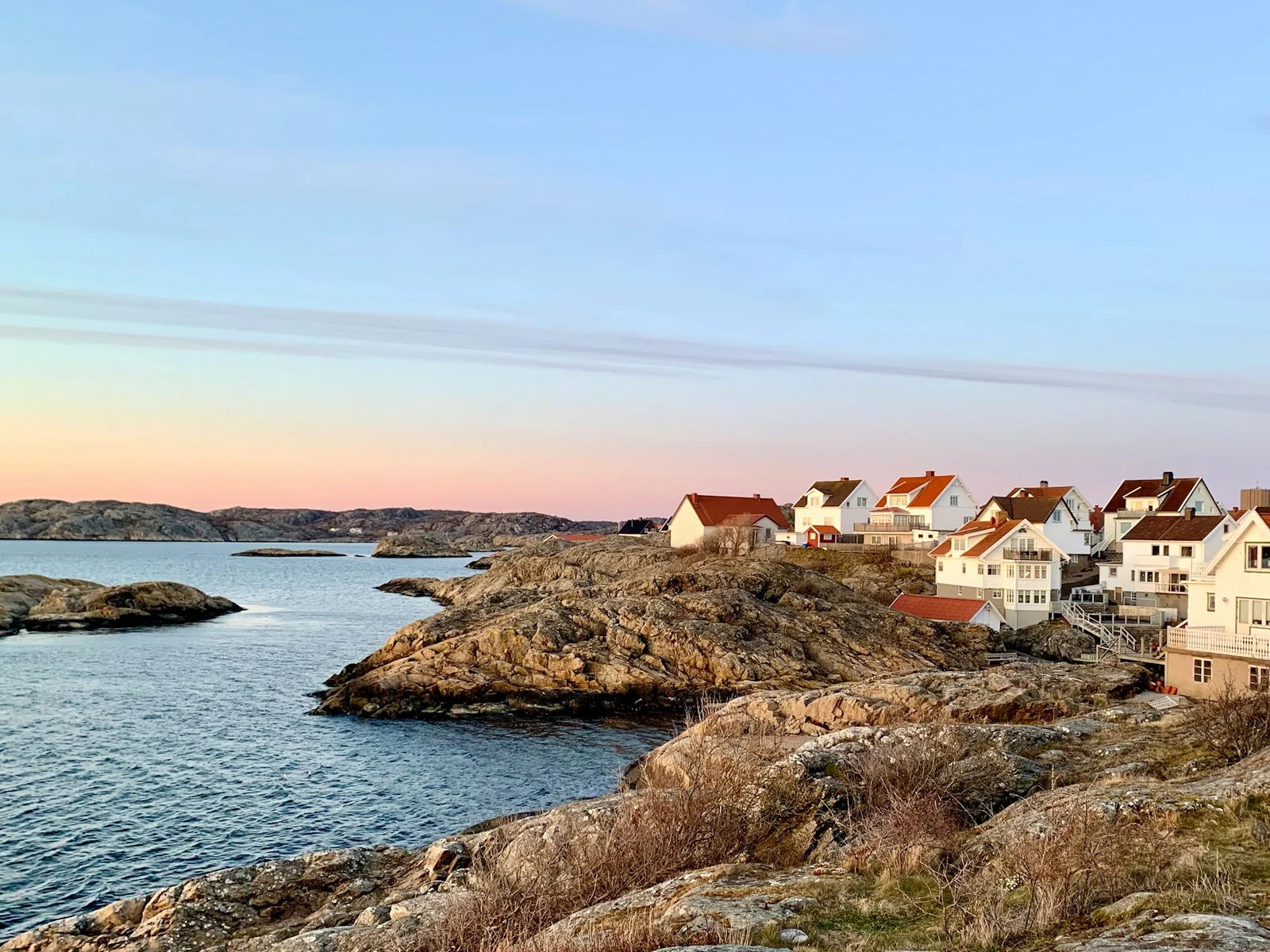
Outside the cities, the country opens into pine forests, lakes, granite coastlines, and a long northern wilderness. The right itinerary depends on how far north you go: summer brings lingering daylight and accessible hiking, while winter transforms Lapland into a destination for snow, dogsledding, and northern lights. Do not underestimate travel times.
Swedish food is often understated rather than showy: rye bread, seafood, berries, potatoes, game, and seasonal produce appear in both simple cafés and ambitious restaurants. Make time for fika, carry layers, and expect many places to favor cards over cash. Respect marked trails, private land, and the quiet rhythms of small communities.
Useful context, without the checklist overload.
Trains, buses, ferries
Sweden is in Schengen. Visa rules depend on nationality; short stays are generally limited to 90 days in any 180-day period.
Optional, modest rounding
Safe to drink
230V, Type C/F
Useful phrases
Frequently asked questions.
June to August offers long daylight, milder weather, and reliable access to much of the country. Visit between December and March for snow, winter activities, and a better chance of seeing the northern lights in Lapland.