
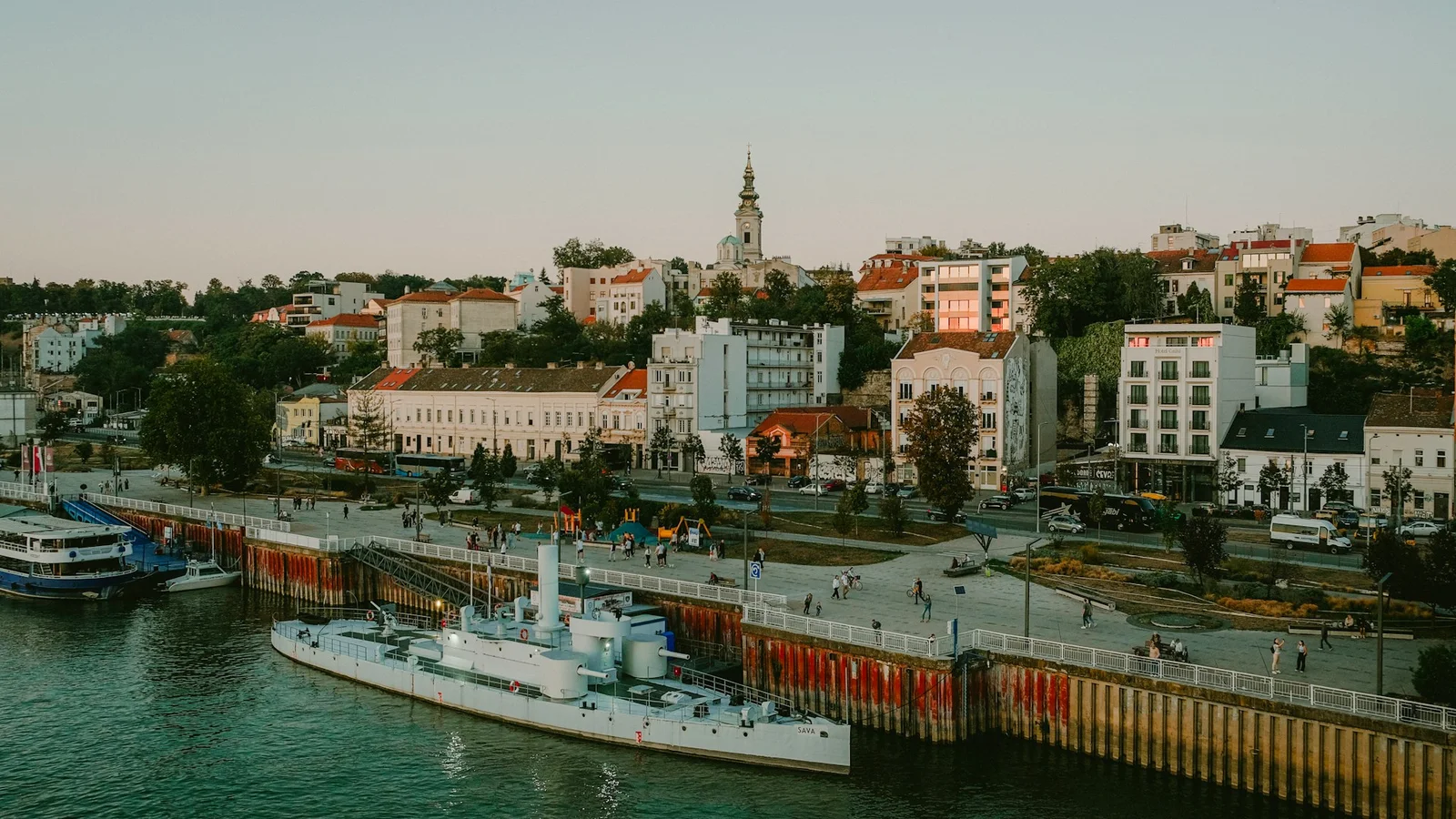
Serbia
Serbia is a good fit for travelers who prefer layered days: an urban morning, a long lunch, a riverside walk, and a quiet mountain or spa escape without changing countries. Belgrade brings history and nightlife, Novi Sad offers a slower Danube rhythm, while monasteries, vineyards, gorges, and national parks reward travelers who leave the main routes.
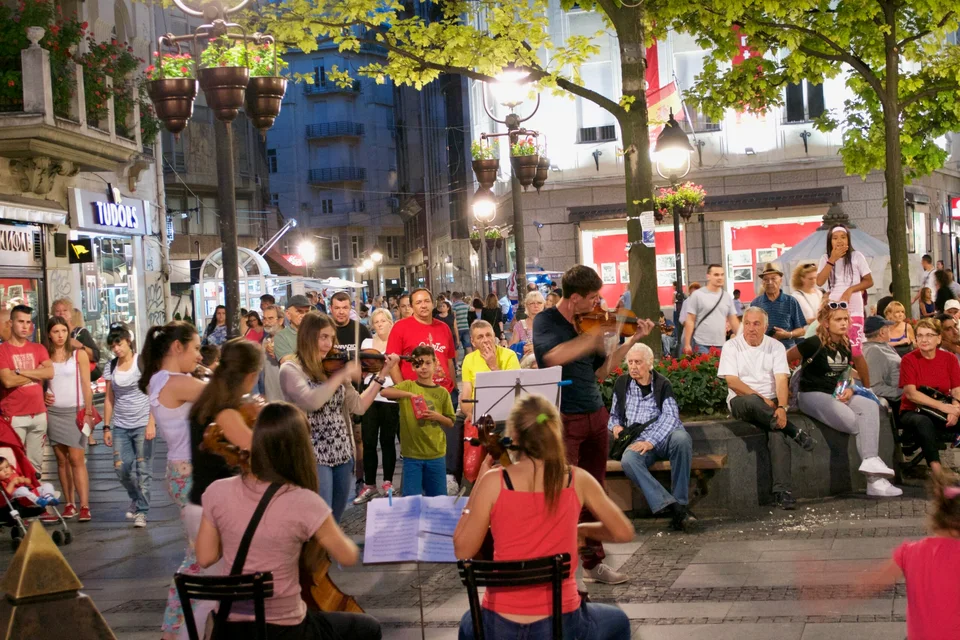
What to Eat in Belgrade: A Guide to Serbian Food
Discover what to eat in Belgrade, from Serbian specialties and local beer to the food spots and evening streets that shape a visit.
Read the story →Serbia works well as a country of contrasts without requiring a rushed itinerary. Belgrade is energetic and layered, with a fortress above the confluence of the Sava and Danube, while Novi Sad is easier to absorb on foot, especially around the old town and Petrovaradin. Niš adds Roman history and a strong food culture. Between the cities, vineyards, monasteries, spas, and river landscapes create natural pauses.
For a quieter trip, look toward Fruška Gora, Tara, Đerdap, or the smaller spa towns rather than trying to cover every landmark. Serbia’s bus network is useful for major towns, but mountain trails, rural wineries, and monastery areas are simpler with a car or arranged transfer. Meals are substantial and social: allow time for grilled meats, burek, local cheeses, seasonal produce, and coffee rather than treating food as a quick stop.
One thoughtful way to experience Serbia.
Useful context, without the checklist overload.
Buses, trains, car rental
Rules depend on passport nationality.
Optional; around 10% appreciated
Generally safe in cities
230 V, 50 Hz, Type F
Useful phrases
Frequently asked questions.
Visa rules depend on your passport. U.S. ordinary passport holders can generally visit visa-free for up to 90 days in a six-month period; check Serbia’s Ministry of Foreign Affairs before booking.