
Portugal
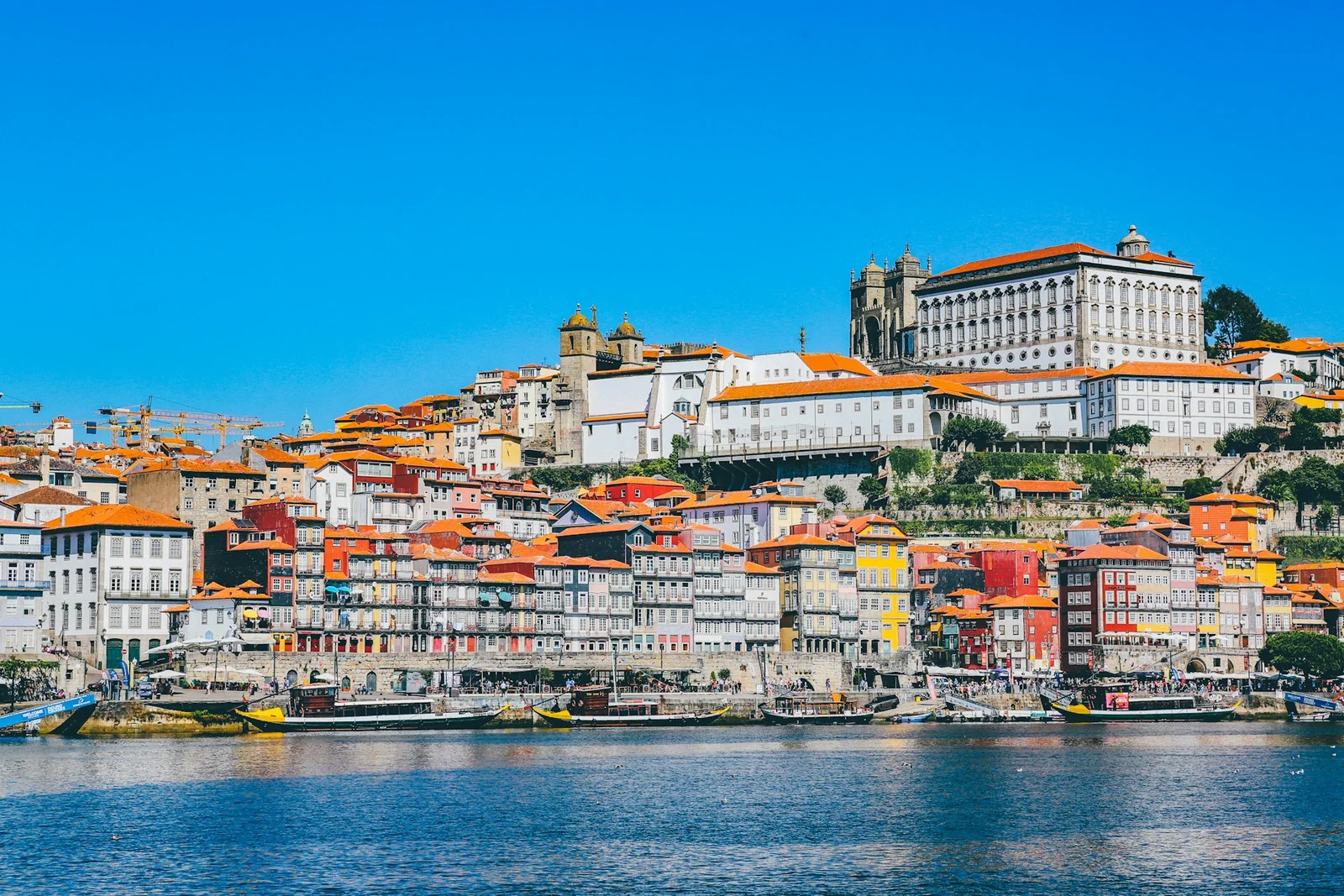
Portugal rewards a slower pace: tiled city streets, Atlantic light, long lunches, and landscapes that shift from northern vineyards to the dry Algarve. Lisbon and Porto bring history and character, while smaller towns, coastal paths, and inland villages make it easy to build a trip around walking, food, quiet mornings, or time by the sea.
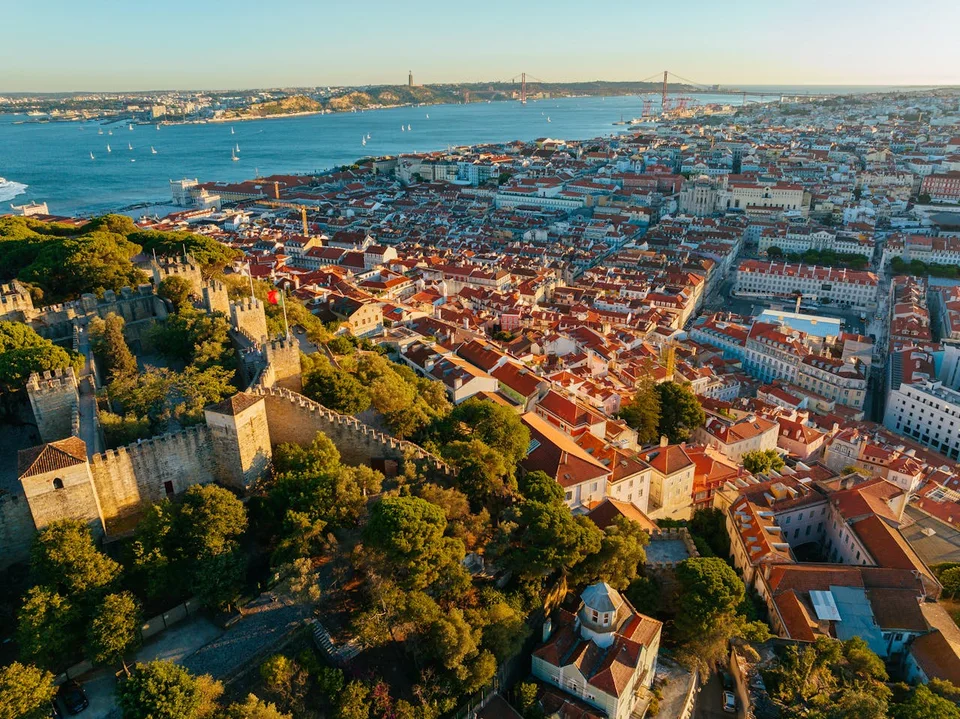
Alfama, Lisbon: the historic district shaped by fado
Explore Alfama, Lisbon’s oldest district, with its fado tradition, Moorish heritage, winding lanes and views over the Tagus.
Read the story →Portugal is compact enough for a varied trip but diverse enough to reward choosing a region. Lisbon suits first visits, with steep neighborhoods, ferries, museums, and easy day trips. Porto feels more intimate and atmospheric, while Coimbra, Braga, Évora, and Guimarães add history without the same pace. The Algarve is not one single experience: resort strips, working towns, dramatic cliffs, and quieter western beaches all feel different.
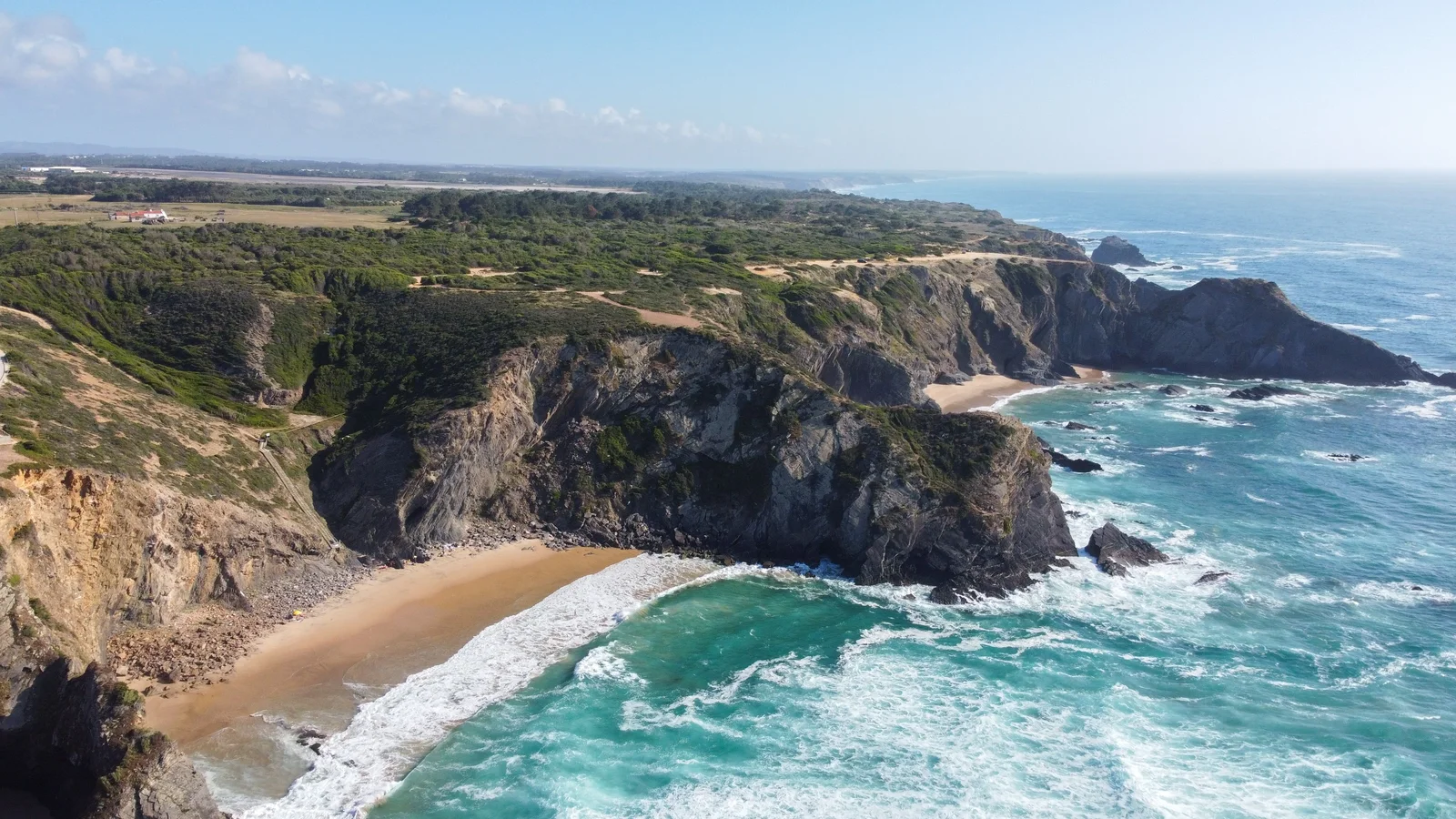
Food is central to daily life, from grilled fish and caldo verde to pastries, regional cheeses, and excellent coffee. Leave room for unhurried meals and expect dinner later than in some countries. For a more grounded stay, walk part of the Rota Vicentina, spend time in the Douro Valley, or choose an inland town rather than moving every night. Portugal is generally easy to navigate, but hills, cobbles, heat, and Atlantic currents deserve practical attention.
One thoughtful way to experience Portugal.
Useful context, without the checklist overload.
Trains, buses, rental cars
Schengen rules; 90/180-day limit
Round up or 5–10%
Safe to drink
230V, Type C/F plugs
Useful phrases
Frequently asked questions.
April to June and September to October usually offer comfortable temperatures, lighter crowds, and good conditions for walking. July and August are busiest and hottest, especially inland and in the Algarve.