
Netherlands
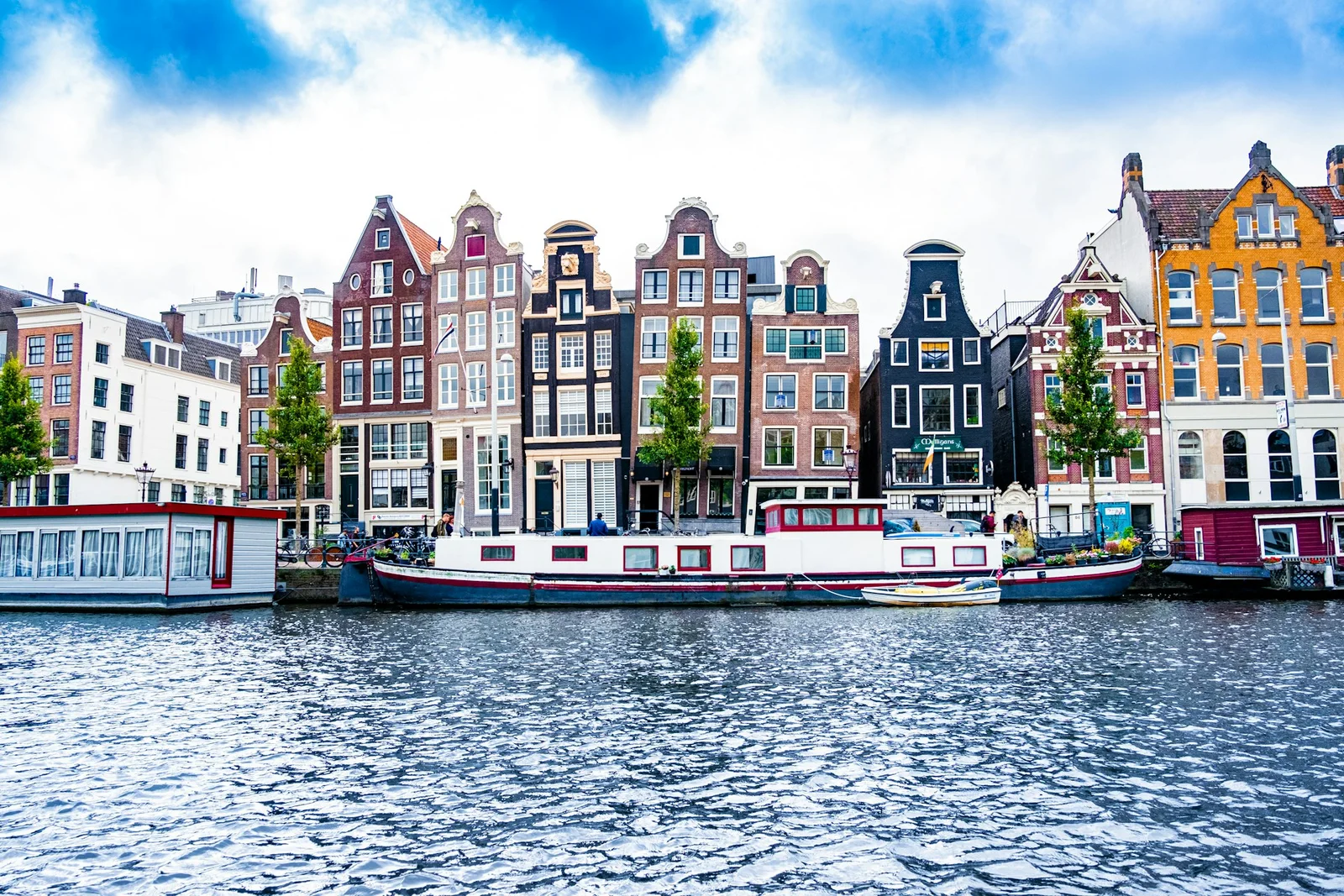
The Netherlands is compact, easy to navigate and more varied than its postcard image suggests. Beyond Amsterdam’s canals, you’ll find serious art museums, quiet dune landscapes, historic towns, North Sea beaches and a countryside shaped by water management. It suits travelers who enjoy cycling, thoughtful urban design, long café stops and unhurried day trips by train.
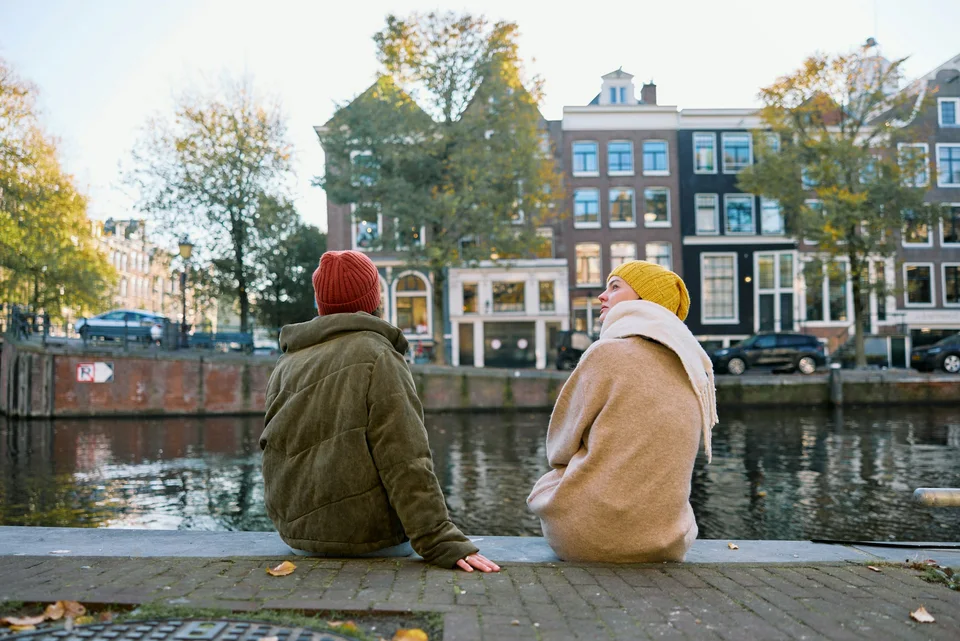
The Amsterdam museums worth visiting this winter
Plan a cultural day in Amsterdam with practical tips on the city’s standout museums, ticket prices and opening hours.
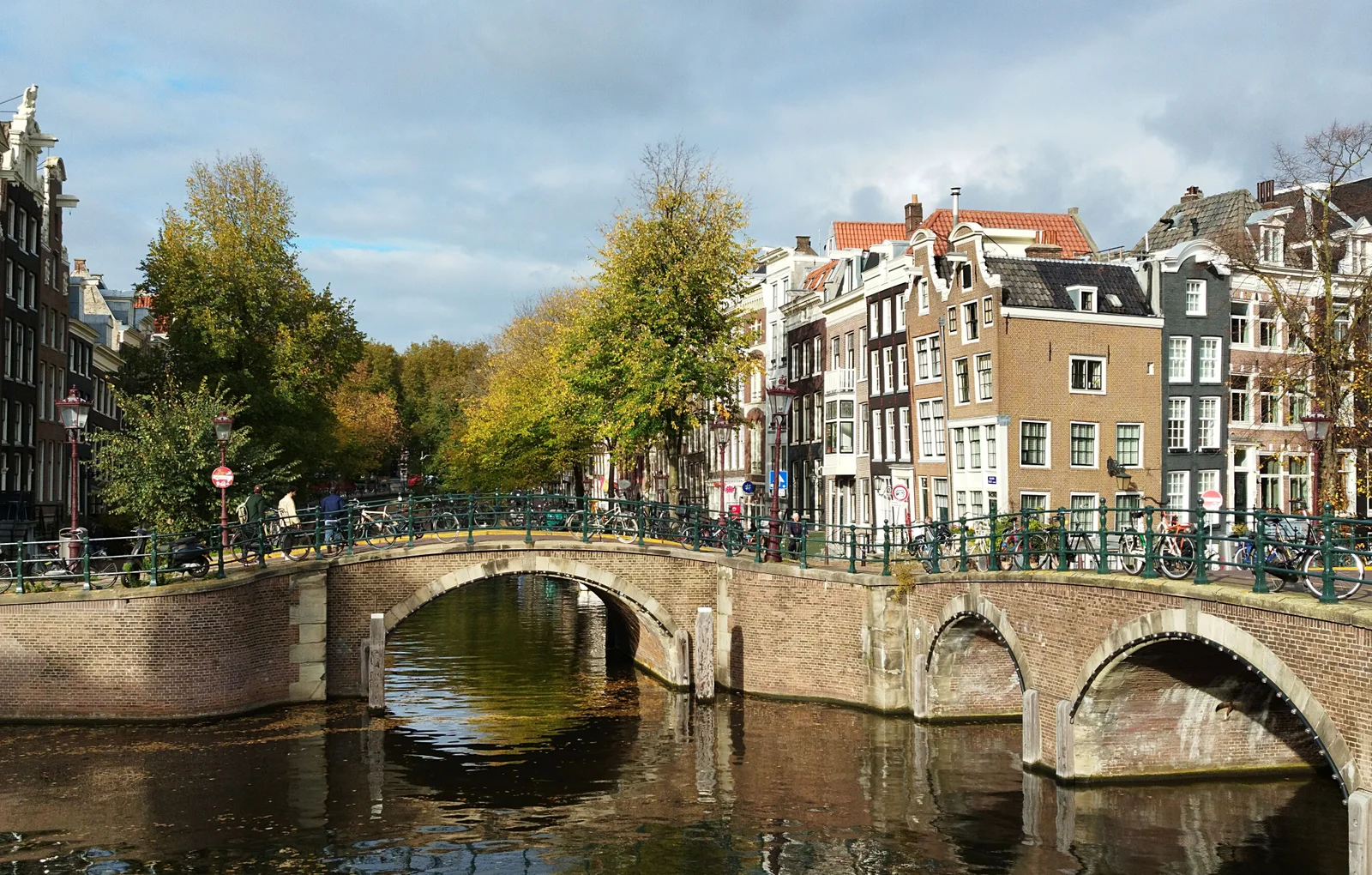
Read the story →The Netherlands rewards travelers who slow down enough to notice its details: brick canal houses, tidy village streets, broad skies, working harbors and the constant presence of water. Amsterdam is the obvious starting point, but Utrecht, Leiden, Haarlem, Delft and Groningen each offer a different pace, while the Wadden Islands and Zeeland bring a quieter coastal perspective.
Cycling is part of daily life, not just a sightseeing activity, and trains make it easy to combine cities without a car. Museums are a major draw, from Dutch masters to contemporary design, but the country is equally enjoyable outdoors—on a dike, through dunes, beside a polder or at a brown café after a wet afternoon. Plan around weather rather than resisting it.
One thoughtful way to experience Netherlands.
Useful context, without the checklist overload.
Trains, bikes, trams and buses cover most routes. Contactless cards can be used to check in and out on public transport, but use the same card for the whole journey.
The Netherlands is in Schengen. Visa-free visitors can generally stay up to 90 days in any 180-day period; others need a Schengen visa.
Usually optional; round up or leave 5–10% for good service.
Safe to drink
230V, 50Hz; Type C/F
Useful phrases
More stories from Netherlands.
Frequently asked questions.
Yes. Amsterdam is the constitutional capital, while the government and parliament are based in The Hague.