
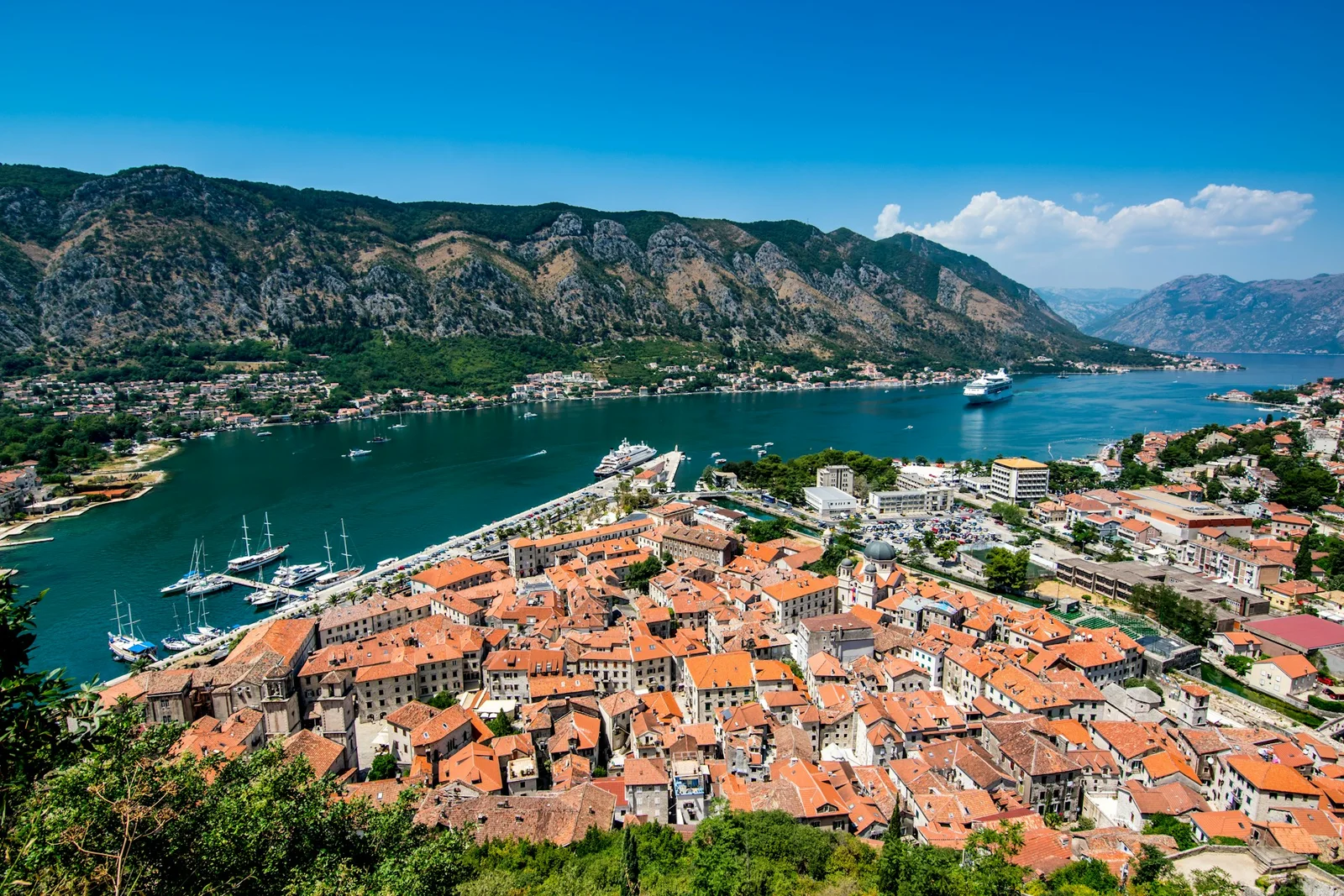
Montenegro
Montenegro packs Adriatic towns, high mountain ranges, deep canyons and quiet lake country into a compact journey. Kotor and Budva draw the busiest summer crowds, while Durmitor, Lake Skadar, Cetinje and the northern valleys offer more space and slower rhythms. Come with flexible timing: roads, ferries and border crossings can lengthen travel days.
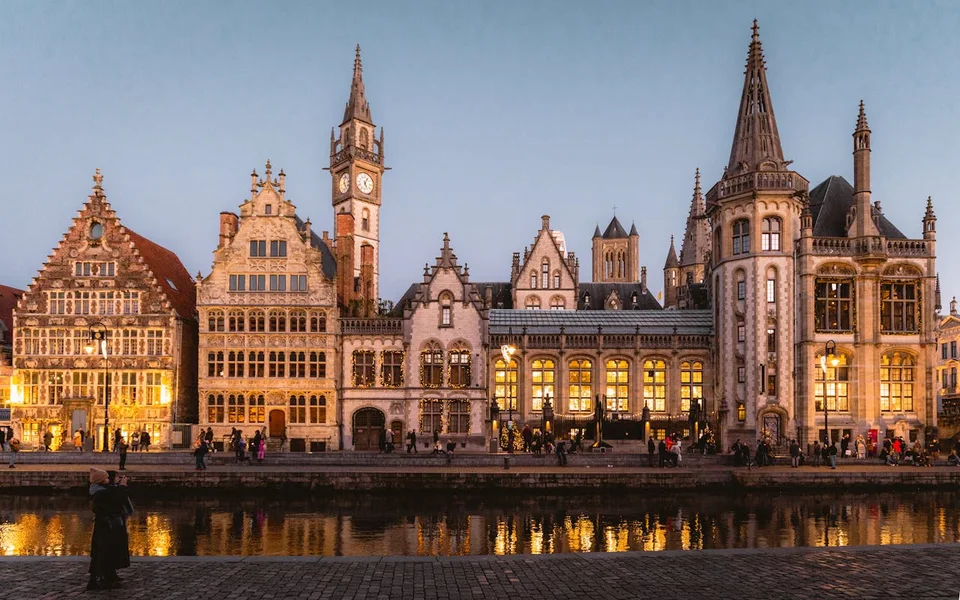
10 European Destinations to Visit in Spring
As cities emerge from winter, spring brings flowers, festivals and milder days to these ten European destinations.
Read the story →Montenegro is best understood as several landscapes close together rather than one single resort. The Bay of Kotor has dramatic scenery and historic stone towns, but its narrow roads and cruise-day crowds reward early starts. Budva and the central coast are livelier, while Bar, Ulcinj and the Lustica Peninsula offer a more varied mix of beaches, local life and slower evenings.
Inland, the mood changes quickly. Cetinje adds royal history and museums; Lake Skadar is suited to boat trips, birdwatching and unhurried village lunches; Durmitor and Prokletije bring serious hiking, cooler air and long travel times. Public transport is workable between major towns, but a car gives access to the quieter corners. Drive defensively, leave room in your schedule and treat mountain weather as changeable.
Useful context, without the checklist overload.
Rental car, buses, trains, ferries
Visa rules depend on nationality and can change. U.
Round up; 5–10% appreciated
Generally safe to drink. In remote areas or during local disruptions, ask your accommodation or choose bottled water.
230V, 50Hz, Type C/F
Useful phrases
Frequently asked questions.
Yes, especially outside July and August. Base yourself in one area, allow extra time for mountain roads, and alternate busy coastal towns with quieter lakes, villages or national parks.