
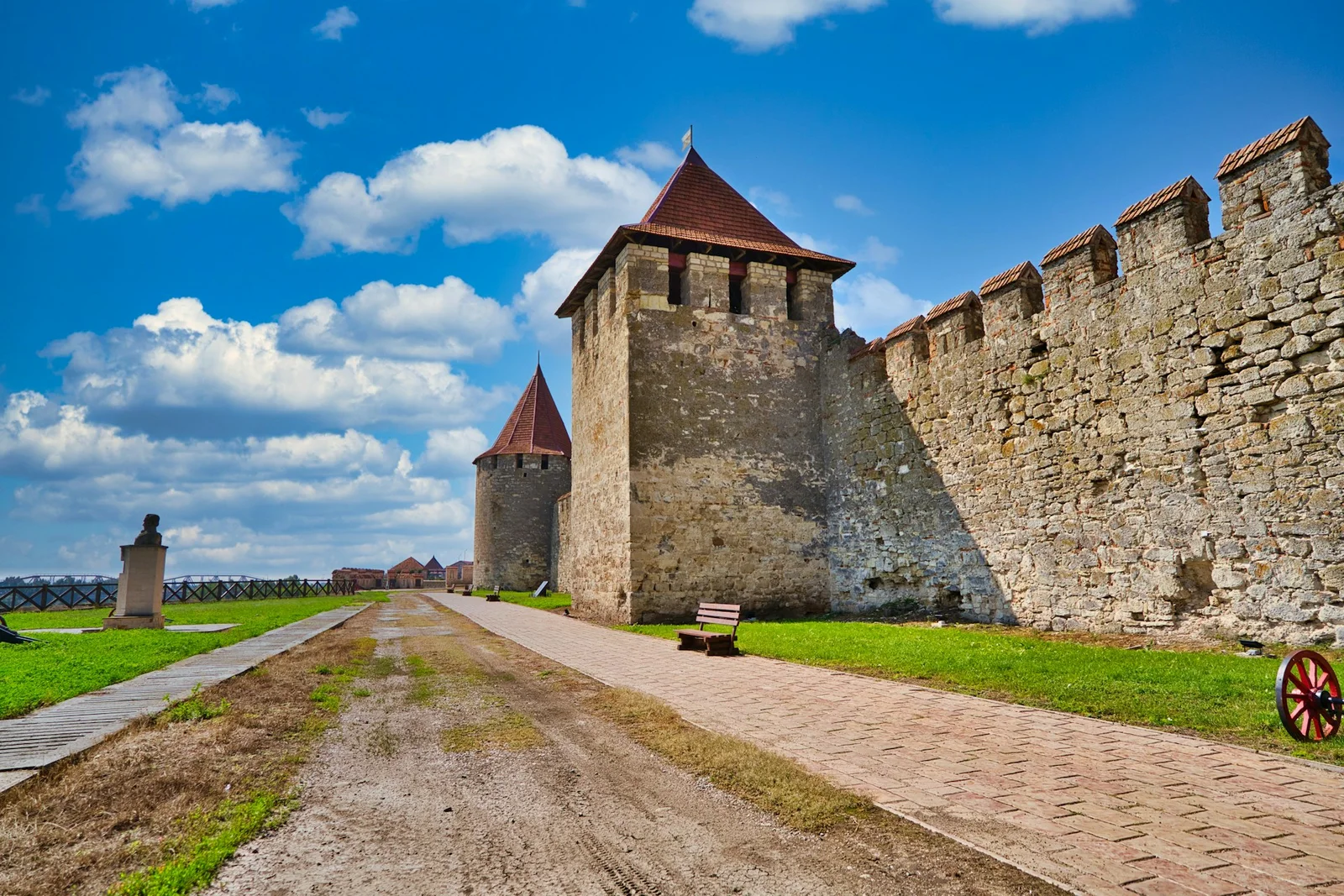
Moldova
Moldova is a compact, distinctly rural country where vineyards, village roads and layered Romanian, Russian and Soviet histories meet. Base yourself in Chișinău for cafés, markets and museums, then slow down at a winery, walk the limestone ravines of Orheiul Vechi or explore northern monasteries and the Dniester landscape. Plan with flexibility: transport is affordable, but schedules and road quality vary.
Chișinău is the natural starting point: compact enough for relaxed wandering, with leafy parks, Soviet-era architecture, independent cafés, food markets and museums that explain Moldova’s complicated past. Outside the capital, the country rewards patience rather than checklist travel. Roads lead through rolling farmland and villages where homemade food, fruit, preserves and wine are part of ordinary hospitality, not staged folklore.
Moldova’s strongest experiences are connected to land and time. Orheiul Vechi combines limestone cliffs, cave monasteries, archaeological remains and walking trails, while the wine routes range from monumental cellars at Cricova and Mileștii Mici to smaller estates with intimate tastings. Soroca Fortress, northern monasteries and the Dniester countryside add variety. Avoid Transnistria and check current security advice before travelling near the eastern and Ukrainian borders.
Useful context, without the checklist overload.
Buses, minibuses, taxis, rental cars
Many visitors: visa-free up to 90 days
Usually 5–10% for good service
Use bottled or filtered water
230 V, 50 Hz; C/F
Useful phrases
Frequently asked questions.
Chișinău and most tourist areas are generally manageable with normal precautions. Check current official advice, stay alert near the Ukraine border, and avoid Transnistria, where foreign consular assistance is extremely limited.