
Luxembourg
Luxembourg is small enough for easy exploration but varied enough to reward slowing down. Its capital combines dramatic ravines, fortress walls and European institutions, while the countryside offers forested trails, Moselle vineyards and former industrial landscapes. Free public transport, excellent regional connections and multilingual everyday life make it a particularly manageable destination for a mindful short break.
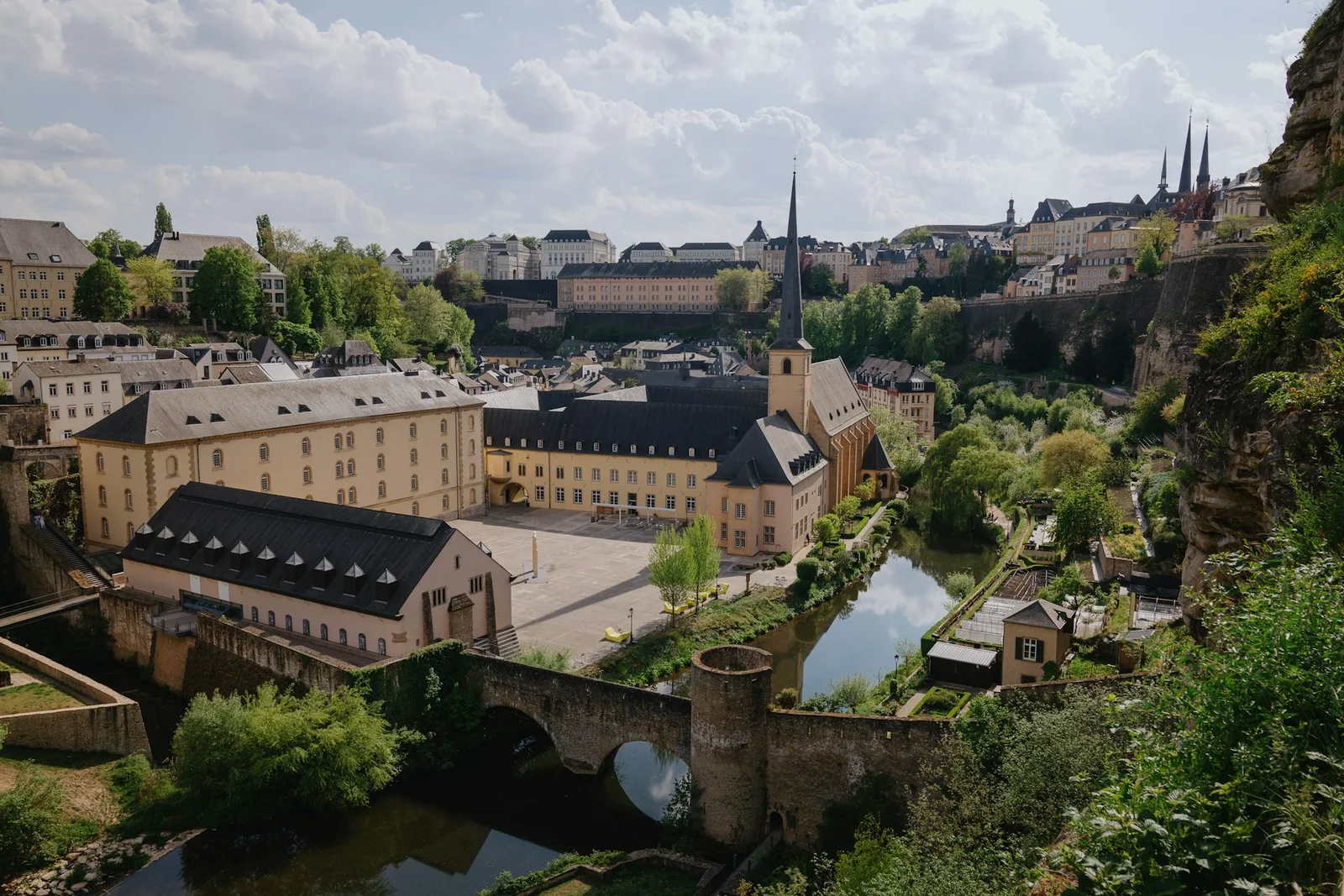
Luxembourg rewards travelers who resist the urge to rush through it. In Luxembourg City, the old upper town sits above the Alzette and Pétrusse valleys, with steep paths, stone defenses and viewpoints that make a short walk feel substantial. The Kirchberg district adds a very different layer: contemporary architecture, museums and the visible machinery of European institutions.
Beyond the capital, the landscape changes quickly. Mullerthal is the country’s best-known walking area, with sandstone formations and wooded trails; the Moselle valley is gentler, shaped by vineyards and riverside villages; the Ardennes feel more spacious and rural. Public transport is free across the country, but rural schedules deserve a little planning. Expect polished infrastructure, high prices in popular areas and a culture that shifts easily between Luxembourgish, French, German and English.
Useful context, without the checklist overload.
Free trains, trams, buses
Visa rules depend on nationality. Many visitors can stay visa-free for up to 90 days in any 180-day period; others need a Schengen visa.
Round up; 5–10% good service
Safe to drink
230V, 50Hz; type F
Useful phrases
Frequently asked questions.
Two to three days cover Luxembourg City and one nearby region comfortably. Add extra time for the Mullerthal trails, Moselle vineyards or the northern Ardennes.