
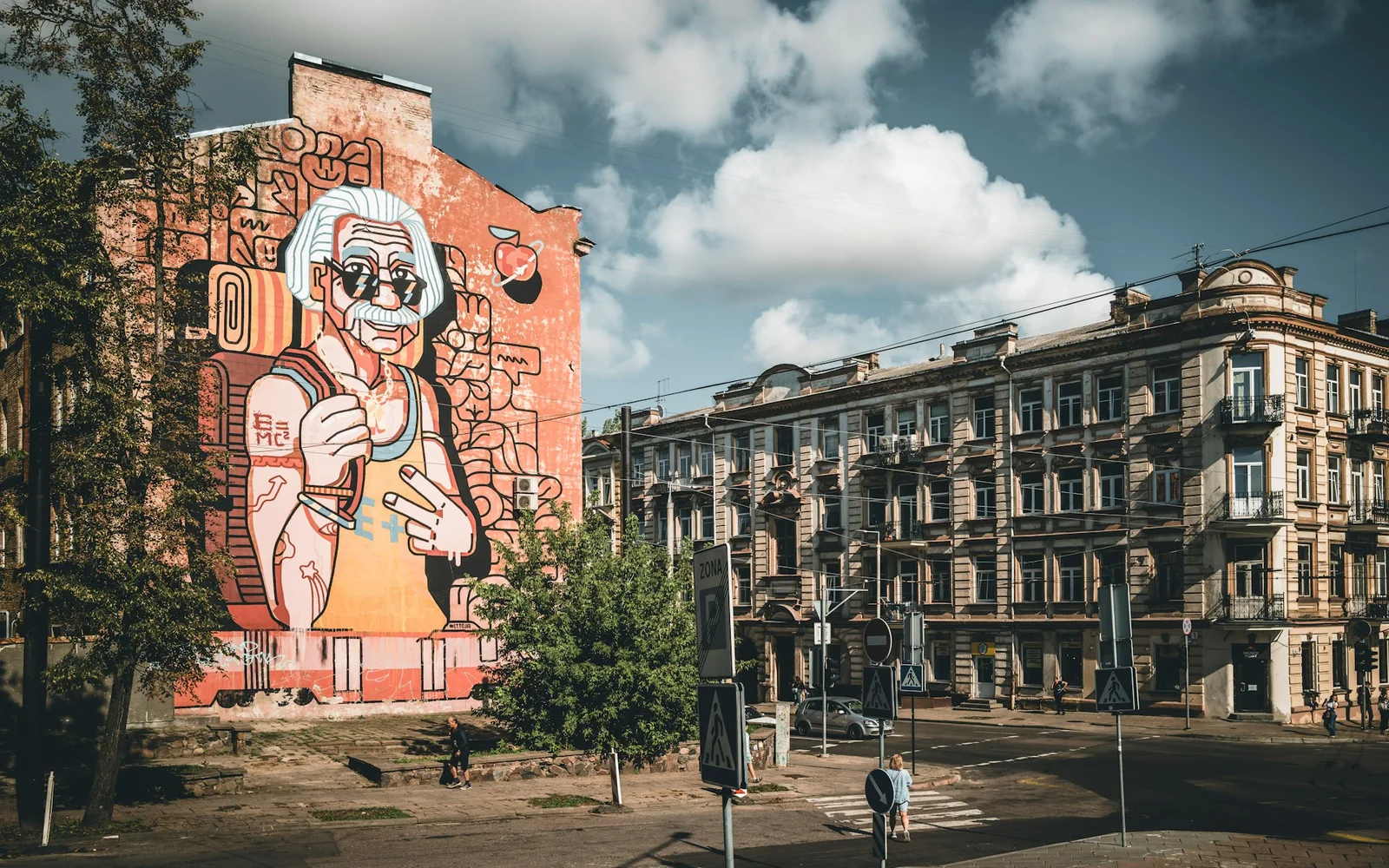
Lithuania
Lithuania rewards unhurried travel: medieval streets in Vilnius, creative energy in Kaunas, pine forests, lakes and the Baltic coast are all within manageable distances. Spend time in cafés, markets, museums and nature reserves rather than rushing between landmarks. It is a thoughtful choice for travellers who want culture, quiet landscapes and a distinctly Baltic sense of place.
Lithuania is compact enough to explore without exhausting yourself. Vilnius makes a strong first base, with a walkable historic centre, baroque churches, contemporary cafés and museums that reward lingering. Kaunas brings a different rhythm through interwar modernist architecture, galleries and a lively cultural calendar. Klaipėda opens the way to the Baltic coast and the Curonian Spit, where dunes, pine forest and lagoon landscapes invite slower days.
Beyond the cities, Lithuania is shaped by forests, wetlands and lakes rather than dramatic mountain scenery. Trakai, Anykščiai, Dzūkija and Žemaitija offer easy additions to a longer trip, whether you prefer cycling, birdwatching, sauna traditions or quiet walks. Food is hearty and increasingly inventive: expect rye bread, potatoes, beetroot, smoked fish and seasonal produce, with good coffee and modern vegetarian cooking in the larger towns.
Travel works best with a little space in the itinerary. Trains and buses link the main centres, while a car gives more freedom in rural areas. In summer, daylight stretches late; spring and autumn bring softer light and fewer visitors. Bring layers and waterproof shoes—the Baltic weather can change.
Useful context, without the checklist overload.
Walk, bus, train, car
Check nationality-specific Schengen rules; short stays are generally limited to 90 days in any 180-day period.
Discretionary; 5–10% appreciated
Generally safe in cities
230V, 50Hz; C/F plugs
Useful phrases
Frequently asked questions.
Yes. Lithuania is in the Schengen Area, so travellers follow common Schengen entry and short-stay rules.