
Kosovo
Kosovo is a compact Balkan country where lively cafés, Ottoman-era towns, Orthodox monasteries and rugged mountain landscapes fit into a manageable journey. Use Pristina for urban energy, Prizren for history and food, and Peja or the Rugova Valley for hiking. Travel thoughtfully: local history remains sensitive, and northern areas require extra attention to current conditions.
Kosovo works well as a compact, slow-paced journey. Pristina is useful for settling in: its museums, bookshops, cafés and broad pedestrian areas give the capital a lived-in feel rather than a checklist of sights. Prizren is more atmospheric, with a walkable historic core, mosques, churches, riverside restaurants and a fortress above the town. In both places, leave room for unplanned coffee stops and market wandering.
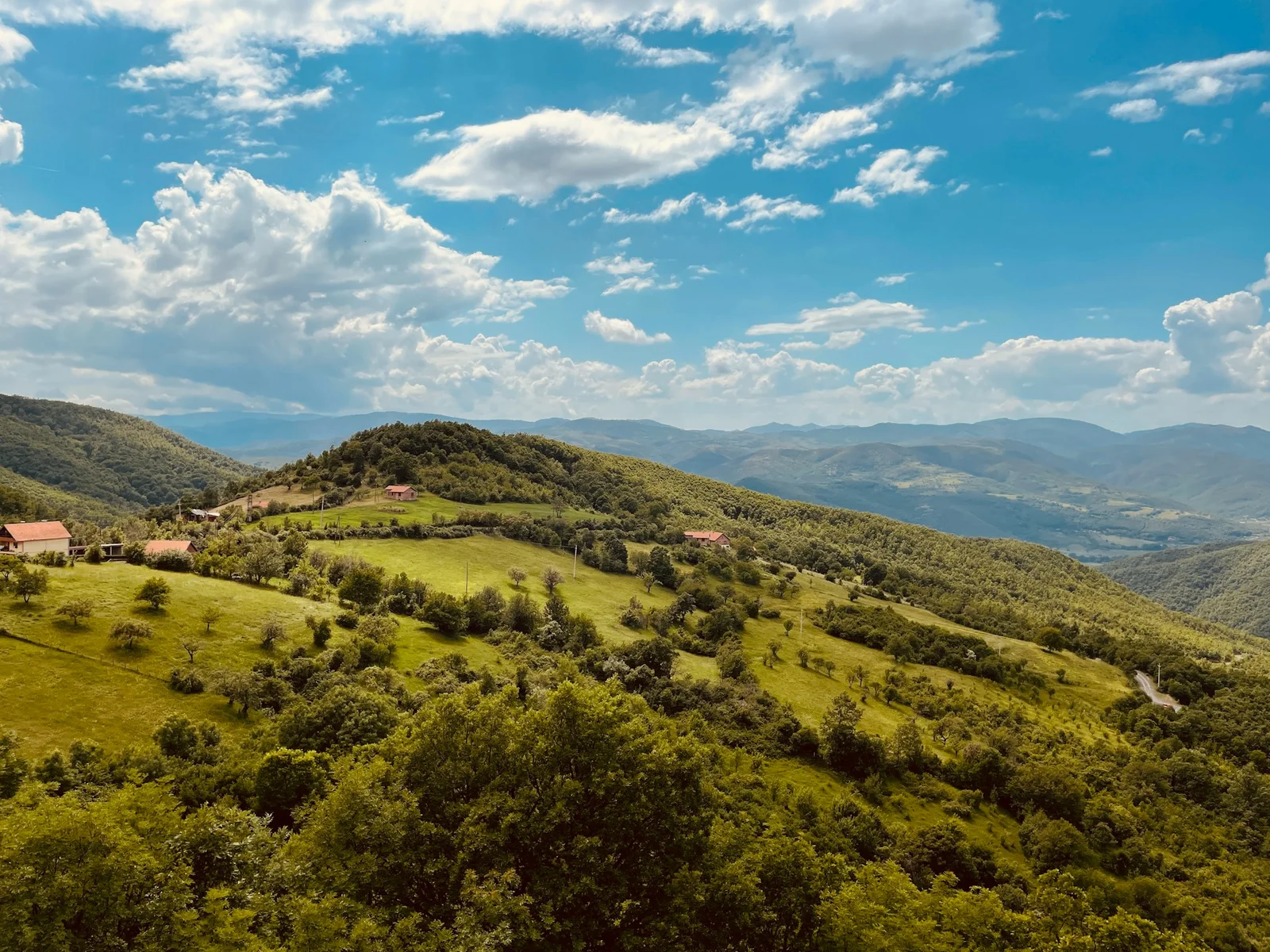
For landscape, Peja is the practical base for Rugova Gorge, mountain trails and outdoor activities. Intercity buses are inexpensive and connect the main towns, while a car helps when you want to reach trailheads or rural sites. Kosovo’s history is layered and sometimes politically sensitive, so approach religious monuments and memorial places with respect. The most rewarding itinerary is usually unhurried: two or three bases, daylight travel, and time to listen as well as look.
Useful context, without the checklist overload.
Buses, taxis, rental cars
Nationality-specific; often 90 days visa-free
Optional; round up or 5–10%
Use bottled water
230V, 50Hz; C and F plugs
Useful phrases
Frequently asked questions.
Visa rules depend on your nationality. Many visitors can enter visa-free for up to 90 days within six months, but confirm the current requirement before departure.