
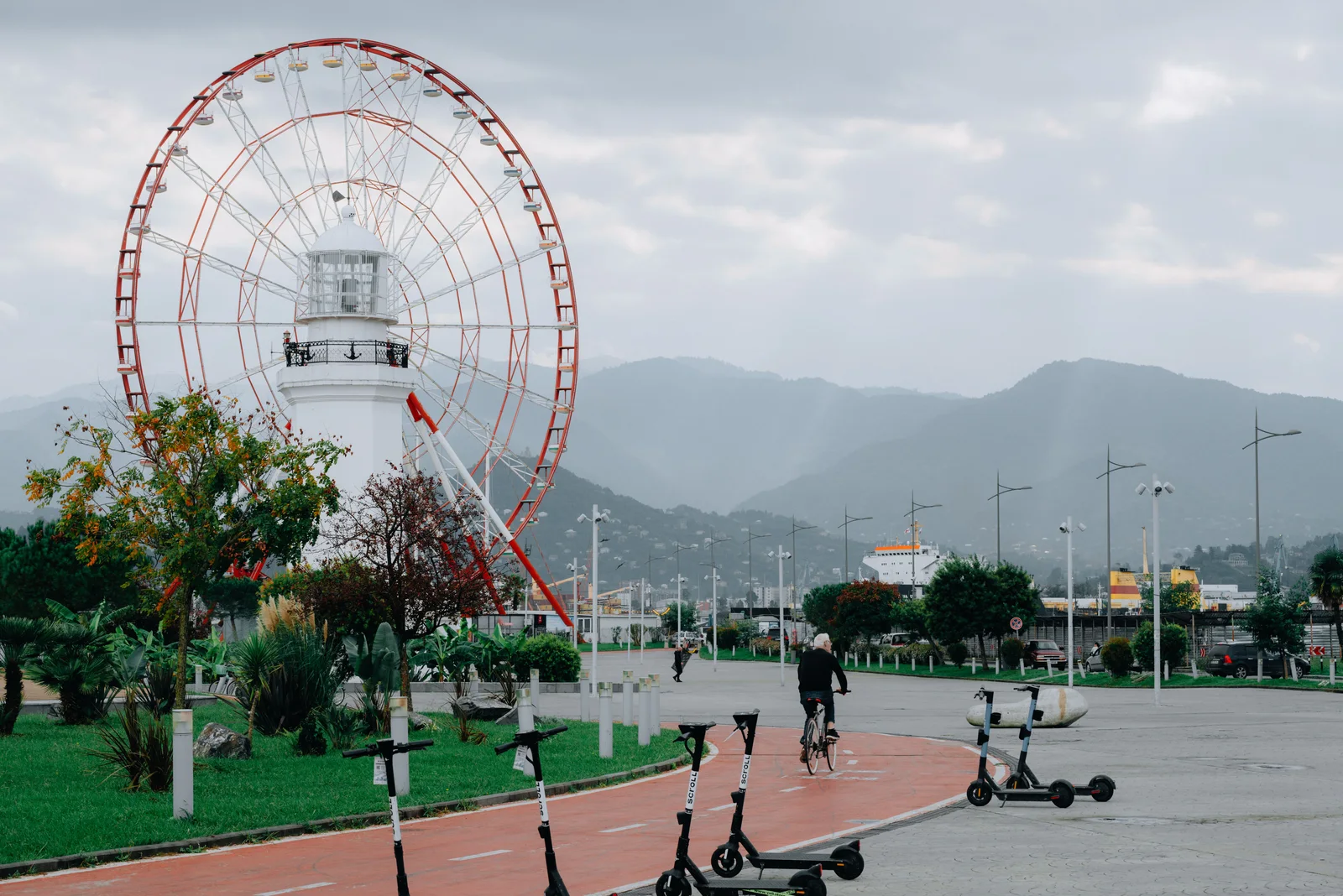
Georgia
Georgia is a compact Caucasus country where Black Sea coast, high mountains, old monasteries and fertile wine valleys sit within a few hours of one another. Tbilisi makes a lively base, but the country rewards slower travel: long lunches, regional food, village guesthouses and landscapes that change dramatically between east and west.
Georgia is easiest to understand as a country of distinct regions rather than a single uniform destination. Tbilisi combines layered history, sulfur baths, contemporary cafés and a compact old town, while Mtskheta, Gori and Kutaisi offer different views of the country’s religious and political past. In Kakheti, wine culture is part of everyday life, with cellar visits and generous meals best approached without rushing.
The landscape shifts quickly: dry valleys and fortified churches in the east, humid forests and the Black Sea around Batumi, and high Caucasus villages in Svaneti, Kazbegi and Tusheti. Road travel can take longer than distances suggest, especially in the mountains, so a flexible itinerary works well. Georgia is rewarding for travelers who value food, walking, history and conversation more than a tightly scheduled checklist.
Useful context, without the checklist overload.
Trains, marshrutkas, buses, taxis
Visa-free stays vary by nationality
Optional; 5–10% if pleased
Generally safe in cities
220V, 50Hz; Type C/F
Useful phrases
Frequently asked questions.
Georgia lies in the Caucasus at the crossroads of Europe and Asia. For travel planning, it is commonly grouped with Europe, although its geography and culture connect both regions.