
Bulgaria
Bulgaria brings together Black Sea beaches, forested mountains, mineral springs and historic cities within a relatively compact country. Sofia works well as a starting point, while Plovdiv, Veliko Tarnovo, the Rila Monastery and the mountain resorts offer different rhythms. Travel is generally affordable, but distances and road conditions reward realistic planning.
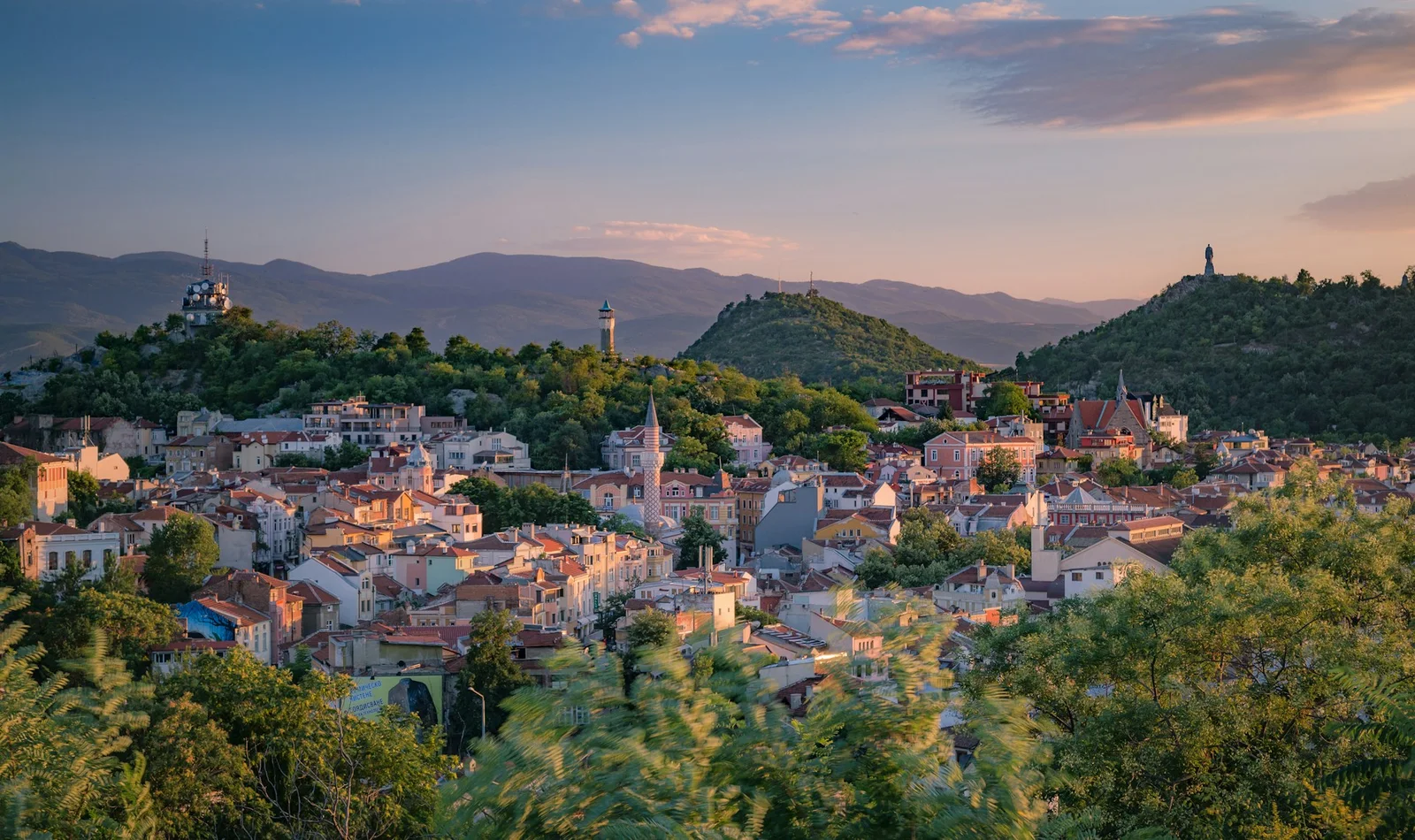
Bulgaria is easiest to understand through its contrasts. Sofia combines a busy urban centre with quick access to Vitosha Mountain, while Plovdiv rewards slower wandering through Roman remains, Ottoman-era streets and a lively arts scene. Farther east, the Black Sea shifts from resort towns to quieter coastal landscapes, and inland routes lead toward monasteries, caves and villages where traditional food still matters.
The country works for travellers who prefer variety without enormous distances, although public transport is uneven outside the main corridors. Trains can be scenic but slow; buses often reach places trains do not, and a car gives the most freedom in the mountains. Try shopska salad, banitsa, grilled meats and local wines, and leave room for mineral baths or a day on a hiking trail.
Useful context, without the checklist overload.
Trains, buses, rental cars
Visa rules depend on nationality. Bulgaria is in Schengen; visa-exempt visitors may stay up to 90 days in any 180-day period.
Usually 5–10%
Generally safe in cities
230V, 50Hz; C/F plugs
Useful phrases
Frequently asked questions.
The euro is Bulgaria’s official currency. The Bulgarian lev was replaced on 1 January 2026, and it stopped being legal tender after the January transition period.