
Albania
Albania brings together a compact Adriatic and Ionian coastline, rugged mountain country, Ottoman-era towns and a capital that is changing quickly. It suits travelers who want variety without long internal distances, but plans should allow for slow roads, cash-based businesses and transport that is less predictable than the map suggests.
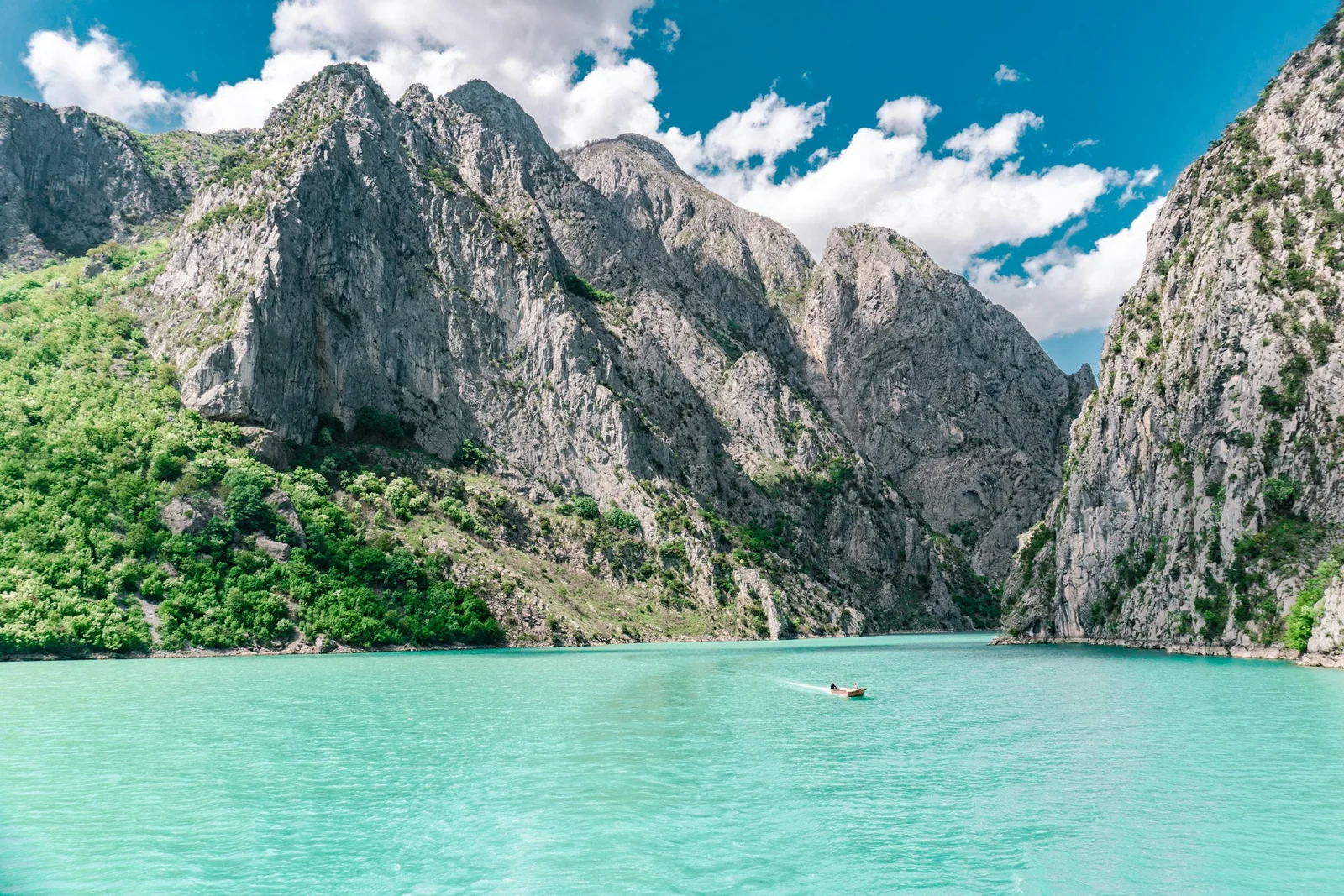
Albania is small enough to combine several landscapes in one trip, but the changes are substantial: Tirana’s busy café culture gives way to Ottoman-era Berat and Gjirokastër, then to mountain valleys, karst springs and a long Adriatic and Ionian coast. The country rewards curiosity more than rigid scheduling.
The coast is most crowded in July and August, particularly around Sarandë, Ksamil and Durrës. For quieter swimming, consider June or September, and look inland when the shoreline feels overdeveloped. In the north, Theth and Valbona are hiking bases rather than quick day trips; weather, road conditions and transfers deserve planning.
Travel is generally affordable, but keep lekë for small purchases and rural stops. Buses and minibuses are the practical backbone of intercity travel, while a car helps reach remote beaches and villages. Roads can be slow and driving standards inconsistent, so build spare time into every route.
Useful context, without the checklist overload.
Buses, taxis, rental cars
Rules depend on nationality; check official entry requirements before travel.
Round up; 5–10% for service
Use bottled or boiled water
230V, 50Hz; plugs C/F
Useful phrases
Frequently asked questions.
Albania can still be good value, especially for food, local transport and family-run accommodation. Prices rise sharply on the coast in July and August, while Tirana and popular beach towns can feel less budget-friendly than smaller inland destinations.