

Apple has just unveiled the iPhone Duo, its first foldable iPhone and one of the biggest changes to the iPhone form factor since the original device appeared almost two decades ago.
Announced on September 9, 2026, the Duo is a book-style foldable that looks relatively compact when closed but opens into a much larger 7.6-inch display. And while there will be plenty of discussion about processors, hinges and whether Apple has arrived late to the foldable market, there is another question that interests us much more:
Could this be one of the most useful iPhones Apple has ever made for travel?
At first glance, it certainly has the potential.
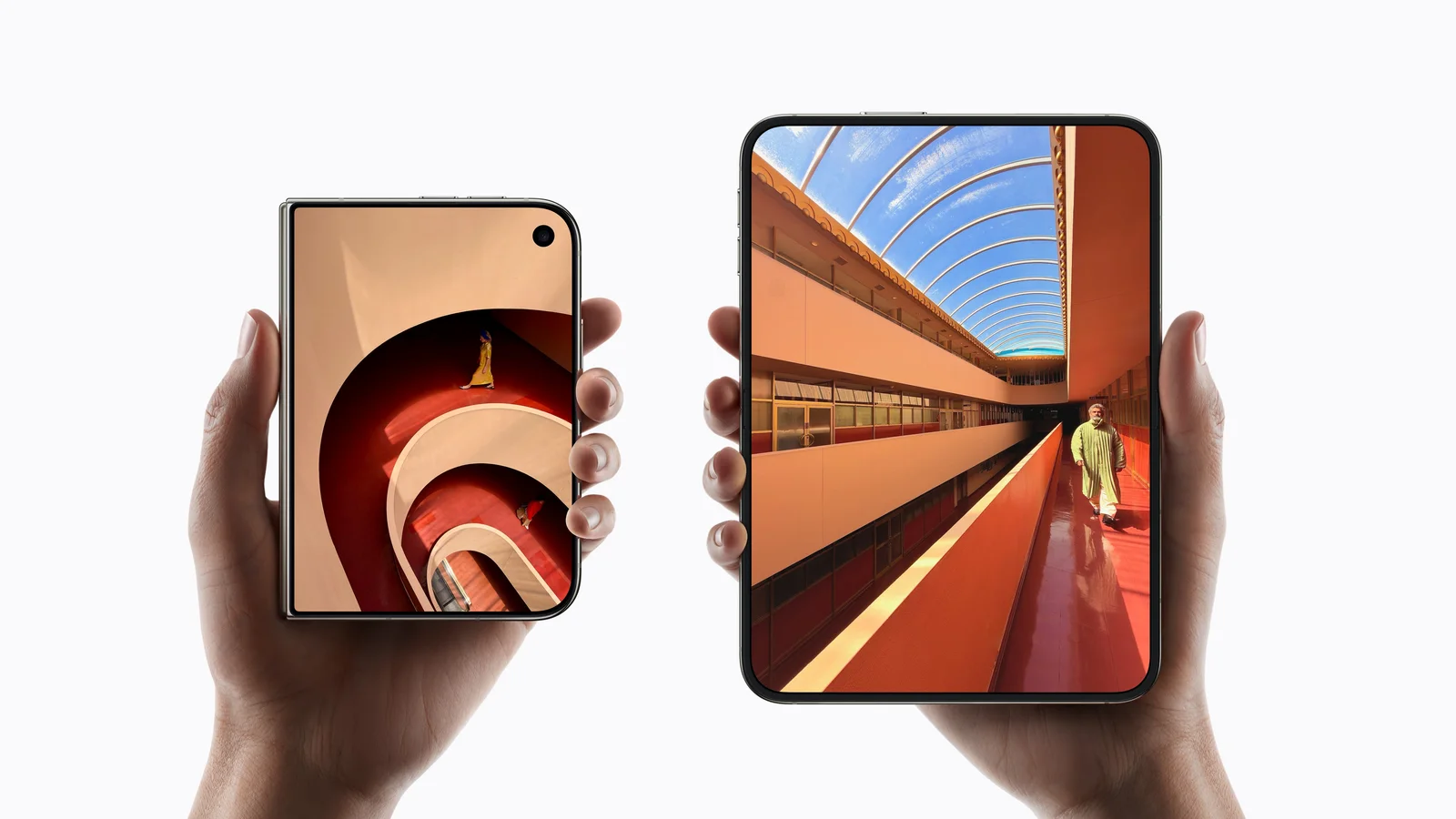
Closed, the iPhone Duo has a 5.4-inch outer display and is similar in size to a passport. Open it and you get a 7.6-inch Super Retina XDR display — 50 percent larger than the screen on the iPhone 18 Pro Max. Both screens support ProMotion and Always On, while the inner display uses a nano-texture finish designed to reduce glare and make the fold less noticeable.
That combination immediately changes what an iPhone could look like during a trip.
A phone that becomes a travel planner
There is a familiar moment on almost every trip.
You are standing somewhere unfamiliar, switching between Maps, a restaurant reservation, a hotel confirmation, a train timetable and the article you saved the night before.
Phones have become indispensable travel tools, but their relatively small screens still mean constantly moving between apps.
The iPhone Duo may solve part of that.
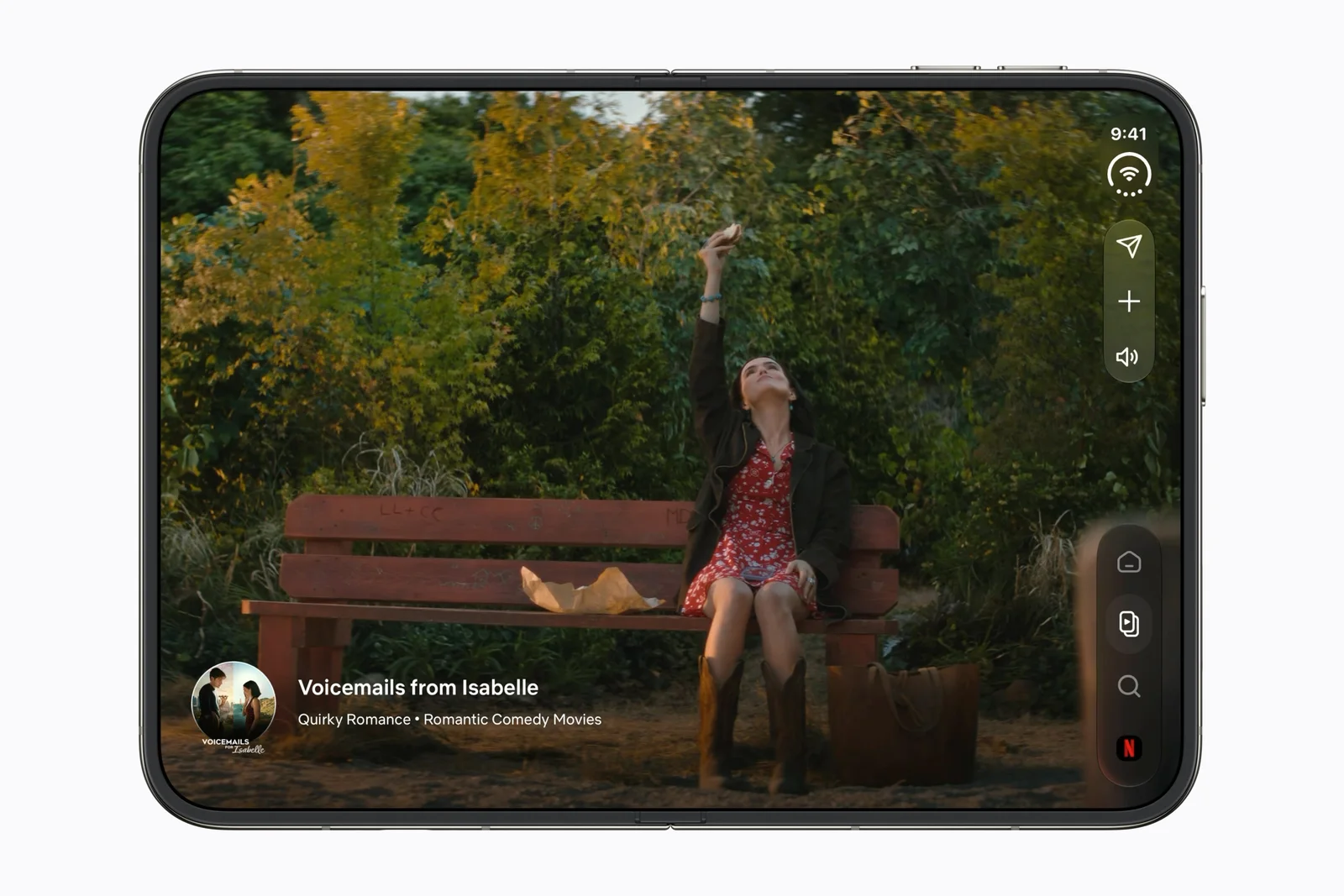
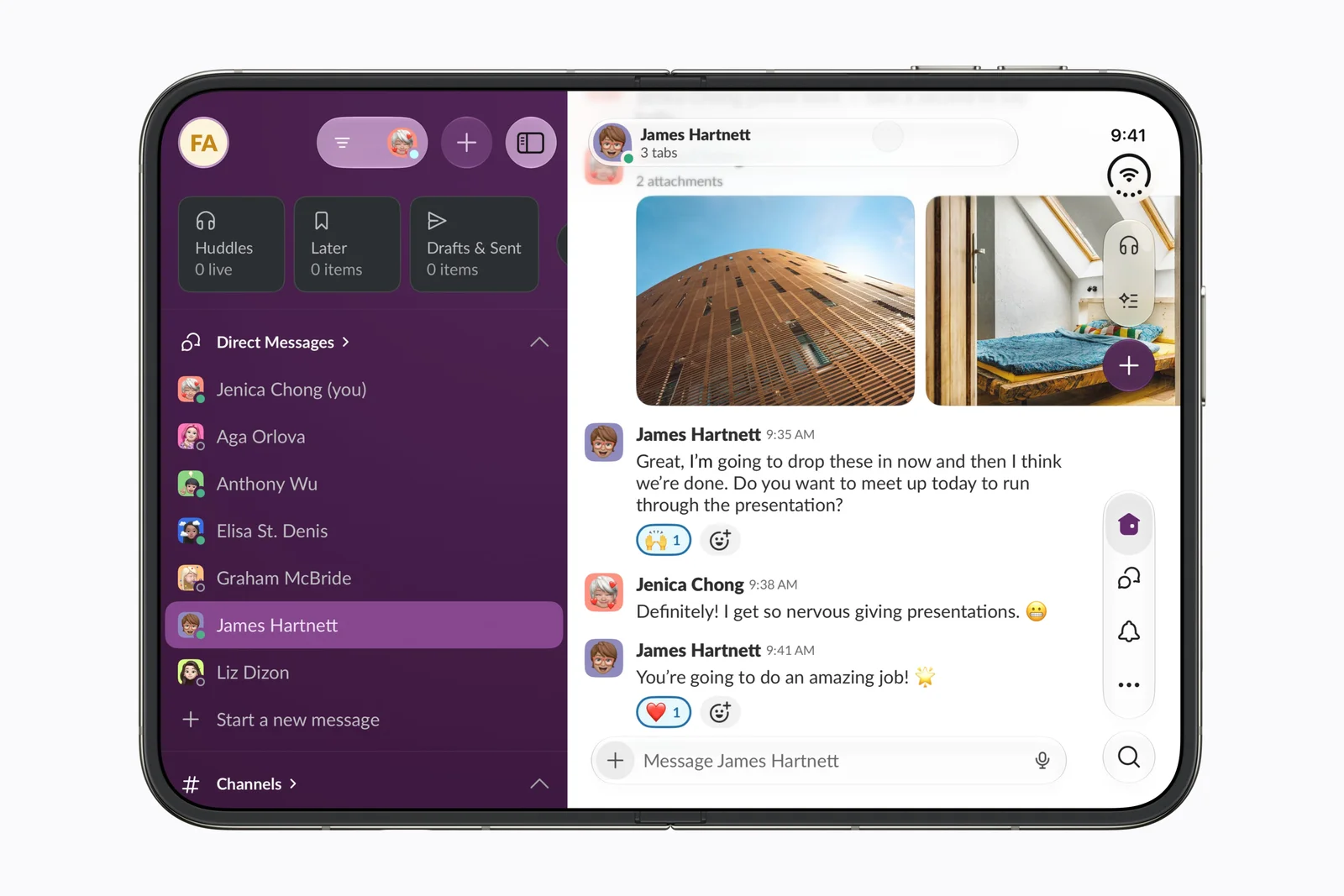
Apple has introduced Split View for the Duo, allowing two apps to appear beside each other on an iPhone for the first time. You can also open two windows from the same app, swap apps within Split View and save combinations of apps to return to later.
For travellers, the possibilities are immediately obvious.
Maps could sit beside a saved itinerary. A train booking could remain visible while you check directions to the station. A restaurant menu could sit alongside Translate. You could compare two hotels without repeatedly moving between browser tabs.
And this is where the Duo starts to feel less like a foldable phone designed simply because Apple needed a foldable phone, and more like something approaching a pocket-sized travel workspace.
For travellers who prefer organising a trip around saved places, neighbourhoods and flexible itineraries rather than rigid schedules, the larger screen could be especially useful.
The camera may be where the Duo becomes genuinely interesting for travel
Travel photography creates another problem that smartphone manufacturers rarely talk about.
When two people travel together, one often comes home with hundreds of beautiful photographs.
The other comes home with considerably fewer.
The Duo has an unexpectedly clever answer.
Because the device has displays on both sides when folded, the person being photographed can see a live preview on the outer screen while the photographer uses the higher-quality rear cameras.
Apple calls the feature Duo Preview. The person in front of the camera can see the composition, adjust their position and check the framing before the photograph is taken. The rear cameras can also be used for selfies while the outer screen functions as the viewfinder.

Anyone who has returned from a holiday with 300 excellent photographs of their partner and approximately four questionable photographs of themselves will understand the appeal.
Apple has also added Smart Take, which uses on-device processing to recognise when the people in the frame are posing and automatically capture the photograph.
It sounds like a relatively small feature.
On a trip, it could be surprisingly useful.
You might also be able to leave the small tripod at home
The folding design creates another interesting possibility for travellers and content creators.
The iPhone Duo can support itself when partially folded, meaning it can be placed on a table, wall or another flat surface without requiring a separate phone stand.
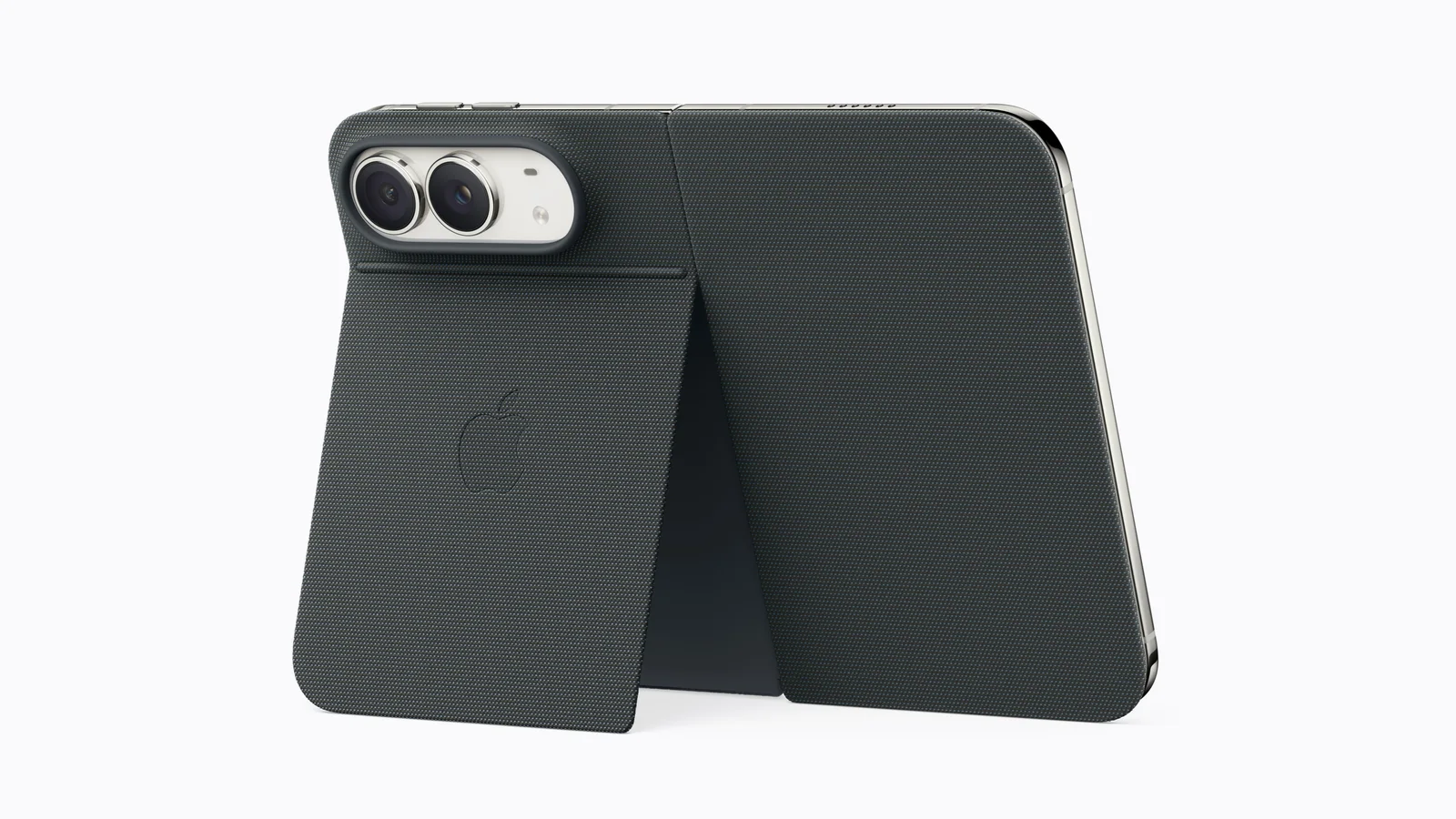
Apple specifically says the Duo can be propped up to record longer videos and time-lapses without a tripod. The main 48MP Fusion camera can record 4K video at up to 120fps in Dolby Vision, while time-lapse recording supports 4K Dolby Vision HDR.
For most travellers, the technical numbers will matter less than the practical result.
Imagine placing the phone on a café table for a photograph together. Recording the sunset from a hotel balcony. Leaving it on a stone wall for a short time-lapse of the Ligurian coast. Or filming yourself walking through a landscape without balancing a phone against a water bottle.
For people creating travel content, that could mean carrying one less accessory.
And sometimes travelling better really is about carrying less.
It could replace the small tablet on trains and flights
Open the Duo and its 7.6-inch display starts entering small-tablet territory.
It is still an iPhone, but suddenly reading a long article, planning tomorrow's route, looking through photographs or watching something on a train becomes considerably more comfortable.
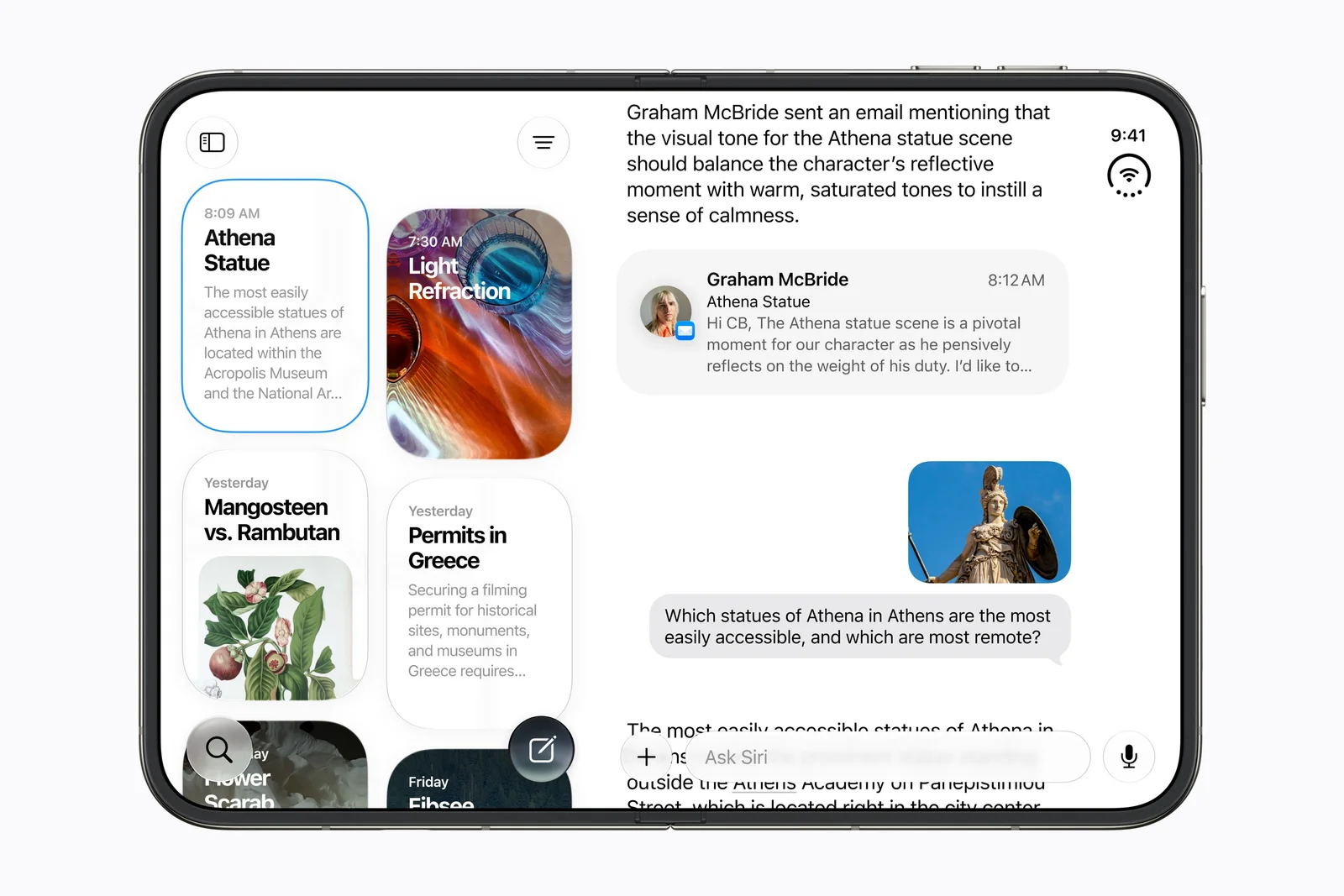
Apple says the inner screen is 50 percent larger than the iPhone 18 Pro Max display, while the device remains roughly passport-sized when folded.
That is potentially one of the Duo's biggest attractions.
A tablet is wonderful on a flight.
It is less wonderful when you have to carry it around Florence for the next eight hours.
The Duo offers another proposition: keep the large screen in your pocket until you actually need it.
And then there is Apple Pencil
There is one particularly interesting feature arriving later.
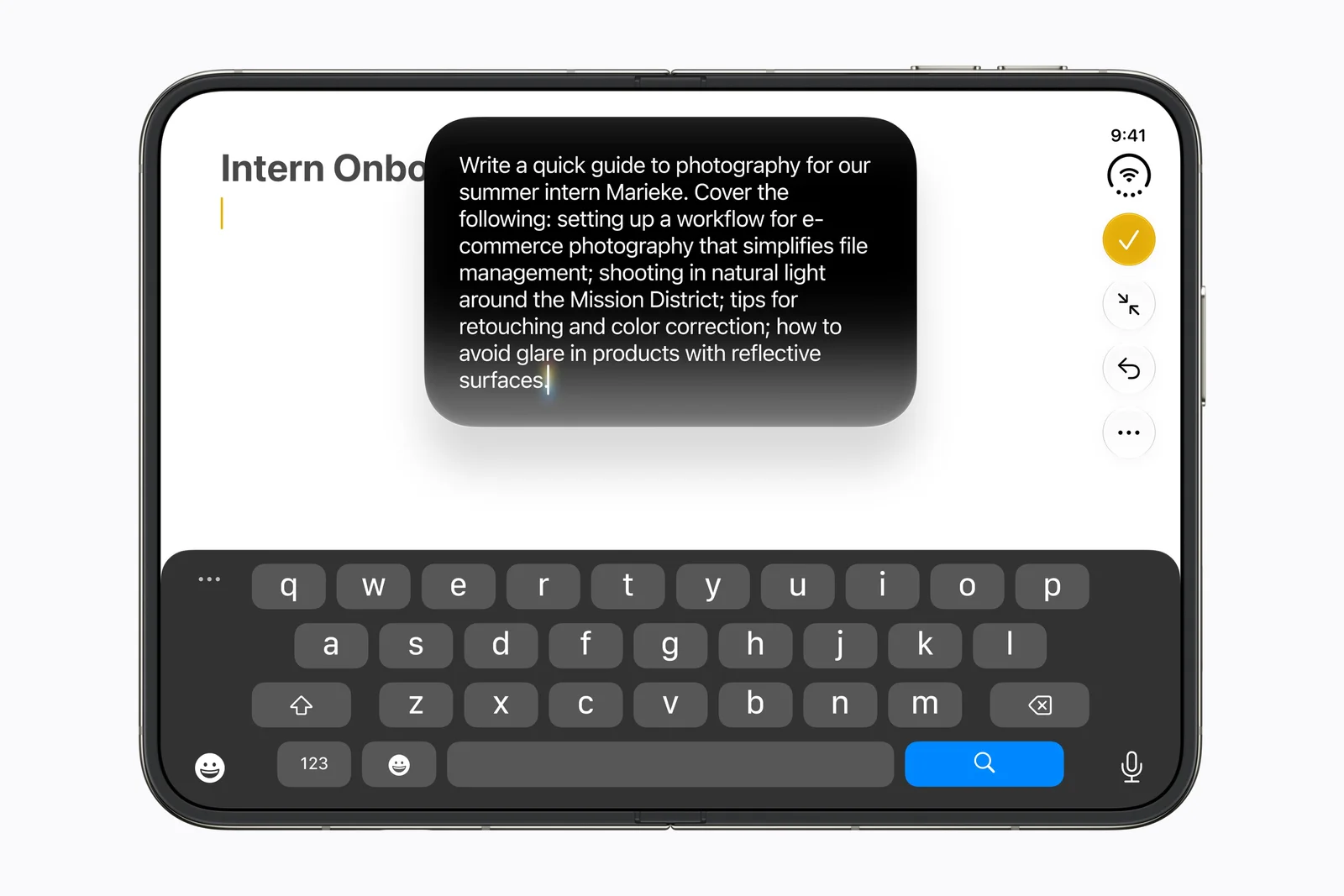
Apple says the iPhone Duo will gain support for the USB-C Apple Pencil later this year, and the Pencil will work on both displays. Users will be able to write notes, sketch and mark up documents directly on the device.
For travel, we like the idea more than we expected to.
There is something appealing about opening a device roughly the size of a passport and using it almost like a small travel notebook: marking somewhere on a map, writing down a restaurant recommendation, sketching a route or simply noting the name of the wine you discovered over dinner.
Not every useful travel feature needs to be revolutionary.
Sometimes removing a little friction is enough.
The camera hardware is serious, although this isn't Apple's ultimate camera phone
The Duo uses a 48MP Fusion Main camera with an optical-quality 2x option and a second 48MP Fusion Ultra Wide camera, which also supports macro photography. The main camera includes sensor-shift optical image stabilisation, while Apple's updated Photographic Styles provide additional control over texture and grain.
That should make it a highly capable travel camera.
But it is worth making an important distinction: the iPhone Duo isn't simply an iPhone 18 Pro folded in half. Apple has made different hardware choices for the new format, so travellers primarily interested in the absolute maximum photographic versatility should still compare it carefully with the Pro models.
The Duo's advantage is arguably somewhere else.
It changes how the camera can be used, not simply the quality of the camera itself.

Battery life could be the question that matters most
Beautiful screens and clever camera modes are useful until your battery disappears halfway through a day in Rome.
Apple has placed one battery on each side of the Duo and says the two work together as a single system. Its official figures claim up to 24 hours of mixed use when both displays are used equally, up to 31 hours of video playback on the inner display and up to 44 hours using the outer display.
The phone can also reach around 50 percent charge in approximately 20 minutes with wired fast charging, according to Apple.
Those are Apple's laboratory figures, of course.
Real travel is different.
Navigation, roaming, photography, video, bright outdoor displays and constantly searching for information can be particularly demanding on a phone. We will need real-world testing before knowing whether the Duo can comfortably survive a full day of serious travel use.
There is another travel detail worth noticing: eSIM only
The iPhone Duo is eSIM-only worldwide, rather than only in selected markets. Apple says eSIM is supported by more than 500 carriers globally.
For frequent travellers already using travel eSIMs, that will probably feel completely normal.
For people who still buy physical SIM cards after arriving in a destination, it represents a more significant change.
The Duo also supports Apple's satellite features for situations where cellular and Wi-Fi connectivity are unavailable, although availability of individual satellite services continues to depend on the country and region.

So, is the iPhone Duo the ultimate travel phone?
Possibly.
But we would not call it that yet.
The iPhone Duo starts at $1,999 in the United States, making this a very expensive travel companion. It comes in 256GB, 512GB, 1TB and 2TB configurations and two colours, Star White and Night Sky. Pre-orders begin on October 16, with the first devices arriving on October 23 in more than 70 countries and regions.
There are also questions that cannot be answered from a launch event.
How will the hinge feel after a year of opening and closing? How visible will the fold become? How comfortable is the device during an entire day of walking? How will the battery perform when Maps, roaming and the camera are being used constantly?
Until people actually travel with it, those questions remain.
But the iPhone Duo is interesting because it potentially replaces things rather than simply adding another gadget to your bag.
A phone.
A small tablet.
A basic tripod.
Perhaps even a travel notebook.
That is a more compelling proposition than another annual processor upgrade.
For years, smartphones have become better travel cameras, better navigation devices and better planning tools without fundamentally changing their physical shape.
The iPhone Duo changes the shape.
And for travellers, that may end up being much more important than the fact that it folds.