
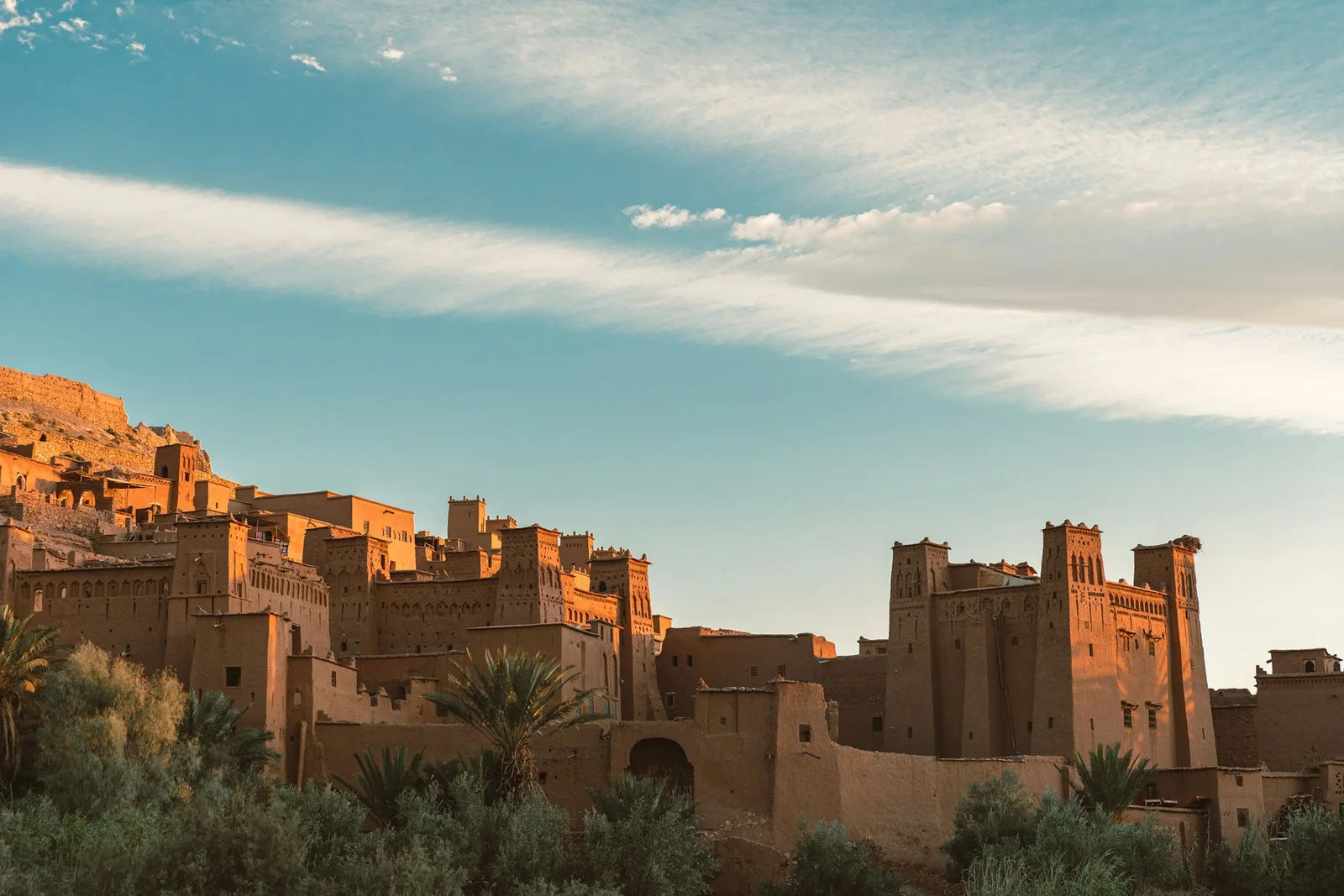
Morrocco
Morocco rewards slower travel: mornings in a medina, mint tea shared over conversation, and long transitions between Atlantic coast, cedar forests, Atlas valleys, and desert landscapes. It is a country of strong contrasts, where hospitality and daily bustle sit alongside quiet courtyards, hammams, mountain villages, and wide open horizons. Plan with flexibility and cultural awareness.
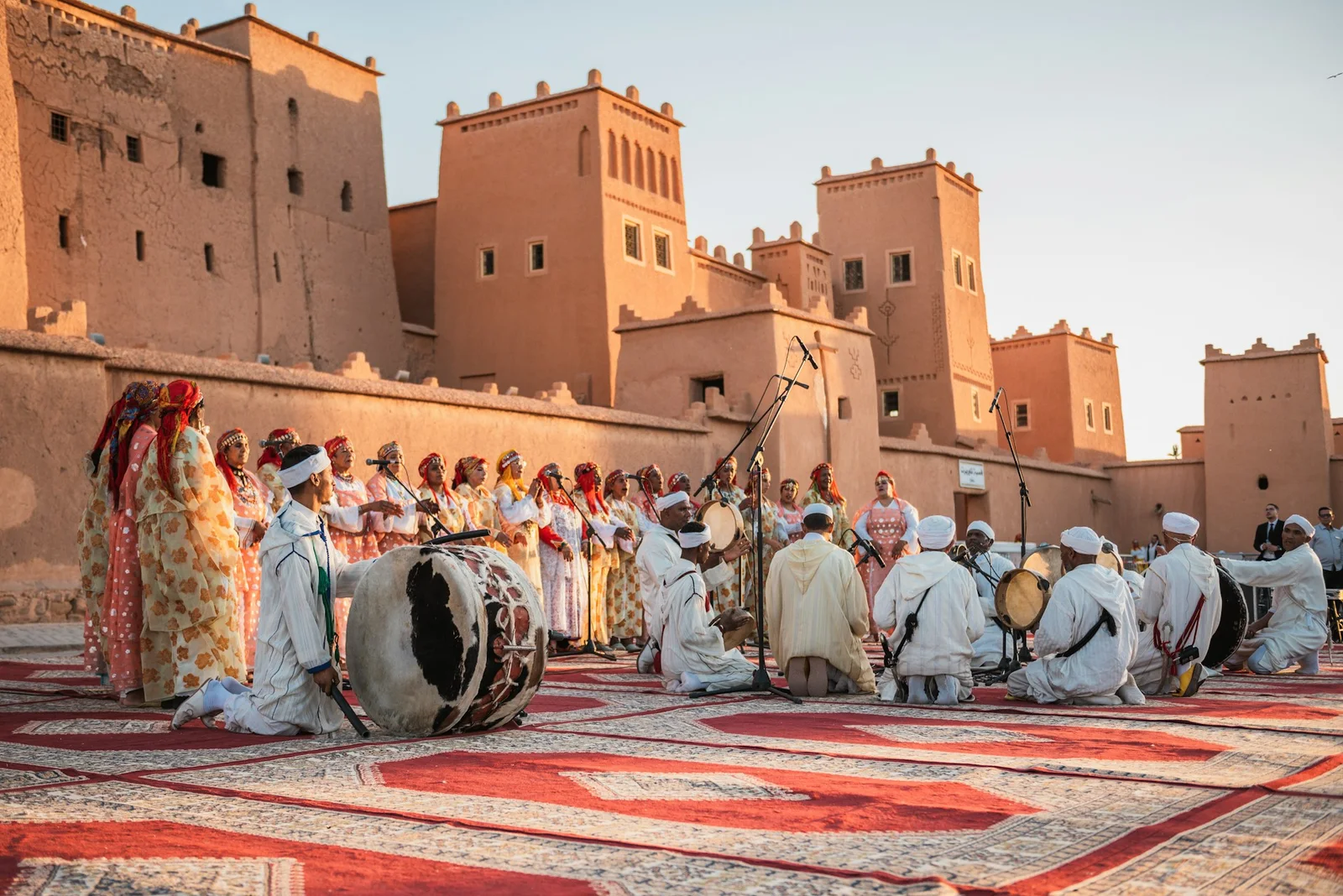
Ouarzazate Morocco: the desert city known as Moroccan Hollywood
Explore Ouarzazate, Morocco’s “Hollywood of the desert,” home to Atlas Studios, Ait Ben Haddou, and stunning Sahara landscapes.
Read the story →Morocco is best understood through its changing pace and geography. Rabat and Casablanca feel administrative and coastal; Fès and Marrakech draw you into dense medinas, craft workshops and layered history; Essaouira brings Atlantic air, while the Atlas and southern valleys open into quieter, more elemental landscapes. The distances are real, so a good itinerary leaves room between bases rather than trying to collect every highlight.
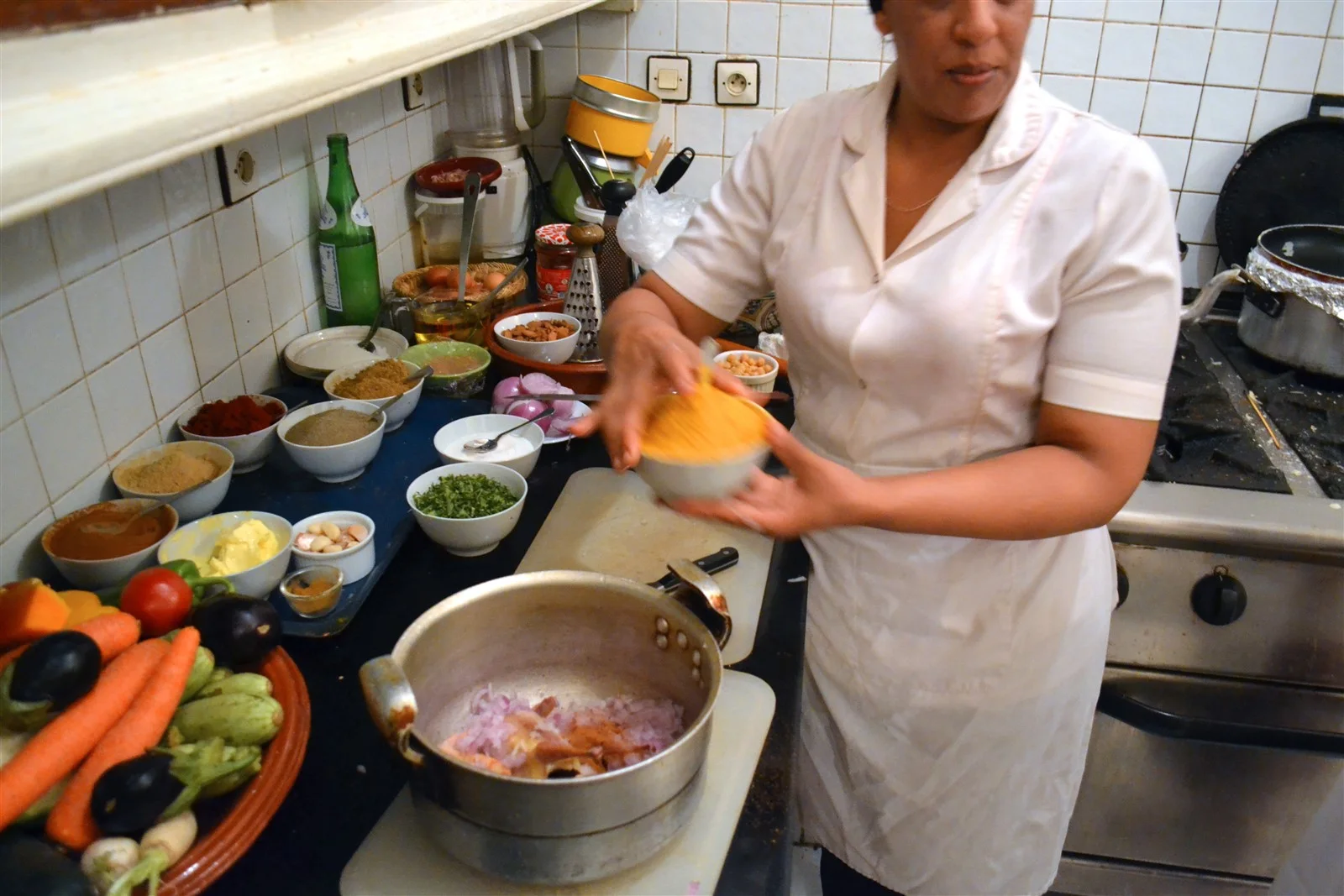
Food is central to the experience, from slow-cooked tagines and couscous to grilled seafood, fresh bread and sweet mint tea. Travel thoughtfully: dress with some modesty, learn a few words of Darija, carry small cash, and treat bargaining as conversation rather than combat. For a more restorative trip, choose a family-run riad or guesthouse, walk early before the heat and crowds, and balance active days with hammam time, gardens, long lunches or an unplanned afternoon.
Start with a city.
Useful context, without the checklist overload.
Trains, coaches, taxis, rental cars
Visa rules depend on nationality; stays usually max 90 days
Round up; 10% in restaurants
Use bottled or filtered water
220V; European Type C/E
Useful phrases
Frequently asked questions.
March to May and September to November usually offer the most comfortable balance of temperatures. Coastal areas can work well beyond these months, while the Sahara is especially hot in summer and mountain weather changes quickly.