Less than two hours from Beirut, Lebanon changes completely. The Mediterranean atmosphere gives way to high mountains, stone villages, Roman ruins and wide landscapes — and Faraya is one of the best places to experience that other side of the country.
Lebanon is surprisingly compact. Within relatively short distances, you can move between the Mediterranean coast, ancient cities, vineyards, archaeological sites and mountains high enough for skiing.
Faraya sits in the Mount Lebanon range at around 1,800 metres above sea level. It is best known for the nearby Mzaar ski area, but we think treating it only as a winter destination misses much of what makes this region interesting.
Outside winter, Faraya becomes a base for hiking, mountain drives, archaeological sites and small villages that feel completely different from Beirut and Lebanon’s coastal cities.
In this story
The road into the mountains is part of the experience
We explored Lebanon by car, and for this part of the country we would choose the same option again.
Faraya is roughly an hour’s drive from Beirut under normal conditions, and having your own car makes it much easier to stop at viewpoints, visit Faqra and continue into the surrounding mountain villages. From Byblos, the drive takes roughly 70 minutes according to the itinerary in our original notes.
As you climb higher, the landscape gradually changes. Dense urban development gives way to mountain roads, limestone terrain and broad views across the Mount Lebanon range.
This is one of those trips where we would not be in a hurry to reach the destination.
Faraya is much more than skiing
Winter brings snow and skiing to Mzaar, but summer and early autumn may actually be more interesting if you want to explore the region slowly.
The elevation makes temperatures more comfortable than on the coast, while trails around Faraya, Kfardebian and Faqra lead through pine-covered landscapes, rocky plateaus and mountain viewpoints.
Autumn is particularly appealing. The landscape starts shifting towards deeper green and golden tones, and the mountains feel far removed from the heat and intensity of Beirut.
For us, this is the type of place where the best plan is not necessarily an ambitious hiking route. A mountain drive, several short walks and a long Lebanese lunch can easily fill an excellent day.
Faqra is the place we would not skip
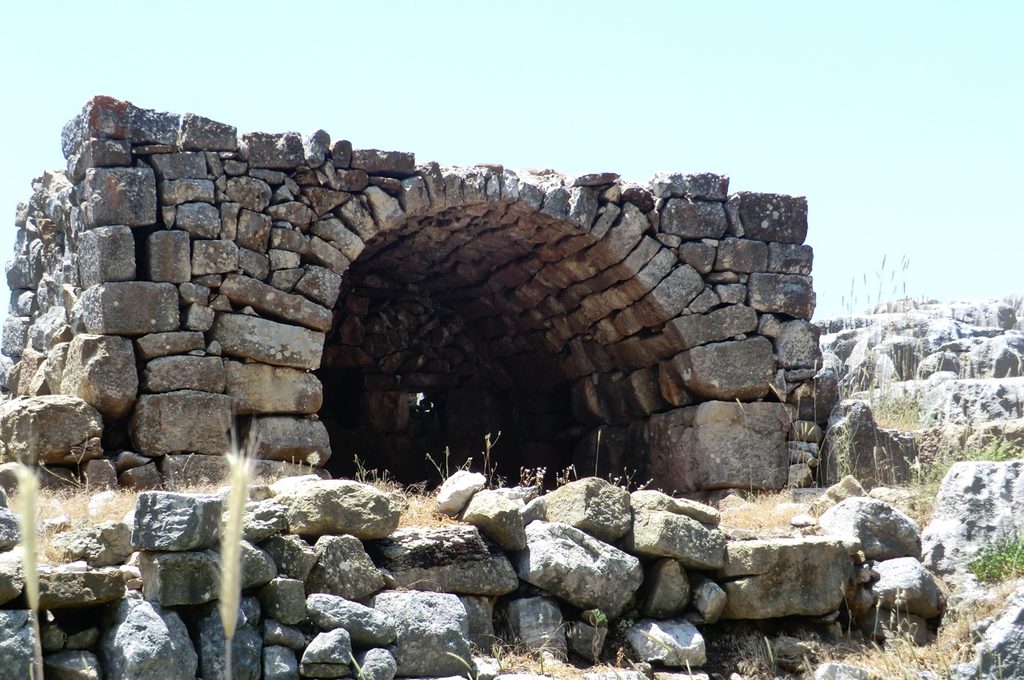
Only a few kilometres from Faraya lies Faqra, one of the most fascinating archaeological sites in this part of Lebanon.
The site contains Roman-era temples associated with Jupiter and Atargatis, as well as tombs, ancient water structures and a distinctive stone arch. What makes Faqra particularly memorable is its setting: archaeological remains standing almost alone in a dramatic mountain landscape.
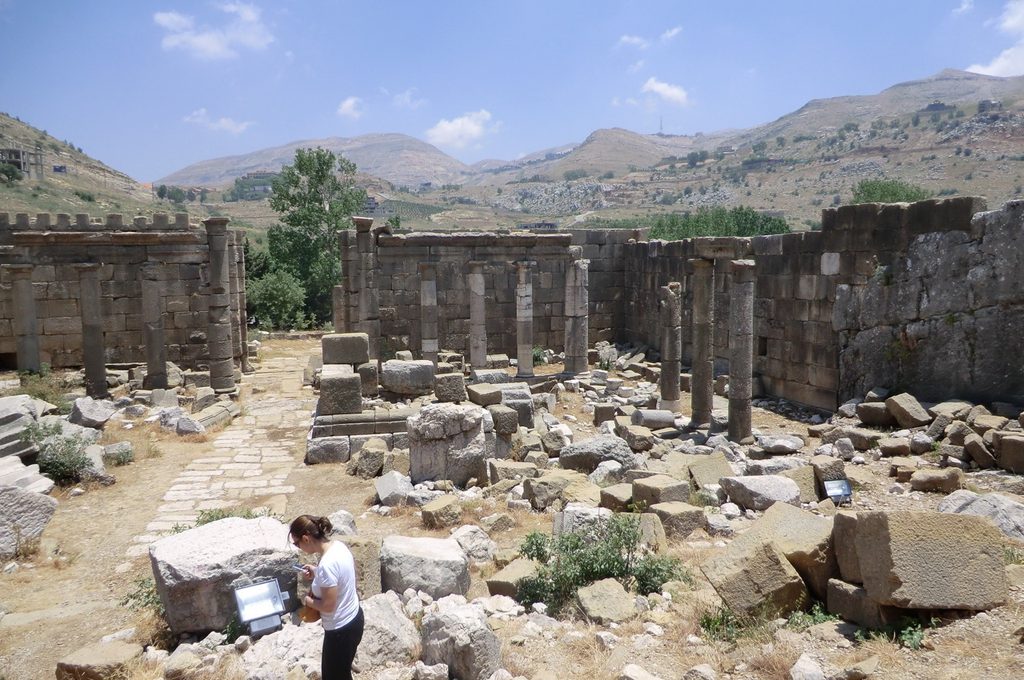
It feels very different from visiting a major archaeological attraction in a large city. Here, the surrounding mountains are part of the experience.
We would allow enough time simply to walk around without rushing from one ruin to another.
Then there is a natural bridge that looks almost man-made
Nearby, Faqra Natural Bridge adds another unusual stop.
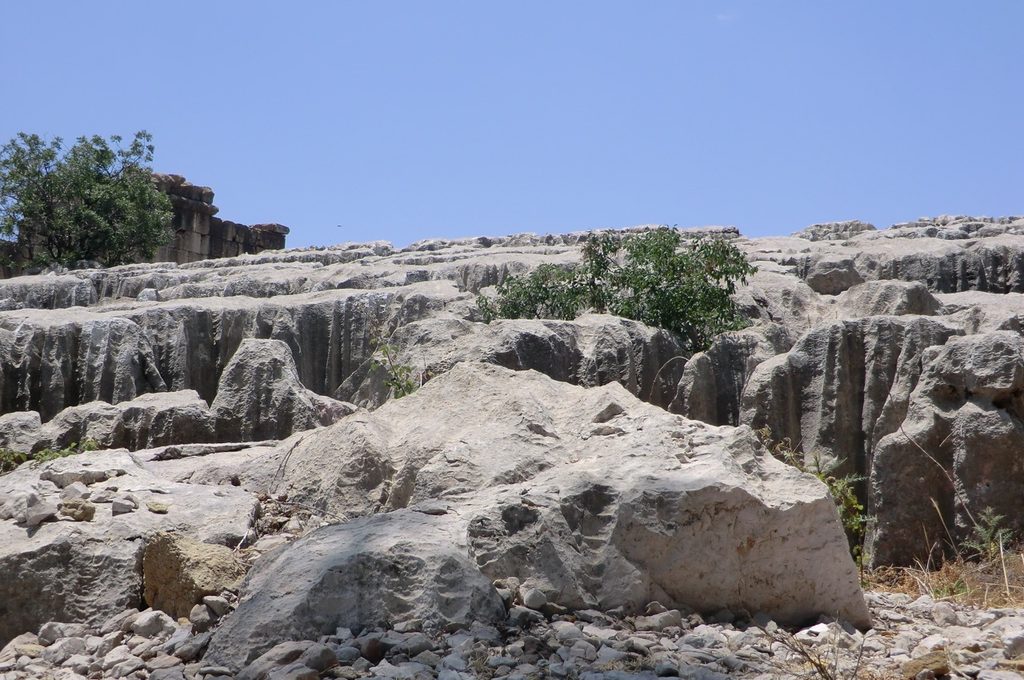
The huge limestone formation was created naturally through erosion and rises above the surrounding valley at roughly 1,600 metres above sea level.
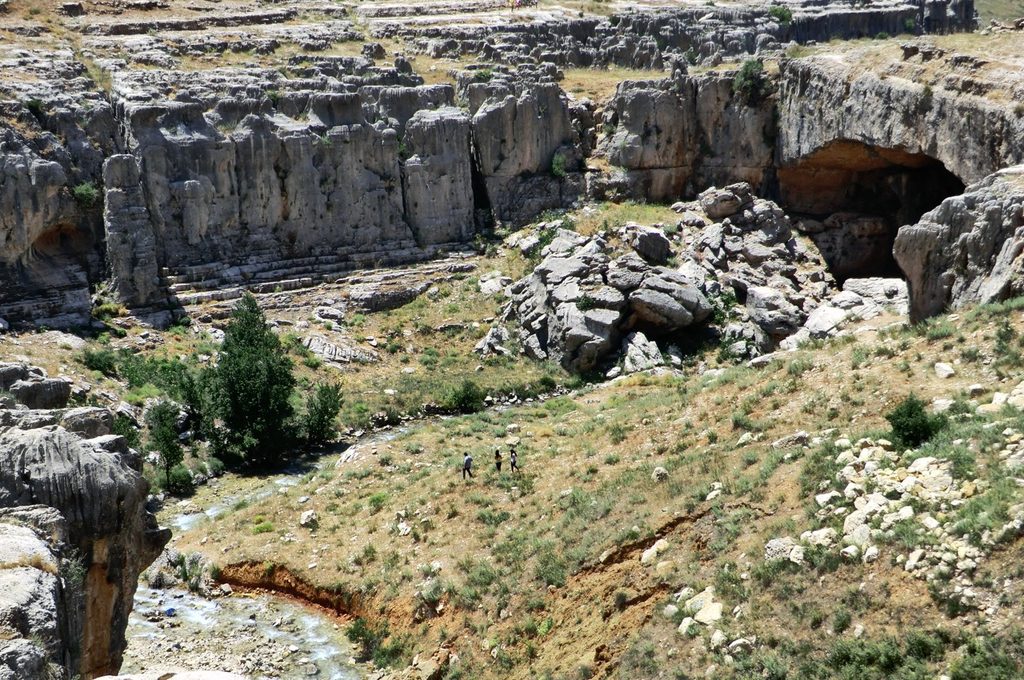
It is particularly impressive because you can combine geology and archaeology within the same small area. One moment you are looking at Roman remains, and shortly afterwards you are standing beside a natural stone structure shaped by thousands of years of erosion.
If you only have one day in the mountains, we would combine Faraya + Faqra archaeological site + Faqra Natural Bridge.
Stay for the food
A mountain day in Lebanon should include a long lunch.
In and around Faraya, we would look for a local restaurant serving traditional Lebanese mezze rather than trying to squeeze another attraction into the afternoon.
Hummus, baba ghanoush, tabbouleh, falafel and local cheeses are obvious choices, while arak is deeply connected with Lebanese food culture. The surrounding region also gives access to villages, vineyards and producers making local products.
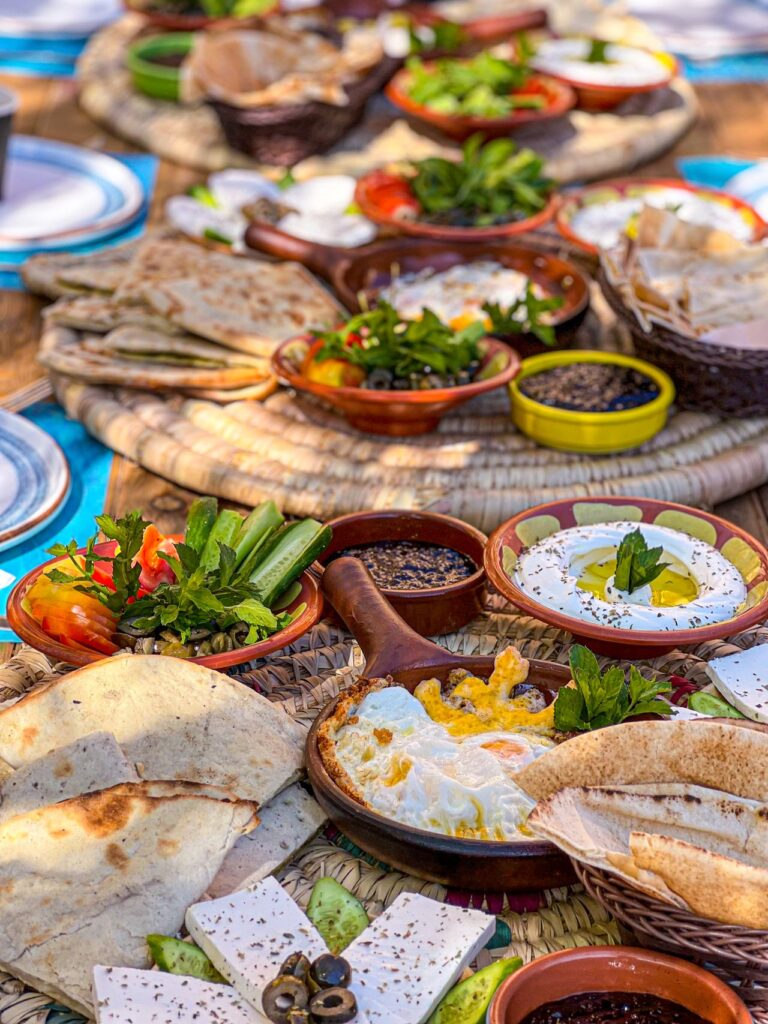

And this is exactly where we would slow the day down.
Lebanon has so many historical sites that it can be tempting to turn every trip into a checklist. Faraya works better when you leave some empty space between them.
Could you visit Faraya as a day trip from Beirut?
Yes.
For most visitors, a day trip is probably the easiest way to experience the area. Leave Beirut in the morning, drive into the mountains, visit Faqra and the Natural Bridge, have lunch and return later in the afternoon.
But if you enjoy hiking or want a slower experience, spending a night in the mountains gives the destination an entirely different character.
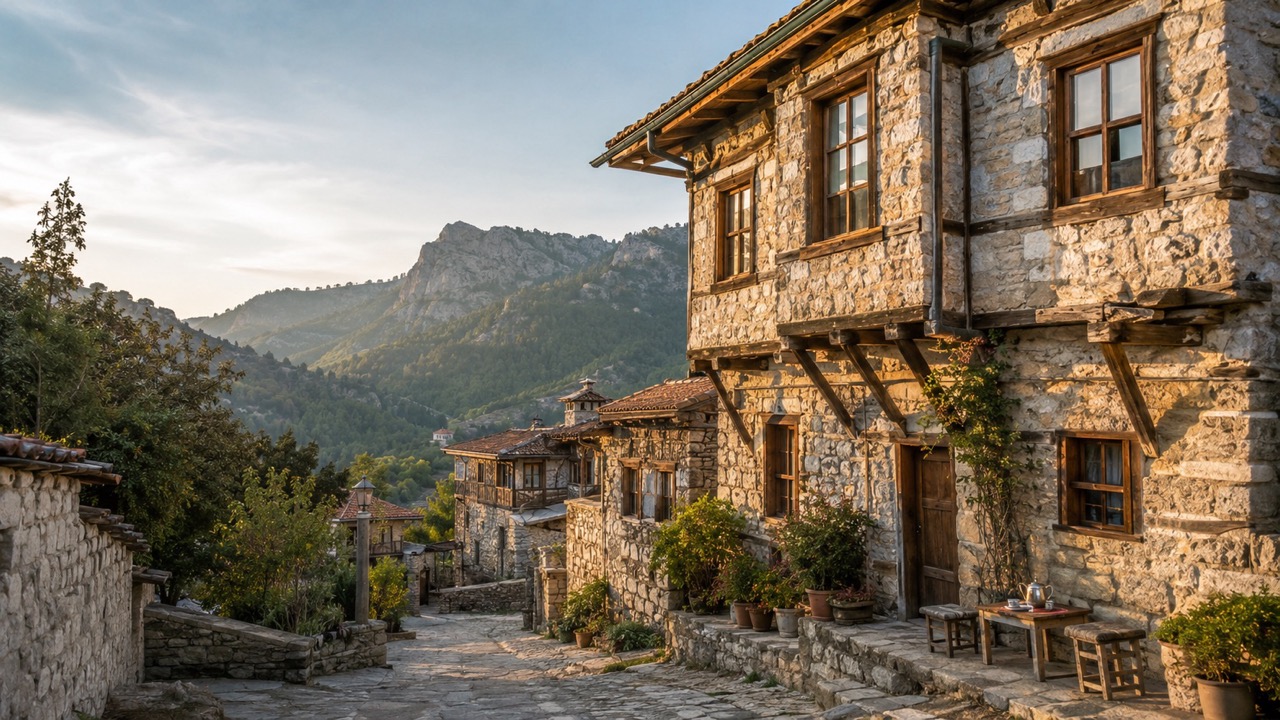
Faraya developed as a mountain resort during the 20th century and today combines traditional stone architecture with chalets and contemporary mountain accommodation.
We would especially consider staying overnight outside the ski season, when the mountains become quieter.
Is Faraya worth adding to a Lebanon itinerary?
Definitely — particularly because it shows a version of Lebanon that many first-time visitors do not expect.
Beirut, Byblos and the Mediterranean coast naturally receive much of the attention, but the mountains are a fundamental part of the country’s landscape and identity.
Faraya gives you a glimpse of that world without requiring a long journey.
Within a single day, you can move from Beirut to mountain roads, Roman ruins, natural rock formations and a Lebanese lunch at around 1,800 metres above sea level.
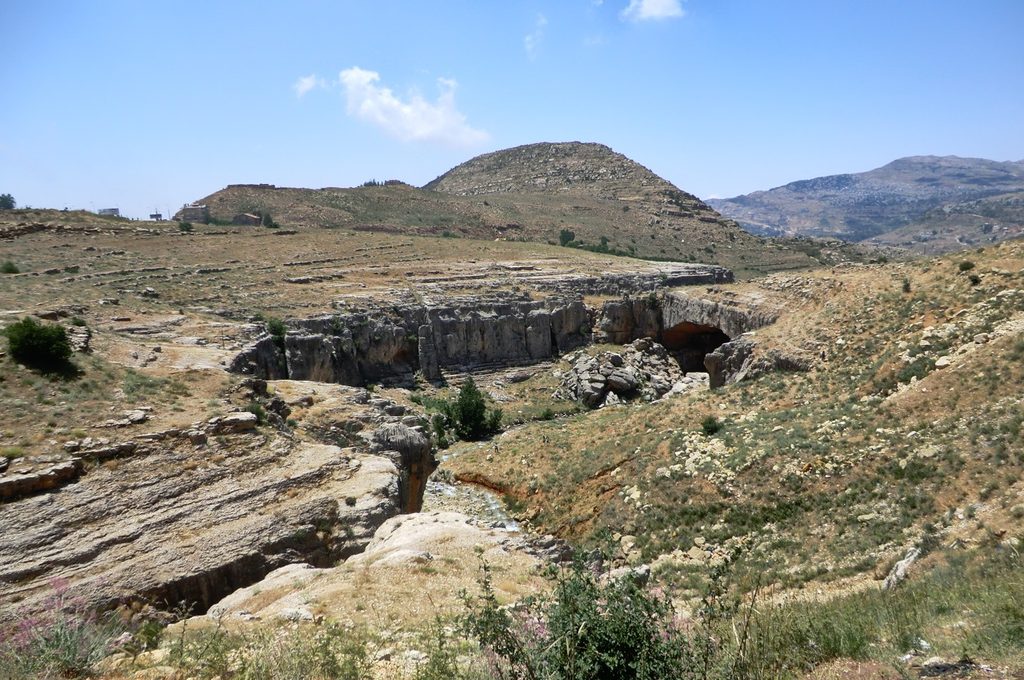
For such a small country, the change feels remarkable.
Mindful Vacation tip
If you have a car, do not plan Faraya as a simple there-and-back drive.
Combine it with Faqra, stop whenever the mountain views become interesting and leave enough time for lunch.
The best part of this trip is not one individual attraction.
It is how quickly Lebanon keeps changing around you.